Best Hearing Aids for Active Lifestyles, Tested and Reviewed by Audiologists
Our tech experts and audiologists have selected Jabra Enhance as the best hearing aid for active seniors, thanks to its Bluetooth streaming capabilities, follow-up care, and advanced features.


SeniorLiving.org’s resident audiologists and senior tech experts tested the industry’s top hearing aids and narrowed the list to our picks for active lifestyles.
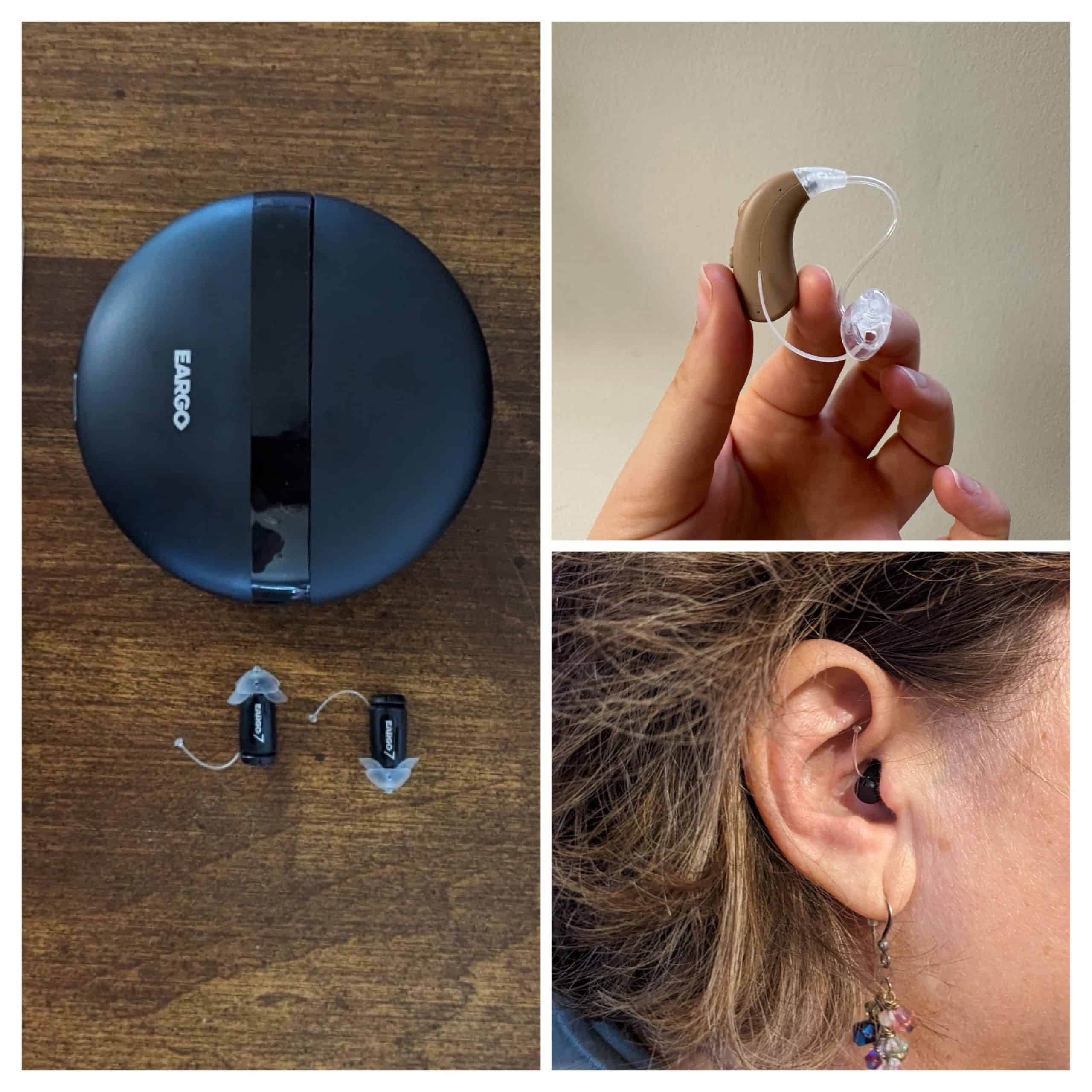
Our team testing out different hearing aids
How We Tested the Hearing Aids
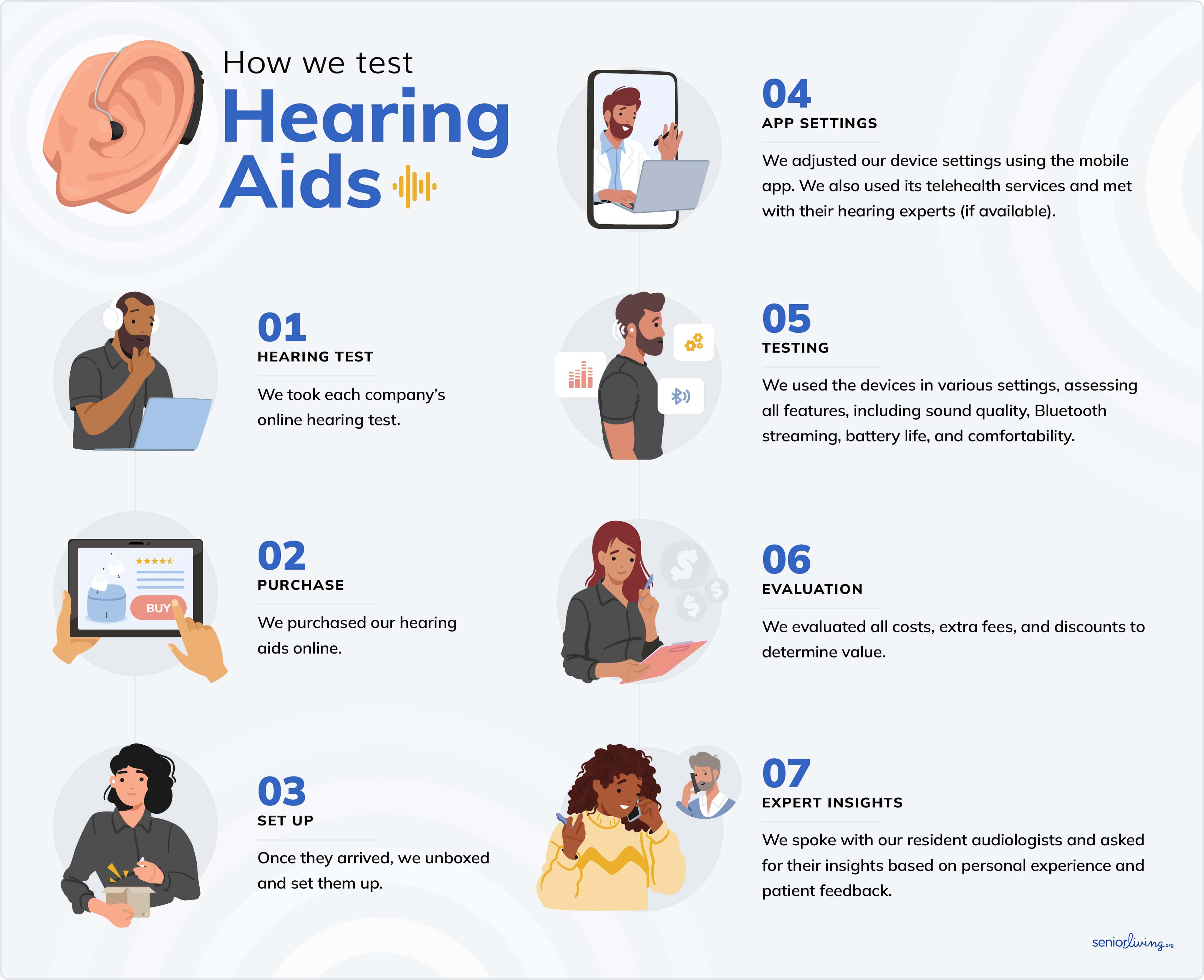
Our tech team conducted over 100 hours of hands-on testing to compare the top hearing aid providers side by side. We focused on a wide range of factors that could impact the listening experience for physically active users.
Here’s what our testing process looked like for the best OTC hearing aids that could be ordered online:
- Our tech experts conducted the online hearing exam for each brand, comparing the results to in-person evaluations performed by an audiologist.
- Then, we selected our hearing aids and made our purchase, evaluating the overall purchasing process. We considered the price and value of each hearing aid model, including promotions, extra fees, and upfront costs.
- Once the devices arrived at our doorstep, we followed the instructions to set them up. If the brand had a mobile app, we downloaded it to our phones and set it up, as well. We evaluated the ease of use to get our hearing aids out of the box and fully functional.
- We contacted customer service several times to evaluate the quality of care by phone, mobile app, and online chat when available.
- Our team tested each hearing aid for a week, using them at home, in noisy environments, and in quieter settings. We evaluated the hearing aid’s features, sound quality, and ease of use in each environment. Additionally, we tested how well each hearing aid model stayed in place during more vigorous activities, how well it streamed audio from other devices, and how well it resisted moisture (like sweat).
For prescription hearing aids that can’t be ordered online, we spoke with Dr. Reisman about her expertise with each brand. We used her experience prescribing and testing these hearing aids, along with feedback from her patients, to evaluate and rank them.
How We Chose the Best Hearing Aids
If you enjoy staying active, it’s vital to choose a hearing aid that can keep up. Every hearing aid on our list was tested by our technology experts, prescribed and tested by Dr. Reisman, or both. We evaluated criteria like:
- Streaming capabilities: Bluetooth enables users to stream hands-free calling, music, podcasts, and other audio directly from their smartphone to their hearing aids. We tested each hearing aid’s streaming features to make calls and listen to audio, evaluating the sound quality and ease of use during physical activities.
- Battery life: Battery life can make or break your experience with hearing aids, especially if you prefer being active in the great outdoors. We tested hearing aids for over a week, noting how long their batteries lasted before needing a charge. We selected hearing aids that last at least 16 hours on one charge.
- Price and value: Price is always important for seniors, regardless of their level of activity. For this reason, our list includes hearing aids for virtually any budget. We considered starting prices, value for money, seasonal discounts, and any other ways to save.
- Sweat and water resistance: While most hearing aid models cannot be fully submerged underwater, many are moisture resistant. This means you can sweat or enjoy some water-based activities without removing the devices. We tested and compared each hearing aid’s water resistance during physical activity and in water.
- Ease of use: If you have an active lifestyle, you probably don’t want a lot of distractions when you’re “in the zone.” We gave high ratings to user-friendly devices that are adjustable as needed, even while the user is on the go.
Why Trust Us
Our senior tech experts try out the latest gadgets for older adults. We’ve spent hundreds of hours testing and reviewing hearing aids from many providers.
We also collaborate with experts, like our resident audiologist, Dr. Ruth Reisman. She has personally tested and prescribed hearing aids from the providers on our list. She worked alongside us to select the best hearing aids for seniors who enjoy exercise, travel, or staying active in general. Dr. Reisman has been working with patients for over 15 years.
SeniorLiving.org is supported by commissions from providers listed on our site. Read our Editorial Guidelines

- Prices start at $1,195 per pair
- Three rechargeable BTE models
- Bluetooth streaming from iPhones and select Android devices

- Prices start at $297 per pair
- Three BTE models and two ITE models
- Available in singles and pairs

- Prices start at $799
- Two CIC models and one earbud-style model
- Remote app control with select models

- Notch Therapy (NT) for tonal tinnitus
- Excellent styles and aesthetic appeal
- In-ear and BTE models

- Options for mild to profound hearing loss
- Health and wellness features
- Advanced AI technology

- Solutions for mild to profound hearing loss
- Rich sound quality
- Industry-leading technology
Contents
Hearing aids can support and enhance your current active lifestyle. Many brands offer hearing aid models that make activities like biking, hiking, and walking safer and more enjoyable. (We don’t recommend swimming, as even hearing aids advertised as “waterproof” are still susceptible to water damage.)
Our senior tech experts and resident audiologist, Dr. Ruth Reisman, have reviewed and tested the best hearing aids in 2026. Based on our research, hands-on testing, and Dr. Reisman’s feedback, we chose Jabra Enhance as our top pick for active lifestyles, thanks to the advanced Bluetooth streaming and connectivity, compatibility with a wide range of smartphones, and high-quality sound and features.
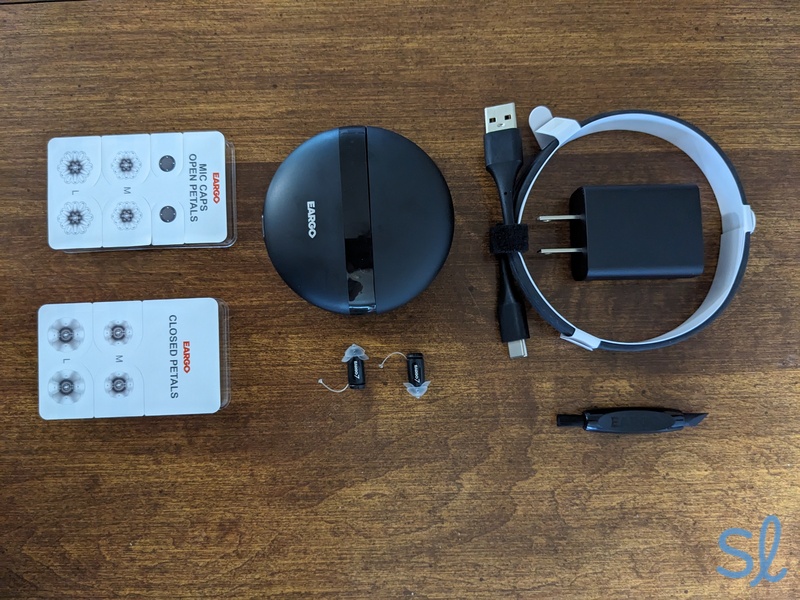
Our team has tested all of the hearing aids on our list, including the Eargo 7 pictured here.

-
1. Jabra Enhance - Best streaming
 See Pricing Links to Jabra Enhance
What we like most
- Prices start at $1,195 per pair
- Three rechargeable BTE models
- Bluetooth streaming from iPhones and select Android devices
Jabra EnhanceSee Pricing Links to Jabra EnhanceOverview:
Testing out Jabra Enhance Select 300 hearing aids
If music, podcasts, or audiobooks fuel your morning jog or gym workout, Jabra Enhance’s over-the-counter (OTC) hearing aids might suit you. The brand's three behind-the-ear (BTE) models offer direct Bluetooth streaming from iPhones and select Android smartphones compatible with ASHA (Audio Streaming for Hearing Aids) protocol. That means you can seamlessly transition from listening to music to answering a call.
Did You Know: According to the CDC, adults aged 65 and up need at least 150 minutes of moderate-intensity activity or 75 minutes of vigorous-intensity activity each week.1
The Enhance Select 500 and Enhance Select 300 include hands-free calling for iPhones 11 and above. The Enhance Select 500 also offers hands-free streaming for compatible Android devices. This feature lets you hear the phone call through your hearing aid and respond using the device’s microphones. You don’t need to use your phone’s microphone – you’ll have both hands free for lifting, riding your bike, or driving.
 Expert InsightsFrom Dr. Ruth Reisman, AudiologistJabra Enhance allows users to obtain virtual support at work or at home, which is great for those individuals with busy schedules.Pros & Cons:
Pros About Jabra Enhance
- Bluetooth streaming with all models
- Hands-free calling option
- Portable charging case
- High-quality noise cancellation
- Three-year loss or damage protection and follow-up care with Premium packages
- Music mode improves quality of live music
Cons About Jabra Enhance
- Small product lineup
- No lifetime support
- Not for severe or profound hearing loss
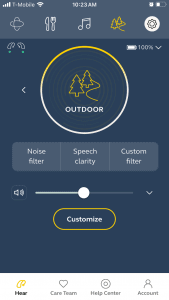
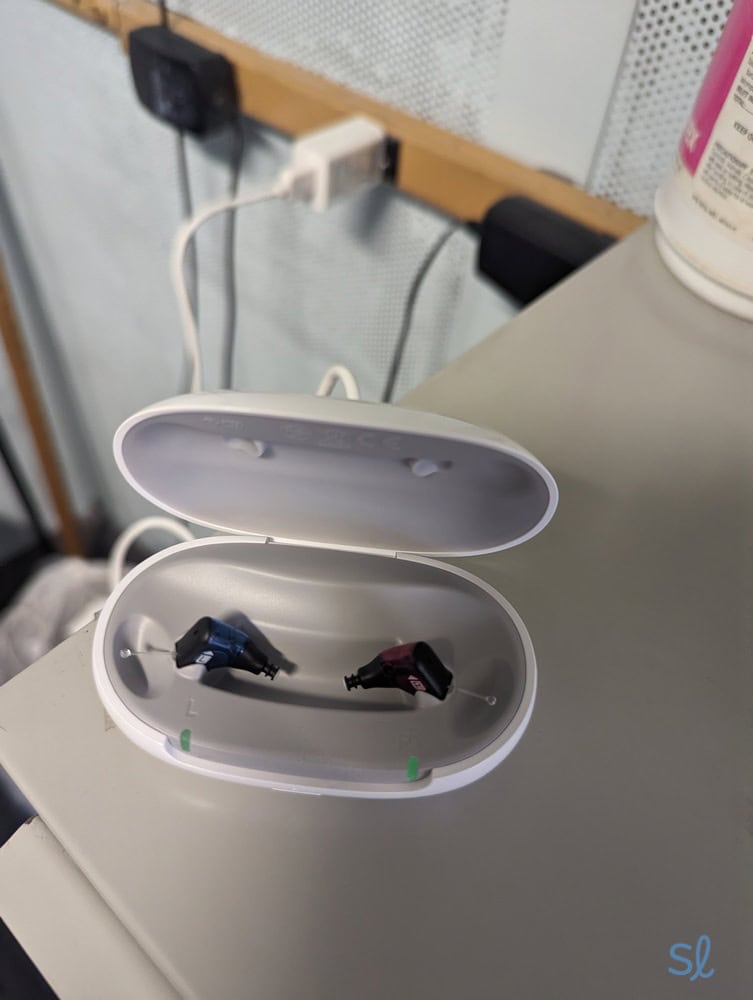
Our Experience With Jabra Enhance:We got nearly 30 hours of listening time per charge during our testing. Streaming audio directly reduced our listening time by a few hours. But it was easy to recharge our devices on the go with the portable battery case, which holds three additional charges. We could also quickly adjust our hearing aids through the mobile app, like when we switched to the outdoor program while hiking, and customized the settings for the best experience.

Making adjustments using the Jabra Enhance mobile app
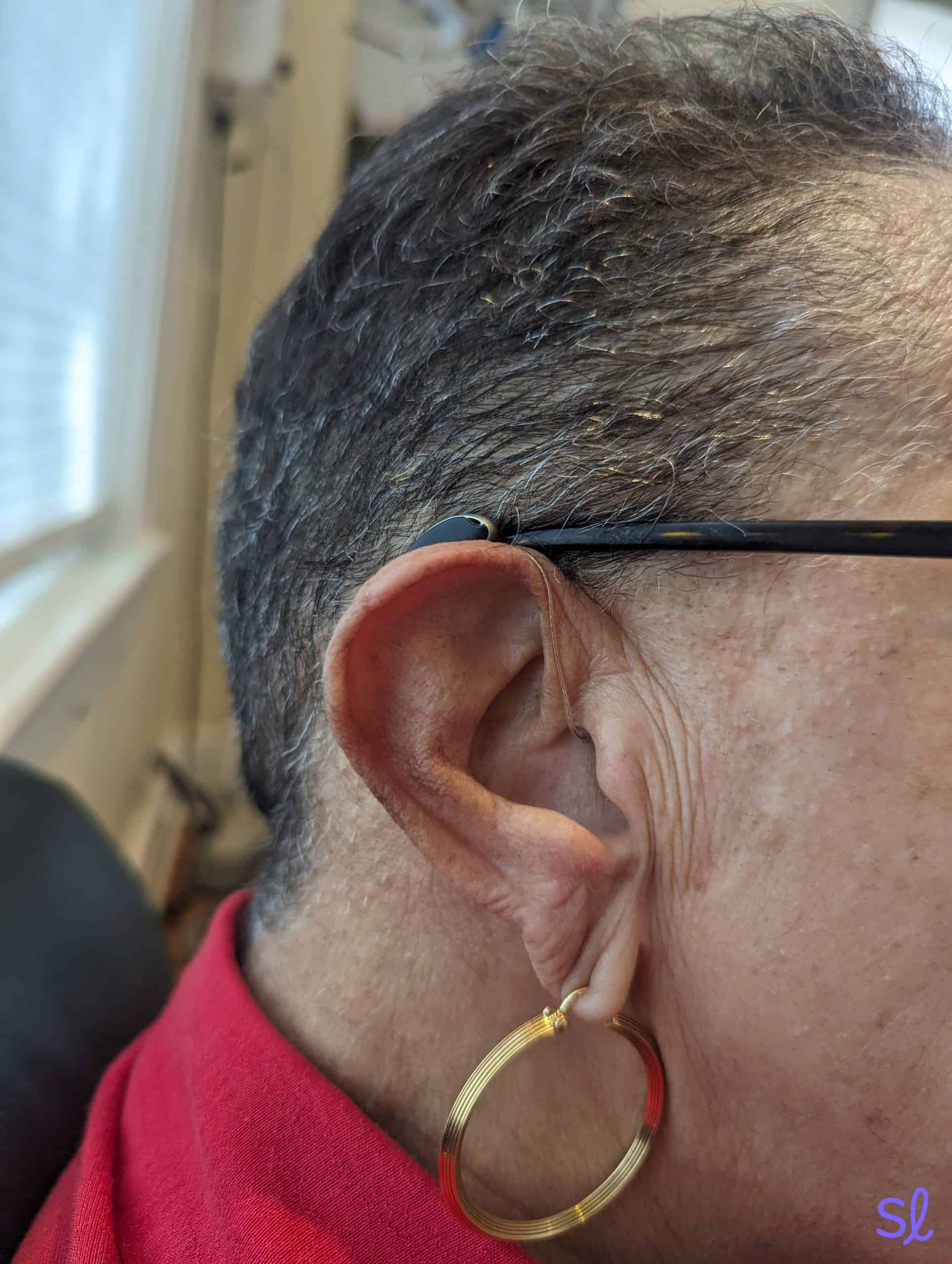
Jabra Enhance only offers BTE models, which is a minor drawback. We found they weren’t as easy to wear with glasses or cycling helmets as in-ear models available through MDHearing or Eargo. However, the larger size of BTE hearing aids also allows for other great features such as Bluetooth streaming, hands-free phone calls, and microphones that can actively adapt to different sound environments. If the larger BTE models are incompatible with the accessories you wear during physical activities, consider more discreet, in-ear models available from Eargo, in addition to prescription models from Signia, Phonak, and Starkey.
» Our Full Review Jabra Enhance hearing aids review 2026
Pricing
Jabra Enhance hearing aids cost $1,995 for the Enhance Select 500, $1,695 for the Enhance Select 300, and $1,195 for the Enhance Select 50R Premium package options. This brand offers superb value, given the excellent features Jabra Enhance offers, including Bluetooth streaming, noise cancellation, and follow-up care. You can even finance your hearing aids for as little as $39 per month.
» An In-Depth Review: Jabra Enhance Select 300 review
Every package comes with a three-year warranty and three years of remote follow-up care with Jabra Enhance hearing specialists, adding to the value of these devices.
For lifetime follow-up care at no cost, consider OTC providers like Eargo or prescription providers like Starkey and ReSound.
-
2. MDHearing - Most affordable
 See Pricing Links to MDHearing
What we like most
- Prices start at $297 per pair
- Three BTE models and two ITE models
- Available in singles and pairs
MDHearingSee Pricing Links to MDHearingOverview:
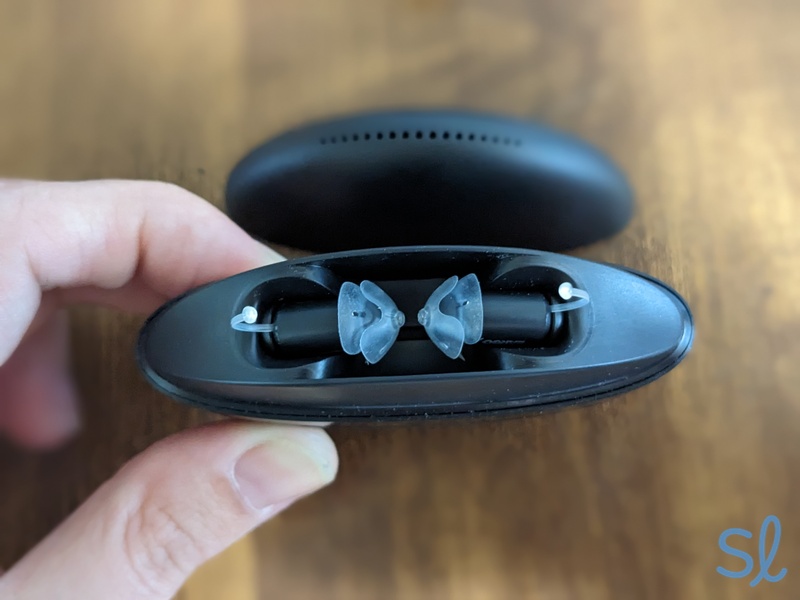
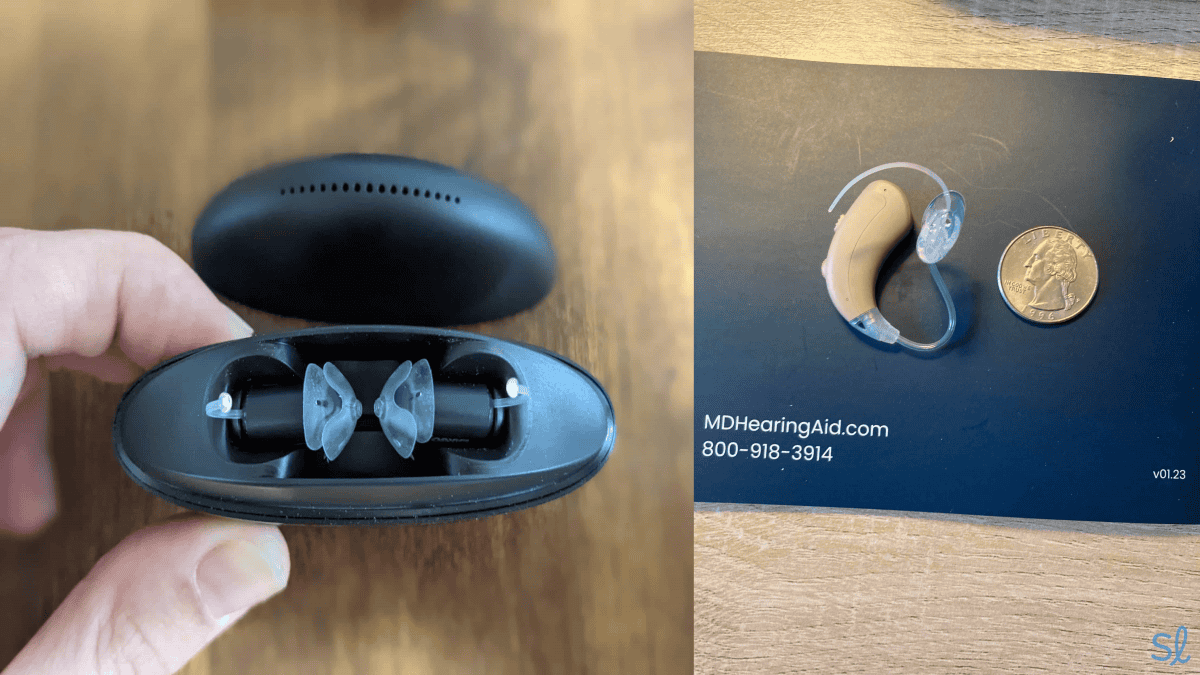
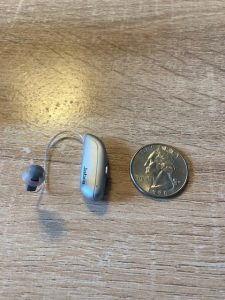
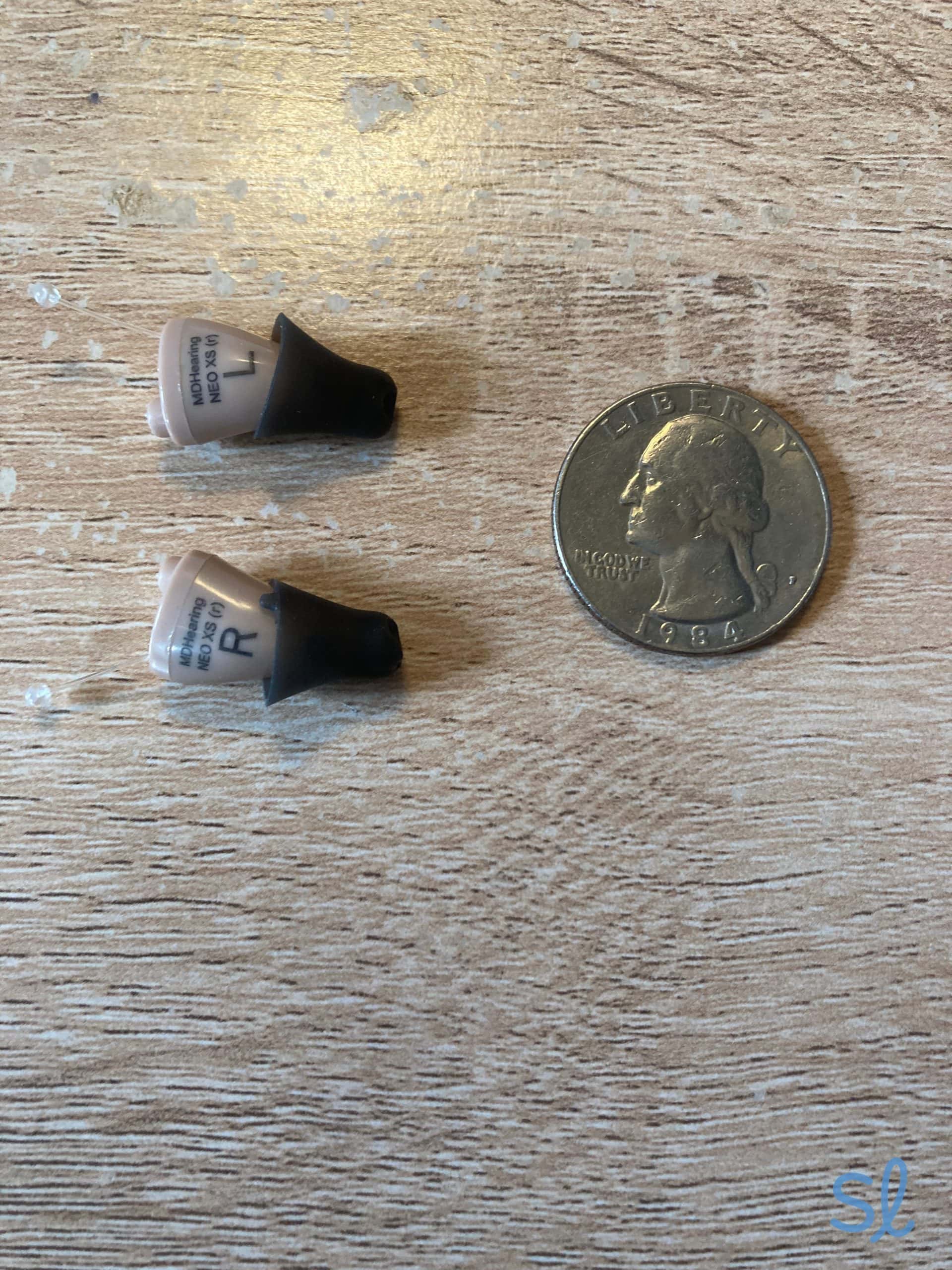
MDHearing's ITE hearing aids, including the NEO XS that we've tested, are small and discrete.
MDHearing is an OTC hearing aid manufacturer with three BTE and two in-the-ear (ITE) models. Both models are very affordable, even compared to our other top OTC picks — Jabra Enhance and Eargo. They’re also easy to use for seniors who may not be as tech-savvy, as no smartphone app is required. We could adjust the volume or select from four different sound settings on the hearing aid.
Did You Know: Curious about other affordable hearing aid options? Look at our list of the best cheap hearing aids for seniors.
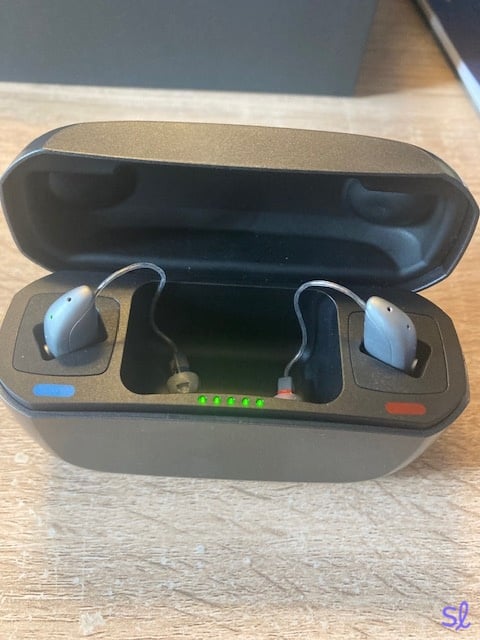
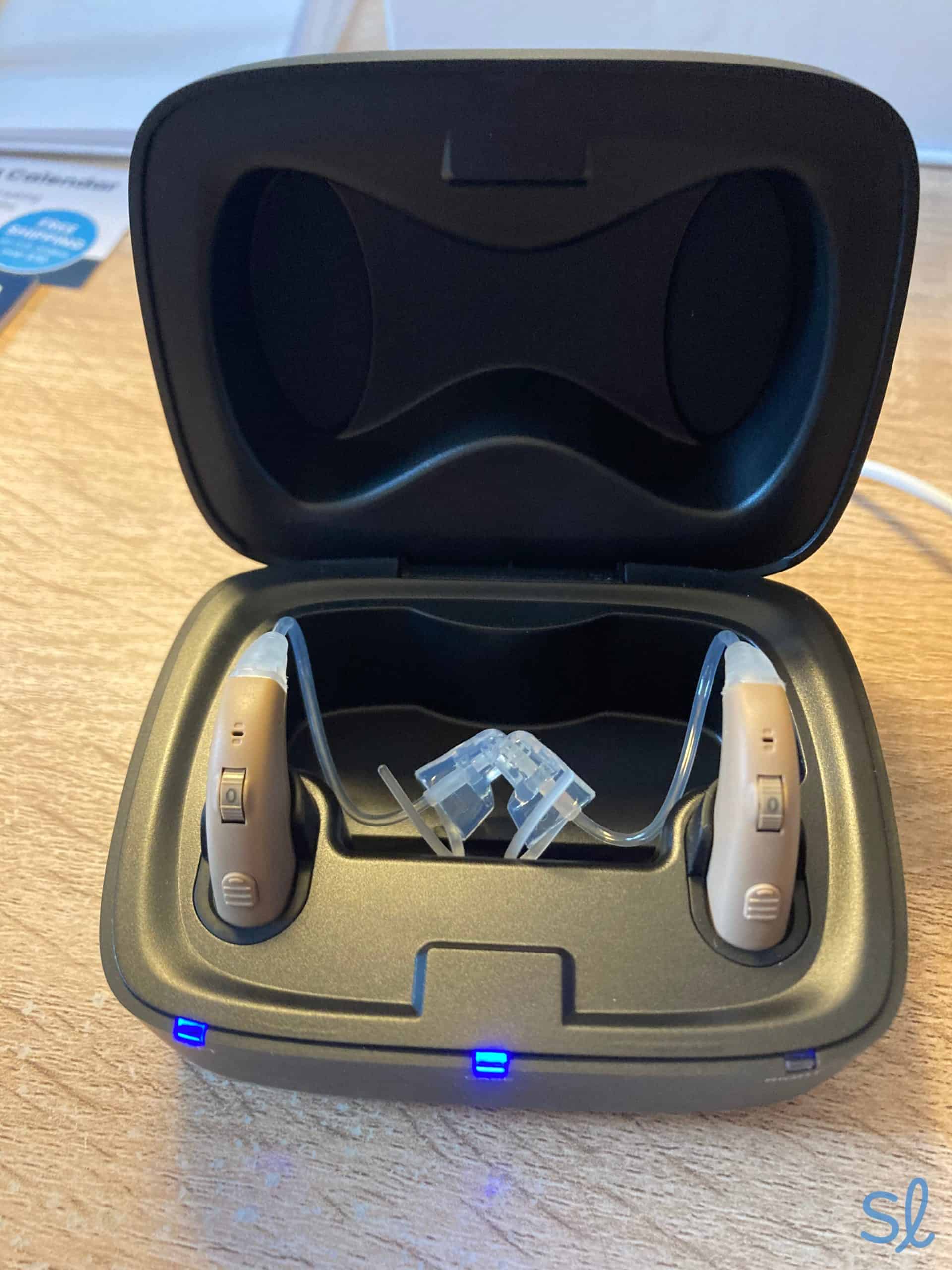
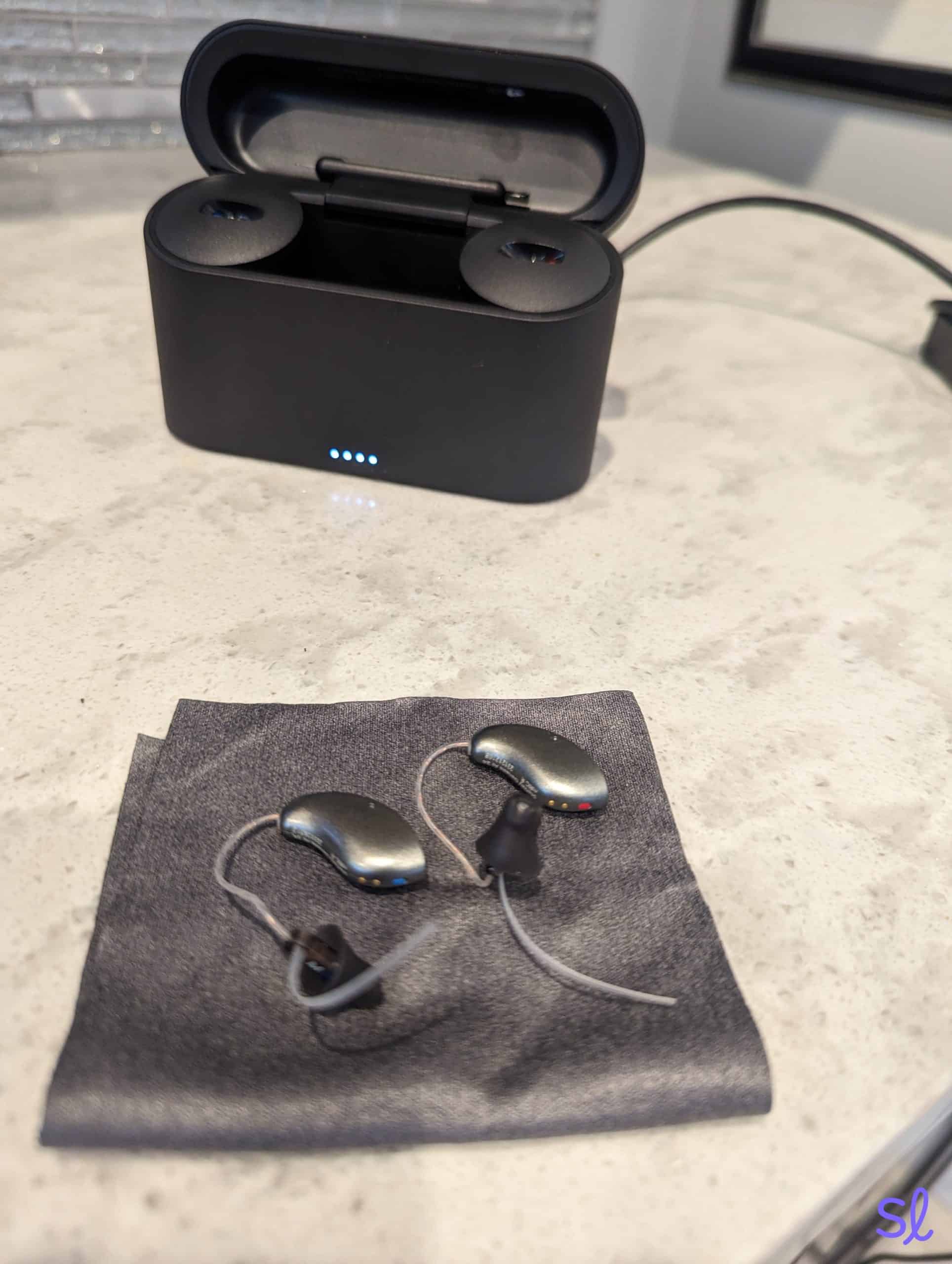
MDHearing’s VOLT model helps you stay on the go for longer. It includes a 20-hour rechargeable battery and a portable charging case with three full charges. The battery life is roughly 10 hours shorter than pricier models from Jabra Enhance, but it outperforms the listening time of any Eargo model. If you’re looking for something a little more discreet (and less likely to interfere with glasses, goggles, or helmets), MDHearing offers the in-ear NEO and NEO XS models.

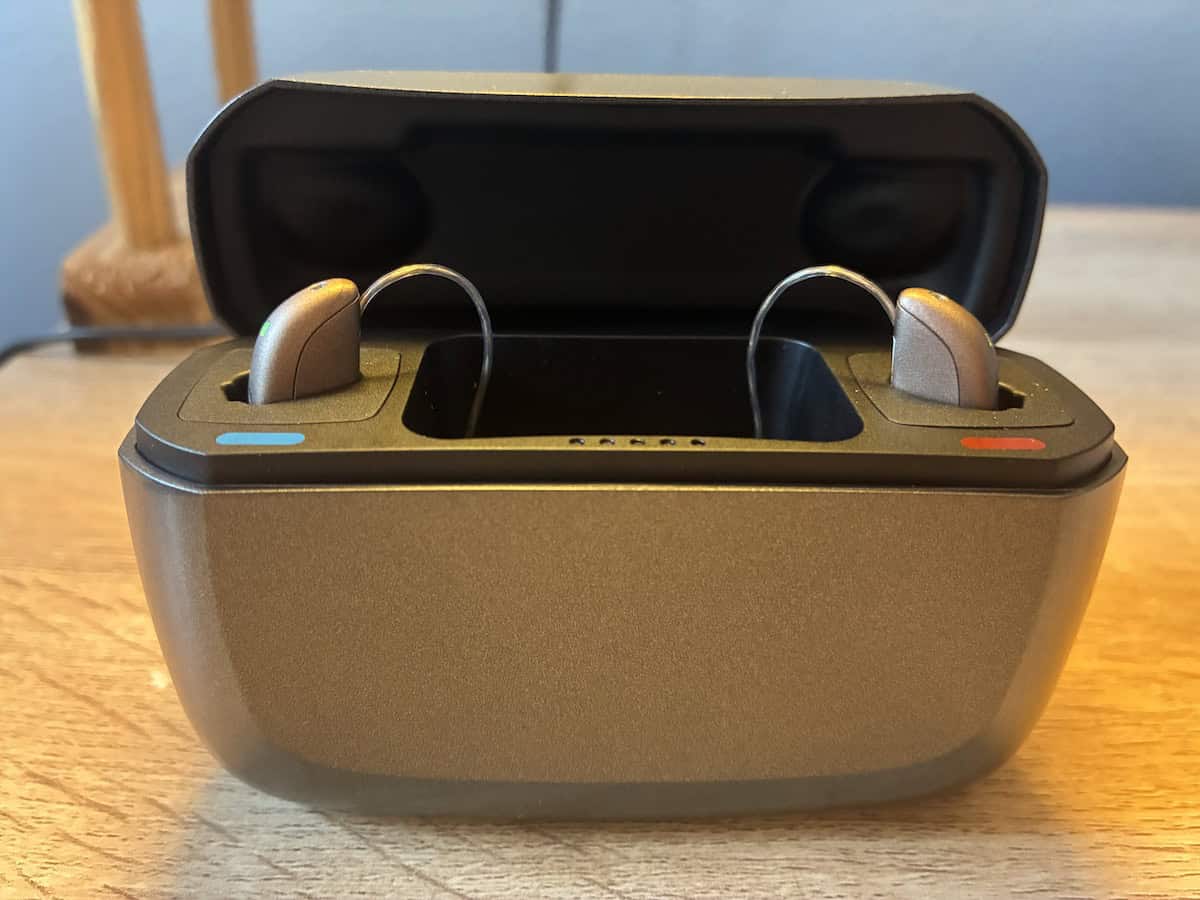
The MDHearing VOLT hearing aids are easy to charge, and a blue light indicates that they are charging.
Pros & Cons:Pros About MDHearing
- Affordable pricing
- BTE and ITE models
- Volume and setting control on the device
- Four rechargeable options
- Free U.S.-based lifetime support
- Available in singles and pairs
Cons About MDHearing
- Only VOLT+ model has mobile app and Bluetooth streaming
- Not for severe-to-profound hearing loss
- Soft whistling sound during insertion
Our Experience With MDHearing:Making on-the-go adjustments was a breeze with MDHearing. Most of their models only feature an on/off dial and a program button. We quickly switched between programs by pressing the button and heard a certain number of beeps for each channel.
While we appreciate this simplicity for less tech-savvy users, it may take some getting used to for those who struggle with smaller buttons. Alternatively, you can pay more for the VOLT MAX model to get a mobile companion app and Bluetooth streaming, two great features for active seniors. You also get free remote care from licensed hearing professionals. They can help you adjust your fit and settings and answer any questions.
» A Closer Look: MDHearing VOLT review
Our tech team tried out the VOLT and the NEO XS. Both provided a solid listening experience, but we found the NEO XS wasn't quite as discreet as we hoped. The Eargo 8 was less visible and easier to fit the first time. With the NEO XS, we needed to call customer support and change to smaller domes, which was a struggle. Making this adjustment may be challenging for individuals with arthritis or struggling with fine motor skills. That said, the sound quality was crisp and clear, though we did hear some minor whistling when inserting the hearing aids for the first time.
» Our Full Review: MDHearing reviews in 2026
Pricing
MDHearing keeps prices low by selling directly to consumers online. Prices range from $297 to $597 per pair, as the company constantly hosts sales to keep prices low. Even if you opt for one of MDHearing’s most expensive models, you’ll still be spending less than half the price of Eargo or Jabra Enhance hearing aids. However, MDHearing’s most affordable hearing aids have fewer high-tech features, like a mobile app or direct streaming.
-
3. Eargo - Best to wear with a helmet
 See Pricing Links to Eargo
What we like most
- Prices start at $799
- Two CIC models and one earbud-style model
- Remote app control with select models
EargoSee Pricing Links to EargoOverview:
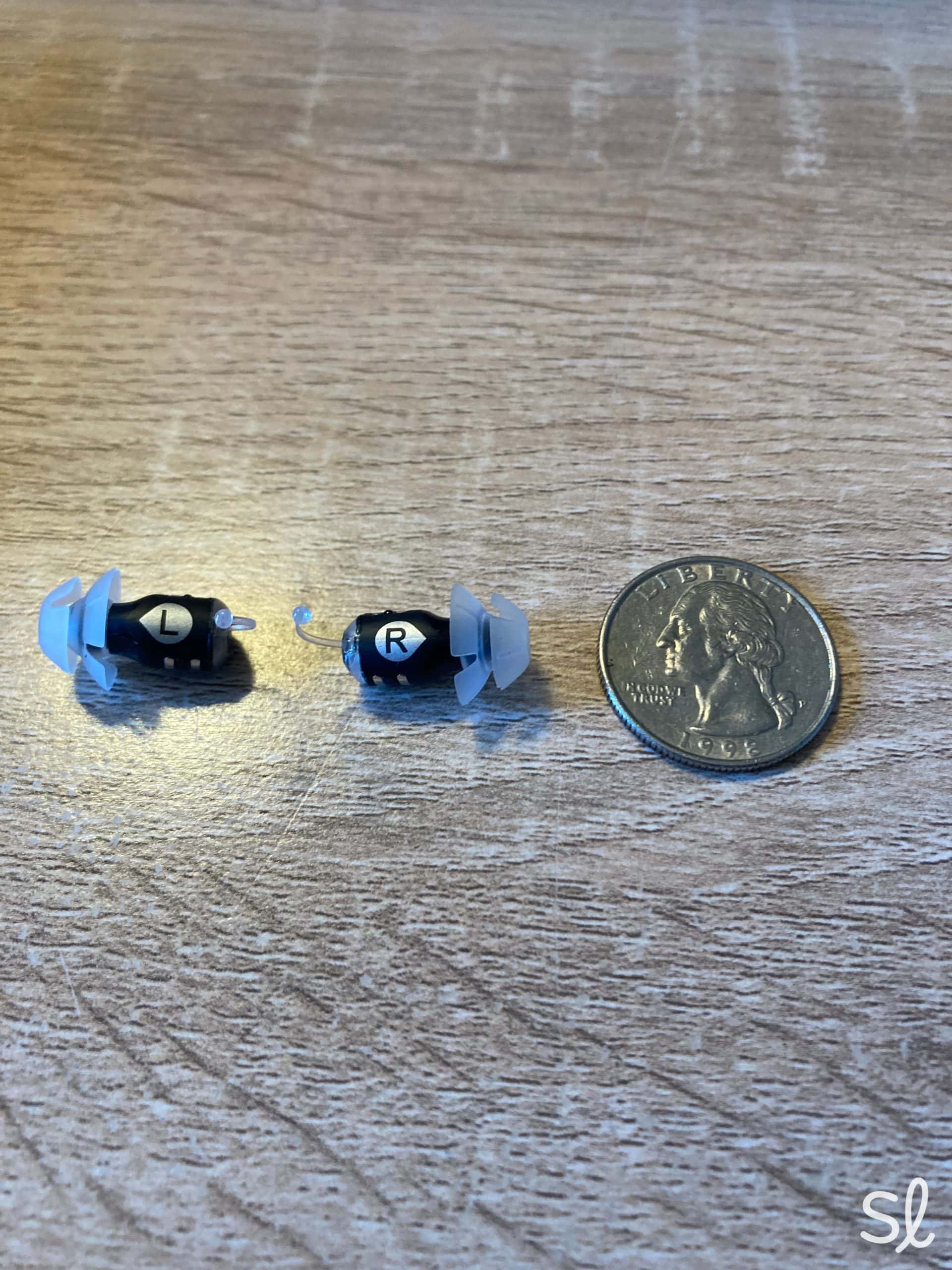
Eargo SE hearing aids are small and fit in the canal, making them very discreet.
Whether you ride a motorcycle, bicycle, or horse, Eargo’s OTC hearing aids are worth considering. Eargo offers two completely-in-canal (CIC) models, letting you hear naturally and never interfering with helmets, hats, glasses, or masks. The company also sells a discreet, earbud-style hearing aid.
» Compare Providers: MDHearing Aid vs. Eargo
The company’s premium model, the Eargo 8, is our pick for a comfortable fit and advanced noise reduction. The sound automatically adapts to your environment, which is fantastic for on-the-go seniors. Eargo 8 also features a water-resistance rating of IP68, wear them while sweating heavily or if you get caught in the rain.
» Our Full Review: Eargo hearing aid review
Pros & Cons:Pros About Eargo
- Virtually invisible design
- Water-resistant models
- Comfortable fit
- Remote app control with select models
- Mimics natural hearing
- Lifetime remote support from hearing professionals
Cons About Eargo
- No Bluetooth streaming with most models
- Not for severe-to-profound hearing loss
- No BTE style available
Our Experience With Eargo:All of Eargo’s in-ear models are simple, even with headwear. That is a huge plus for seniors who want to engage in more adventurous activities, like climbing, skiing, kayaking, horseback riding, and cycling.
Quick Tip: Unsure which hearing aid is right for you? Check out our 2026 hearing aid buyer’s guide to learn everything you need to know to make an informed purchase.
We found Eargo’s CIC models (Eargo SE and Eargo 8) took up to four hours to charge. While the charging cases held multiple charges, a single charge lasted a maximum of 16 hours. That may be sufficient for most active seniors, but it pales compared to Jabra Enhance, MDHearing, or the prescription hearing aids on our list.
And for those who like to listen to music or take calls on the go, Eargo is not the best provider. The charging cases can connect to a mobile phone via Bluetooth, but the earbud-style LINK by Eargo is the only model with direct Bluetooth streaming to the hearing aid devices.

Charging our Eargo 7 hearing aids
Before purchasing, we’d recommend ordering a free “fit and feel” sample from Eargo. One of our testers has small ears, and she found the Eargo devices were uncomfortable for her ear shape, so a free sample was beneficial.
Pricing
Eargo’s prices range from $799 to $2,699 per pair. Three-year financing is available for as little as $23 per month. Eargo may not be as affordable as MDHearing or Jabra Enhance, but they are still much cheaper than most prescription hearing aids from brands like Signia and Starkey. Eargo offers solid value for money in our book, thanks to their mobile app, lifetime support, and discreet models.
-
4. Signia - Longest battery life
 See Pricing Links to ZipHearing.com
What we like most
- Notch Therapy (NT) for tonal tinnitus
- Excellent styles and aesthetic appeal
- In-ear and BTE models
SigniaSee Pricing Links to ZipHearing.comOverview:
Trying out Signia's Silk hearing aids
Signia offers an impressive hearing prescription solution for active adults who enjoy backpacking, camping, and other overnight trips. The Signia Motion Charge&Go X runs up to 61 hours on a single charge. It means users can get away with not charging the hearing aids for a few days while they’re away from electricity and enjoying the great outdoors.
» Let’s Get Moving: The complete list of activities for seniors
Another perk for active users is the line’s acoustic motion sensors, built for automatic situation detection. Enjoy a more natural listening experience with enhanced speech understanding, even while moving or engaging in conversation with multiple people.
» Our Full Review: Signia hearing aid reviews
Pros & Cons:Pros About Signia
- 60-plus hours of listening per charge with the Motion Charge&Go X
- Solutions for all levels of hearing loss
- Bluetooth streaming
- Power and Super Power models available
- Automatic situation detection and natural sound experience
- Portable charging case
- TeleCare access to your audiologist
Cons About Signia
- In-office visit required for purchase
- On the pricier side
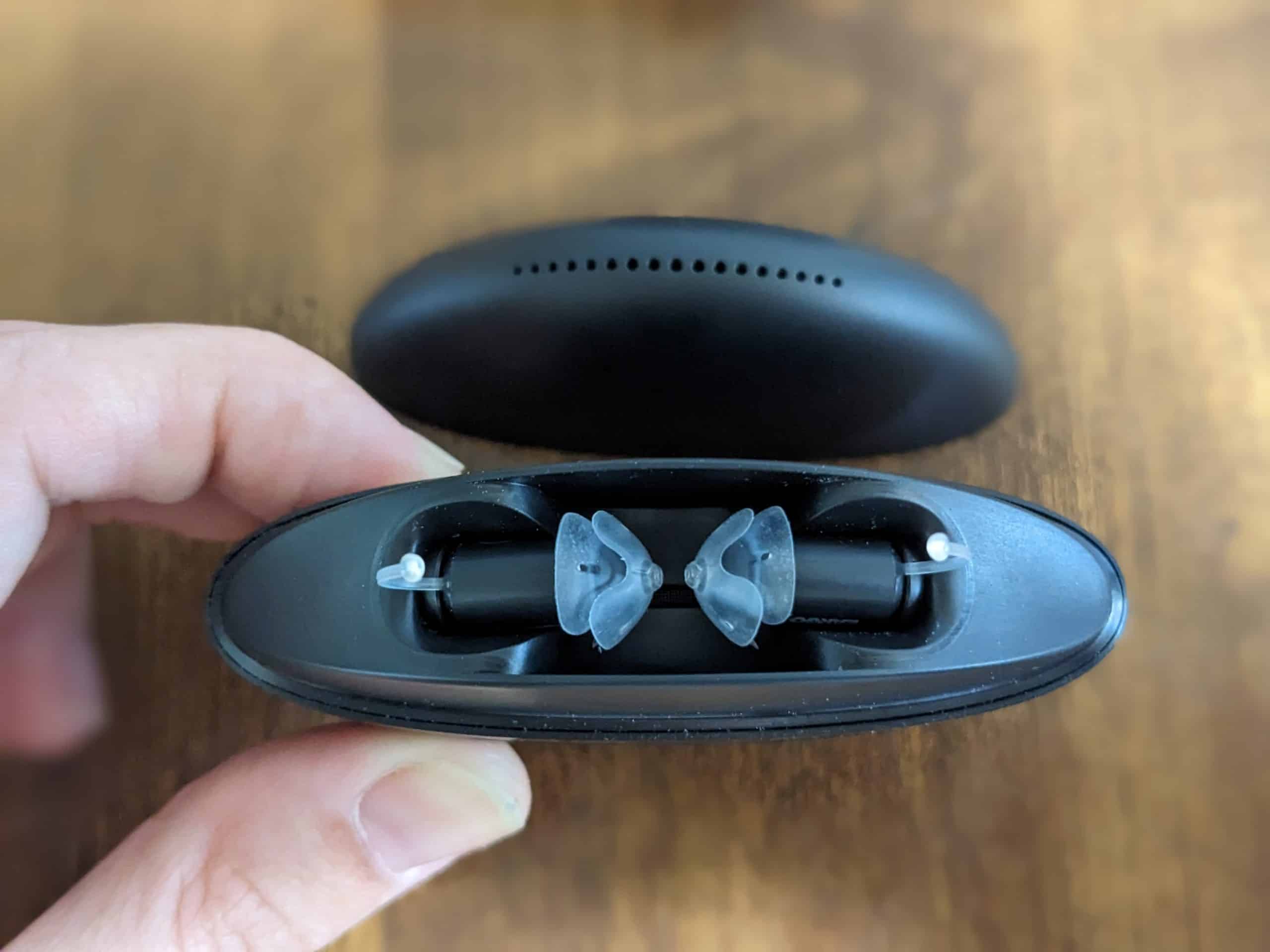
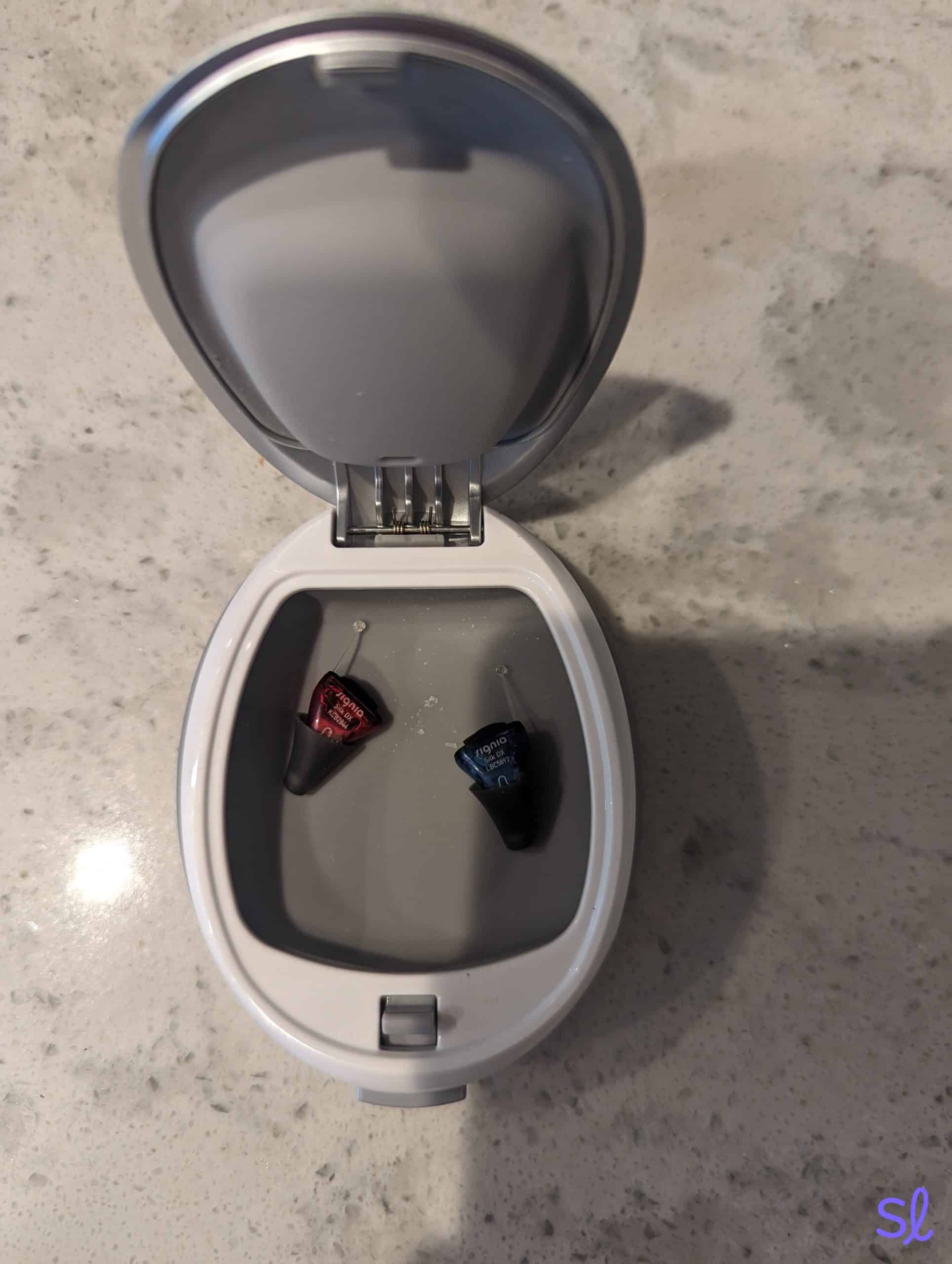
Our Experience With Signia:For active seniors who need a reliable hearing aid, we’re big fans of the long-lasting battery in the Motion Charge&Go X line. The Signia Silk Charge&GO IX doesn’t have a long battery life, but it is a CIC alternative that won’t interfere with glasses or other headwear. It gives users 24 hours of listening on a single charge.

Testing out a pair of Signia Silk Charge&GO IX hearing aids.
Signia is one of Dr. Reisman’s favorite hearing aid brands due to their innovative styles, tools for combating tinnitus, and ability to control hearing aid microphones. She highly recommends the Signia Silk Charge&Go IX because it is “a highly successful, instant fit invisible-in-the-canal device, with all the features of an advanced hearing aid that is now rechargeable. Patients love this device because of the cosmetic appeal and the sound quality.”

One of Dr. Reisman's patients wearing Signia Styletto hearing aids
Pricing
Signia hearing aids must be purchased from a hearing specialist or audiologist. Pricing varies depending on the model you select and where you buy them. Dr. Reisman estimates a single hearing aid from Signia will range from $1,000 to $3,750. That is comparable to Phonak and Starkey.
Expert InsightsFrom Dr. Ruth Reisman, AudiologistSignia has great compact chargers for patients who are always on the go.Signia and most other prescription hearing aids typically cost at least twice as much as hearing aids from OTC providers like Jabra Enhance, Eargo, and MDHearing. However, these prescription hearing aids offer advanced features that OTC options don’t. A professional will program them to fit your exact needs.
-
5. Starkey - Best travel and wellness features
 See Pricing Links to ZipHearing.com
What we like most
- Options for mild to profound hearing loss
- Health and wellness features
- Advanced AI technology
StarkeySee Pricing Links to ZipHearing.comOverview:
Testing out Starkey Genesis hearing aids
Starkey’s prescription hearing aids make hearing, traveling, and staying fit easier. The Starkey Genesis AI hearing aids allow you to hear speech comfortably and pair with the My Starkey app for advanced functions. These hearing aids can track your daily steps, the amount of time you spend standing, and your physical activity. Plus, built-in fall detection helps keep you safe.
Did You Know? Do you or a loved one struggle with mobility? Check out the best medical alert systems with fall detection.
Starkey’s translation feature can make communicating with others at home or while traveling easier. When someone speaks into your phone, the app will translate their speech on your phone’s screen and play the translated text into your hearing aids. The technology can translate over 70 languages, practically in real time!
Pros & Cons:Pros About Starkey
- App with audio reminders, translation, and activity tracking
- Built-in fall detection alerts
- Multiple hearing aid styles available
- Edge Mode+ boosts speech
- Bluetooth streaming for select devices
- Remote adjustments via video chat
Cons About Starkey
- In-office appointment required for purchasing
- One of the most expensive options on the market
- May be too advanced for some users
Our Experience With Starkey:With the Starkey Genesis AI technology and My Starkey app, active adults can exercise, travel, and run errands with confidence. The app can send reminders, like medication alerts, directly to your hearing aids. You can request remote visits via video chat, a huge boon when traveling. The Genesis AI line is available in several unique styles, allowing you to select the best model for your hearing and comfort level.
» Our Full Review: Starkey hearing aids: reviewed and tested by an audiologist
Dr. Reisman notes that “In addition to superior sound quality, the health features on [the Starkey Genesis AI] are not available in any other hearing device. The future of their fall prevention feature will assist in balance rehabilitation for individuals with peripheral vestibular disorders. Patients notice an immediate improvement in sound quality when trying these devices, including those patients wearing devices from other manufacturers.”
Expert InsightsFrom Dr. Ruth Reisman, AudiologistStarkey offers waterproof devices that can combat issues associated with perspiration.Pricing
Starkey hearing aids vary in price, depending on where you purchase them. Exact costs aren’t available online, but Dr. Reisman estimates you can spend between $1,000 and $4,000 per hearing aid. That makes Starkey one of the most expensive brands available, even for prescription hearing aids. Their industry-leading technology and wellness features, like fall detection, justify the high cost. Dr. Reisman doesn’t call the Starkey Genesis AI “the Rolls-Royce of hearing aids” without reason!
-
6. Phonak - Best fit for exercising
 See Pricing Links to ZipHearing.com
What we like most
- Solutions for mild to profound hearing loss
- Rich sound quality
- Industry-leading technology
PhonakSee Pricing Links to ZipHearing.comOverview:
Phonak offers a variety of hearing aids for all levels of hearing loss.
Phonak offers a unique hearing model designed to support your active lifestyle. Regardless of what you’re doing, you don’t need to worry about Phonak’s Lyric hearing aid falling out. This hearing aid is placed deep in your ear canal by a Certified Lyric Provider, and it stays in 24/7 for months. You can even wear it while sleeping, showering, or doing water-related activities where your head is not submerged.
» Compare Providers: Phonak vs. Starkey
Other hearing aid styles, including BTE, are more prone to falling out of your ears or loosening during movement. That’s not the case with Lyric. Instead, you can hear more naturally while you travel, exercise, and play sports. You can continue to use your phone, hearing protection, and over-the-ear headphones as you would if you didn’t have hearing aids at all. If Lyric isn’t the right fit for you, Phonak has several other high-tech solutions. They are suitable for all levels of hearing loss, regardless of your needs.
FYI: Roughly five percent of adults with diminished hearing have severe or profound hearing loss that requires prescription hearing aids from providers like Phonak or Signia.
Pros & Cons:Pros About Phonak
- Secure, snug fit
- Completely invisible solutions
- Wear the Lyric 24/7, including while playing sports, showering, and sleeping
- Water-resistant design
- Comfortable to wear with hats and helmets
- Solutions for all levels of hearing loss
Cons About Phonak
- On the pricier side
- Lyric must be replaced by your provider after removal
- In-office appointment required for purchase
Our Experience With Phonak:Although Lyric is a solid choice for sports, exercising, and water activities like boating or fishing, it isn’t suitable for swimming. Lyric cannot be submerged underwater. If you need a rechargeable, fully waterproof hearing aid, Phonak offers the Audéo Life BTE model. However, it doesn’t have Lyric’s fit or “set it and forget it” design.
It’s essential to remember that if you remove the Lyric device to go swimming, you must visit your hearing care specialist to have a new pair inserted. Thus, a removable pair like Audéo Life or alternatives from Signia or Starkey would be better for active seniors who enjoy swimming.
» Our Full Review: Phonak hearing aid reviews
According to Dr. Reisman, Phonak offers some of the best solutions for severe to profound hearing loss available. Their devices are often the only solution for patients with these higher levels of hearing loss. Similar to other prescription hearing aids, Dr. Reisman fine-tunes these devices and custom programs them for her patients’ unique hearing needs.

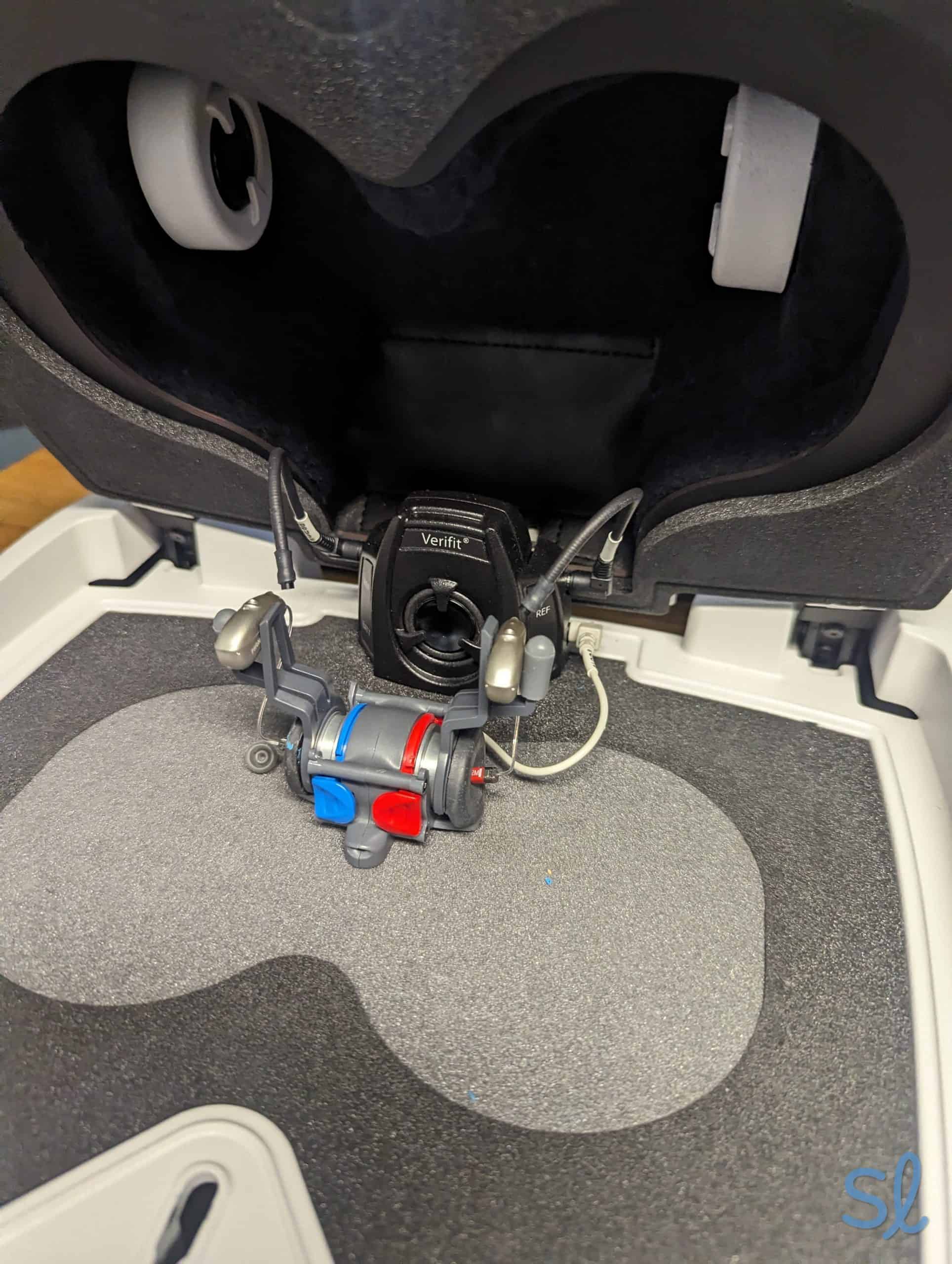
Dr. Reisman uses Verifit equipment to test Phonak hearing aids and ensure the best experience for her patients.
Pricing
Pricing for Phonak’s hearing aids varies depending on your location and doctor. However, expect to pay more than you would for OTC hearing aids. Dr. Reisman estimates these prescription hearing aids cost anywhere from $1,000 to $3,750 per device. Unlike Phonak’s other models, the Lyric is sold on a subscription, as the hearing aids need to be replaced every few months. Your subscription covers replacement hearing aids and the cost of your appointments for a set period, typically one year.
Learn More: Phonak and Signia are two well-known names in the hearing aid industry. See how the two stack up in our Phonak vs. Signia comparison.
Tips for Wearing Hearing Aids During and After Exercise From an Audiologist
Wearing hearing aids while exercising makes working out safer and more enjoyable. You can easily hear your surroundings, directions from your exercise instructor, and conversations. Plus, if you purchase a pair with Bluetooth streaming, you can enjoy music while exercising.
» Also Check Out: How to put in hearing aids
Just be sure to follow some precautions to keep your hearing aids in tip-top shape before and after exercising.
Don’t wear hearing aids while swimming
Many modern hearing aids are water-resistant, but very few are waterproof. Do not wear hearing aids while swimming or any activity that involves fully submerging your head. It’s also a good idea to wear earplugs when swimming to keep water from entering your ears. That way, when you put your hearing aids in after a swim, your ears are dry.
Be smart about how you dress
If you wear BTE or RIC hearing aids, certain outfits may interfere with them. Hats, helmets, hooded sweatshirts or shirts, sunglasses, and other forms of eye protection can potentially displace your hearing aids as you exercise. Take extra care when putting on or removing these items or articles of clothing.
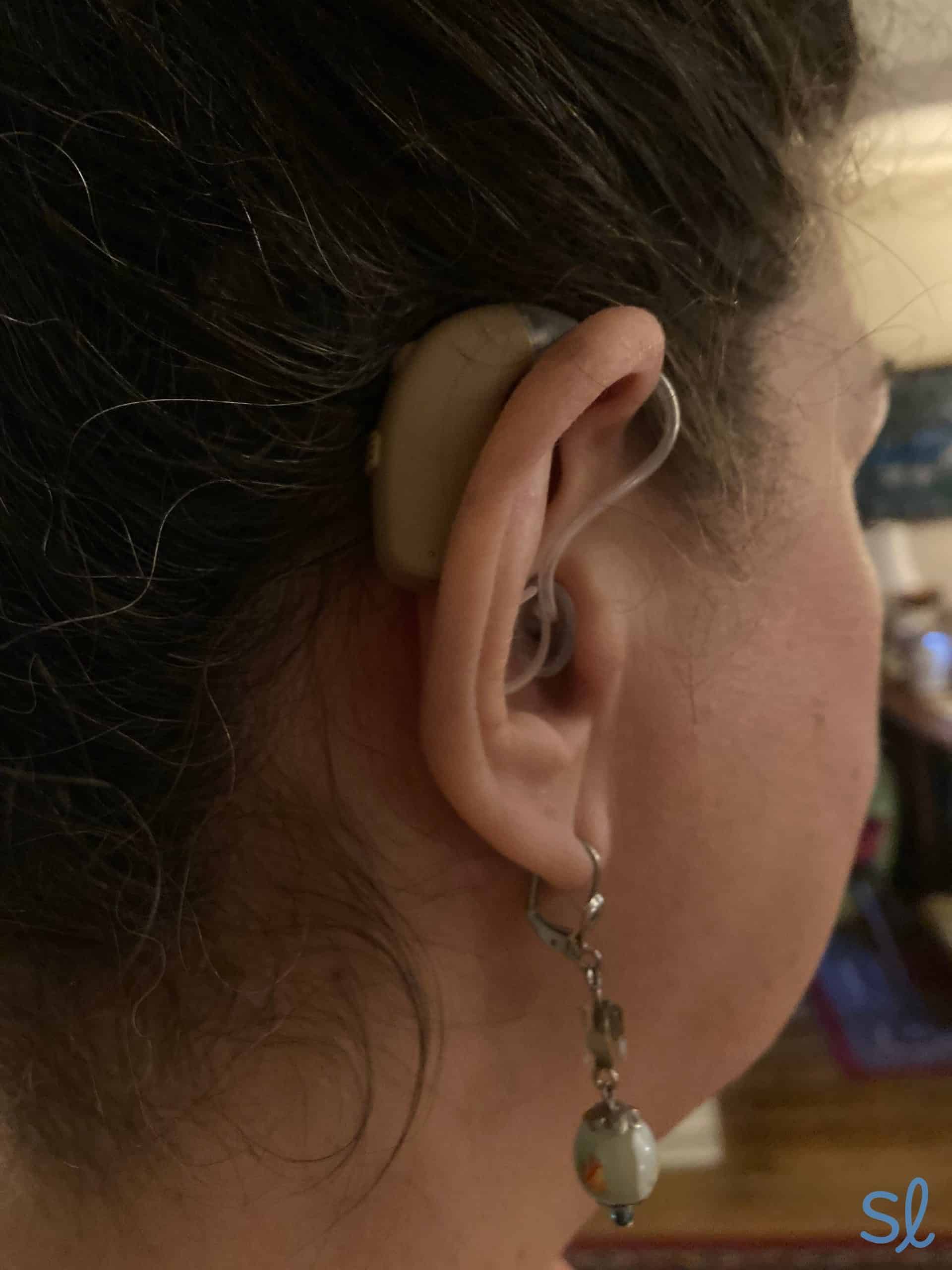
BTE hearing aids, like MDHearing's VOLT, may get in the way of certain types of exercise.
Use hearing aid accessories
Consider using hearing aid accessories to keep your hearing aids protected when exercising.
- Hearing aid clips: These clips attach to your clothing and your hearing aids. So, if your hearing aids get knocked out during a contact sport or when running, they won’t fall to the ground.
- Sweat socks: Also labeled as sweat sleeves or sweat-resistant pouches, sweat socks fit around the case of your BTE hearing aid. They block moisture and sweat from entering the circuitry.
Clean and dry your hearing aids after exercise
After each workout, it’s important to clean and dry your hearing aids. Your particular hearing aid model should come with specific cleaning instructions. Be sure to follow these or ask your hearing aid provider for tips.
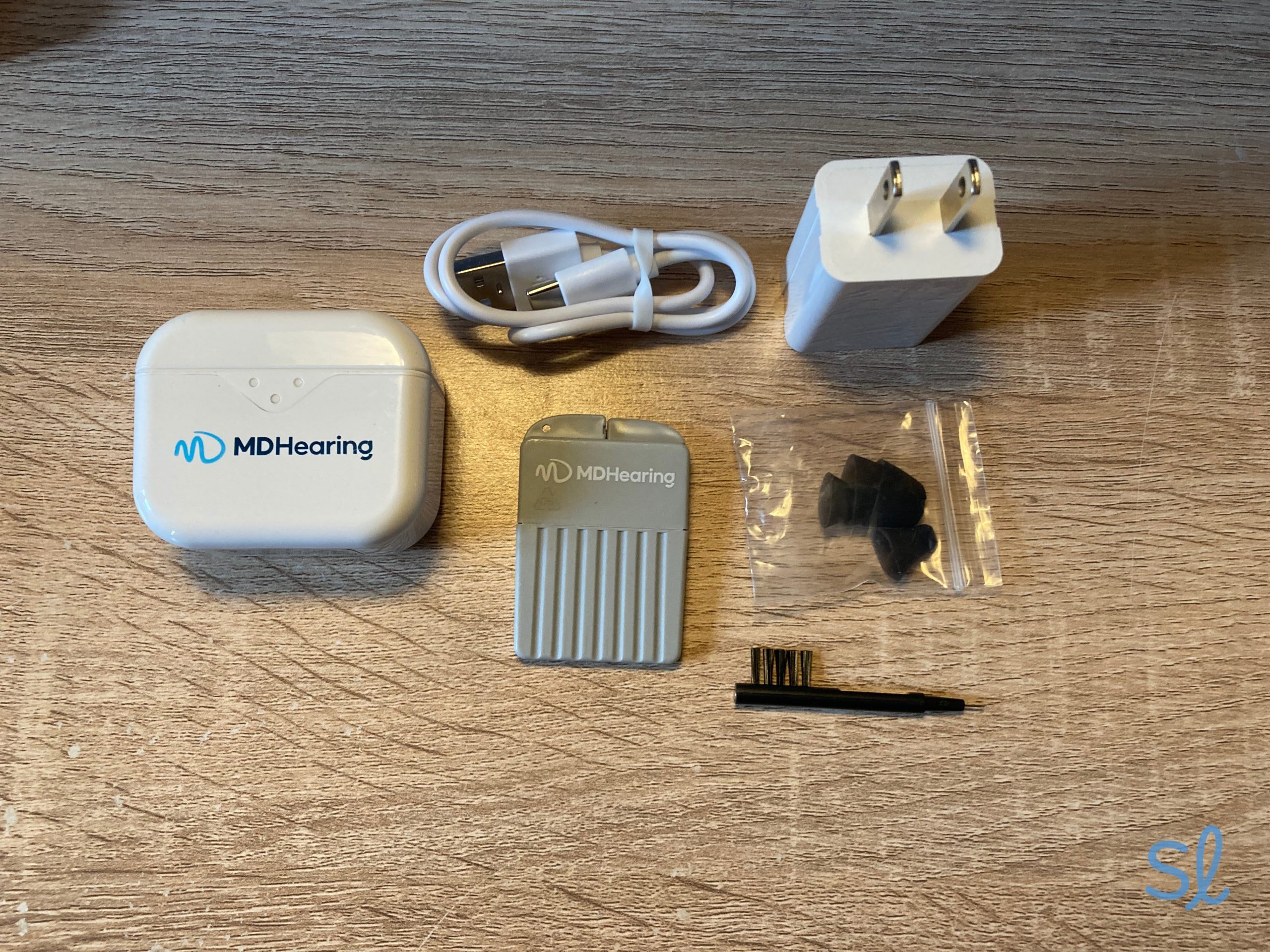
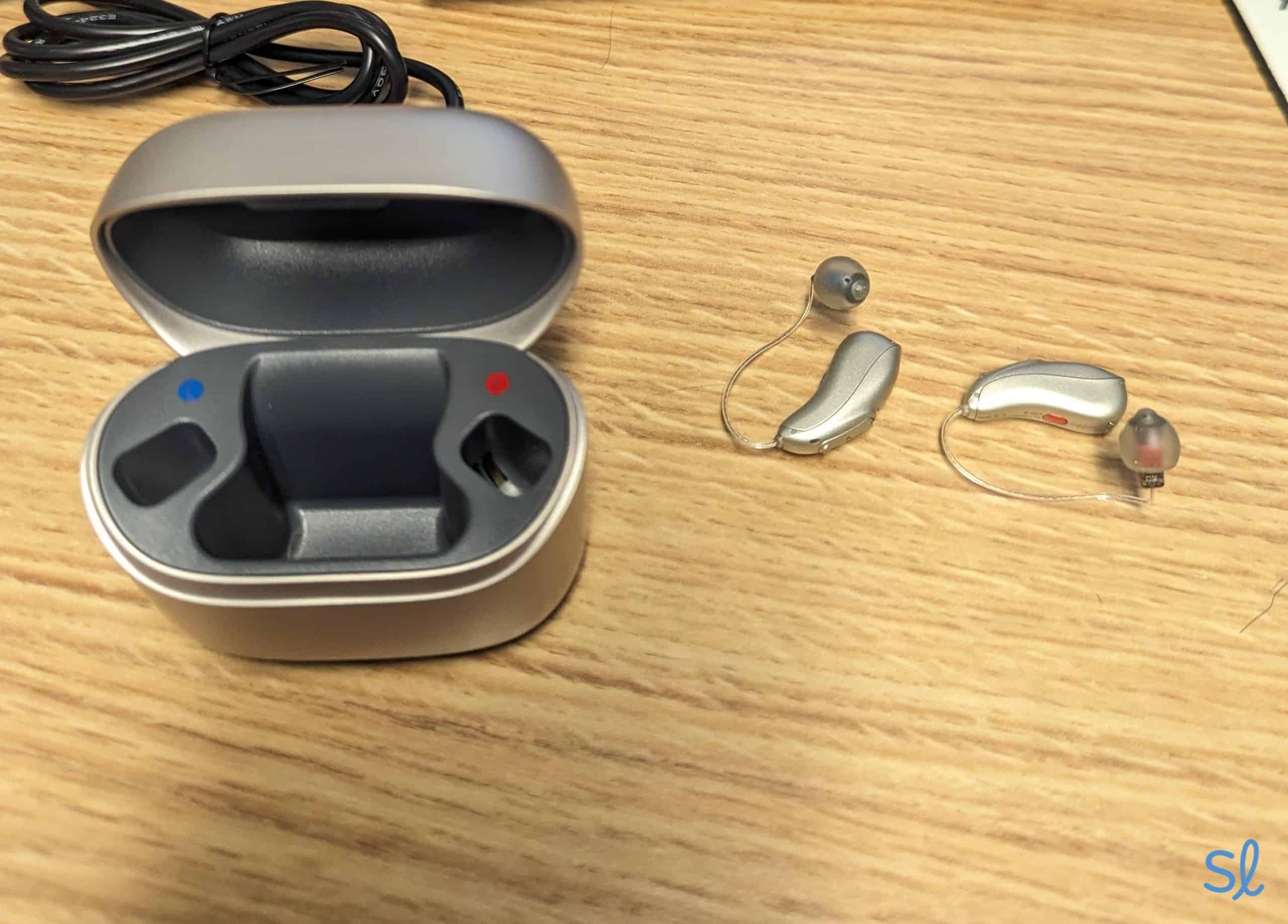
Hearing aids typically come with cleaning tools, as seen in our NEO XS package from MDHearing.
In general, you can use a clean, dry cloth and/or a dry box to remove moisture. Hearing aids can sit in a dry box or dehumidifier for as little as 45 minutes or overnight. You should sanitize your hearing aids to remove any dirt and wax. Finally, it’s helpful to shower before putting your hearing aids back in to wash the sweat from your hair and ears.
Did You Know? Studies have found that a lack of physical activity may be related to hearing loss.2
Dr. Reimsan offers her additional helpful tips, including:
- Select a high-activity model: Opt for hearing aids designed for active lifestyles. Some models are more resistant to moisture and sweat.
- Use sweatbands or covers: Wearing a sweatband can help absorb moisture before it reaches your hearing aids. There are also specialized hearing aid covers available that can provide additional protection against sweat.
- Regular maintenance: Check and replace the hearing aid filters and batteries on a regular basis. Sweat can cause corrosion, so maintaining them can prevent issues.
- Avoid excessive heat: Keep your hearing aids away from extreme temperatures, including the sun or hot environments like saunas, as best you can.
- Secure fit: Ensure your hearing aids fit properly and are secured with any appropriate accessories, such as retention clips or molds, to prevent them from falling out during activity.
- Keep batteries charged: Keep spare batteries or a charger to ensure you're always on air.
Choosing a Style of Hearing Aid Based on Your Activity
There are many factors to consider when selecting a hearing aid. For example, how well can it adapt to your lifestyle? If you spend a lot of time exercising, consider a hearing aid that suits the activities you enjoy.
Exercise Intensity
Low-intensity exercise
If you enjoy walking, yoga, or other gentle activities, receiver-in-canal (RIC) and behind-the-ear (BTE) hearing aids are a good fit. You can wear either style while performing low-intensity exercise with little chance of your hearing aids coming loose.
Did You Know: Studies have found that a lack of physical activity may be related to hearing loss. 3
High-intensity exercise
If you prefer high-impact or high-intensity exercise, such as running or playing team sports, RIC or BTE hearing aids are more likely to fall out of your ears and are more vulnerable to moisture, including sweat. Instead, consider in-the-canal (ITC), completely-in-canal (CIC), or invisible-in-canal (IIC) hearing aids.
These smaller styles of hearing aids stay in place better as you run, jump, and make quick movements. They’re also more comfortable to wear with a helmet while batting, biking, or horseback riding. Eargo even offers an earbud-style hearing aid, ideal for streaming music or podcasts during your workout. They’re very discreet since they appear to be earbuds.
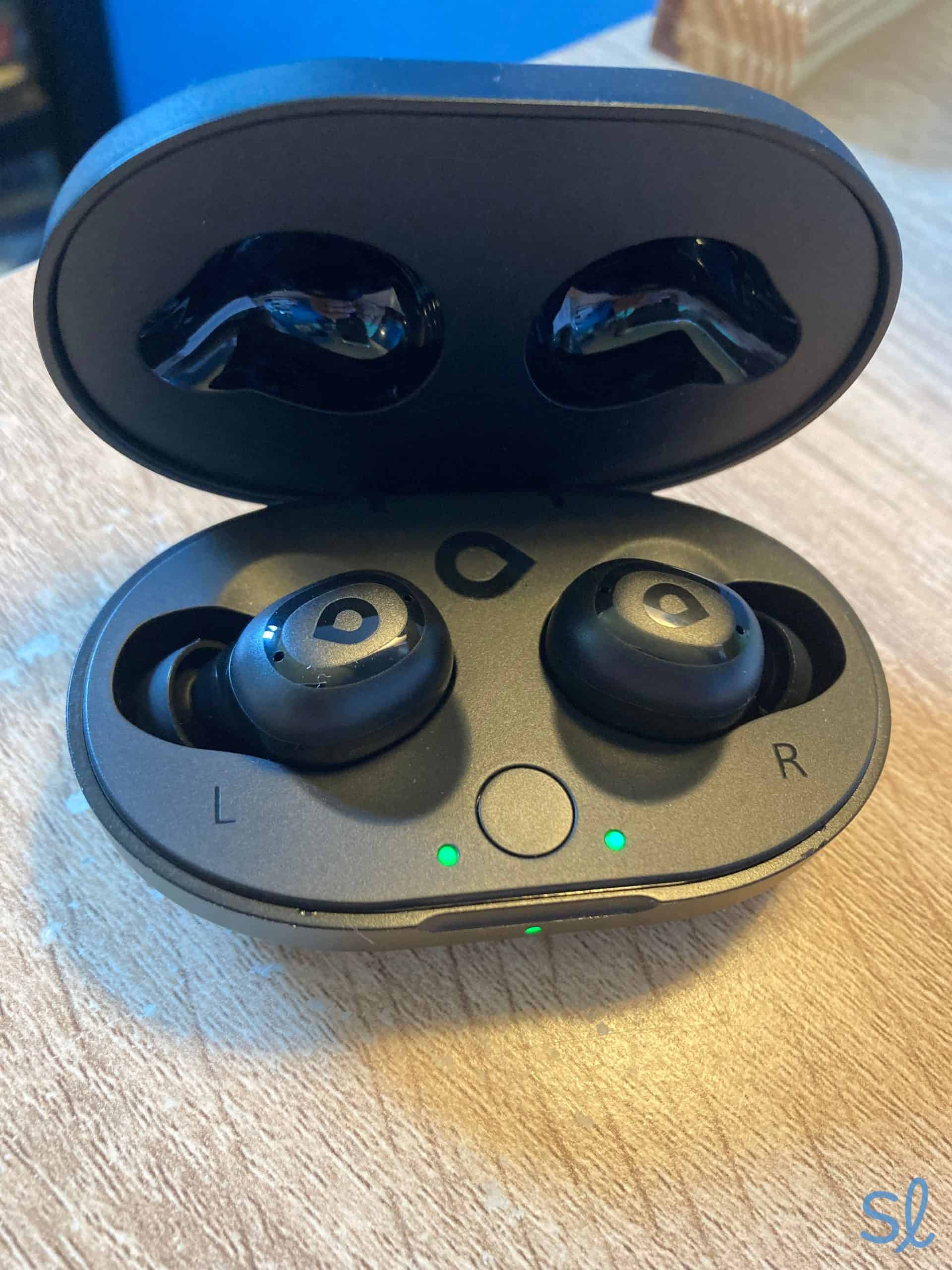
Testing out LINK by Eargo, the company's earbud-style hearing aids.
Exercise Location
Outdoors
Although most hearing aids offer some level of wind cancellation, certain styles pick up wind noises more than others (i.e., ITE hearing aids). If you enjoy running or playing other sports outdoors, consider a different style of hearing aid. Prioritize models with advanced wind cancellation features.
Indoors
Any style of hearing aid is compatible with indoor exercise. Focus more on the type of exercise you do indoors when selecting your hearing aid.
More Hearing Aid Resources for Active Seniors
We’ve tested, compared, and ranked hearing aids for a variety of different needs:
- Best Android-compatible hearing aids
- Best Bluetooth hearing aids
- Best behind-the-ear hearing aids
- Best hearing aids for severe hearing loss
- Best hearing aids for those with Alzheimer’s disease
- Best hearing aids for tinnitus
- Best invisible hearing aids
- Best hearing aids for one-sided hearing loss
- Best Made-for-iPhone hearing aids
- Best rechargeable hearing aids
Also, watch our video below with another audiologist on our panel of experts, Dr. Brad Ingrao. He discusses how to choose the right hearing aid for you with SeniorLiving.org Editor-in-Chief Jeff Hoyt.
Frequently Asked Questions About Hearing Aids for an Active Lifestyle
-
Can you play sports with hearing aids?
Yes, you can play sports while wearing hearing aids. You may just need to take some precautions, such as wearing a headband, using a sweat-resistant hearing aid pouch, or attaching your hearing aids to your clothes with a clip in case they fall out.
-
How do you stop hearing aids from sweating?
Sweat can damage your hearing aids if you don’t take steps to combat it. You can prevent sweat from entering BTE hearing aids by using hearing aid sweat socks or Teflon Placing your hearing aids in a dry box or dehumidifier overnight can remove moisture from them, too.
-
Can I wear a helmet with hearing aids?
Yes, you can. Styles that sit in your ear, such as CIC or ITC, are more comfortable with a helmet. You also won’t risk pulling your hearing aids out of your ears when removing your helmet. It can be a problem when you wear a helmet with BTE or RIC hearing aids.
-
Can you wear hearing aids in the water?
Certain styles and brands of hearing aids are more resistant to water than others, making them a better option for water activities like fishing or boating. However, you should generally avoid wearing your hearing aids if your head will be submerged underwater.
- U.S. Department of Health and Human Services. (2023). Physical Activity Guidelines for Americans.
-
National Institute on Aging. (2021). 3 studies link hearing loss with less physical activity among older adults.
-
National Institute on Deafness and Other Communication Disorders. (2024). Quick Statistics About Hearing.