Best Cheap Hearing Aids for Seniors, Tested and Reviewed in 2026
Jabra Enhance is our top choice for affordable hearing aids, offering excellent value and follow-up care.


SeniorLiving.org’s resident audiologists and tech experts tested the industry’s leading hearing aids and narrowed the list to our top affordable picks.
How We Tested the Hearing Aids
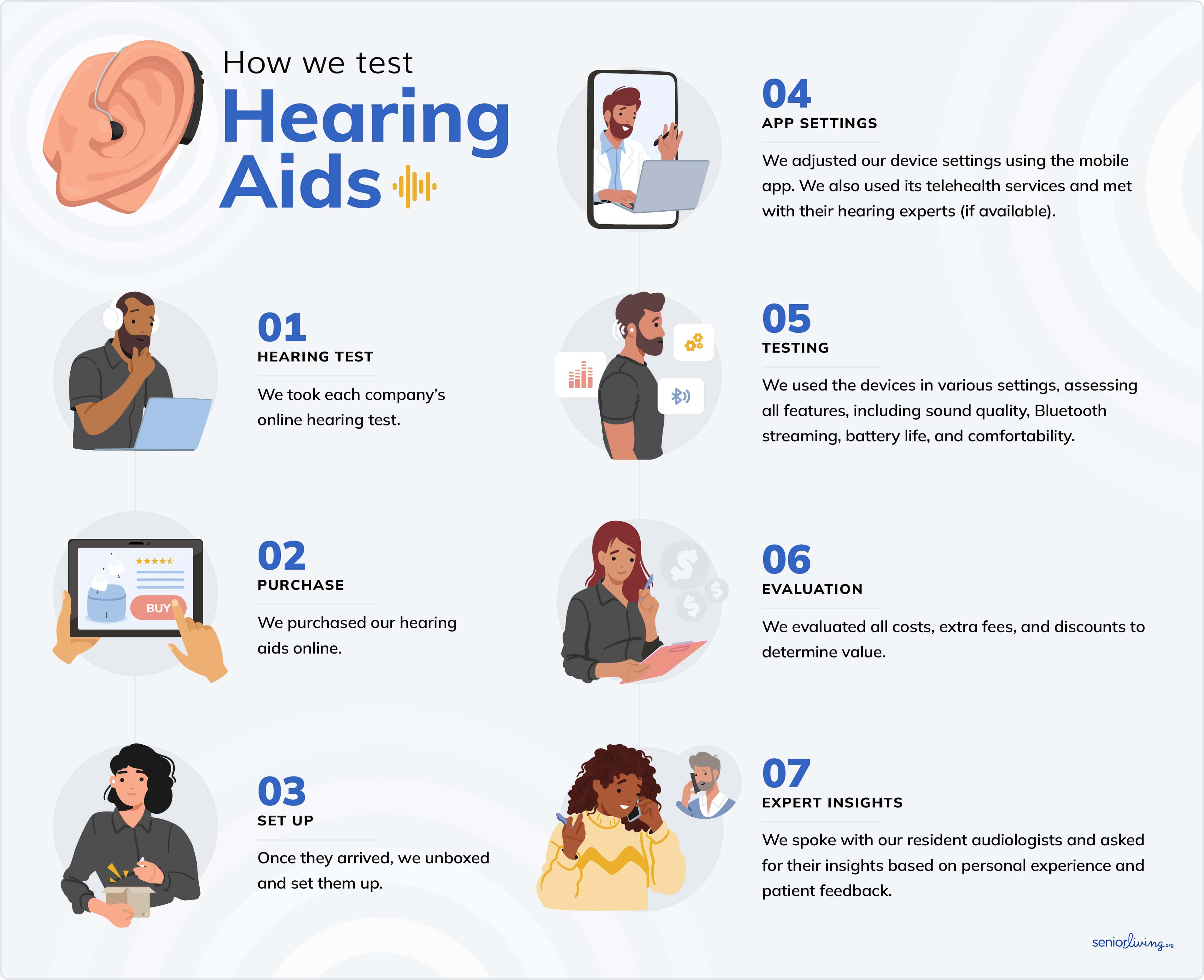
Our tech team conducted over 100 hours of hands-on testing to compare the top affordable hearing aids. We evaluated efficacy, upfront costs, and long-term expenses for budget-conscious users.
Here’s what our testing process looked like for OTC hearing aids that are available online:
- We tried each brand’s online hearing test, comparing results to audiologist evaluations.
- We purchased hearing aids and evaluated the buying process, considering purchase price, value, promotions, and fees. We compared costs to prescription hearing aids we’ve tested.
- Once the devices arrived, we followed setup instructions. For brands with mobile apps, we downloaded and set them up, evaluating ease of use.
- We contacted customer service multiple times via phone, app, and online chat to evaluate care quality.
- Our team tested each hearing aid for a week at home, in noisy environments, and in quiet conversational settings, evaluating features, sound quality, and ease of use.
For prescription hearing aids that can’t be ordered online, we spoke with Dr. Reisman about her expertise with each brand. We combined her experience in prescribing and testing these hearing aids with her patients’ feedback to evaluate and rank them. Dr. Reisman also spoke with us about patients’ experiences and the costs they encountered when seeking refittings, repairs, or replacements for their hearing aids.
How We Chose the Best Hearing Aids
Our tech experts collaborated with resident audiologist Dr. Ruth Reisman to gain hands-on experience with the best hearing aid brands. After testing various models, we assembled a list of the best affordable options. To make the cut, providers needed to meet the following criteria:
- Price and value. Hearing aids had to be affordable and offer solid value. We considered warranties, which help lower costs if devices don’t work properly.
- A good reputation. These hearing aid companies were already on our radar for providing top-quality devices. Some have been around for decades, while others established themselves in the 2010s.
- Payment options. Lump-sum payments can be difficult for seniors on fixed incomes. We vetted products offering flexible payment options.
- A return period. The providers on our list offer at least 45-day return policies, allowing you to test devices and receive refunds if needed.
Why Trust Us
Our team of tech experts has spent hundreds of hours testing and reviewing affordable hearing aids.
We worked with experts like resident licensed audiologist Dr. Ruth Reisman, who has personally tested and prescribed hearing aids from providers on this list. She helped us choose the best options for older adults on fixed incomes or those seeking lower-cost devices.
She offered feedback on specific models and firsthand experience prescribing them to patients with different budgets. Dr. Reisman has over 15 years of experience working with older adults with hearing loss.
SeniorLiving.org is supported by commissions from providers listed on our site. Read our Editorial Guidelines

- Prices starting at $1,195 per pair
- 100-day risk-free trial
- Three years of follow-up care

- Prices starting at $297 per pair
- 45-day risk-free trial
- Lifetime support

- Prices starting at $799 per pair
- 45-day risk-free trial
- Lifetime support
Contents
Millions of older adults avoid hearing aids due to cost. A single pair of prescription hearing aids can cost thousands of dollars, and Medicare doesn’t cover hearing aids or hearing exams related to hearing aid selection.1 This leaves many older adults without optimal hearing support, posing risks to their overall health.2 Beyond physical dangers—like being unable to hear traffic or sirens—there's the loneliness factor. Being cut off from conversation can isolate seniors, even when physically surrounded by others.
The good news is you don’t have to spend a fortune on quality hearing aids. Thanks to over-the-counter hearing aids and affordable financing options, more older adults than ever can afford them. Our tech experts and audiologists tested, compared, and ranked the best and most affordable hearing aids on the market. We evaluated each brand on cost, value, trial period, reputation, and payment options. We found that Jabra Enhance offers the best affordable hearing aids, thanks to exceptional follow-up care and high-tech devices.
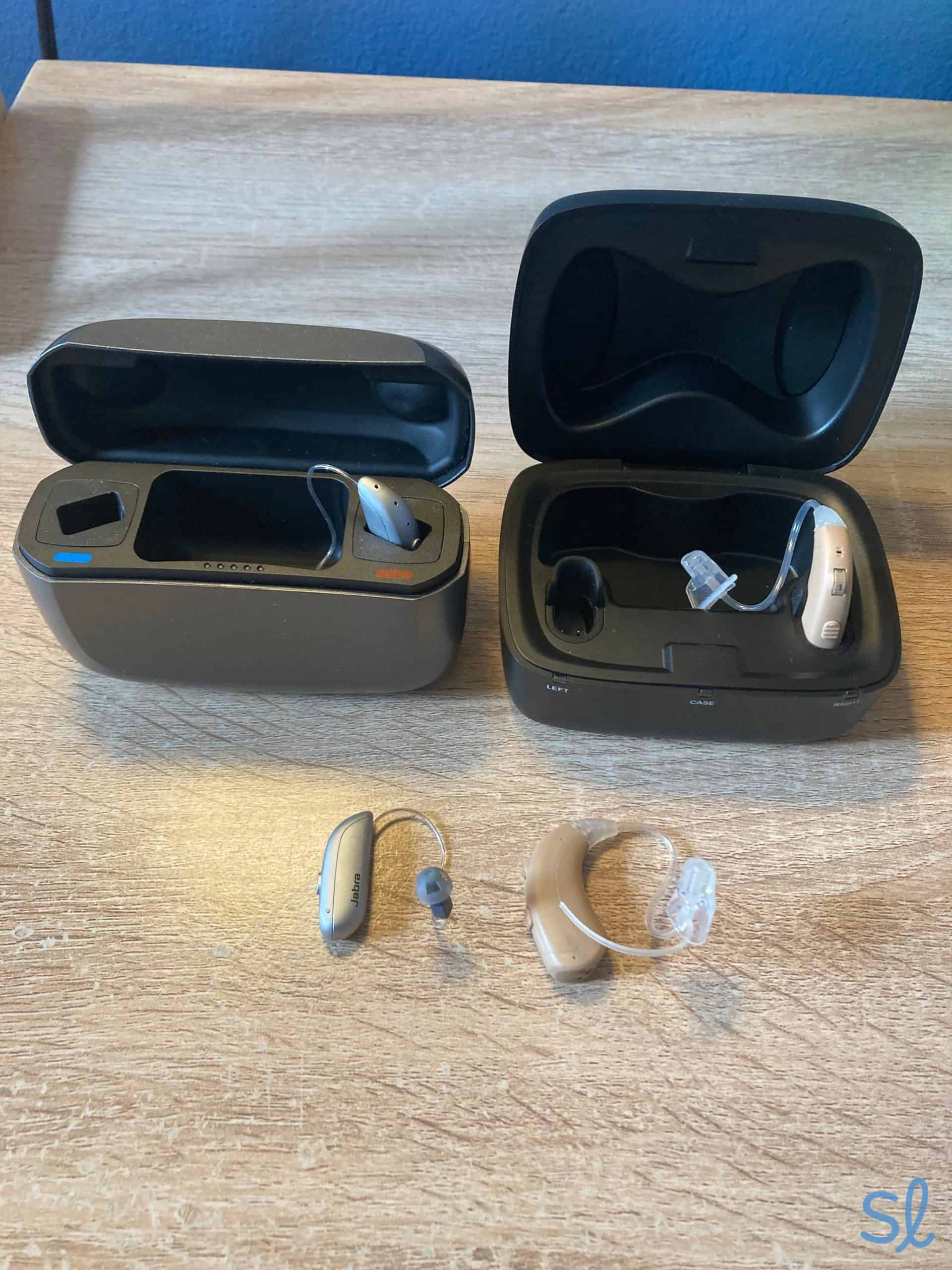
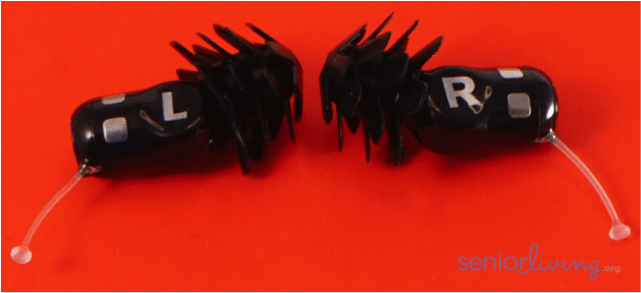
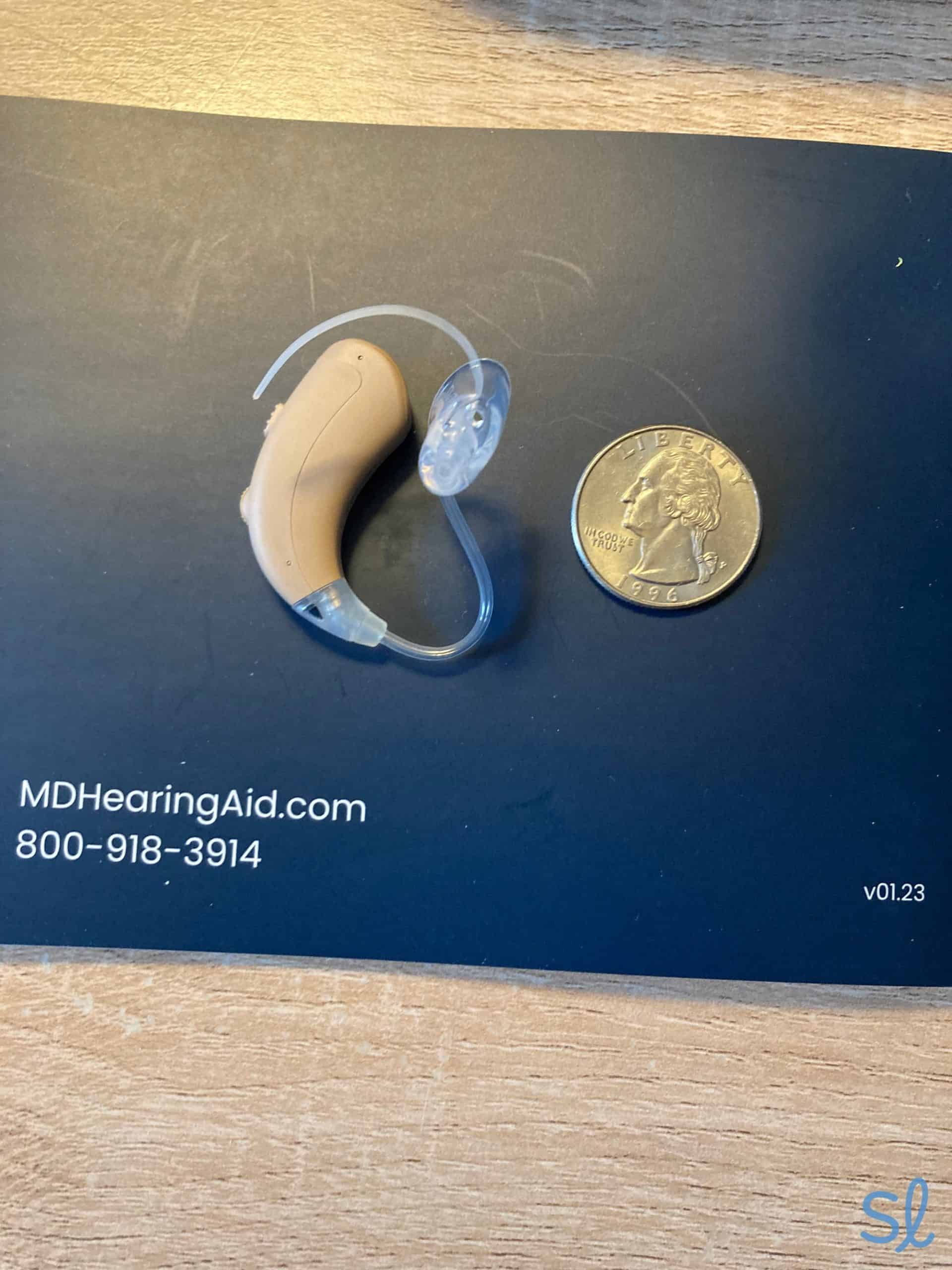
We tested all of the hearing aids on our list, including MDHearing and Jabra Enhance devices.

The Best Cheap Hearing Aid Providers in 2026
Comparing the Best Cheap Hearing Aids
| Brand | Starting price | Hearing aid type | Hearing aid style | Battery life | Warranty | Financing options |
|---|---|---|---|---|---|---|
| Jabra Enhance | $1,195 per pair | OTC | BTE, Mini BTE | Up to 24 hours | 3 years | Yes |
| MDHearing | $297 per pair | OTC | BTE, ITE | Up to 30 hours | 1 year | Yes |
| Eargo | $799 per pair | OTC | ITE, earbud | Up to 16 hours | 2 years | Yes |
-
1. Jabra Enhance - Best value
See Pricing Links to Jabra EnhanceWhat we like most
- Prices starting at $1,195 per pair
- 100-day risk-free trial
- Three years of follow-up care
Jabra EnhanceSee Pricing Links to Jabra EnhanceOverview:
Jabra Enhance Select 300 hearing aids
Price: $1,195 to $1,995 per pair
Warranty: Up to 3 years
Designed for: Mild to moderate hearing loss
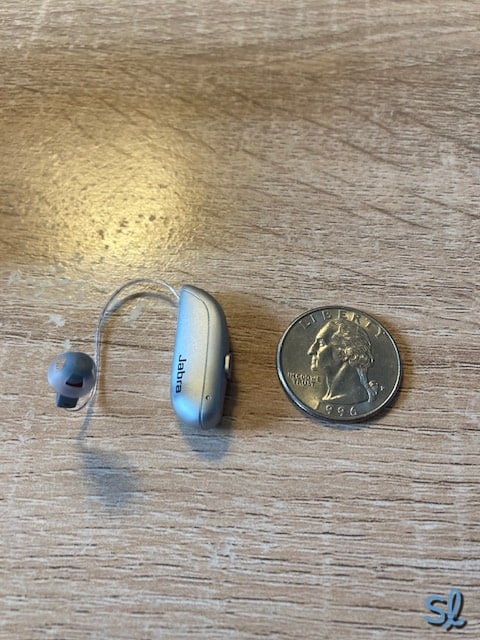
Jabra Enhance offers reasonably priced behind-the-ear (BTE) hearing aids, starting at $1,195 per pair. They also offer affordable accessories and follow-up care to enhance your hearing experience and get the most from your purchase. In our experience, Jabra Enhance hearing aids have rich, full sound with better quality than many other over-the-counter (OTC) options, including MDHearing. Plus, the follow-up care from Jabra Enhance’s team is top-notch.
Jabra Enhance’s TV Streamer accessory turns your hearing aids into wireless headphones, streaming your TV audio straight to your hearing aids, even from across the room. The MultiMic is a portable microphone that streams speech to your ears, helping you hear better in challenging listening situations. Their Android Phone Clip+ streams calls and music from older Android phones or Bluetooth devices to your hearing aids.
Jabra Enhance is a stellar option for those with mild to moderate hearing loss. Unfortunately, like most OTC hearing aid providers, Jabra Enhance doesn’t have solutions for severe or profound hearing loss. You may need a prescription hearing aid provider, such as Signia or Phonak, for better (albeit more expensive) options. Dr. Reisman notes, “Jabra Enhance hearing aids can be a great solution for someone who is independently tech savvy and wants an affordable and flexible solution to manage their hearing loss and tinnitus.”
» Related Reading: Best Android-compatible hearing aids
Pros & Cons:Pros About Jabra Enhance
- 100-day risk-free trial
- Free shipping and returns
- Free online hearing test
- Three-year warranty and audiologist support
- Mobile app for making adjustments
- Direct streaming from Apple and Android devices
Cons About Jabra Enhance
- Limited style options (BTE only)
- Not suitable for severe or profound hearing loss
Pricing and Our Hands-on Experience:Price
- Enhance Select 50R: $1,195 per pair
- Enhance Select 300: $1,695 per pair
- Enhance Select 700: $1,995 per pair
Jabra Enhance prices are low compared to those of traditional prescription hearing aids. Plus, consumers benefit from three years of personalized care from a Jabra Enhance audiologist.
This increases the value of Jabra Enhance hearing aids. If you're on the fence about Jabra Enhance, they offer a 100-day risk-free trial. That's more than three months to try out the devices and decide if they're the right fit for you.
The most affordable Jabra Enhance model is the Enhance Select 50R, which starts at $1,195. However, you’ll need to upgrade for more advanced tech for complex listening situations and Bluetooth LE Audio connectivity. The two alternative models are the Enhance Select 300 and the Enhance Select 700, with starting prices of $1,695 and $1,995, respectively. These prices aren't nearly as low as MDHearing, which starts at $297 per pair, but they offer better sound quality and more bang for your buck. All Jabra Enhance models include customized programming, a three-year warranty, and three years of audiologist support. If it's outside your budget, you may prefer a comparable hearing aid from MDHearing or Eargo.
» Our Full Review: Jabra Enhance hearing aids review
Our Experience With Jabra Enhance
One of the best parts of choosing Jabra Enhance is the pricing transparency. You can buy any of their three models directly from the company’s website and see exactly what perks and features you get for the price. We ordered the Jabra Enhance 300 and received them in the mail in just three days.
The hearing aids arrived with simple instructions on how to set them up. We got all our questions answered during the initial programming appointment (via Zoom) with a Jabra Enhance audiologist. Our tech expert didn’t experience any feedback noise when putting the hearing aids in or taking them out. We found the sound quality was crisp, clear, and natural.
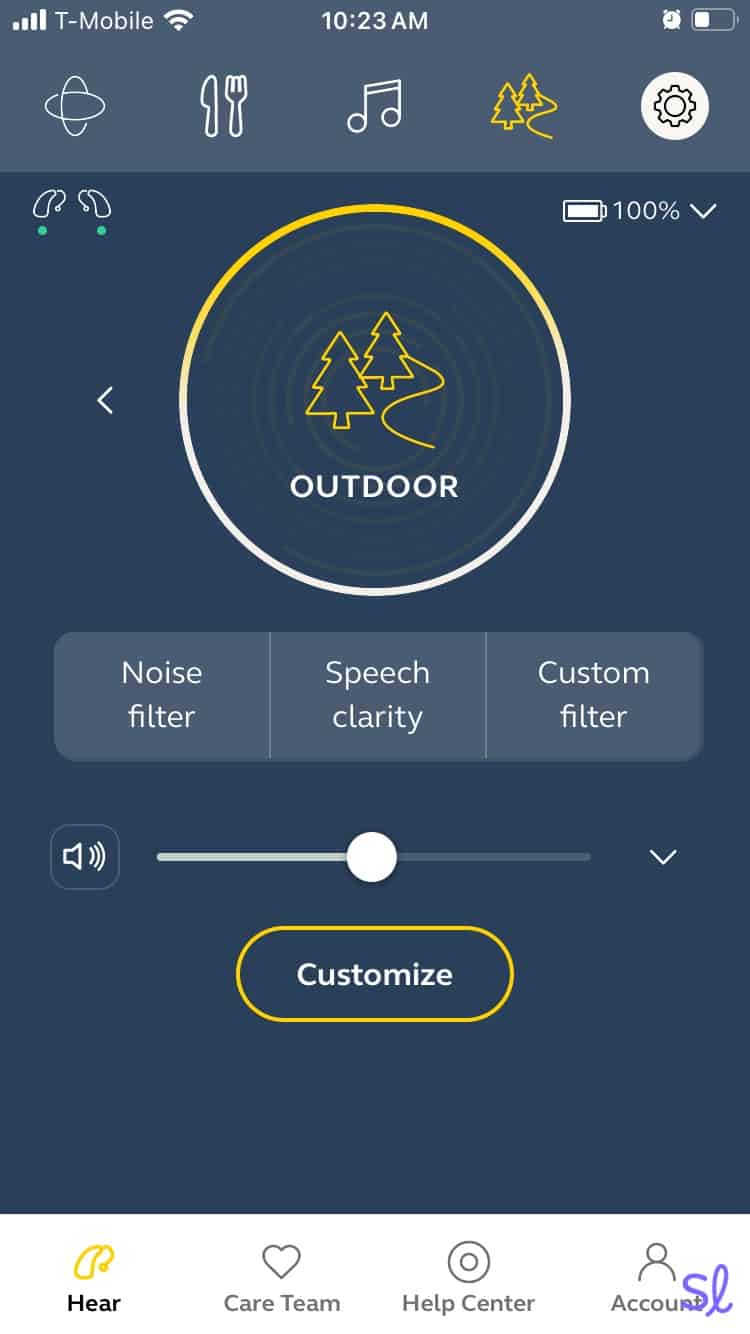
During our review of the Jabra Enhance Select 300, we needed to change the wires based on the audiologist's recommendation, and we had to handle this process ourselves. It wasn't time-consuming, but it could prove challenging for seniors with dexterity issues. We also had the option to schedule additional appointments with an audiologist if we needed the devices reprogrammed. The Jabra Enhance mobile app made it easy to make adjustments and customizations on the fly.

Making adjustments using the Jabra Enhance mobile app
-
2. MDHearing - Most affordable
See Pricing Links to MDHearingWhat we like most
- Prices starting at $297 per pair
- 45-day risk-free trial
- Lifetime support
MDHearingSee Pricing Links to MDHearingOverview:Price: $297 to $597 per pair
Warranty: 1 year
Designed for: Mild to moderate hearing loss

MDHearing offers BTE and in-the-ear (ITE) hearing aids that can be bought as a pair or as a single hearing aid, starting at $297 per pair. This gives you more options than Jabra Enhance, especially if you're looking for something more discreet or only need one hearing aid. MDHearing runs discounts on their hearing aids year-round. You can even score free accessories and other perks during certain promotions.
Those who aren't looking for anything fancy may want to consider MDHearing. They offer six hearing aids to accommodate various budgets and technology preferences. You get a reliable, reasonably priced hearing aid without any fuss. While you can buy a single left- or right-side hearing aid, the company reserves the highest discounts for buying in pairs.
» Related Reading: Best hearing aids for single-sided hearing loss
Pros & Cons:Pros About MDHearing
- Reasonable prices
- 45-day risk-free trial
- In-canal and BTE models
- Smartphone app for adjusting hearing aids
- U.S.-based customer support
- Free shipping
Cons About MDHearing
- Best discounts only available when bought in pairs
- Not suitable for severe to profound hearing loss
Pricing and Our Hands-on Experience:Price
- MDHearing AIR: $297 per pair
- MDHearing NEO: $297 per pair
- MDHearing NEO XS: $397 per pair
- MDHearing NEO XS PRO: $597 per pair
- MDHearing VOLT 4: $397 per pair
- MDHearing VOLT MAX: $597 per pair
The cost of a pair of MDHearing devices is a fraction of what you’ll pay for other OTC brands like Eargo or Jabra Enhance. Their lowest-priced BTE model (MDHearing AIR) is $297 per pair, thanks to the company’s ongoing sale, which is affordable for most budgets. You can also get the more discreet MDHearing NEO at the same price. MDHearing offers payment plans for those who need them.
If you don't mind paying a bit more, the MDHearing NEO XS is $397 per pair and offers discreet, in-canal designs. For even more advanced models, MDHearing offers the NEO XS PRO and the VOLT MAX, both $597 per pair.
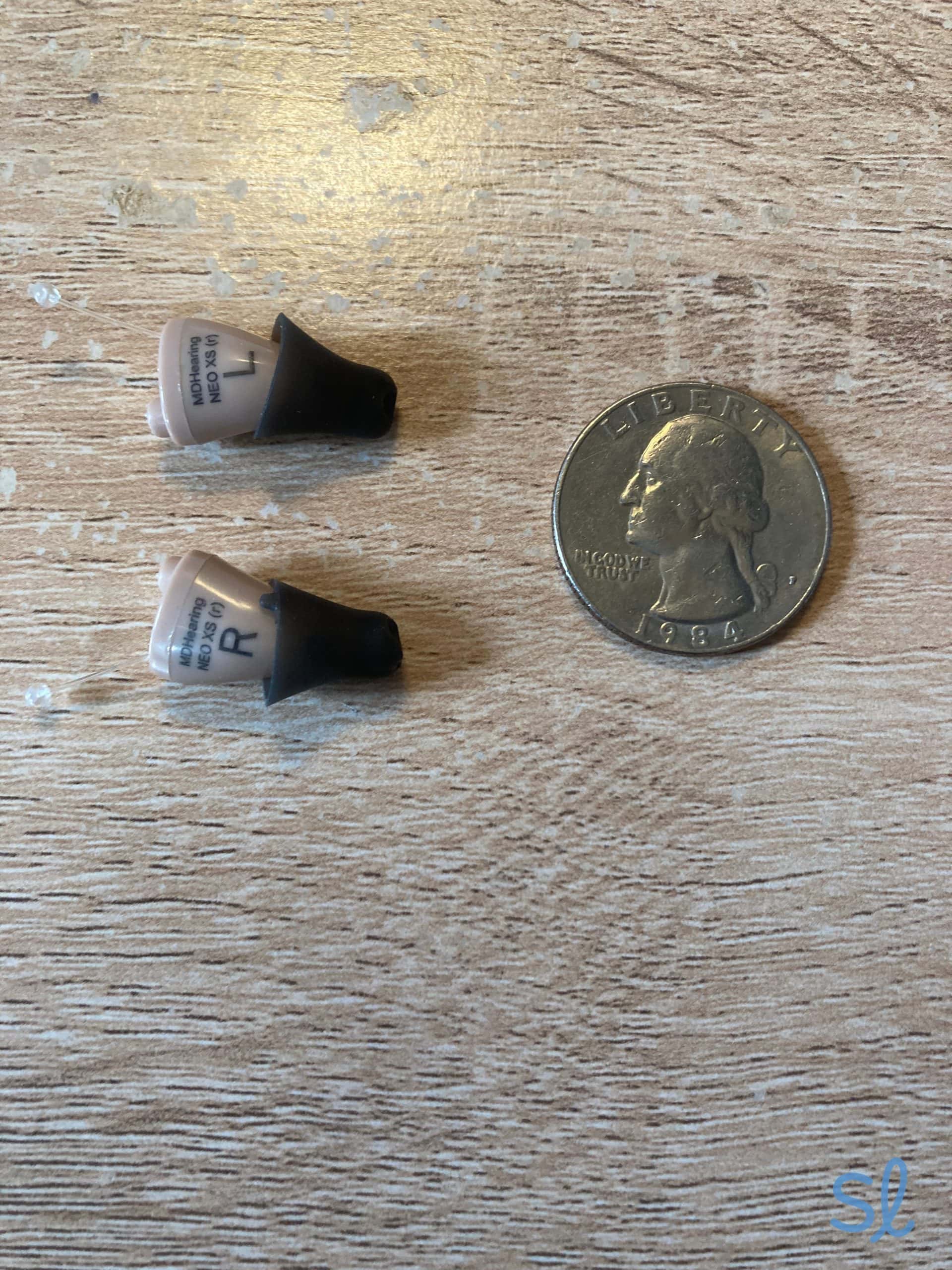
MDHearing's ITE hearing aids, including the NEO XS that we've tested, are small and discrete.
Alternatively, the MDHearing VOLT 4 is a BTE model with better sound quality and more ways to reduce background noise, priced at $397 per pair. If you're unhappy with your purchase, MDHearing offers a 45-day risk-free trial. While this is about half the length of Jabra Enhance's 100-day risk-free trial, it still allows you enough time to test your devices and receive a full refund if you're unsatisfied. We also appreciate that, like Eargo, MDHearing offers lifetime remote support at no extra cost.
Our Experience With MDHearing
We tested the MDHearing VOLT 4 and NEO XS to compare the company's different offerings. The NEO XS is designed to be in-canal, but we had to adjust the domes for a more comfortable fit. Much like changing the wires on the Jabra Enhance Select 300, this was slightly challenging alone.
However, the lack of in-person help is part of the OTC hearing aid experience. If you're looking for in-person support from a hearing professional, we'd recommend upgrading to a prescription hearing aid. While they are more expensive, they offer in-depth hearing screenings, customization, and follow-up care.
Our tech expert noticed a feedback sound when inserting the VOLT 4 and NEO XS models. This vanished over time. While this may not be a huge issue, it can be annoying for some. The devices also lacked the additional features of more expensive OTC hearing aids from Jabra Enhance and Eargo.
 Expert InsightsFrom Dr. Ruth Reisman, AudiologistSome MD Hearing models may provide more amplification than required for a mild to moderate loss. So, if things sound too loud, they might be. You can navigate this by reducing the volume to the lowest setting and slowly navigating to a volume that is comfortable for the user. Alternatively, the in-the-ear models tend to have more appropriate gain levels.
MDHearing offers a mobile app for adjustments that can be made remotely with a hearing care professional or directly on the devices themselves. This is convenient for those comfortable with technology. However, those without smartphones or less tech-savvy users can still navigate settings directly on the devices. The company doesn't offer Bluetooth hearing aids, so if you want to stream sound directly from your phone or TV, we'd recommend other OTC providers, such as Jabra Enhance.
» Our Full Review: MDHearing reviews
-
3. Eargo - Most Discreet
See Pricing Links to EargoWhat we like most
- Prices starting at $799 per pair
- 45-day risk-free trial
- Lifetime support
EargoSee Pricing Links to EargoOverview:Price: $799 to $2,699 per pair
Warranty: Up to 2 years
Designed for: Mild to moderate hearing loss

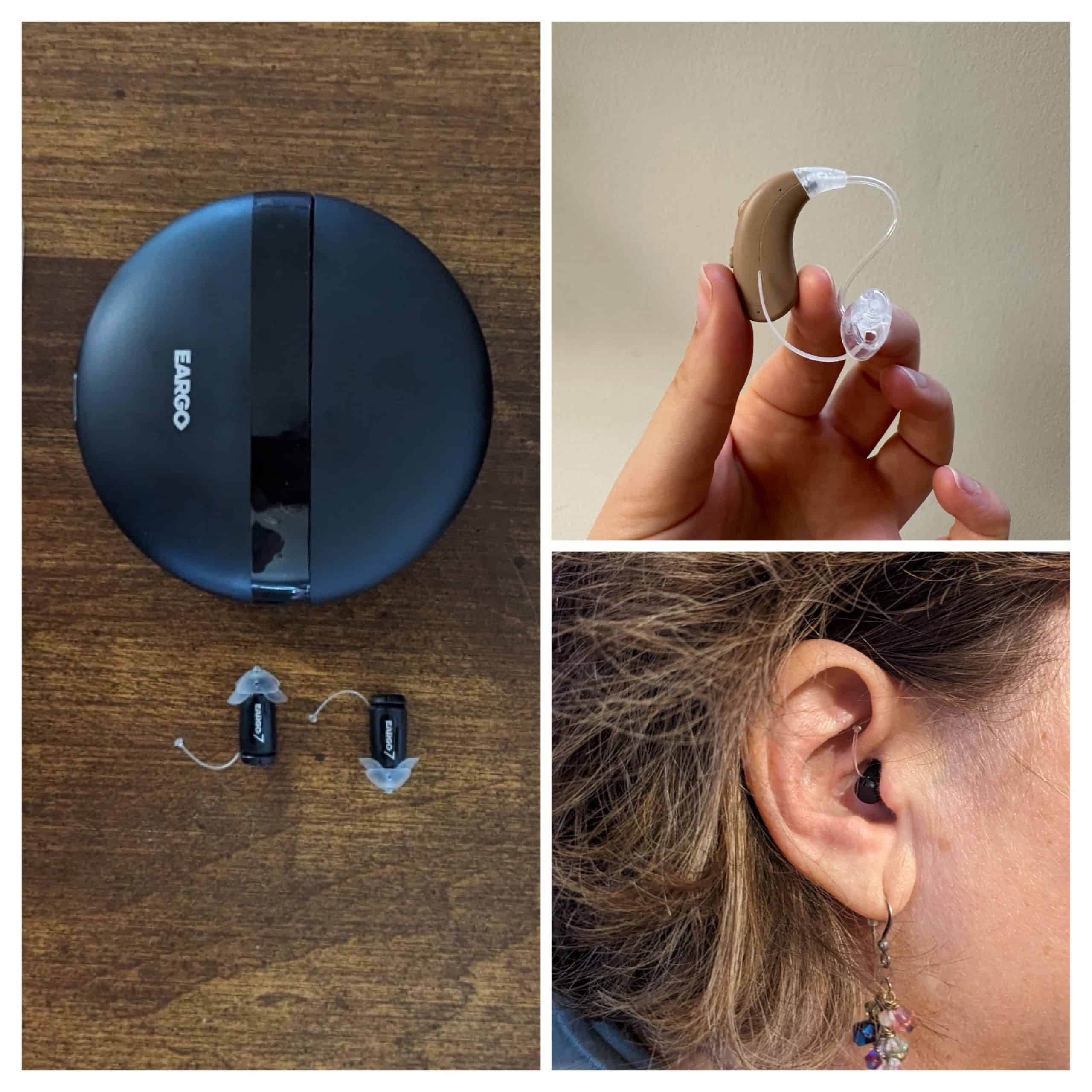
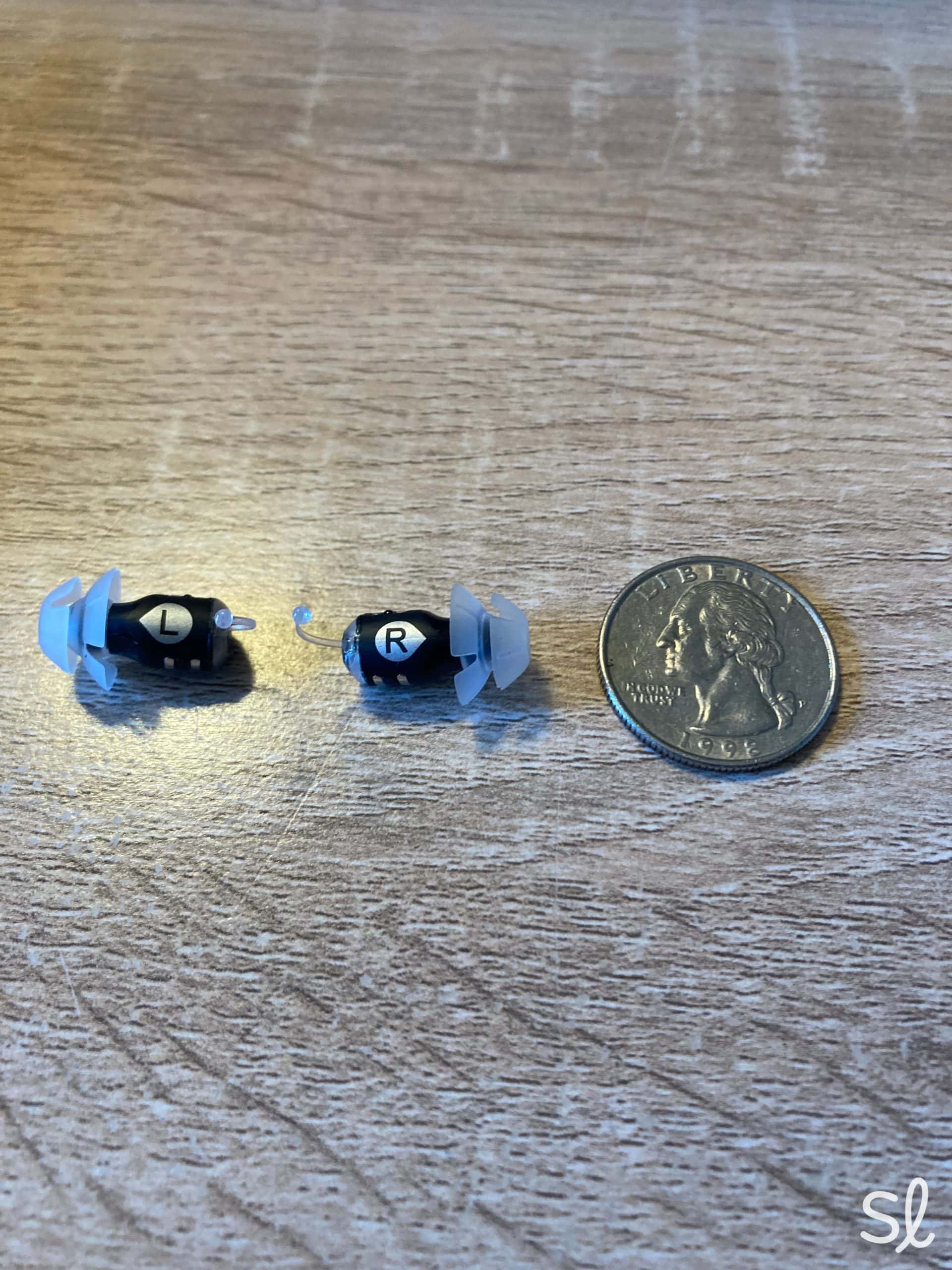
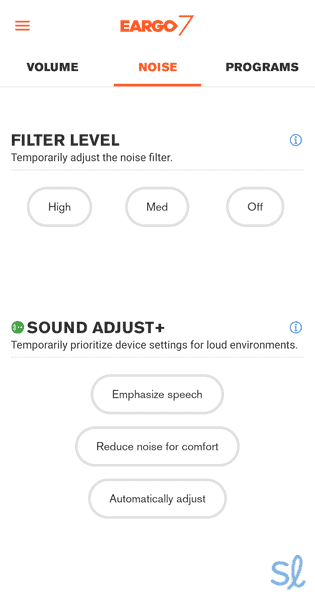
We’re impressed with the sleek design and affordability of Eargo’s in-the-ear products, starting at $799 per pair. They have two in-ear and one earbud-style models, all rechargeable and nearly invisible for daily comfort. Each pair includes a charging case, lifetime customer support, and a one- or two-year warranty. The Flexi Palms and ear tips on the devices also make for a comfortable fit for most ear shapes and sizes. One of our favorite Eargo features is the mobile app, which makes remote adjustments and customizations a breeze.
» Our Full Review: Eargo hearing aid review
Similar to the other OTC brands on our list, Eargo’s devices are designed for mild to moderate hearing loss. For more severe hearing loss, budget options may not provide enough support. Always consult a specialist if you have additional questions.
Expert InsightsFrom Dr. Ruth Reisman, AudiologistIf Eargo is an option for your hearing loss and discretion is very important to you, Eargo hearing aids are certainly worth a try. Eargo also recently released a prescription hearing aid that can be customized by an audiologist.Pros & Cons:Pros About Eargo
- Flexible financing options
- 45-day money-back guarantee
- Nearly invisible devices
- Free shipping
- Smartphone app that can adjust most of the models
- Lifetime telecare support
Cons About Eargo
- Only in-the-ear styles are available
- Not suitable for severe or profound hearing loss
- Relatively short listening time on a single charge
Pricing and Our Hands-on Experience:Price
- LINK by Eargo: $799 per pair
- Eargo SE: $1,699 per pair
- Eargo 8: $2,699 per pair
Eargo's top models are among the highest-priced hearing aids on our list. They range from $799 to $2,699 per pair. For comparison, Jabra Enhance's top-tier model, the Enhance Select 700, costs $1,995 per pair. That's around $1,000 less than the Eargo 8.
That said, Eargo's devices are all rechargeable and nearly invisible, which is worth the higher price for some users. The company offers monthly payment options starting at $26 per month if you're budgeting.
Each Eargo model is different. The earbud-style LINK by Eargo is the most affordable option. It features Bluetooth connectivity but isn’t compatible with the mobile app. It only offers up to nine hours of listening time on a single charge. On the other hand, the completely-in-canal models (Eargo SE, Eargo 6, and Eargo 7) cost more and lack direct-to-device Bluetooth streaming. These models offer a bit more discretion and allow for longer battery life, with up to 16 hours of listening time. You'll need to consider which model works best for your budget and needs.
» Learn More: Best rechargeable hearing aids March 2026
Our Experience With Eargo
When we tested Eargo’s hearing aids, we found them best suited for individuals new to hearing aids who want a discreet, rechargeable option. You can find less expensive BTE hearing aids from Jabra Enhance or MDHearing, but you won’t find an in-the-ear, rechargeable option with advanced features for much less. Eargo also comes with an intuitive mobile app, but it was disappointing to see that the app only works with newer Android devices or iPhones. It's also not compatible with the LINK by Eargo.

Using the Eargo app to adjust our hearing aid settings
We would have liked more listening time with each charge. All Eargo charging cases hold at least two charges, but none offer a full 24 hours of listening time on one charge. While 16 hours is sufficient to get you through the day if you set your Eargo SE or Eargo 8 to charge overnight, we found the LINK by Eargo had to be charged in the middle of the day for more than nine hours of use.
The Runners-Up
While our team picked Jabra Enhance, MDHearing, and Eargo as the best affordable hearing aids on the market, other contenders almost made the cut. Here are a few runners-up you may want to consider:
- Lexie: This online-only company offers BTE hearing aids for mild to moderate hearing loss, with models ranging from $299 to $999. Plus, the Lexie app makes it easy to adjust the volume and settings to match your noise environment. Check out our Lexie review to learn more about our hands-on experience with the brand.
- Otofonix: Otofonix offers BTE OTC hearing aids that start at $249 per pair. Depending on your budget, some models are rechargeable and can be adjusted through an app on your smartphone. The most affordable options use traditional batteries. In our Otofonix review, we found the devices are best for individuals with mild to moderate hearing loss who don’t spend time in challenging sound environments.
- Signia: Signia offers innovative and stylish hearing aids suitable for every level of hearing loss, from mild to profound. Keep in mind that Signia only offers prescription hearing aids, which can cost twice as much (or more) than most OTC alternatives. However, they offer excellent value. Learn more in our Signia hearing aid review.
- Phonak: Like Signia, Phonak is a fantastic option for older adults with severe or profound hearing loss. The prices may not be as predictable or competitive as OTC hearing aids, but they do offer more advanced, in-person support from hearing care professionals. Learn more about Phonak’s offerings in our 2026 Phonak review.
Pro Tip: If you want a more discreet hearing aid, check out our guide to the best invisible hearing aids.
Things to Consider When Choosing an Affordable Hearing Aid
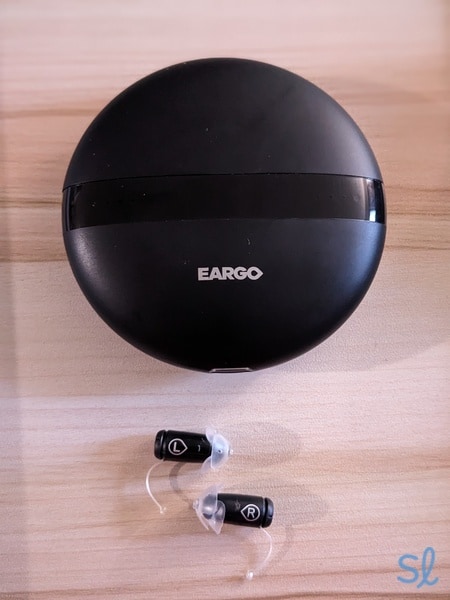
Testing out Eargo 7 hearing aids
When shopping for an affordable hearing aid, it’s helpful to list what you want in a hearing aid. Whether you pay a few hundred dollars or a few thousand, they are an investment in your hearing health, so don’t make a rushed decision.
Here are a few questions to ask yourself during the shopping process:
- Will these hearing aids work for my level of hearing loss?
- If I’m new to hearing aids, will the provider offer enough support and resources for me?
- What kind of warranty does the provider offer?
- Is there a trial period? If so, how long is it?
- Does the provider offer financing options?
- How much will replacement batteries cost if I choose a model with traditional batteries?
- Are features like sound streaming, rechargeability, and remote adjustments important to me, or can I do without them?
How Much Do Hearing Aids Cost?
Hearing aids come at a wide range of prices. Depending on your needs, you may pay hundreds or thousands for a pair of hearing aids. Hearing aids from top-tier brands, such as Widex, Starkey, and ReSound, might cost up to $8,000 per pair for the latest technology and custom-fit aids. You can purchase these prescription hearing aids through your hearing care professional.
The high price tag usually includes in-person adjustments from a licensed professional, cleanings, repairs, and routine hearing exams. You're getting more than just hearing aids, which adds to the value. For older adults who struggle with technology or have profound hearing loss, cognitive decline, or reduced dexterity, this assistance can be extremely valuable or even necessary.
Money-saving tip: Our experts go in-depth on the cost of hearing aids. Learn everything you need to know in our hearing aid cost guide.
On the other hand, if you are well-versed in new tech and have mild to moderate hearing loss, ordering hearing aids online for a lower price is another option. These affordable hearing aids range from $250 to $3,000 per pair.
That's still significantly less than the cost of prescription hearing aids. While you'll get improved hearing with these lower-priced options, you typically won't get in-person support or a custom fit.
What Factors Impact the Cost of Hearing Aids?
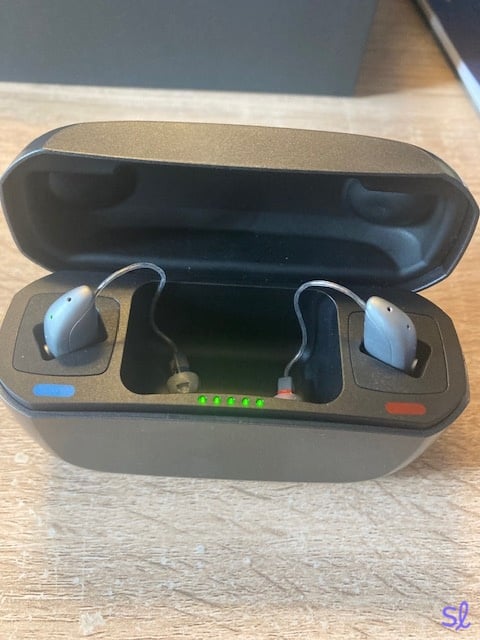
Jabra Enhance hearing aids offer advanced features for an OTC hearing aid, so they are more expensive than more basic OTC models from other brands.
Like any device, the cost of hearing aids can vary based on multiple factors, from the brand to the technical capabilities of the model you choose. Here are the most common factors that can impact the cost of hearing aids:
- Prescription vs. OTC: This is one of the most important factors when determining the price of hearing aids. Some brands are OTC-only, others are prescription-only, and still others offer both types of hearing aids. Over-the-counter options became available in October 2022, after the FDA finalized its rule to make hearing aids more accessible to people who couldn't afford prescription models, and they've transformed the market by offering quality devices at lower price points. Keep in mind prescription hearing aids cost more because they include in-person fittings and adjustments with a hearing professional.
- Level of hearing loss: Typically, low-cost hearing aids are suitable for mild to moderate hearing loss. You’ll have to pay more if you need a hearing aid for severe or profound hearing loss. All hearing aids for severe or profound hearing loss are prescription-only.
- Advanced tech: If you want the latest technology to enhance speech recognition using AI or Bluetooth streaming to enjoy your favorite TV shows or music, you’ll have to pay more. On the other hand, if you just want a basic hearing aid that amplifies sound and reduces feedback (and not much else), you can save by foregoing advanced features.
- Style: The hearing aid style can significantly impact the price in many cases. For example, a tiny ITE or CIC hearing aid will often cost more than a standard BTE hearing aid. However, this isn’t always the case. BTE hearing aids are much larger, allowing for more advanced features. Consider both the style and the level of tech when shopping for affordable hearing aids.
How Can I Save Money On Hearing Aids?
Since over-the-counter hearing aids became available in the U.S. in October 2022, they've opened up affordable hearing care to millions of older adults. One of the best ways to save money on hearing aids is to compare OTC providers and take advantage of risk-free trial periods to see which ones work best for your needs.
You may also be eligible for financial assistance in purchasing hearing aids. The Hearing Aid Project has a full list of organizations in your state that provide resources for those who need hearing aids but can’t afford them. Other options to consider include your state’s Medicaid program, the Veterans Health Administration, or even private insurance.
FYI: Check out our guide on how to get free or discounted hearing aids to learn more!
Hearing Aid Scams
It feels good to get a great price on an item, especially something as valuable as hearing aids. Unfortunately, scammers often try to prey on older adults in need of low-cost products, including hearing aids.
We pride ourselves on standing with older adults to protect them from fraud and scams. Beware of offers for “free” hearing aids or marketing gimmicks that attempt to lure you into a rushed decision. Trust your gut; if the deal sounds too good to be true, it probably is!
Additional Hearing Aid Resources
Want to compare your options? We’ve tested and reviewed hearing aids for several other categories to help you find the right device for your needs.
FAQs
-
Are cheap hearing aids worth buying?
While buying the cheapest hearing aids may result in poor sound quality, annoying feedback, and frequent repairs or replacements, buying low-cost hearing aids can be a great investment. Over-the-counter brands like MDHearing offer some of the most affordable hearing aids on the market without sacrificing quality.
-
Do $99 hearing aids work?
If you find hearing aids for less than $100 per pair, proceed with caution—they’re probably not a good investment. They are far more likely to break or provide poor sound quality. You’re better off spending a bit more for a quality brand. Remember the adage: you get what you pay for!
-
How long do cheap hearing aids last?
Longevity depends entirely on the brand, the style, and even how you use your hearing aids. That said, you can typically expect an affordable pair of hearing aids to last for at least two to three years with regular use. If you buy from a quality provider like Eargo or Jabra Enhance, they could last up to five years.
-
What is an affordable alternative to hearing aids?
Personal Sound Amplifiers (PSAPs) offer adults with hearing loss a way to amplify sound in their immediate environment for less than traditional hearing aids. However, these products are more basic than most hearing aids and cannot offer the same quality listening experience.
-
Medicare.gov. (n.d.) (2021). Hearing Aids.
-
John Hopkins Medicine. (n.d.) (2021). The Hidden Risks of Hearing Loss.