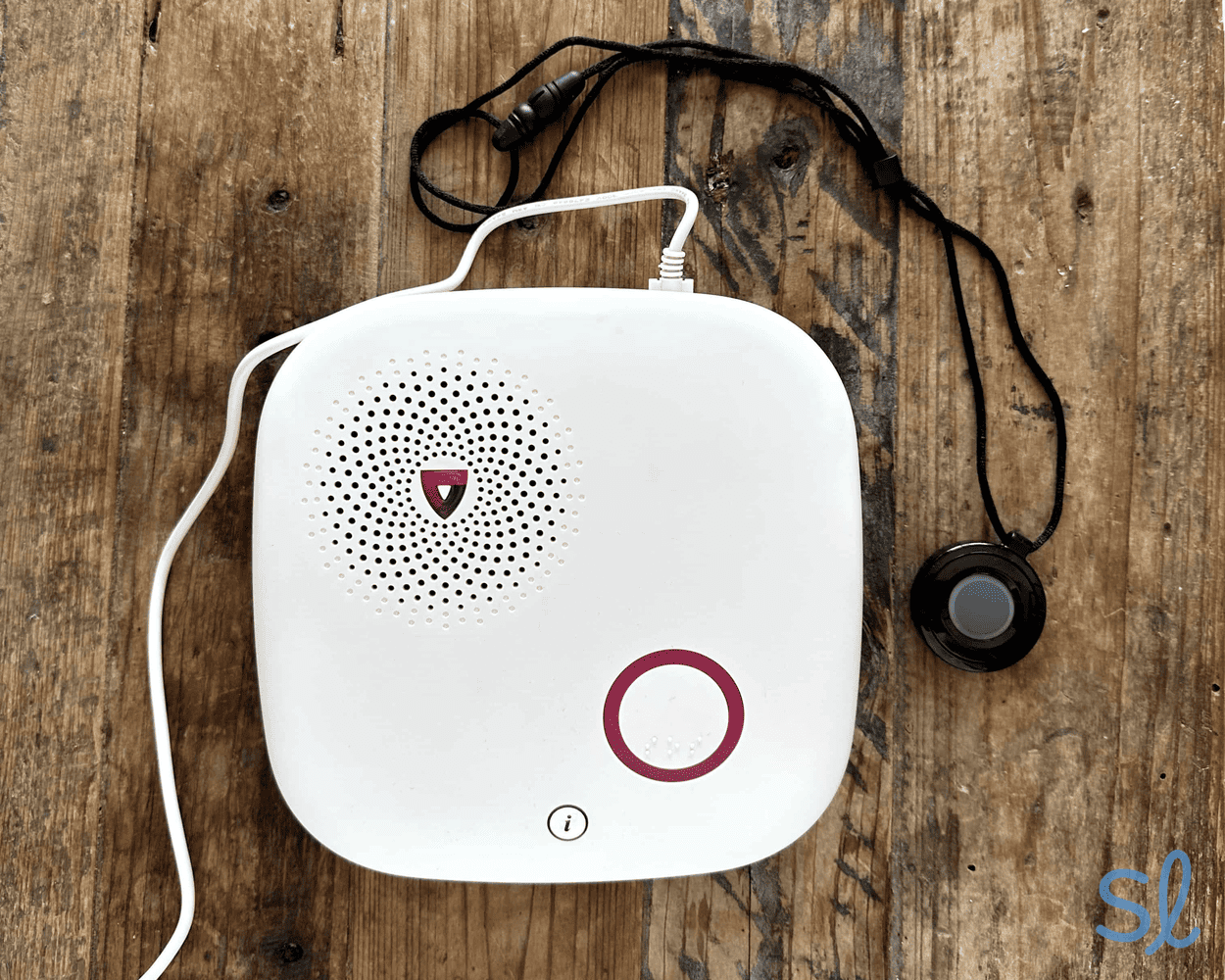
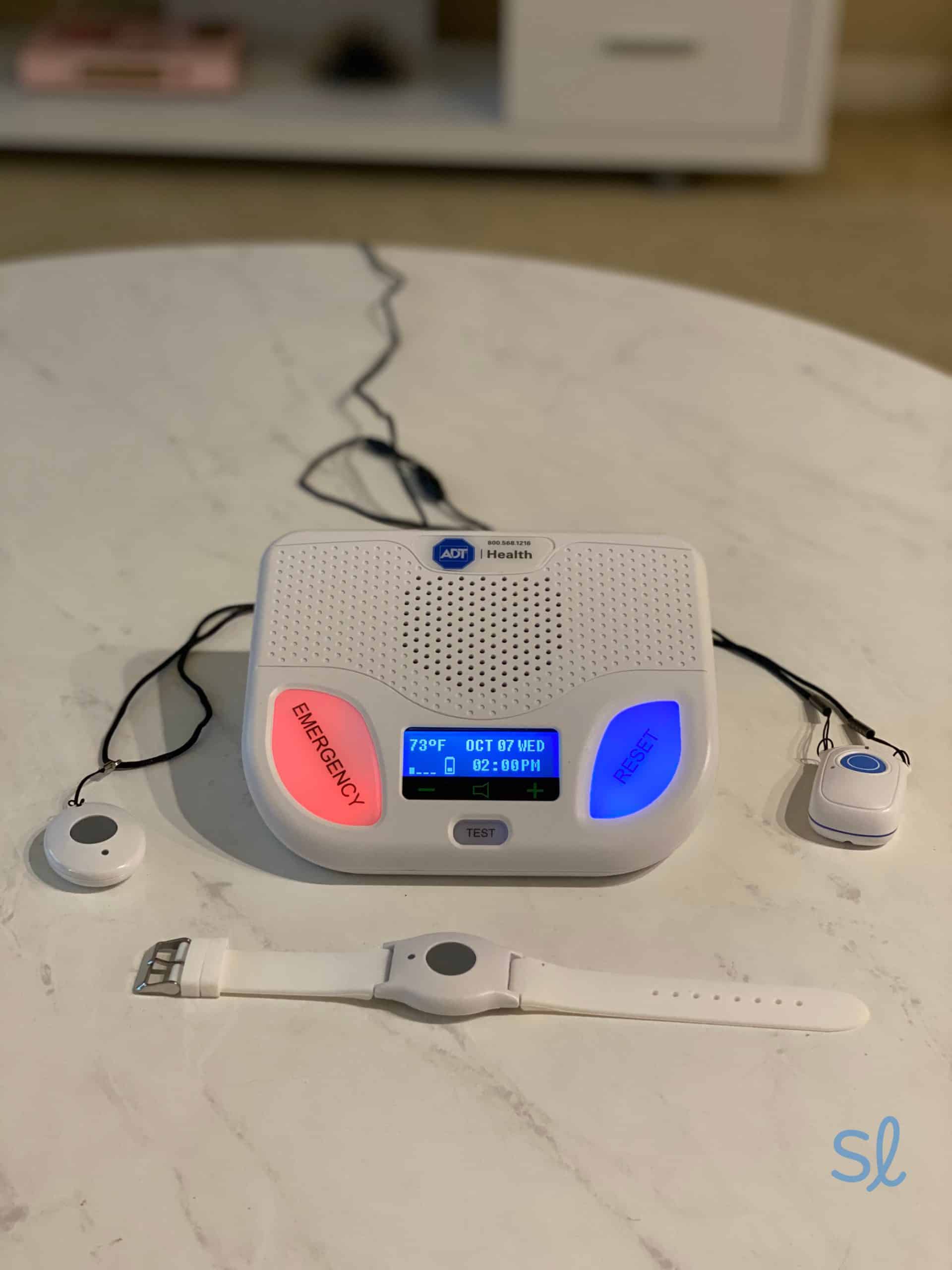
Best Medical Alert Systems With No Monthly Fees in 2026
While Silent Beacon remains our top pick for affordability without ongoing costs, LogicMark's plug-and-play simplicity makes it a standout for at-home safety.


SeniorLiving.org is supported by commissions from providers listed on our site. Read our Editorial Guidelines

- At-home and on-the-go protection
- Prices starting at $59.99 equipment fee
- Calls 911 and up to 7 emergency contacts

- At-home and on-the-go protection
- One-time fee ranging from $199 to $399
- Calls 911 and up to 4 emergency contacts
Contents
As technology advances at seemingly exponential speed, so do medical alert devices. The best medical alert systems provide more safety for older adults than they did a decade ago. While features like GPS location tracking and caregiver apps are incredibly beneficial, they often come with a higher price tag. This can leave older adults who are strictly budgeting their retirement funds searching for dependable, lower-cost alternatives.
Finding a medical alert system for seniors with no monthly fee can feel like searching for a needle in a haystack. But not all seniors can afford (or want) another monthly bill. Some companies have realized this and now offer medical alert systems without monthly fees. While this is great for your wallet, these systems lack some of the standard safety features and 24/7 monitoring of systems with monthly fees. They won't be right for everyone. Below, we'll take a look at medical alert systems for seniors with no monthly fees, who they're best for, and affordable alternatives.
How Do Medical Alert Devices With No Monthly Fees Work?
Medical alert systems typically require a monthly monitoring fee, equipment fee, or both. Medical alert devices without monthly fees eliminate monitoring, but you’ll still pay an upfront equipment fee. In other words, you are buying the system outright.
To avoid recurring costs, these providers remove the professional monitoring center from the equation. Instead of connecting to a trained agent, pressing the help button triggers a direct call to 911, your pre-programmed emergency contacts, or a combination of both.
Monitored vs. No Monthly Fee Medical Alert Systems
Monitored Systems
While deciding which type of system is best for you, consider what the monthly fees cover. Most importantly, when pressing the emergency button on your device, rather than connecting to 911 or emergency contacts, you will be connecting with a monitoring center agent. These agents are well-trained; some even have EMT certifications. They quickly assess the situation and then call 911 to send the appropriate help.
FYI: Most medical alert providers with monthly fees own or use at least two monitoring centers in different parts of the country for redundancy. If a power outage or severe weather event disables one center, the other can still provide protection.
The monitoring agents usually have the subscriber’s medical history, current medications, and allergies at their fingertips. They can communicate with a 911 dispatcher in a way that the person in distress can’t, as they might be in pain, dizzy, or even unconscious. Many on-the-go monitored systems also include advanced location detection to determine your precise location. That means that help can be sent directly to you, even if you don’t know your location.
No Monthly Fee Systems
Medical Alert systems for seniors without monthly fees are typically easy to use. That is a plus. On the other hand, they often don’t include advanced features that you may find beneficial or even lifesaving, such as fall detection pendants. Fall detection is a relatively recent technology: If you fall while wearing your pendant, it will automatically detect the fall and send an alert to the monitoring center, whether you remain conscious or not. Considering that over one in four older adults falls each year, this automatic safeguard is a feature we highly recommend for peace of mind.1
Is a Medical Alert System With No Monthly Fee Right for Me?
The biggest advantage of medical alert systems without monthly fees is the cost savings. A medical alert system without a monthly fee is most appropriate for the money-conscious older adult who still wants some protection. In addition, because most systems with no monthly fee are at-home systems, they are best suited for those who are homebound or rarely leave their home unaccompanied.
Pro Tip: Always check the return policy before purchasing a no-fee system. Since you are paying a higher equipment cost upfront, you want to ensure you can get a refund if the device doesn't meet your needs within the first 30 days.
Typically, these systems do not include advanced features such as fall detection or 24/7 monitoring. For this reason, they are not a good fit for seniors who are at high risk of falling. This high-risk group includes those with dementia, Parkinson's disease, diabetes, COPD, or vision loss. It also includes those who take medications that cause dizziness or weakness, have fallen at least once before, or are 80 and older.2
Our Top Medical Alert Systems With No Monthly Fees
-
1. Silent Beacon - Most Affordable

What we like most
- At-home and on-the-go protection
- Prices starting at $59.99 equipment fee
- Calls 911 and up to 7 emergency contacts
Overview:Founded in 2013, Silent Beacon is a small company that gears its panic button to the general population, including older adults. The founders understand that fumbling for a locked cell phone isn't feasible during a medical emergency.
The small, disc-shaped button can be clipped to a belt or attached to a keychain or purse. Because the Silent Beacon panic button uses Bluetooth and your smartphone's GPS technology, it can be used at home or away. During an emergency, the user can press the emergency button, which connects with 911 and up to seven emergency contacts.
Summary:Pricing
The Silent Beacon panic button has a one-time fee of $59.99. The device easily pairs with your smartphone or tablet. You can purchase the button on the company's website or through various online retailers. The Silent Beacon also goes on sale throughout the year, so be on the lookout when you shop!
-
2. LogicMark - Best At-Home Protection

What we like most
- At-home and on-the-go protection
- One-time fee ranging from $199 to $399
- Calls 911 and up to 4 emergency contacts
Overview:LogicMark, established in 2006, offers medical alert devices without monthly fees. While they previously focused on landline options, their newer Guardian Alert 911 Plus is designed for the modern senior, operating on a 4G LTE cellular network. It enables you to call 911 directly and speak to the dispatcher through the pendant. Because it uses cellular technology, you can take it with you to the grocery store or on a walk, provided you have a cell signal.
Summary:Pricing
LogicMark products are sold in brick-and-mortar, as well as online retail stores such as Walmart and Amazon. Prices are about $199 for the Guardian Alert 911, from $130 to $299 for the Freedom Alert, and from about $399 to $450 for the Guardian Alert 911 Plus.
Affordable Alternatives to Medical Alert Systems For Seniors With No Monthly Fees
We’d highly recommend a system with monthly fees if it fits in your budget. The 24/7 professional monitoring and advanced features these devices offer make them well worth the cost, as they add another layer of protection and peace of mind. Let’s examine a few affordable medical alert providers with monthly monitoring fees.
Bay Alarm Medical
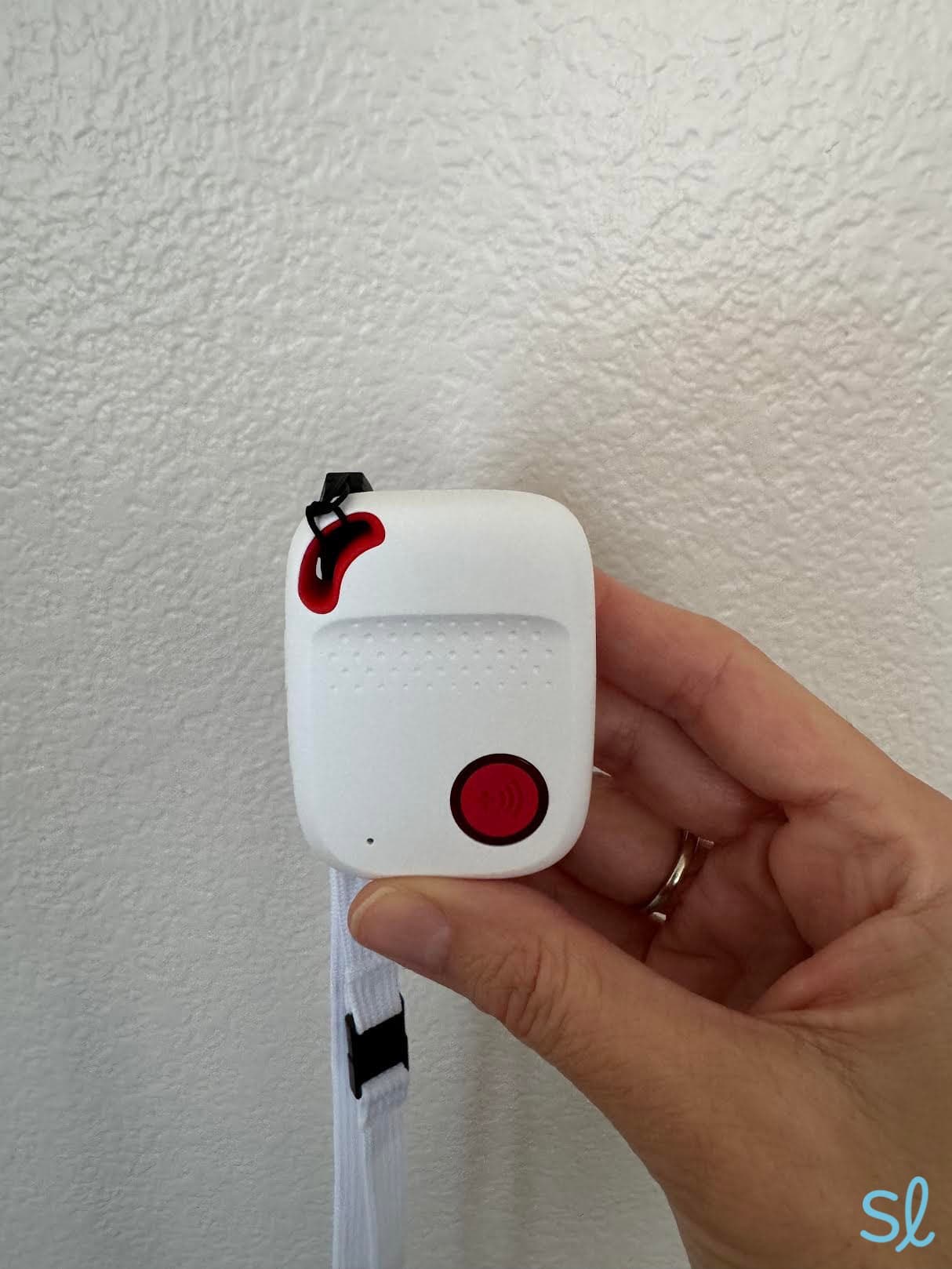
Using Bay Alarm Medical's SOS All-in-One 2 system
Bay Alarm Medical offers reasonable monthly prices for reliable at-home and on-the-go systems. Its at-home systems start at $27.95 per month, while its on-the-go systems, including two traditional mobile systems and a smartwatch, range from $34.95 to $44.95 per month. Upgrades include add-ons like fall detection and jewelry pendants. For more information, check out our review of Bay Alarm Medical.
Lively
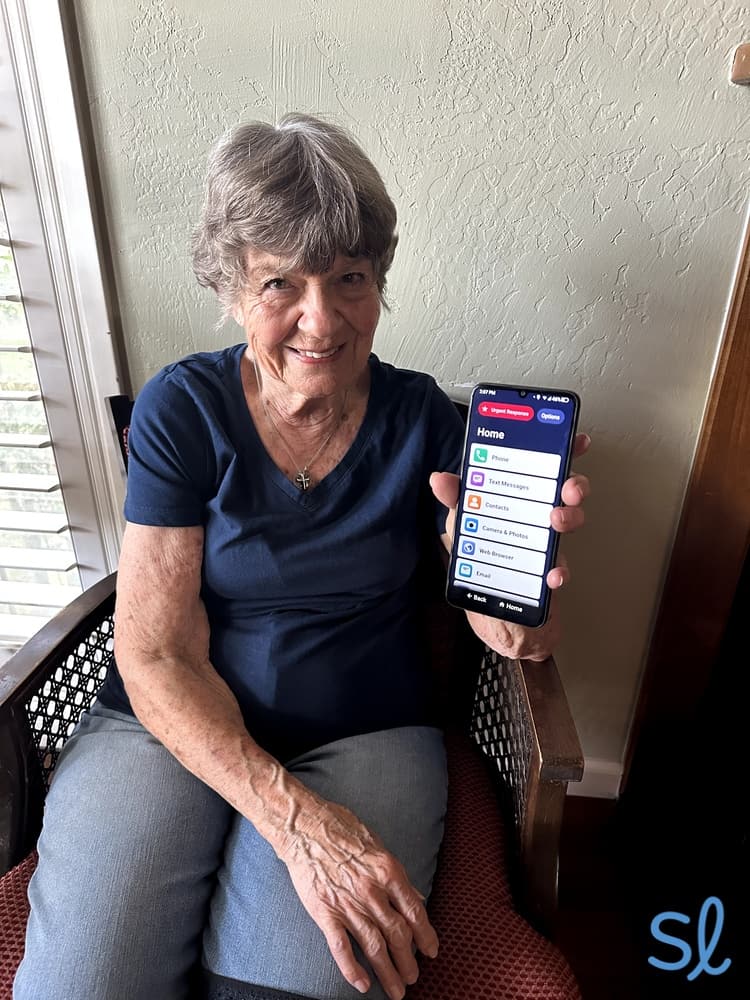
Trying out the Jitterbug Smart4 smartphone
If you’re searching for an on-the-go system that won’t break the bank, take a look at Lively (formerly GreatCall). The company is known for its mobile devices; in fact, Lively doesn’t offer at-home systems. Two of its systems are cell phones with medical alert capabilities. They include oversized screens, large fonts, hearing aid compatibility, and more. They also offer a traditional on-the-go medical alert system. Lively’s equipment costs are comparable to popular cell phones and medical alert systems on the market, with medical alert health and safety packages starting as low as $24.99 per month. Read our most recent review of Lively for a closer look.
MobileHelp
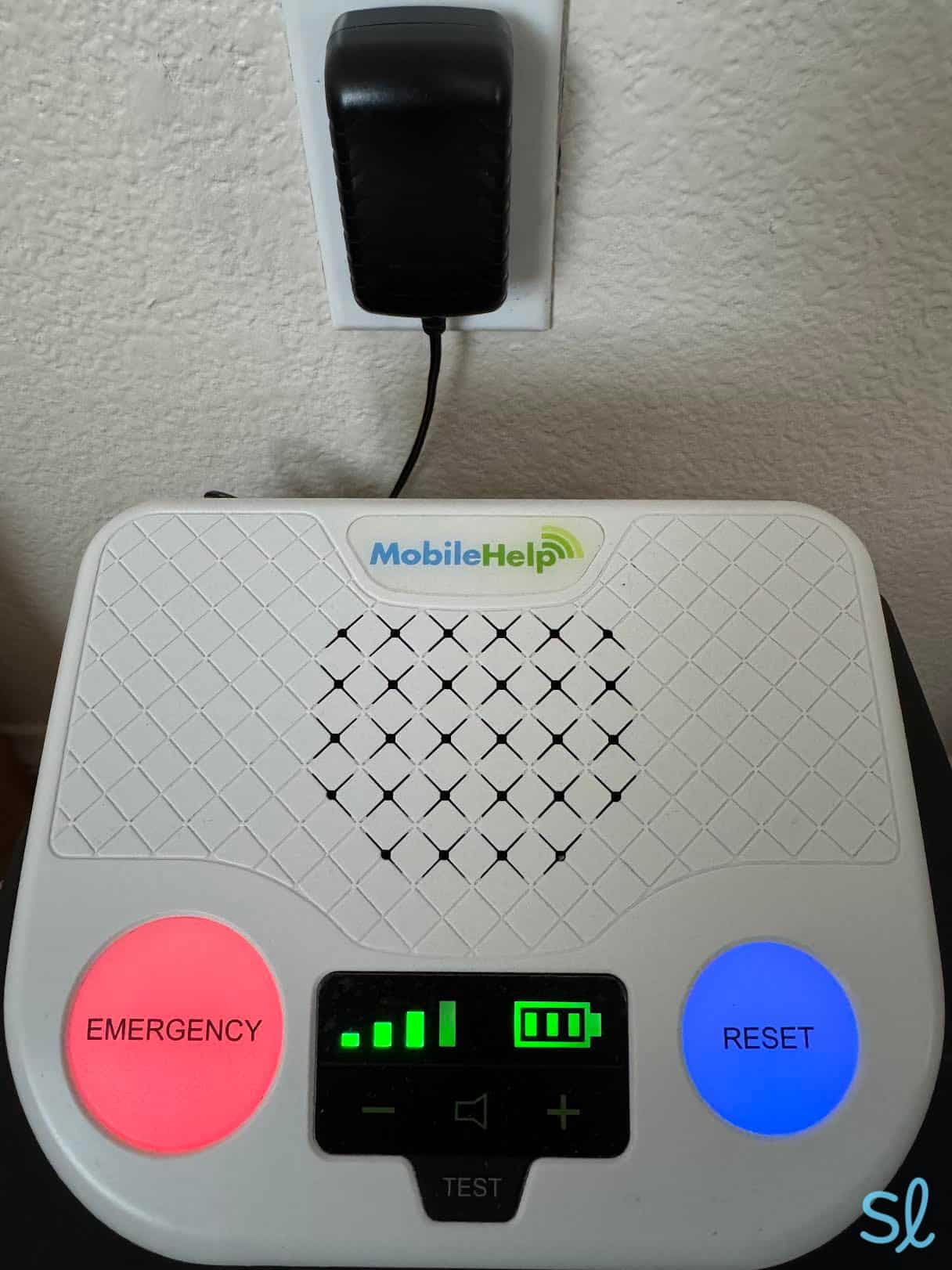
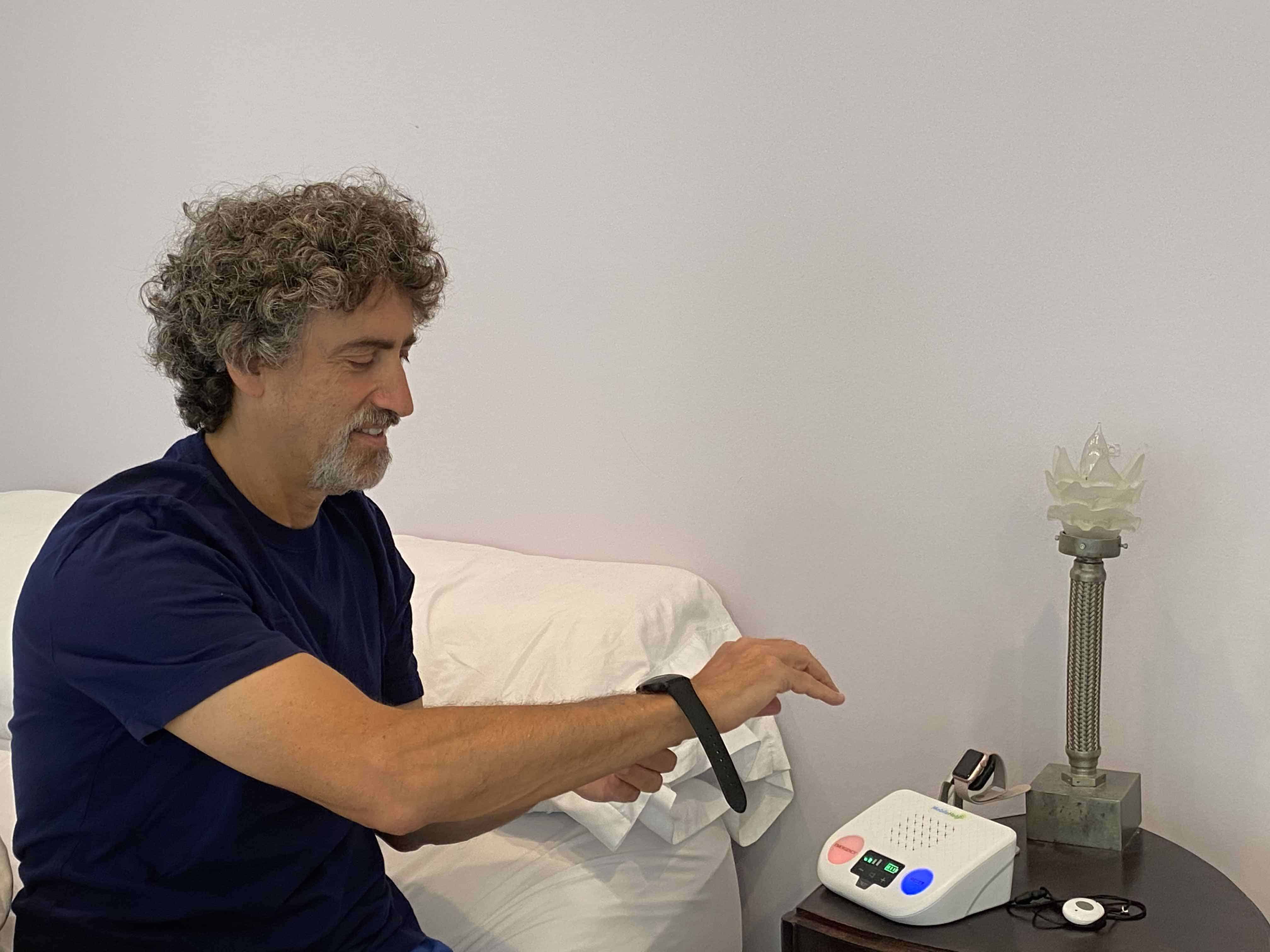
Testing out MobileHelp's Classic Cellular system
If you’re looking for a solid at-home system, we recommend MobileHelp. This provider’s landline and cellular systems have a sizable range, and MobileHelp has low monthly prices.
The MobileHelp Classic Cellular at-home system also starts at $25.95 per month and offers a range of up to 1,400 feet. Read our MobileHelp review to learn more.
Aloe Care Health
Aloe Care Health has slightly higher costs for their at-home systems, but they offer great features for you and your caregivers. The base unit uses voice activation so you can check in with loved ones or send an emergency call to the monitoring center. Using an app, caregivers can monitor their loved one’s wellness and health through air quality, temperature, and activity sensors. Starting at $39.99 per month, this is an excellent system for remote caregivers, those wanting activity monitoring, and seniors with health conditions such as dementia. To learn more, take a peek at our review of Aloe Care Health.
-
Centers for Disease Control and Prevention. (2024). Facts About Falls.
-
Centers for Disease Control and Prevention. (2024). Risk Factors for Falls.