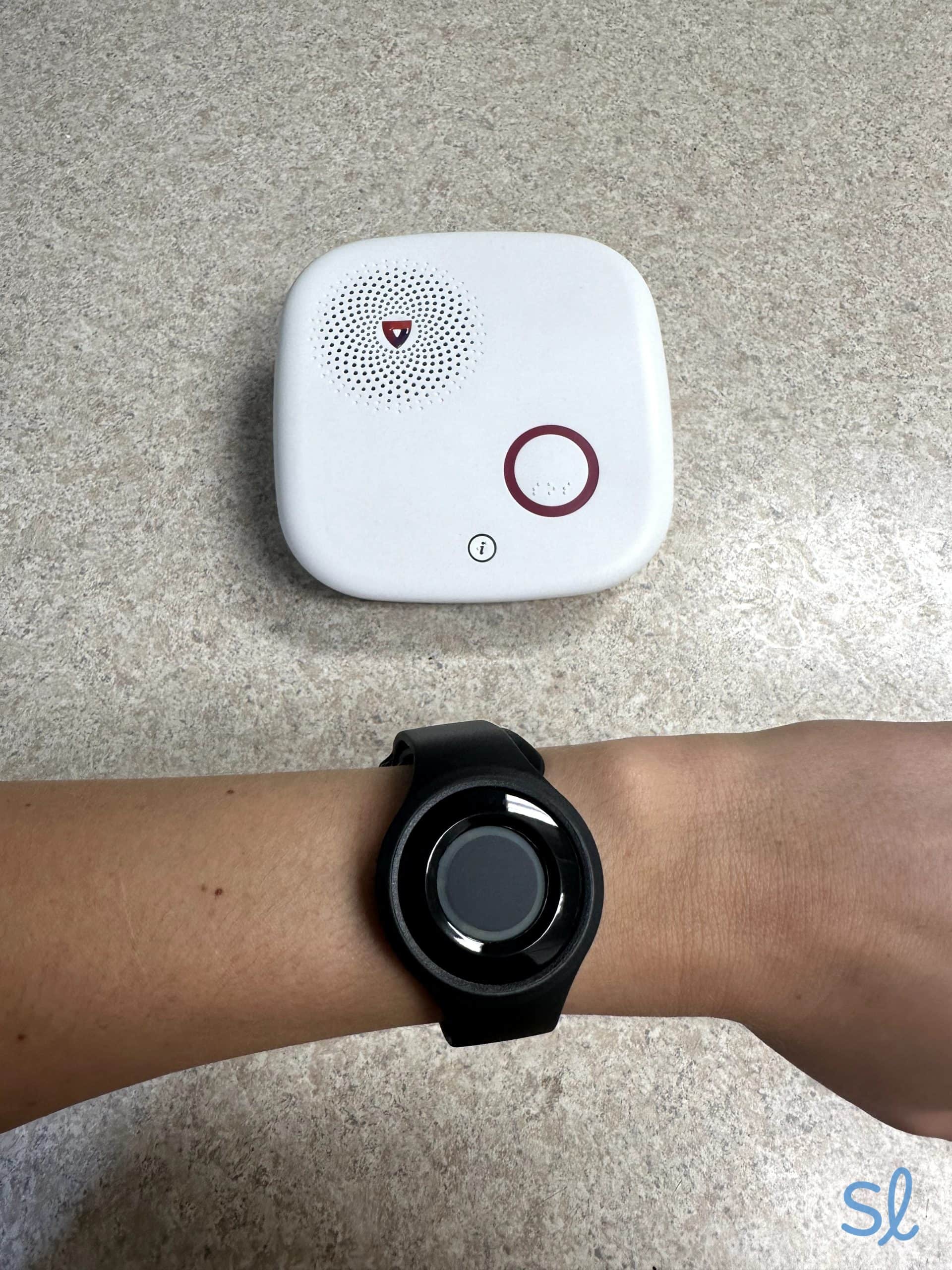
Best Cellular Medical Alert Systems in 2026
Bay Alarm Medical is our top pick for cellular medical alert systems due to its affordable prices and caregiver companion app.


Our team of senior tech and fall-prevention experts tested the top medical alert systems in the industry to find the best medical alert systems without a landline.

How We Tested the Medical Alert Systems
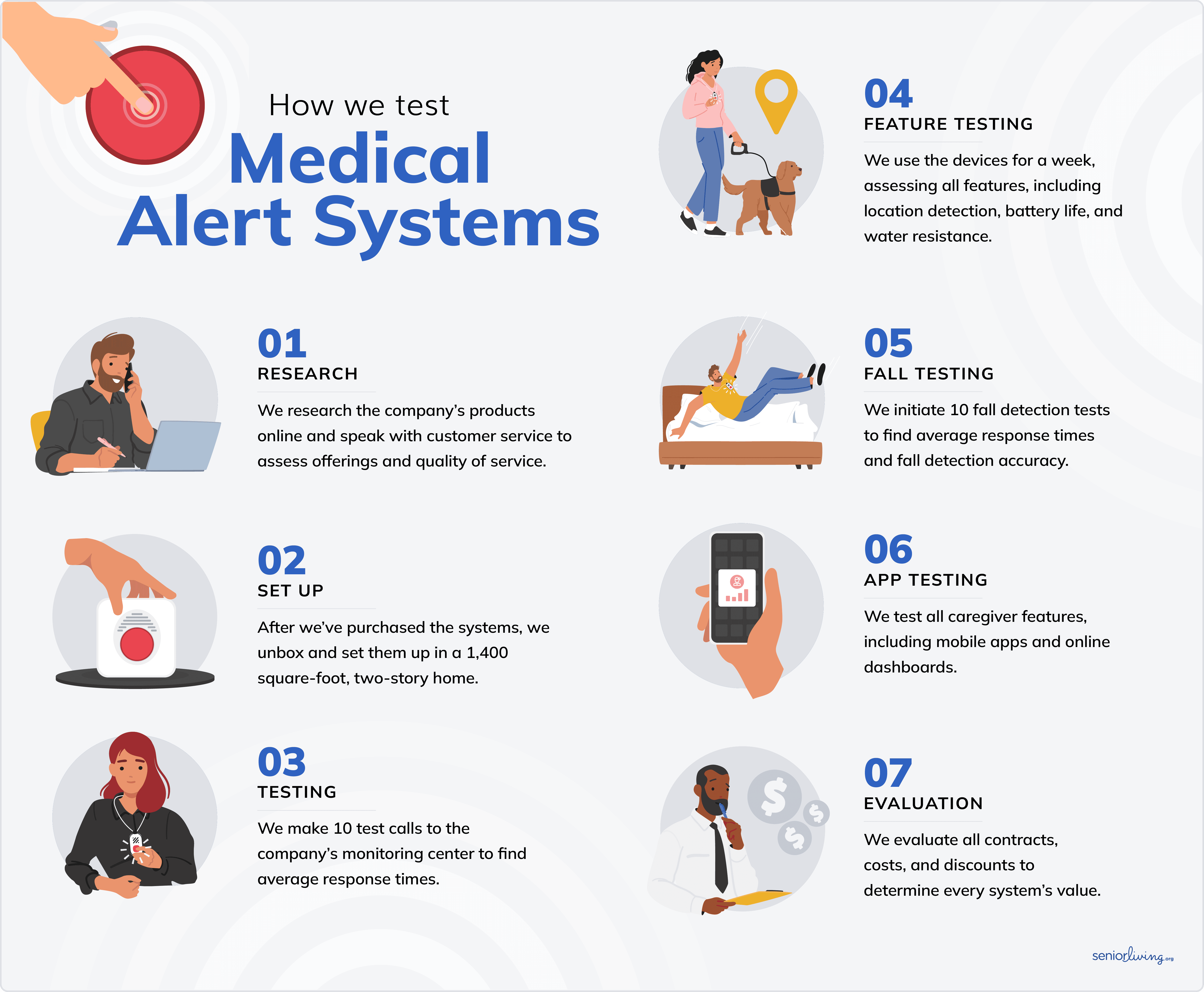
My team and I spent over 200 hours testing the industry’s best cellular medical alert systems. We ordered each system and used it for a week, taking notes on everything from system features to average response times. We also recruited medical alert experts and older adults (including my grandma!) whenever possible to get a better understanding of how the systems impact their target users.
How We Chose the Best Cellular Medical Alert Systems
Here are some of the most important criteria our team looked for when selecting a system.
- Price: Between 12 and 15 percent of American seniors rely on Social Security for 90 percent or more of their income,1 so we understand older adults need medical alert systems at a good price. All the systems on our list cost less than $40 per month, though additional fees may apply. We evaluated monthly fees, equipment costs, and any hidden fees, along with seasonal promotions and other ways to save.
- Cellular carrier compatibility: Cellular medical alert systems need mobile service coverage to function. All the systems on our list are compatible with one or more popular nationwide carriers like AT&T, Verizon, and T-Mobile. We assessed each system’s coverage quality and consistency by making 10 test calls in various areas of a 1,400-square-foot, two-story home. We also tested mobile systems on walks and while traveling.
- Response times: This is one of the most important aspects of a medical alert system. The industry standard is somewhere between 15 and 45 seconds, but every second counts in an emergency. We tested the response times and included only cellular systems that could meet or exceed the response times of their competitors.
- Equipment durability: Buying a cheap pendant or bracelet may save you a few bucks now, but you might have to replace it frequently if it’s not constructed from durable materials. We tested the durability of each system to ensure that it could withstand falls, as well as regular wear and tear.
- Features: Every medical alert system should connect the user with an emergency-response agent quickly, but extra features can make a cellular system even more useful. Some great features we looked for include fall detection, mobile apps for caregivers, and spouse monitoring.
- Customer service: The systems on this list offer stellar service during an emergency, but it’s also important to consider their regular customer support team. From getting the system set up to asking questions about pricing, we reached out to each provider’s tech and support teams to evaluate the quality of service.
Pro Tip: To learn more about how we test medical alert systems, check out our medical alert system methodology guide!
Why Trust Us?
Our team of senior tech experts has tested dozens of medical alert systems from the industry’s leading providers. We’re always evaluating and testing the newest tech to keep older adults safe.
Our medical alert content is also reviewed by Linda Schlenker, an occupational therapist with over three decades of experience advising older adults and their caregivers on how to stay safe while aging in place. Schlenker and her patients have extensive experience with medical alert systems, and she approved all the systems on our list and provided her insights and expertise.
SeniorLiving.org is supported by commissions from providers listed on our site. Read our Editorial Guidelines

- Cellular systems starting at $34.95 per month
- 1,000-foot button-to-base range
- At-home and on-the-go cellular systems

- Cellular prices starting at $38.95 per month
- 1,400-foot button-to-base range
- At-home and on-the-go cellular systems

- Cellular prices starting at $39.99 per month
- 600-foot button-to-base range
- At-home and on-the-go cellular systems

- Cellular systems starting at $34.95 per month
- 1,300-foot button-to-base range
- At-home and on-the-go cellular systems

- One free month of service for veterans
- Prices starting at $39.99 per month
- Unique features: Activity and caregiver monitoring
Contents
If you’re one of the many older adults who have ditched their landline connection in favor of a cellular option, you may be wondering if you can still use an in-home medical alert system. Well, good news: You can! Modern in-home cellular medical alert systems keep you as safe and independent as landline systems do, often with easier setup processes since there are no phone cords to manage.
Our team of tech experts has researched and tested the industry’s most popular medical alert systems. We pared down the list to the top cellular medical alert systems that work without a landline. We also consulted with occupational therapist Linda Schlenker, a home health expert with 30 years of experience advising seniors and their caregivers about medical alert systems. All the systems on our list rank well for average response times, equipment durability, customer service, and overall value. Our top pick is Bay Alarm Medical, due to its competitive pricing and excellent features, such as free spouse monitoring.
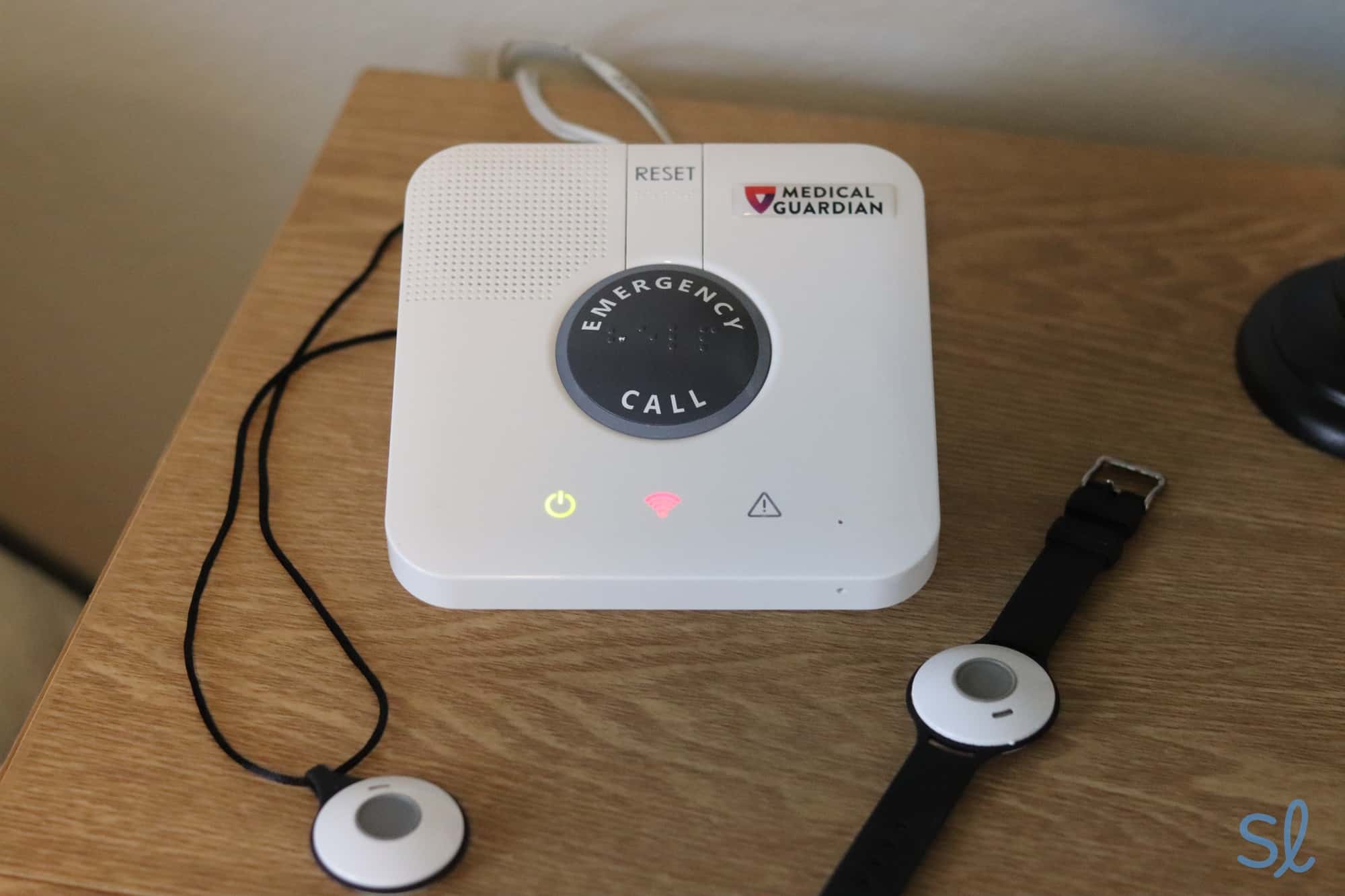
Testing out Medical Guardian's MGHome Cellular system

-
1. Bay Alarm Medical - Most Affordable
View Packages Links to Bayalarmmedical.comWhat we like most
- Cellular systems starting at $34.95 per month
- 1,000-foot button-to-base range
- At-home and on-the-go cellular systems
Bay Alarm MedicalView Packages Links to Bayalarmmedical.comOverview:
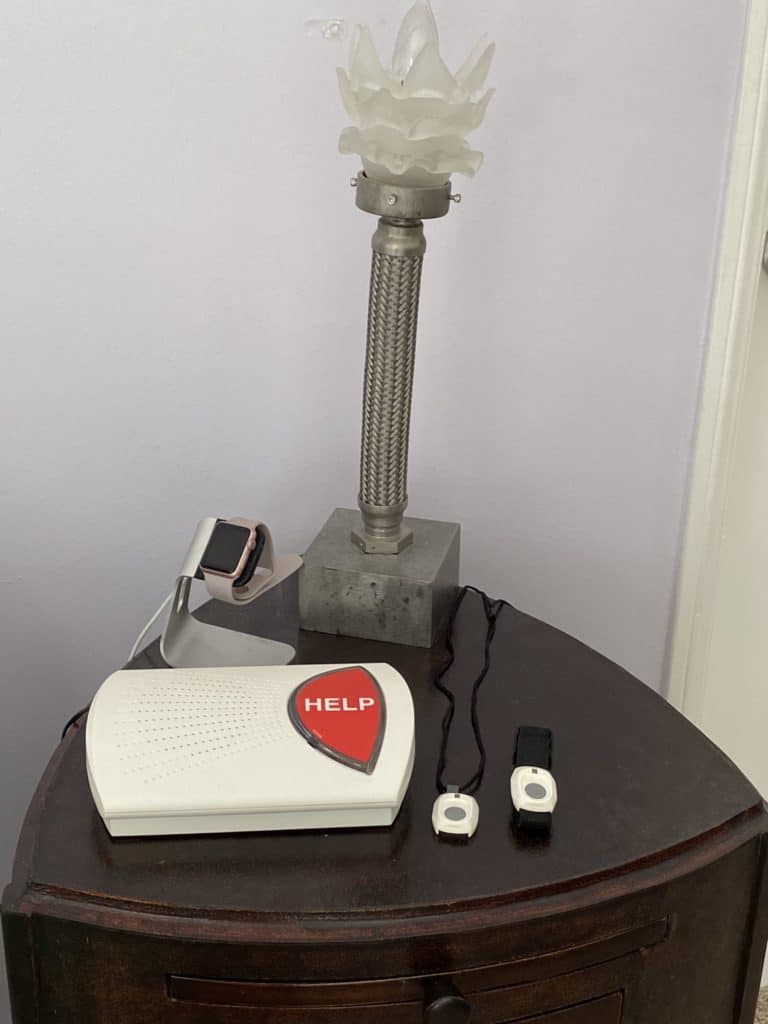
Testing out Bay Alarm Medical's SOS Home system
I’ve tested and reviewed Bay Alarm Medical systems several times, and they never fail to impress. The in-home cellular unit has a 32-hour backup battery, a 1,000-foot button-to-base range (perfect for large houses), and optional fall detection. The in-home cellular system costs $34.95 per month and does not have an equipment fee, which I appreciate. Even better, there’s no additional monthly fee to add a spouse or roommate to your plan. You’ll just need to purchase an extra wearable help button for a one-time fee of $39.
» Learn More: Bay Alarm Medical vs. Medical Guardian
I found the in-home system doesn’t offer many high-tech features. It’s still worth it, though, if you prefer to keep things simple and affordable. If looks are a concern, Bay Alarm Medical also offers sleek on-the-go systems. The company’s 30-day risk-free trial makes it easy to test the system to ensure it’s right for you. Bay Alarm Medical is accessible to seniors across the country, as its cellular systems are compatible with AT&T and Verizon, two of the largest cellular service carriers in the nation, as well as less common VoIP services.
Pros & Cons:Pros About Bay Alarm Medical
- Affordable prices
- No activation fees
- No equipment fees on in-home systems
- Manufacturing and monitoring in the U.S.
- No long-term contracts
- Free spouse monitoring
- 30-day risk-free trial
- Landline or cellular in-home options
Cons About Bay Alarm Medical
- Fewer high-tech features
- High equipment fees for mobile devices
- Mobile app is incompatible with in-home system
Our Hand-On Testing:Response Times
Bay Alarm Medical claims you can get in contact with an emergency-response agent in 45 seconds or less. I’m excited to report that my experience surpassed those expectations. I ran emergency tests with the SOS Home, SOS Smartwatch, and SOS Micro systems, and I recorded average response times of around 10 to 20 seconds. Each agent I spoke with was helpful and patient.
I noticed that there was no significant difference in response time for each device. That means you can get the same quality, speed, and support regardless of the device you choose.

Trying out Medical Guardian's MGMini Lite
Customer Service
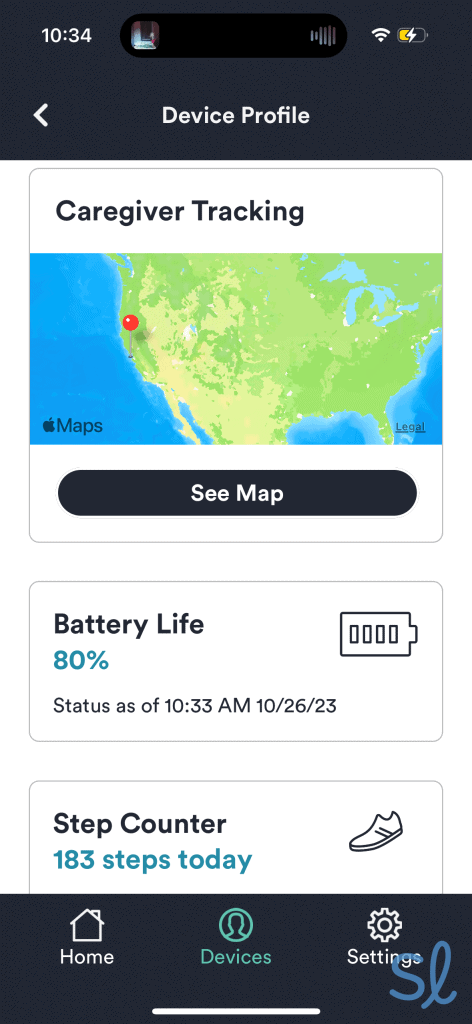
I was satisfied with my experience contacting Bay Alarm Medical. You can reach the company’s customer service team via phone or email. Their caregiver app is a standout, providing features for families such as device status and location tracking. When I spoke with a customer service representative on the phone, I waited about five minutes.

Contacting Bay Alarm Mobile in the mobile app
The app also comes packed with features for families and caregivers. You can view the device status and location, ring a lost device, and see an emergency call log. I really appreciate those features, which help loved ones stay informed.
Navigating Bay Alarm Medical's companion mobile app
When I spoke with a customer service representative on the phone, I waited about five minutes. The agent I spoke with was very friendly and helpful. It took one business day to get a response by email, but that is pretty standard for larger providers.
It would have been nice to have some kind of live support chat on the app or the company’s website, especially for when you just need a quick fix to a technical issue.
Pricing
Bay Alarm Medical’s prices are some of the lowest in the industry. The SOS Home Cellular starts at just $34.95 ($44.95 with fall detection) and there’s no equipment fee. Some providers, such as Medical Guardian, charge equipment fees, so this is a great way to save.
 Expert InsightsFrom Linda Schlenker, M.S., M.A., O.T.R,It’s wonderful that there are affordable options for seniors. With inflation so high, it’s important that seniors don’t have to forgo safety because they are on a fixed income. Bay Alarm Medical’s option for a spouse to be able to get a device for free and LifeFone having a price lock are great features.
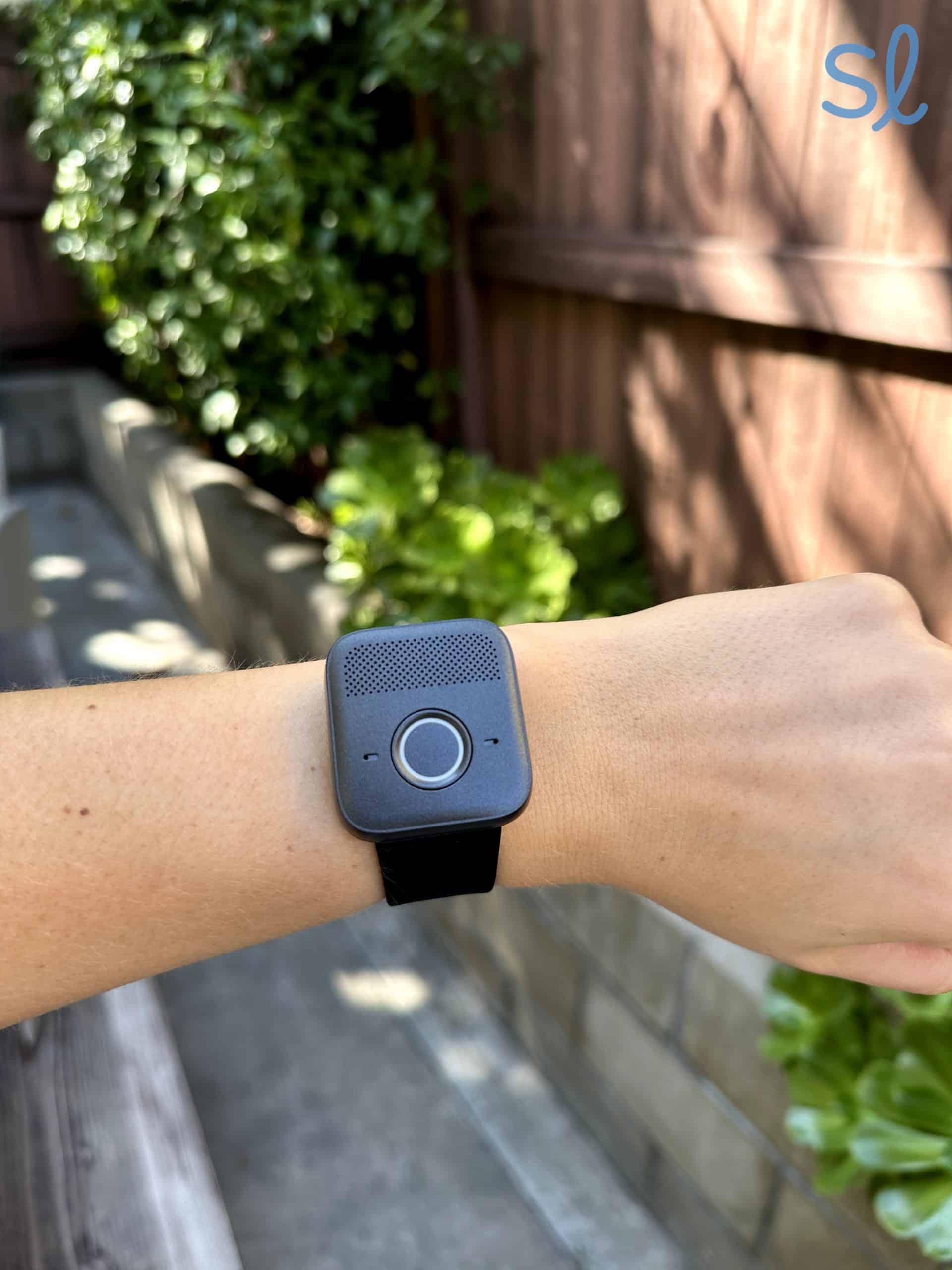
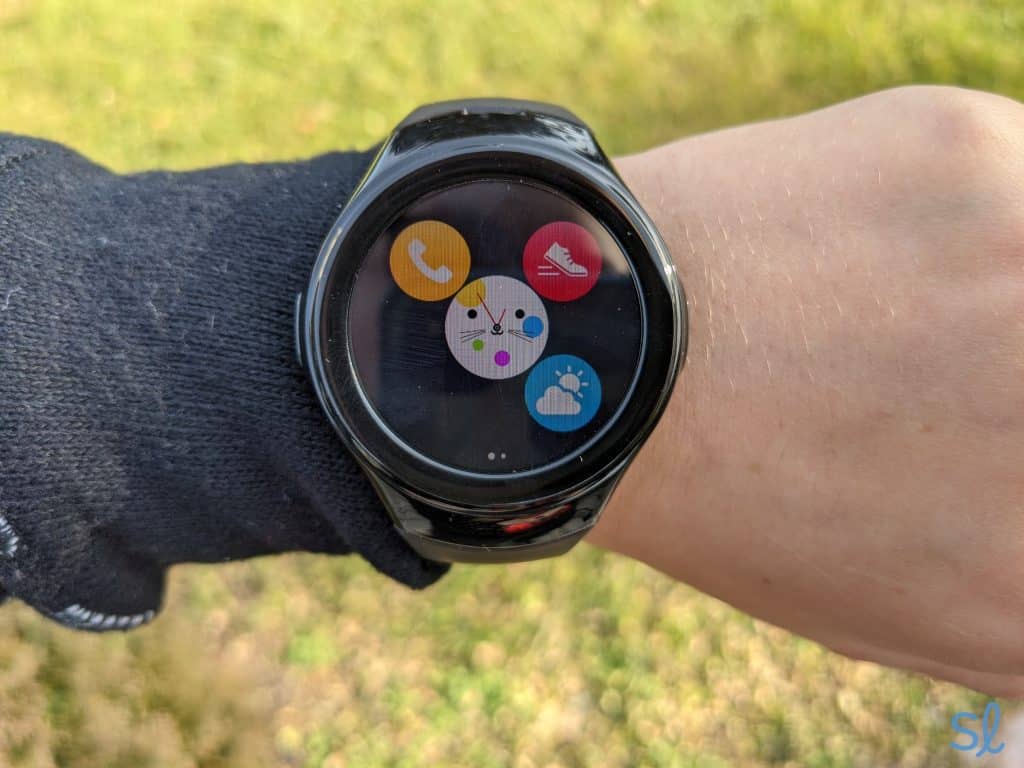
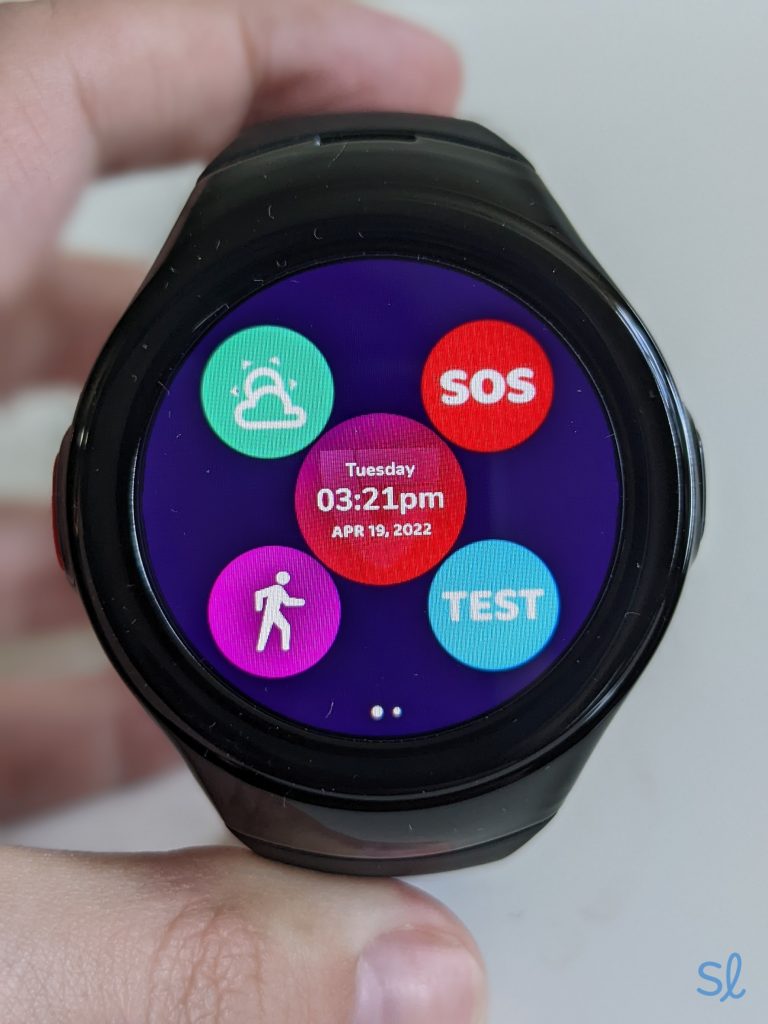
Bay Alarm Medical offers three mobile systems to choose from, with prices ranging from $29.95 to $39.95 per month and equipment fees ranging from $149 to $199. You can also add fall detection to any system for $10 per month. For active seniors who want to track their daily activity, the SOS Smartwatch is a great option. The systems may cost a bit more than the in-home packages, but they’re a great fit if you want protection outside the home.

Testing out Bay Alarm Medical's SOS Smartwatch
I love that Bay Alarm Medical has packages that meet a wide range of needs. My grandma, for example, is quite a busy bee. She spends a lot of time at home, but she’s very active and leaves the house several times a week.
She liked using the SOS Smartwatch and the SOS Micro for on-the-go protection. She preferred the smartwatch, however, since it felt more natural to wear. It also comes with additional features, like daily goal setting and step tracking.
» For Tech-Savvy Seniors: Best Medical Alert Watches of 2026
-
2. Medical Guardian’s MGMini Lite - Most Customizable
View Packages Links to Medicalguardian.comWhat we like most
- Cellular prices starting at $38.95 per month
- 1,400-foot button-to-base range
- At-home and on-the-go cellular systems
Medical Guardian’s MGMini LiteView Packages Links to Medicalguardian.comOverview:
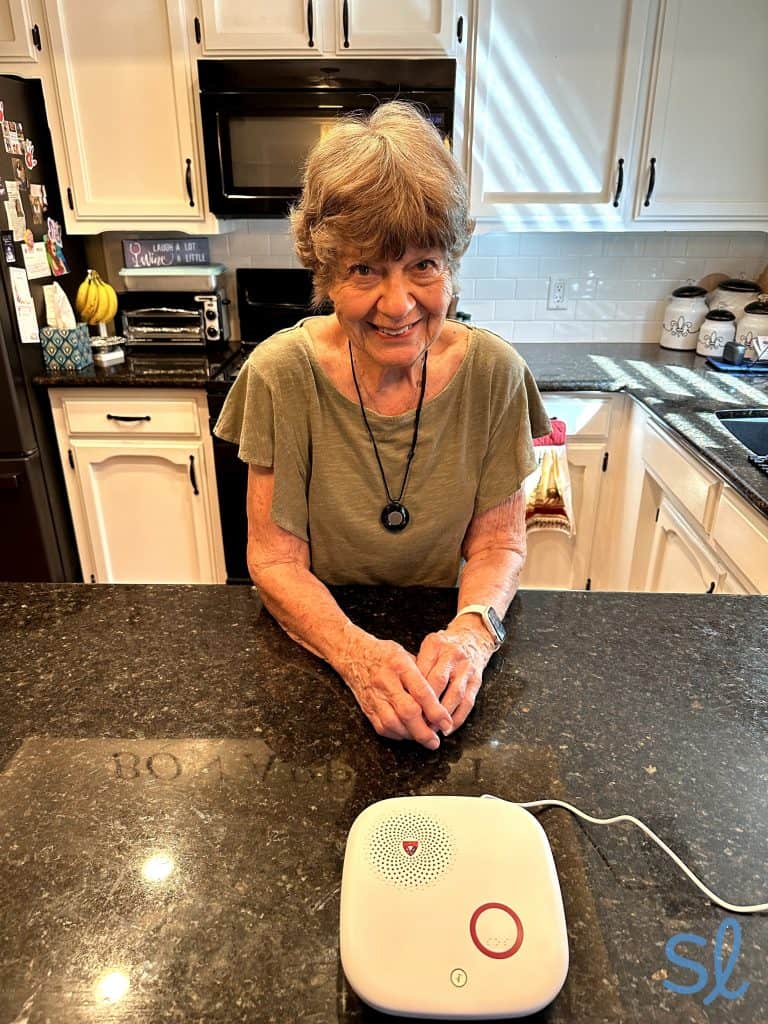
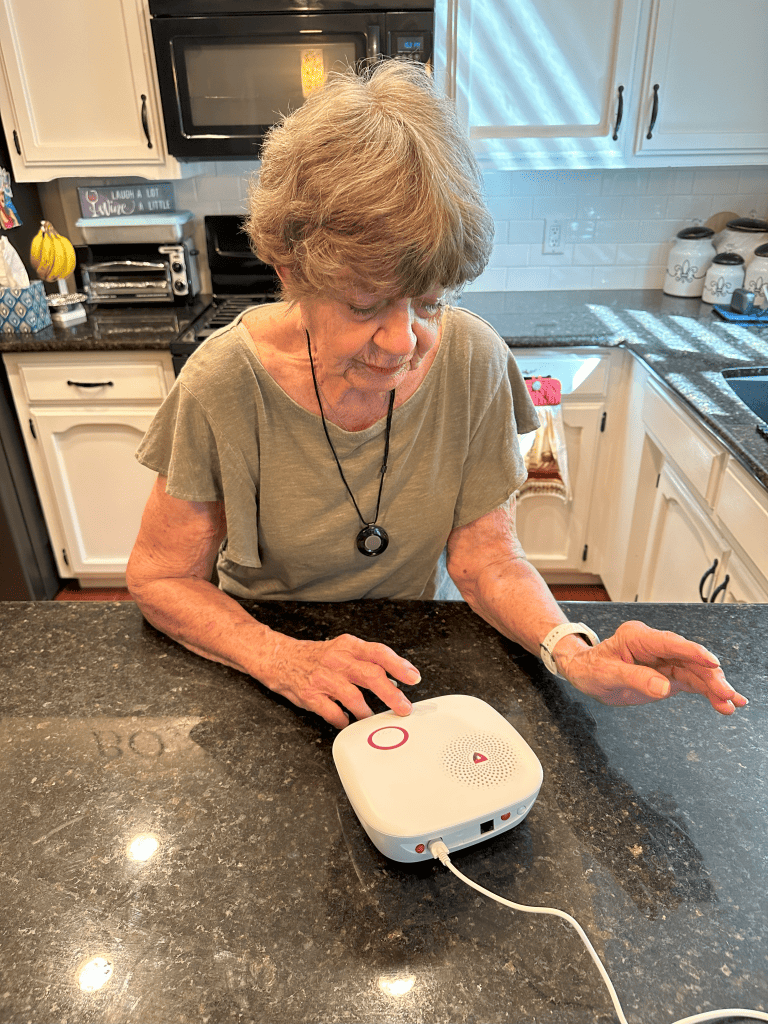
My grandma testing out Medical Guardian's MGHome Cellular system
Medical Guardian offers a wide variety of systems, which is why it earned a spot on our list. There are five systems to choose from, plus add-ons such as fall detection, wall-mounted help buttons, and enhanced emergency notifications. Those features cost extra, so you’ll want to assess your budget before purchasing.
Expert InsightsFrom Linda Schlenker, M.S., M.A., O.T.R,I love that most medical alert systems, including Medical Guardian, do not require long-term contracts. Many older adults’ living situations change, and they may not need a medical alert system forever. They may choose to move in with family or into an assisted living community that offers its own medical alert system.MGHome Cellular, Medical Guardian’s home system that doesn’t require a landline, is one of my favorite cellular systems. It’s sleeker than Bay Alarm’s cellular in-home system, and it has an extensive coverage range of 1,400 feet. That’s about the distance of four football fields!
My grandma and I had no problem reaching the Medical Guardian team throughout her home. Just make sure you live in an area with good AT&T coverage, because the cellular in-home system uses AT&T’s service.
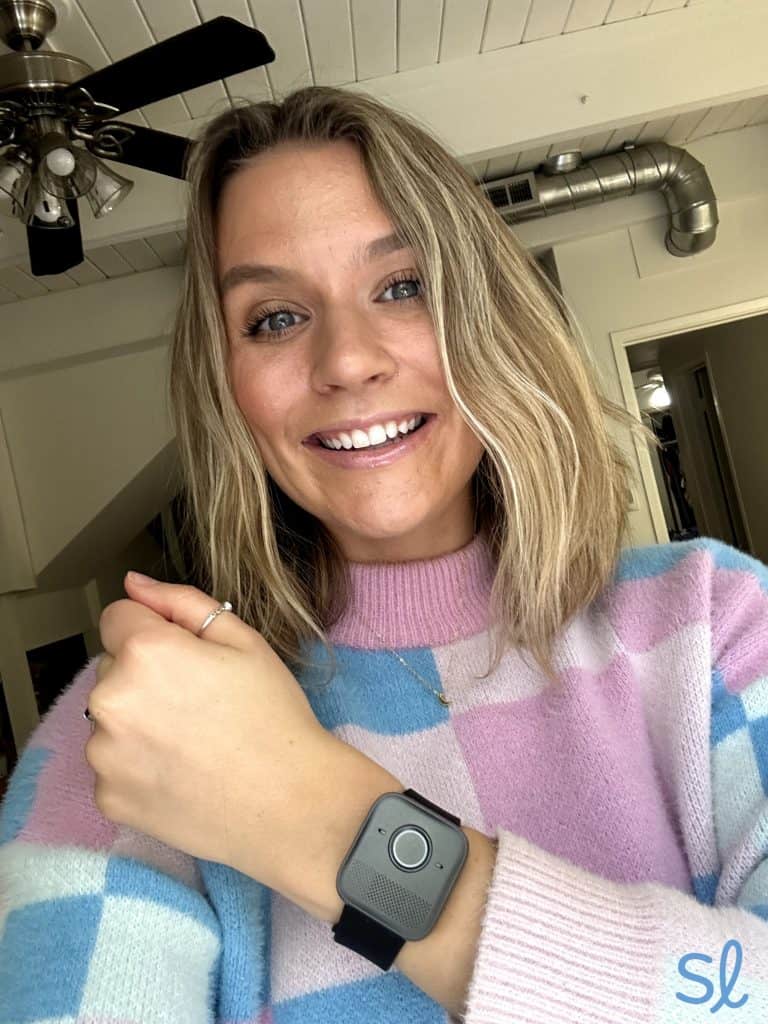
If you want a cellular device for on-the-go use, Medical Guardian has three options: a pendant-style mobile device, a medical alert smartwatch (similar to Bay Alarm’s watch), and a wrist-worn system. I’ve tested all three devices myself, and I love the variety they offer. MGMove, the smartwatch system, is probably my favorite. It’s discreet, and it gave me some extra motivation to stay active with step tracking and goal setting!
Testing out Medical Guardian's MGMove
Pros & Cons:Pros About Medical Guardian’s MGMini Lite
- No long-term contracts
- Customizable systems
- Easy installation
- Free activation
- U.S.-based monitoring
- Versatile product lineup
Cons About Medical Guardian’s MGMini Lite
- Only compatible with AT&T’s cellular network
- No trial period
- Potentially pricey add-ons
Our Hand-On Testing:Response Times
We tested response times for MGHome Cellular, MGMini, MGMini Lite, and MGMove, plus my grandma’s Active Guardian system (which the company no longer sells). We typically got in touch with an emergency-response agent in around 15 seconds, which falls right in the middle of our average response times for Bay Alarm Medical.
Testing out Medical Guardian's MGMini Lite
During one test, I had a hard time connecting with an agent using my grandma’s system at home. When I placed a test call, the agent couldn’t hear me very clearly, and the signal started to cut in and out.
Because the agent didn’t hear that I was just making a test call, she said she was going to dispatch first responders. Luckily, I was able to call Medical Guardian on my cell phone and let them know it was a false alarm. I appreciate the company’s quick response when they thought I needed help, but that can be quite a hassle if it happens regularly.
Customer Service
When I first tested Medical Guardian’s systems, I found them easy to use and appreciated the friendly customer service. My grandma liked the devices so much that she purchased her own system! She’s been a loyal Medical Guardian customer for years now.
My grandma has always had a great experience with Medical Guardian, as customer service representatives are friendly and quick to answer. Medical Guardian never made my grandma and me feel like we were being rushed off the phone. They gave us plenty of time to ask questions and resolve any issues.
Pricing
Medical Guardian’s price for the MGHome Cellular system is $38.95 per month. That’s $4 more than Bay Alarm Medical’s cellular in-home system. Medical Guardian’s system also has a $149.95 equipment fee, which I’m not a big fan of. If you want a mobile cellular system, prices range from $39.95 to $46.95.
Those prices seem competitive at first glance, but they don’t factor in the additional $10 per month for fall detection. Medical Guardian’s equipment fees are also high compared to providers such as Bay Alarm Medical. Depending on the device you choose, you’ll pay a one-time equipment fee between $149.95 and $199.95.
» For Bargain Hunters: Best Medical Alert Systems With No Monthly Fees
-
3. ADT’s Medical Alert - Best Equipment Protection Plan
See Pricing Links To Adtmedalert.comWhat we like most
- Cellular prices starting at $39.99 per month
- 600-foot button-to-base range
- At-home and on-the-go cellular systems
ADT’s Medical AlertSee Pricing Links To Adtmedalert.comOverview:
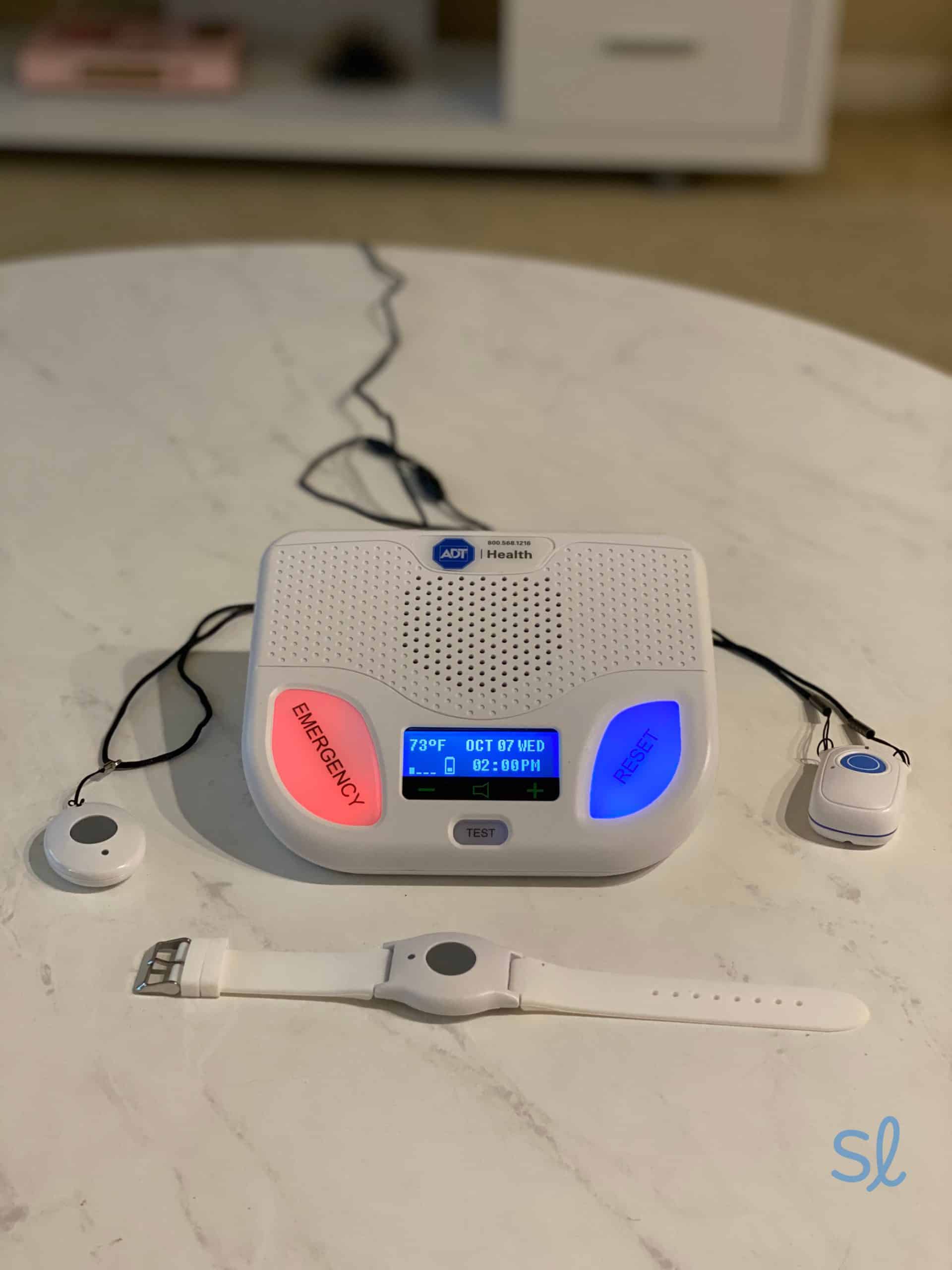
Setting up my Medical Alert Plus ADT system
My grandma and I are notoriously hard on our devices. This is why I like ADT’s lifetime Premium Protection Plan. Unlike Bay Alarm Medical and Medical Guardian, ADT won’t charge you extra to protect your devices. The protection plan is included in your premium and covers damage caused by spills, drops, power surges, dust, and more. The only thing it won’t cover is a lost device.
» Learn More: ADT Medical Alert System Review
Along with their commendable equipment protection policies, ADT offers two solid cellular systems: Medical Alert Plus and On-The-Go. Medical Alert Plus is an at-home system with a range of 600 feet from the base unit (much shorter than Medical Guardian and LifeFone), but it’s still a good option for housebound seniors.
The On-The-Go mobile system lasts 40 hours on a single charge. Since the mobile device is water-resistant and easy to slip into your pocket, purse, or handbag, I could use it wherever I went.
Pros & Cons:Pros About ADT’s Medical Alert
- Lifetime protection plan will replace damaged equipment for free
- At-home and on-the-go cellular systems
- Works on AT&T’s nationwide network
- Fast and simple setup
- No long-term contracts
- Discounts and freebies with annual plans
Cons About ADT’s Medical Alert
- Not a good option for seniors in areas with poor AT&T service
- Most affordable system only works with a landline
- No companion app for caregivers
Our Hand-On Testing:Response Times
My grandma and I tested out the response times for ADT’s Medical Alert Plus and On-The-Go systems. After five test calls per system, both recorded average response times of around 20 seconds. It is comparable to most of the cellular systems from Medical Guardian, LifeFone, and Bay Alarm Medical, but 10 seconds faster than Aloe Care Health.
Customer Service
My experience with ADT’s customer service was generally positive. I went through a few automated bot responses before I finally connected with a customer service agent. However, the agent was very friendly and answered all of my questions.
While my experiences with ADT’s customer care team and emergency response agents were positive, I was disappointed that ADT doesn’t offer much in the way of non-English support. An agent informed me that they would prioritize sending help over finding someone who could speak the same language. While this makes sense, I would have liked to see multilingual customer support for nonnative English speakers.
Pricing
ADT’s most affordable cellular system is the Medical Alert Plus, the upgraded version of the Basic at-home system. Prices start at $39.99 per month, which is about $5 more than the comparable system from LifeFone and $10 more than the comparable system from Bay Alarm Medical.
Fortunately, you can shave $5 off your monthly premium, get free two-day shipping, and score a lockbox (a $29.99 value) by paying for a year of service in advance. You can shave $2 off your premium and get free shipping by paying quarterly premiums.
» Pricing Guide: ADT Medical Alert Systems: Pricing and Getting the Best Deal
The same discounts apply to ADT’s On-The-Go system, but the starting monthly price is $41.99. While ADT doesn’t charge equipment fees, they charge a one-time $99 activation fee. Still, ADT’s up-front costs are lower than Aloe Care Health and Medical Guardian.
It’s important to note that ADT charges $11 per month for fall detection, which is more than double the cost of LifeFone’s fall detection and $1 more per month than most other providers.
-
4. LifeFone’s At-Home Landline - Most Affordable Fall Detection
 See Pricing Links to LifeFone’s At-Home Landline
What we like most
- Cellular systems starting at $34.95 per month
- 1,300-foot button-to-base range
- At-home and on-the-go cellular systems
LifeFone’s At-Home LandlineSee Pricing Links to LifeFone’s At-Home LandlineOverview:
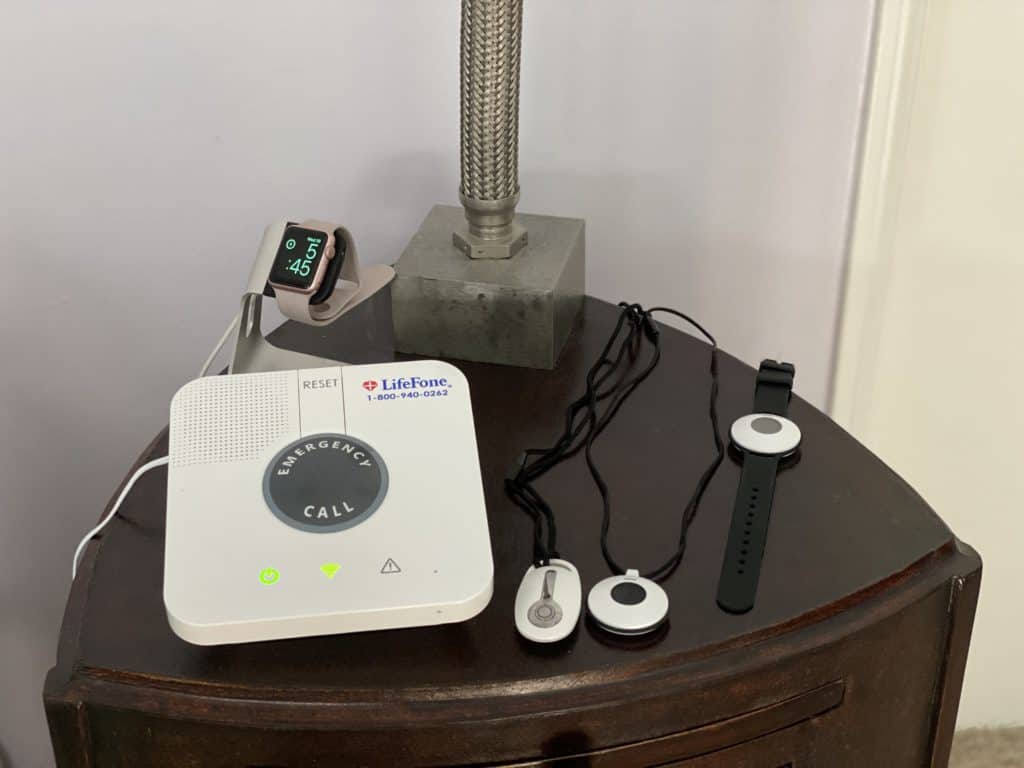
LifeFone – At Home (Landline or Cellular) Equipment
With fall-related death rates among adults age 65 and older increasing by about 41 percent from 2012 to 2021,2 I recommend adding automatic fall detection to your cellular system. LifeFone made our list because it offers some of the lowest-priced fall detection in the industry at just $5 per month. That’s half the cost of fall detection with most other providers, including Medical Guardian and Bay Alarm Medical. LifeFone’s At-Home Cellular system is $34.95 per month, and LifeFone offers a price-lock guarantee, so you won’t have to worry about the price of your service going up.
» Learn More: 2026 LifeFone Review
In addition to affordable fall detection and a price-lock guarantee, LifeFone offers valuable perks like free spouse monitoring. The company also offers discounts to veterans and AARP members, so take advantage if you qualify! All of LifeFone’s cellular systems are compatible with AT&T and Verizon networks, giving seniors in rural or low-coverage areas more opportunities to stay connected and protected.
» Related Reading: Best Medical Alert Systems for Veterans
Pros & Cons:Pros About LifeFone’s At-Home Landline
- Inexpensive automatic fall detection
- No activation or equipment fees
- No long-term contracts
- Price-lock guarantee
- 30-day money-back guarantee
- 1,300-foot button-to-base range
- Free spouse monitoring
Cons About LifeFone’s At-Home Landline
- Free shipping only available on certain billing plans
- Only English- and Spanish-speaking agents
- Best rates require an annual plan
Our Hand-On Testing:Response Times
Based on my testing, LifeFone offers solid response times. I tested the In-Home Cellular package and the VIP flex system using the help buttons on both devices. I was able to get an emergency-response agent on the line in about 20 seconds with both systems. That was only five seconds slower than Medical Guardian, and 10 seconds faster than Aloe Care Health.
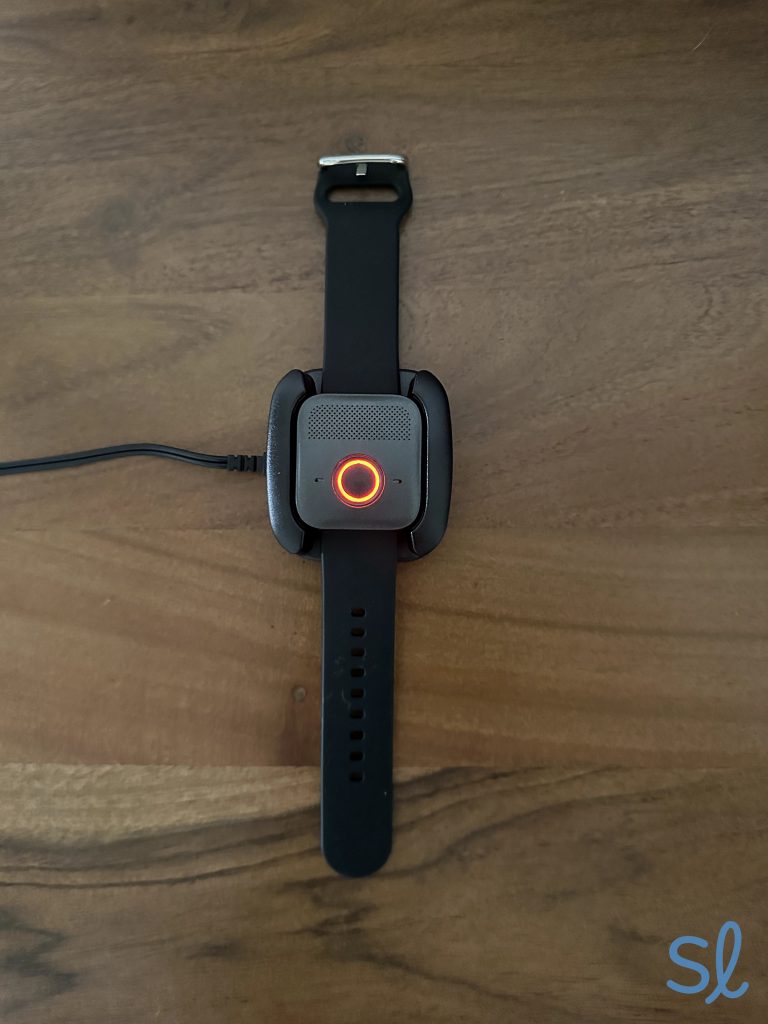
Charging LifeFone's VIP flex system
Customer Service
I called LifeFone’s customer-care number on three different occasions, and each time I was connected with a friendly, knowledgeable representative. Everyone I spoke with was happy to answer any questions I had and offer recommendations.
LifeFone has two numbers. The one you should call depends on the nature of your question — general information or tech support — and we had to wait only a few minutes to connect with someone.
>> Compare: LifeFone vs. Medical Guardian
Pricing
LifeFone’s At-Home Cellular system starts at $34.95 per month. You can knock that price to $30.95 per month with an annual plan, though. We think adding fall detection is a great value at just $5 per month, especially if you or a loved one is prone to missteps or falls.
LifeFone also has several mobile medical alert options if you spend a lot of time on the go. The VIP Active system offers GPS and Wi-Fi tracking, starting at $41.95 per month. For a mobile device with a longer battery life and an optional caregiver app, you can upgrade to the VIPx plan, which starts at $43.95 per month.
The Safe Watch Active system is an excellent option for active seniors who want features such as heart monitoring and step tracking, but it’s also one of the most expensive plans at $47.95 per month. Unlike Medical Guardian, which charges high fees for equipment, LifeFone doesn’t charge activation or equipment fees.
-
5. Aloe Care Health - Best High-Tech System

What we like most
- One free month of service for veterans
- Prices starting at $39.99 per month
- Unique features: Activity and caregiver monitoring
Overview:
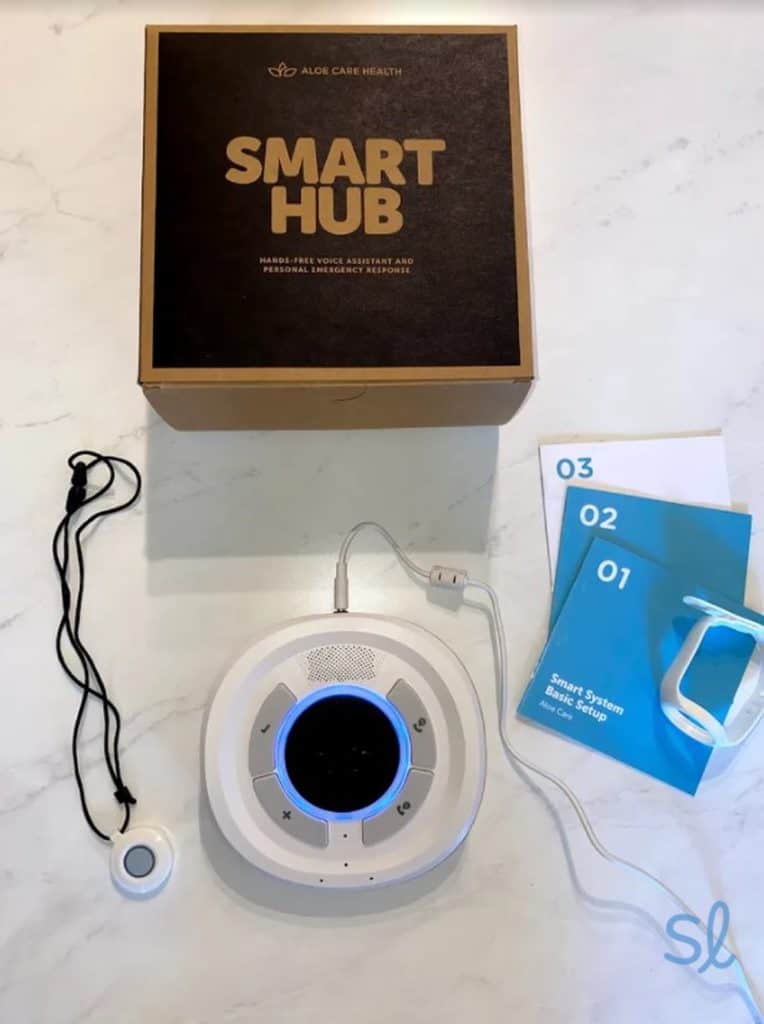
Unboxing my Aloe Care Health Smart Hub
If you’re an older adult who embraces advanced technology, Aloe Care Health will be right up your alley. The Essentials package, powered by AT&T’s 4G network, uses a Smart Hub and help button to provide medical alert protection, motion and temperature monitoring, and check-in calls. I found that Aloe Care Health’s Smart Hub is very sleek and blends with the kitchen counter. If you’re looking for discreet protection, it’s my top in-home pick.

My uncle trying out the Aloe Care Health Mobile Companion
With the mobile app, I could call the Smart Hub and use the two-way speaker to talk to the user. I also like that the system can detect motion and send alerts to the mobile app. When my uncle tried the system, I received an alert each morning as he first walked past the Care Hub. I could also see alerts if he hadn’t walked by the system for long periods. Those are unique features I haven’t seen with most medical alert systems.
Expert InsightsFrom Linda Schlenker, M.S., M.A., O.T.R,Aloe Care Health may be a little too high tech for many, but for those who can handle the technology, it has a lot of great features.Pros & Cons:Pros About Aloe Care Health
- Motion, temperature, and air-quality sensors
- Secure app for caregivers
- Two-way check-in calls via Smart Hub
- 30-day money-back guarantee
- No long-term contracts
- Assistance available by voice or by pressing the help button
Cons About Aloe Care Health
- Only works on AT&T’s cellular network
- Fall detection only available with top-tier packages
- High equipment fee
Our Hand-On Testing:Response Times
With average response times of 30 seconds, Aloe Care Health is a little slower than the other providers on our list. The times we recorded with Aloe Care Health are by no means slow though; LifeFone beat Aloe Care Health by only about 10 seconds.
» Further Reading: Aloe Care Health Medical Alert Review
I’m a big fan of the smart hub’s voice-activated feature. To call for help, I could press my help button or just say “emergency” three times in a row. The system picked up my voice and connected with Aloe Care Health’s emergency response center. That’s a great option if you can’t press your pendant or you forget to wear it.
Customer Service
The Total Care app for caregivers makes it pretty easy for loved ones to keep in touch with support as needed. I could contact support via the secure mobile app, over the phone, or using the website’s live chat feature.
When setting up my system, I had some trouble getting the mobile app to connect with the Smart Hub. I gave customer service a call, and they helped me troubleshoot the problem. It took a few attempts to get the system up and running, and the representative was patient and persistent!
Pricing
The cost of an Aloe Care Health system is a bit more than competitors such as Bay Alarm Medical. The Essentials system costs $39.99 per month for monitoring service and $199.99 for equipment. Prices continue to climb for top-tier packages, but I believe the technology and sleek equipment can be worth the cost. Aloe Care Health also offers two mobile cellular medical alert systems for on-the-go older adults.
» Related Reading: Best Medical Alert Systems for Active Seniors
The Essentials Plus system, featuring the Smart Hub and a mobile device, has a staggering $349.99 equipment fee plus a $59.99 monthly rate. To put that price in perspective, you can get a comparable Bay Alarm Medical bundle with the same monthly rates and pay around $250 less in equipment fees. We love Aloe Care Health’s high-tech systems, but you’d be better off choosing another company if you’re on a tight budget.
Aloe Care Health’s equipment fee and monthly service fees are a bit higher than its competitors, but you’ll get advanced features that other providers simply don’t offer.

The Pros and Cons of a Cellular Medical Alert System
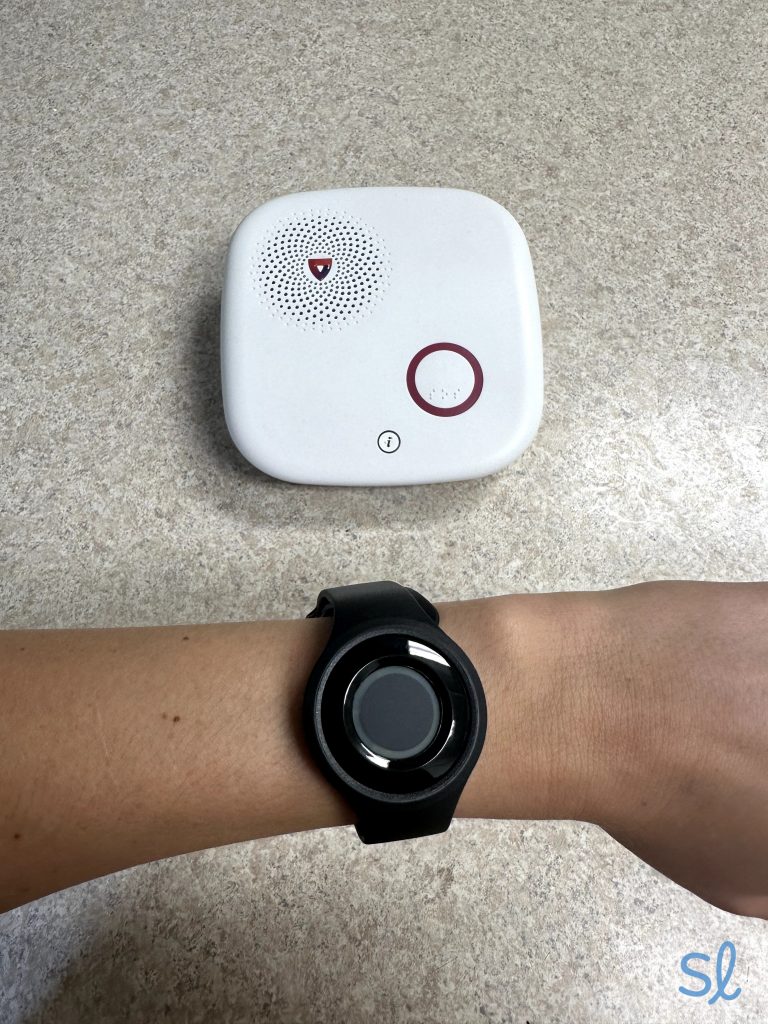
Using Medical Guardian's help bracelet with the MGHome Cellular system
Pros
- Convenience: As of the first half of 2024, nearly 75 percent of U.S. adults live in a wireless-only household.3 Cellular systems are the modern standard.
- Mobility: For snowbirds and seniors who like to travel, a cellular medical alert system can be carried from home to home. If you get a landline system, you’ll have to worry about the homes you visit having landlines too. With an in-home cellular medical alert system, all you need is a power outlet. If you choose an on-the-go cellular system, you won’t even need a power outlet. Just throw your system on like a necklace or wristwatch, and you’re good to go!
Cons
- Cost: In-home systems range from $20 to $40 per month, depending on the provider and add-ons you select. In-home cellular medical alert systems without a landline typically are $5 to $10 more per month than systems that use a landline. On-the-go cellular medical alert systems tend to be pricier than in-home options, starting at around $35 per month.
- Reception: Just as your cell phone needs good reception to connect your phone calls, so does a cellular medical alert system. If you don’t have a landline, the medical alert system will rely on cellular coverage to make calls to the emergency monitoring center. If you live in a rural area, ensure you have strong, reliable reception for your cellular system.
FYI:If you or a loved one struggles with hearing loss, consider a medical alert system for seniors with hearing loss.
Do I Need Wi-Fi for a Cellular Medical Alert System?
While recent studies show that roughly 75 percent of adults aged 65 and older use the internet, high-speed broadband isn't necessary for these systems.4 A medical alert system without a landline uses cellular coverage (think Verizon or AT&T) to connect to the emergency-monitoring center when you need help. That’s why it’s critical to make sure the medical alert provider has good cellular coverage in your area if you don’t have a landline.
Mobile System vs. In-Home Cellular Medical Alert System
A mobile system — sometimes called an on-the-go or GPS — provides protection no matter where you are. An in-home system provides protection — you guessed it! — in the home. They both use cellular service to connect you to the monitoring center in an emergency, but an in-home system has a limited range of about 400 to 1,300 feet, depending on the system you purchase.

Testing out Medical Guardian's MGMini system
For homebodies without a landline, an in-home cellular medical alert system, such as the ones listed above, will work just fine. If you’re active and want your cellular medical alert system to be as mobile as you are, an on-the-go system is more your style.
On-the-go systems are more expensive than in-home systems, but the comprehensive protection they offer is worth the extra cash for many seniors. If you’re interested in a mobile system, check out our list of the best GPS medical alert systems.
Still not sure if a home system is right for you? Check out the video below.
Frequently Asked Questions
-
Does AT&T have a medical alert system?
AT&T has a partnership with the family-owned company LifeStation, but it does not have its own medical alert system. AT&T, however, is compatible with many other medical alert system providers.
-
What is the difference between a landline and a cellular medical alert system?
A landline medical alert system requires you to use a base station that’s connected to the phone jack in your home, and it uses that landline connection to get help. A cellular system uses a cellular network to connect to a monitoring center, opening the door for in-home and on-the-go protection (depending on the system you choose).
-
What cellular network does Life Alert use?
Life Alert uses GSM cellular service, which includes carriers such as AT&T, T-Mobile, and Mint Mobile.
-
Can a cell phone be used for a medical alert system?
Yes, some modern smartphones come equipped with emergency-response features and, in some cases, fall detection. Providers such as Lively design phones with dedicated medical alert buttons and 24/7 monitoring services.
-
Social Security Administration. (2025). Social Security Fact Sheet.
-
CDC. (2024). Older Adults Fall Data.
-
National Center for Health Statistics. (2025). NHIS Early Release: Wireless Phone Use.
-
Pew Research Center. (2024). Internet, Broadband Fact Sheet.