Everything You Need to Know About Hearing Aid Costs in 2026
Hearing aid prices range from a few hundred dollars for over-the-counter devices to around $8,000 per pair for top-tier prescription hearing aids.

SeniorLiving.org is supported by commissions from providers listed on our site. Read our Editorial Guidelines
Many of today's more advanced hearing aids can fully restore your sense of hearing, but these devices can come with a high price tag. Prescription hearing aids typically cost anywhere from $1,000 to $4,000 per ear, adding up to $2,000 to $8,000 per pair. Over-the-counter (OTC) hearing aids are typically more affordable, ranging from a few hundred dollars to $3,000 per pair. That still may sound expensive, but you can't put a price on your hearing!
| Brand | Price per pair |
|---|---|
| Starkey | $2,000 to $8,000* |
| Oticon | $2,000 to $8,000* |
| Phonak | $2,000 to $8,000* |
| Widex | $2,000 to $8,000* |
| Jabra Enhance | $1,195 to $1,995 |
| Eargo | $1,450 to $2,950 |
| MDHearing | $297 to $597 |
| Audien | $99 to $249 |
* Prices will vary by location and provider. Costs listed are estimates from audiologist Dr. Ruth Reisman.
The truth is, most people don't have $8,000 lying around. Fortunately, there are several ways to reduce out-of-pocket expenses when buying hearing aids. Here's a closer look at what you can expect to pay for hearing aids, whether or not your insurance will help cover the cost, and different programs you can check into that provide financial assistance for hearing aid devices.
What Is Included With a Hearing Aid Purchase?
When you buy a prescription hearing aid, you pay for much more than the device itself. Along with the device, the hearing aid cost usually covers a hearing test, a consultation, the initial fitting session, and multiple follow-up adjustments. The hearing aid cost covers routine cleanings plus a warranty in some cases.
What comes included with OTC hearing aids varies by provider. Many offer a free hearing test, along with follow-up care from audiologists and a mobile app for remote adjustments. Others offer hearing aids without any extra features or care. There may not be a warranty, for example.
As far as the warranty goes, many hearing aids come with up to two to three years of warranty coverage. The warranties often cover all repair expenses; some even come with a one-time replacement policy, which is of immense advantage if you lose a hearing aid.
When buying a hearing aid, you can opt for an “unbundle” pricing scheme. This pricing allows you to pick and choose which device and services you want. This way, you're not paying for services you will never use. For example, you don’t want to pay for a “loss and damage” warranty. When you opt for an “unbundle” hearing aid deal, you don't have to pay for a warranty if you don't want one. Carefully consider which features you don’t want – you don’t want to end up needing one later on and not having it.
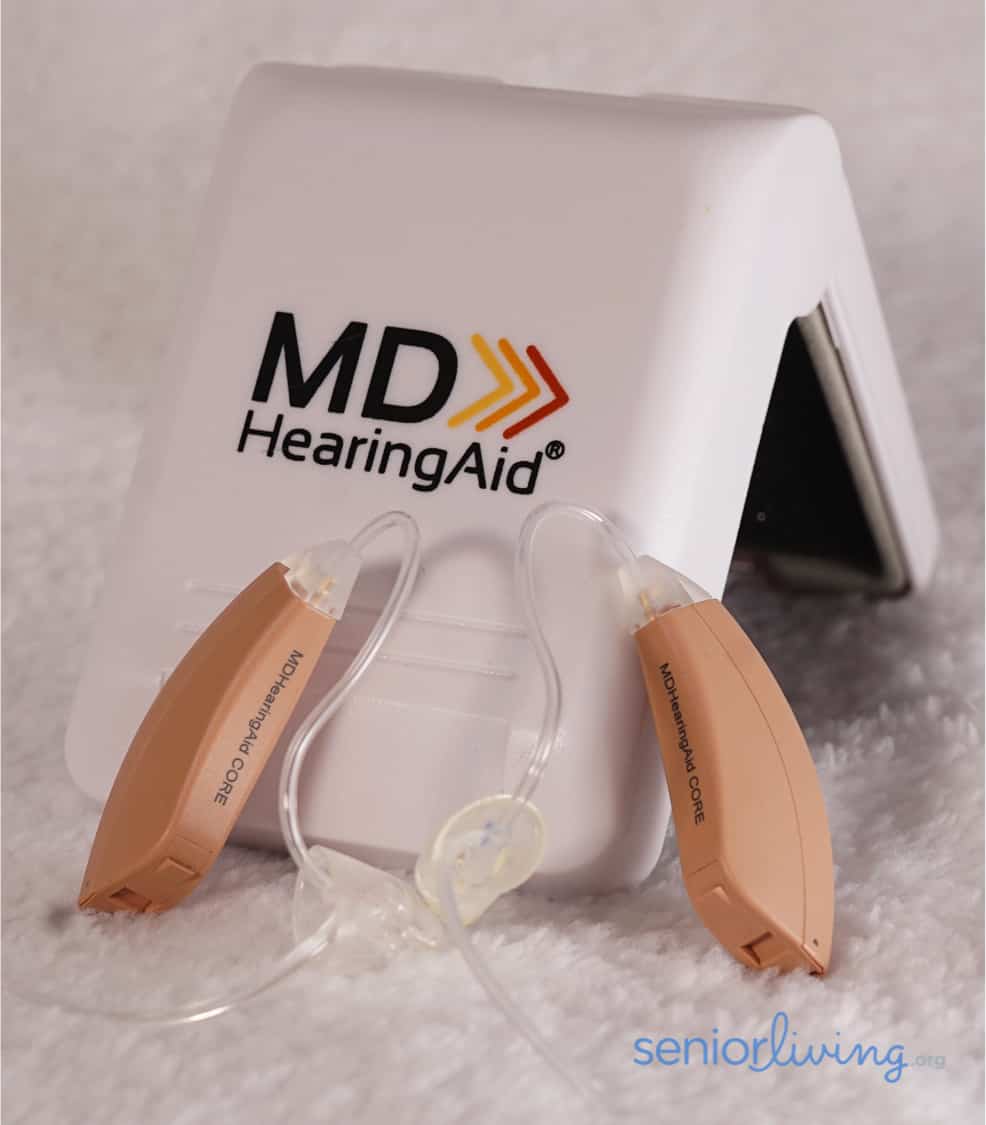
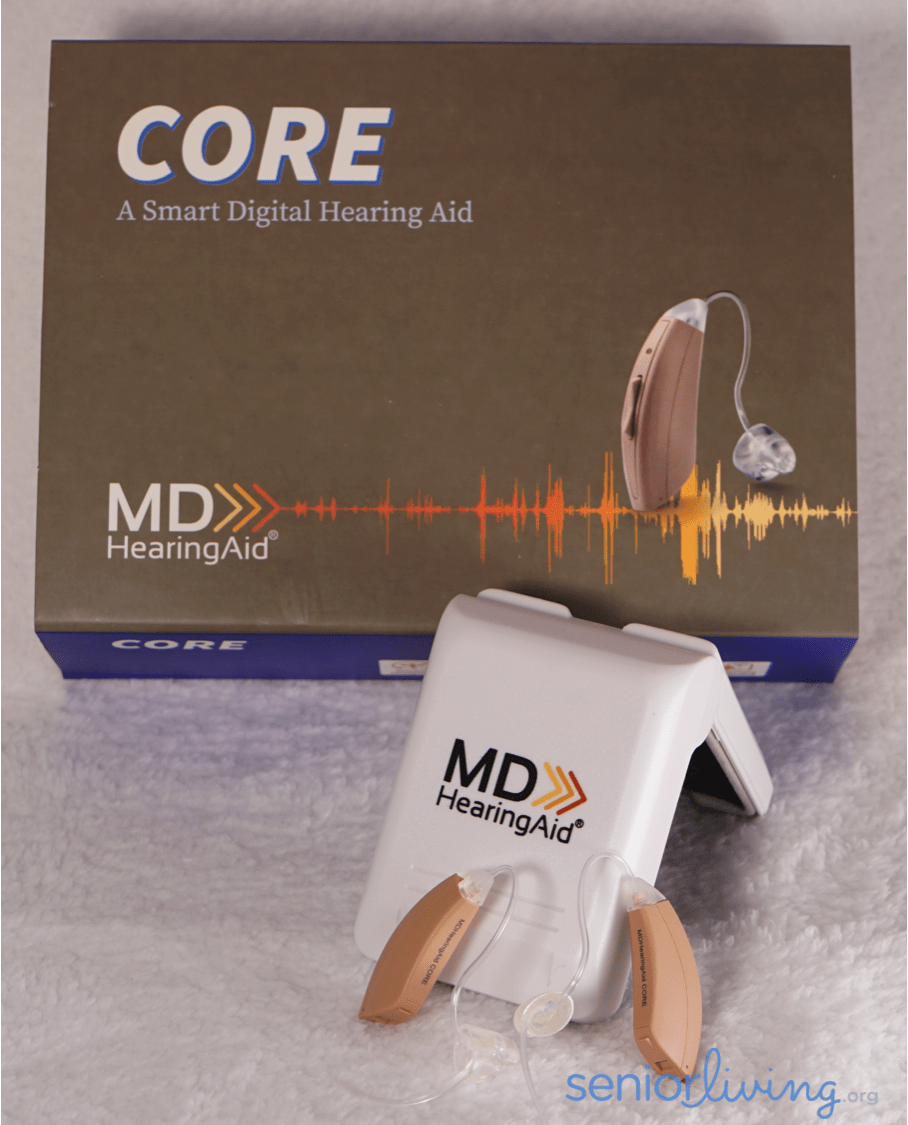
MD HearingAid CORE
What Impacts How Much Hearing Aids Cost?
Most of the time, the most significant factor that impacts your hearing aid cost is the device's technology and features. Although hearing aid prices have not gotten less expensive, the technology in these devices has become more sophisticated. Hearing aids that were considered top-of-the-line just a few years ago are now classified as basic or mid-tier devices.
If you opt for the most advanced technology in a hearing aid, you can expect features like Bluetooth connectivity, artificial intelligence sound processing, rechargeable batteries, smartphone app integration, and sophisticated noise-reduction algorithms.
If you're not interested in the best of the best, you can always opt for a more affordable version that still provides solid hearing capabilities.
Are Hearing Aids Worth the High Cost?
Hearing aids are most definitely worth the high cost. Think about it. Hearing aids that were considered top-of-the-line just a few years ago are now classified as basic or mid-tier devices.
If you opt for the most advanced technology in a hearing aid, you can expect features like Bluetooth connectivity, artificial intelligence sound processing, rechargeable batteries, smartphone app integration, and sophisticated noise-reduction algorithms.

Oticon Hearing Aids
Does Insurance Pay for Hearing Aids?
A significant portion of Americans use third-party payment assistance when covering the cost of hearing aids. You should check with your insurance provider to see if any financial assistance is available for your hearing aid.
Many private insurance plans feature some hearing aid coverage, though the extent varies widely. Some plans cover a portion of the cost (typically $500 to $2,500 per ear) every three to five years. Note that Original Medicare (Parts A and B) does not cover hearing aids or exams for fitting hearing aids, though some Medicare Advantage plans may offer hearing benefits. 1
Those who have served in the U.S. military should check with the Department of Veterans Affairs to see whether they qualify for hearing aid payment assistance. Qualifying veterans enrolled in VA health care can receive hearing aids at no cost, including coverage for the device, consultations, fittings, repairs, batteries, and accessories.2
If you’re still concerned about affording hearing aids, there are a few ways that some older adults can qualify for free hearing aids.
Are Hearing Aids Tax Deductible?
Good news! If you itemize deductions, you can deduct the cost of hearing aids and associated costs on your federal income taxes. According to the IRS, this includes the cost of hearing aids, batteries, maintenance, and repairs required to use your hearing aids.3 If your spouse or dependents have hearing aids, ensure you deduct their costs as well.
Should You Buy Hearing Aids Online?
You can find great deals for OTC hearing aids online, with many deals significantly reducing your hearing aid cost. However, it’s pertinent to understand that ordering hearing aids through the mail or online includes a significant drawback — you probably won’t receive a consultation or unique fitting session.
When you purchase hearing aids through a local hearing clinic, you can have the devices precisely calibrated to your hearing loss needs. That’s a fantastic advantage! Your consultation and fittings are instrumental in whether the hearing aid helps you achieve optimal hearing.
However, since the FDA established the over-the-counter hearing aid category in October 2022, many online retailers now offer virtual fittings, remote consultations, app-based adjustments, and trial periods that make online purchasing more viable for adults with perceived mild to moderate hearing loss.2
Take Our Free Online Hearing Test
Wondering if you have hearing loss?
Grab your headphones and get an evaluation in minutes.
-
Medicare.gov. (2026). Hearing Aids Coverage – Medicare.gov.
-
U.S. Department of Veterans Affairs. (2026). About VA Health Benefits.
-
IRS. (2024). Publication 502: Medical and Dental Expenses.
-
U.S. Food and Drug Administration. (2024). OTC Hearing Aids: What You Should Know.