The Best Invisible Hearing Aids of 2026, Tested and Reviewed by Audiologists
Eargo tops our list for the best invisible hearing aids, offering discretion, durability, and high-quality devices.


Our team of audiologists and senior tech experts tested the industry’s leading hearing aids and narrowed down the list to our favorite invisible models.
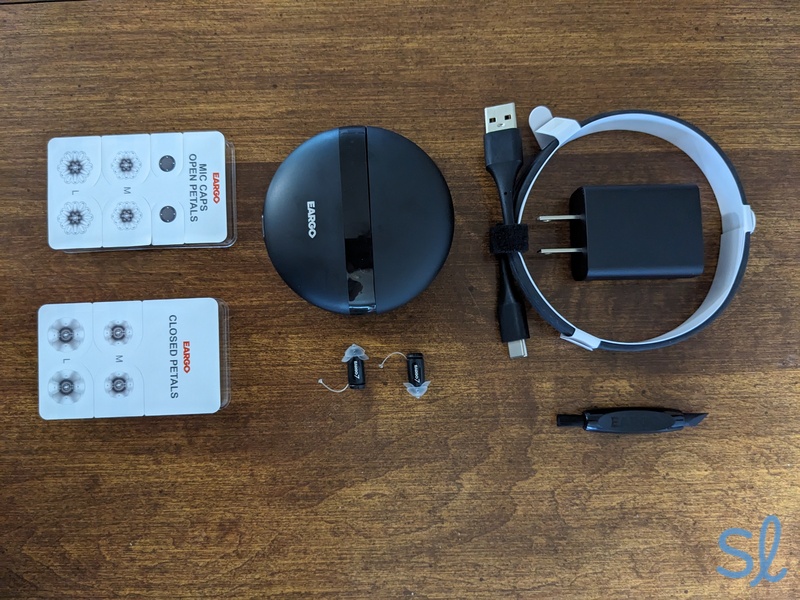
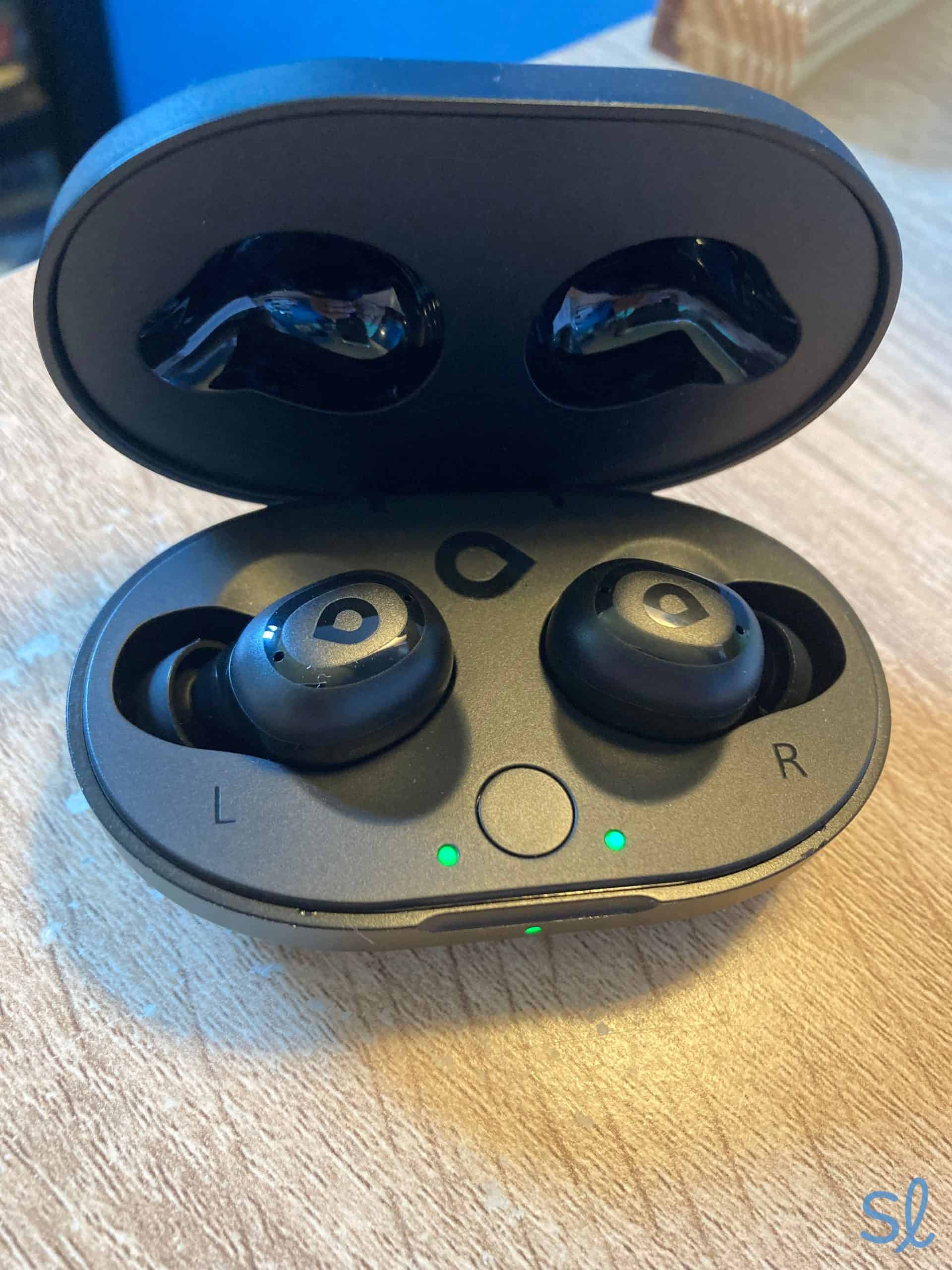
Our team has tested all of the hearing aids on our list, including the Eargo 7 pictured here.
How We Tested the Hearing Aids
Our tech team conducted hands-on testing to compare the best invisible and near-invisible hearing aids on the market. We focused on various factors that could affect efficacy, comfort, and visibility.
Here’s what our testing process looked like for OTC hearing aids that are available without a prescription:
- Our team tried out each brand’s online hearing test, comparing our results to in-person evaluations from an audiologist.
- Then, we selected our hearing aids and made our purchase, evaluating the overall purchasing process. We considered the price and value of each hearing aid model, promotions, fees, and upfront costs.
- Once the devices arrived at our doorstep, we followed the instructions to set them up. If the brand had a mobile app, we downloaded it to our phones. We evaluated the ease of use and the number of steps required to ensure our hearing aids were fully functional.
- We contacted customer service multiple times to evaluate the quality of care by phone, mobile app (if applicable), and online chat features.
- Our team tested each hearing aid for a week, using them at home, in noisy environments, and in more intimate, conversational settings. We evaluated the hearing aid’s features, sound quality, and ease of use in each location. We also noted if they were visible from certain angles or virtually invisible from every angle.
For prescription hearing aids that can’t be ordered online, we spoke with Dr. Reisman about her expertise with each brand. We used her experience prescribing and testing these hearing aids, along with feedback from her patients, to evaluate and rank them.
How We Chose the Best Hearing Aids
Our team of tech experts, along with our resident audiologist, Dr. Reisman, researched and reviewed the industry’s leading invisible hearing aids to narrow down our list. We spent over 100 hours researching and testing these devices based on several criteria:
- Size: Invisible hearing aids are typically, but not always, tiny. We focused on a variety of smaller hearing aids that still offer a range of prices and features to suit different needs.
- Discreet design: When evaluating invisible or near-invisible hearing aids, we wanted to ensure that the devices are designed to be comfortably worn without being noticed.
- Durability: With smaller devices, there’s always the concern that they’ll be more susceptible to breaking or damage. We tested each device to ensure it could withstand everyday wear and tear.
- Sound quality: Another assumption about small hearing aids is that they won’t offer the same sound quality as larger, more robust models. While this can be true, we searched for those that have the best balance between minimal visibility and excellent sound quality.
- Ease of use: Smaller, less visible hearing aids typically have fewer buttons to control things such as volume and environment programming. Fortunately, most modern models come with mobile apps that make it easy to set them up and customize the settings for your hearing. Alternatively, some providers allow you to work with an audiologist to make necessary changes.
- Value: Finally, we strive to ensure seniors receive the best value for their money. We examined the features offered with each model and included providers with varied price points for seniors on every budget.
Why Trust Us
Our team of tech experts tries out the latest devices for seniors each year. We’ve logged hundreds of hours testing and reviewing hearing aids from dozens of providers.
We also collaborated with experts, including our resident licensed audiologist, Dr. Ruth Reisman, to find the best invisible prescription hearing aids. She has personally tested and prescribed hearing aids from providers on this list. She’s also worked alongside us to select the best aids for size and discretion, as well as offering her feedback on specific models. Dr. Reisman has over 15 years of experience working with older adults who have hearing loss.
SeniorLiving.org is supported by commissions from providers listed on our site. Read our Editorial Guidelines

- Discreet, in-ear designs
- Rechargeable models
- Suitable for mild to moderate hearing loss

- Variety of discreet models to choose from
- Rechargeable and battery-powered models
- Suitable for mild to profound hearing loss

- Optimal discretion with invisible-in-the-canal (IIC) models
- Battery-powered and rechargeable models
- Suitable for mild to profound hearing loss

- 100-day free trial
- 3-year loss and damage coverage
- Designed for mild-to-moderate hearing loss

- Competitively-priced hearing aids
- 24/7 live customer support
- Available to purchase individually or as a pair
Contents
Invisible and nearly invisible hearing aids offer discretion, freeing individuals to go about their daily lives without their hearing devices getting in the way. Many are just as powerful, if not more than, their more visible counterparts.
We tested and compared the best hearing aids to rank our top five invisible devices. Our tech experts evaluated each hearing aid in categories like visibility, price, value, sound quality, ease of use, and more. We also consulted with Dr. Ruth Reisman, an audiologist on our expert panel, for her recommendations and insights. Eargo won our top honor for offering invisible-in-the-canal (IIC) models that can be purchased online without a prescription.
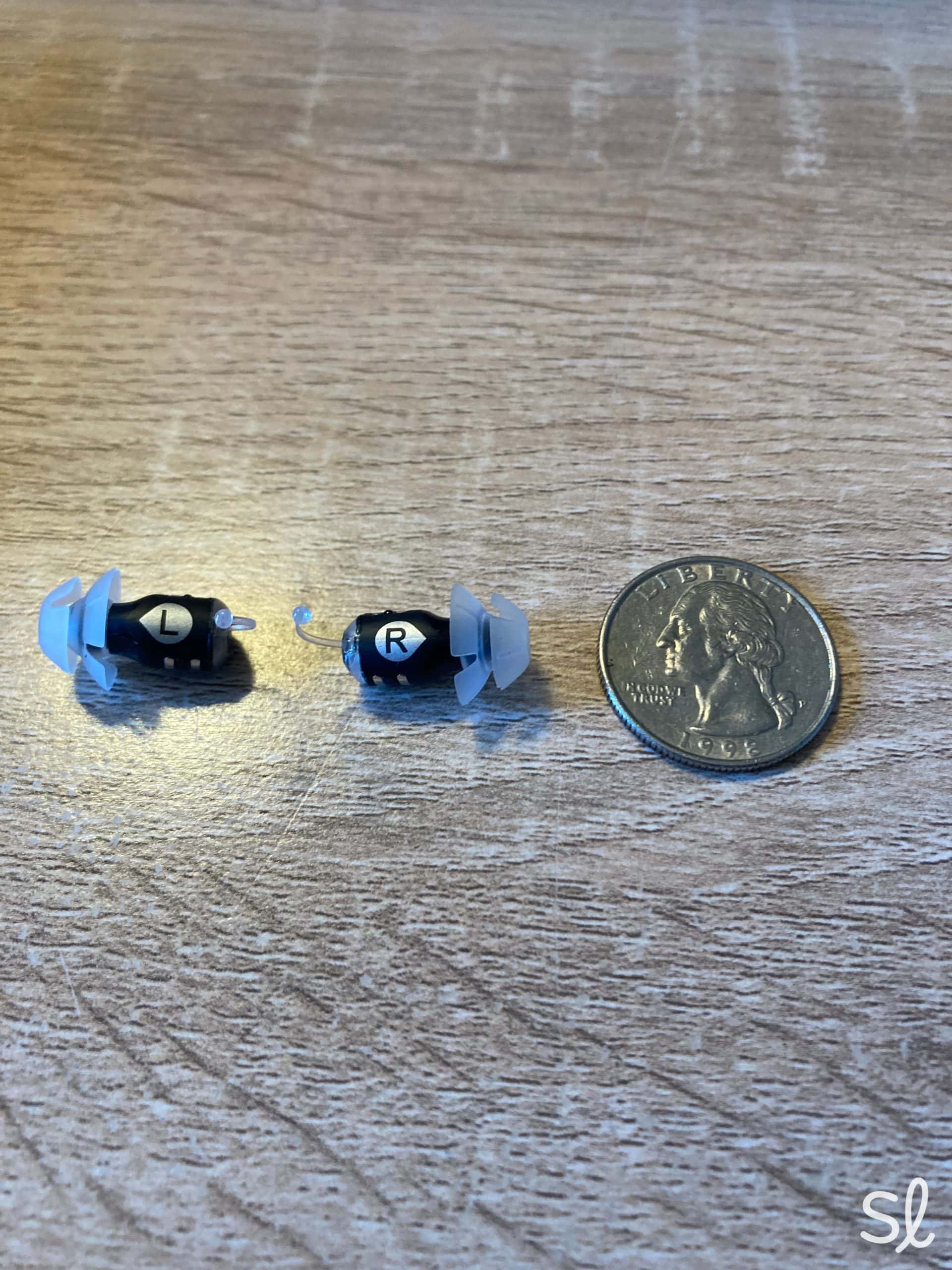
We tested all of the invisible hearing aids on our list, including Eargo's SE model.

Our Picks for the Best Invisible Hearing Aids for 2026
Our Methodology
Everything included in the Eargo 7 box
How We Tested the Hearing Aids
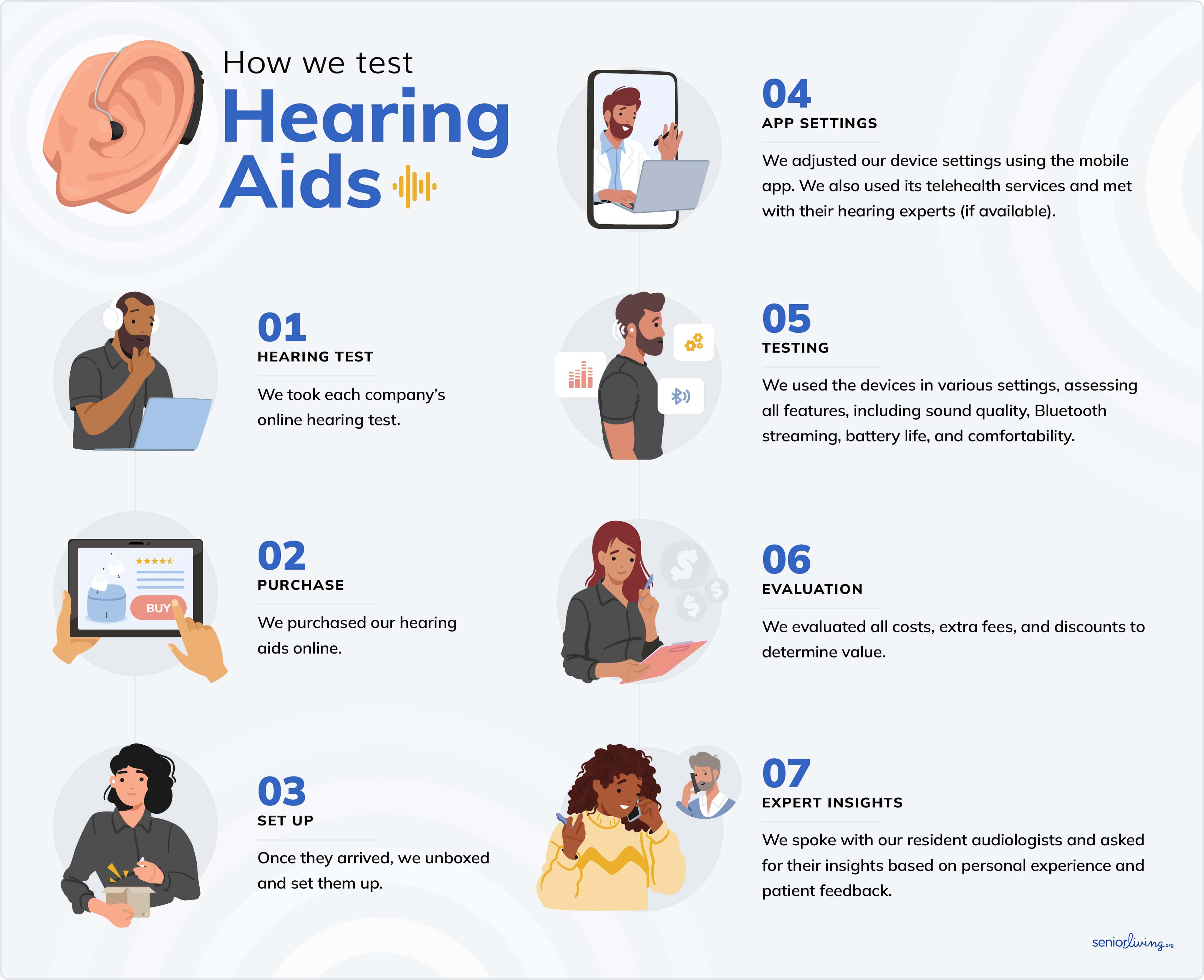
Our tech team conducted hands-on testing to compare the best invisible and near-invisible hearing aids on the market. We focused on various factors that could affect efficacy, comfort, and visibility.
Here’s what our testing process looked like for OTC hearing aids that are available without a prescription:
- Our team tried out each brand’s online hearing test, comparing our results to in-person evaluations from an audiologist.
- Then, we selected our hearing aids and made our purchase, evaluating the overall purchasing process. We considered the price and value of each hearing aid model, seasonal promotions, fees, and upfront costs.
- Once the devices arrived at our doorstep, we followed the instructions to set them up. If the brand had a mobile app, we downloaded it to our phones. We evaluated the ease of use and the number of steps required to ensure our hearing aids were fully functional.
- We contacted customer service multiple times to evaluate the quality of care by phone, mobile app (if applicable), and online chat features.
- Our team tested each hearing aid for a week, using them at home, in noisy environments, and in more intimate, conversational settings. We evaluated the hearing aid’s features, sound quality, and ease of use in each location. We also noted if they were visible from certain angles or virtually invisible from every angle.
For prescription hearing aids that can’t be ordered online, we spoke with Dr. Reisman about her expertise with each brand. We used her experience prescribing and testing these hearing aids, along with feedback from her patients, to evaluate and rank them.
How We Chose the Best Hearing Aids
Our team of tech experts, along with our resident audiologist, Dr. Reisman, researched and reviewed the industry’s leading invisible hearing aids to narrow down our list. We spent over 100 hours researching and testing these devices based on several criteria:
- Size: Invisible hearing aids are typically, but not always, tiny. We focused on a variety of smaller hearing aids that still offer a range of prices and features to suit different needs.
- Discreet design: When evaluating invisible or near-invisible hearing aids, we wanted to ensure that the devices are designed to be comfortably worn without being noticed.
- Durability: With smaller devices, there’s always the concern that they’ll be easier to break or damage. We tested each device to ensure they could withstand everyday wear and tear.
- Sound quality: Another assumption about small hearing aids is that they won’t offer the same sound quality as larger, more robust models. While this can be true, we searched for those that have the best balance between minimal visibility and excellent sound quality.
- Ease of use: Smaller, less visible hearing aids typically have fewer buttons to control things such as volume and environment programming. Fortunately, most modern models come with mobile apps that make it easy to set them up and customize the settings for your hearing. Alternatively, some providers allow you to work with an audiologist to make necessary changes.
- Value: Finally, we strive to ensure seniors get the best value for their money. We examined the features offered with each model and included providers with varied price points for seniors on every budget.
Why Trust Us
Our team of tech experts tries out the latest devices for seniors each year. We’ve logged hundreds of hours testing and reviewing hearing aids from dozens of providers.
We also worked with experts, like our resident licensed audiologist, Dr. Ruth Reisman, to find the best invisible prescription hearing aids. She has personally tested and prescribed hearing aids from providers on this list. She’s also worked alongside us to select the best aids for size and discretion, and she offered her feedback on specific models. Dr. Reisman has more than 15 years of experience working with older adults who have hearing loss.
The Best Invisible Hearing Aids at a Glance
| Brand | Starting price | Prescription required | Battery life | Styles | Warranty |
|---|---|---|---|---|---|
| Eargo | $799 per pair | No | Up to 16 hours | IIC, CIC, earbud | 2 years |
| Phonak | $2000 per pair | Yes | Up to 4 months | IIC, ITE, Mini BTE | 1 to 3 years |
| Signia | $200 per pair | Yes | Up to 39 hours | IIC, CIC, ITC, ITE, Mini BTE | 2 to 3 years |
| Jabra Enhance | $1,195 per pair | No | Up to 24 hours | Mini BTE | 3 years |
| MDHearing | $297 per pair | No | Up to 18 hours | CIC, ITC, Mini BTE | 1 year |
-
1. Eargo - Best Invisible Hearing Aid for Online Purchase
See Pricing Links to EargoWhat we like most
- Discreet, in-ear designs
- Rechargeable models
- Suitable for mild to moderate hearing loss
EargoSee Pricing Links to EargoOverview:
Testing out the Eargo 7 devices
- Price: $799 to $2699 per pair
- Style: IIC, CIC, earbud
- Type: OTC
- Battery life: Up to 16 hours
Eargo offers affordable devices that individuals can purchase over the counter (OTC) — no prescription required. They boast high-quality devices, natural sound, and sleek designs. This company made our list because invisibility, rechargeability, and value are standard with every model.
Did You Know? Eargo offers some of the only rechargeable IIC hearing aids on the market. Check out our list of the best rechargeable hearing aids to learn more.
Eargo’s hearing aid models, including the Eargo 8, Eargo SE, and LINK by Eargo, as well as legacy models like the Eargo , fit snugly in the ear canal. It reduces background noise and makes them invisible during testing. Since you can buy these IIC devices online, you can forgo an appointment with an audiologist. While convenient, they won’t suit individuals with severe to profound hearing loss.
Pros & Cons:Pros About Eargo
- No prescription required
- Devices are nearly invisible
- Cases act as charging devices
- Lifetime support from a hearing aid professional
- Mobile app for remote adjustments
Cons About Eargo
- Not designed for those with profound hearing loss
- Only one Bluetooth model has direct streaming
Our Hands-on Experience:Our Experience With Eargo
When selecting an Eargo hearing aid, consider the audio and connection features that differentiate each model. For example, LINK by Eargo is an earbud-style hearing aid with less discretion. It’s also the only Eargo model that offers Bluetooth streaming directly to the hearing aids (though all models have Bluetooth-ready charging cases).
» Compare Providers: Eargo vs. Phonak
We have tested all three Eargo models and found them discreet and customizable. The LINK by Eargo hearing aids resemble regular earbuds, but they offer open- and closed-ear tips that can be switched out based on whether we want to use them as earbuds or hearing aids.
The LINK by Eargo hearing aids appear to be regular earbuds, but they offer open- and closed-ear tips that could be switched out based on whether we wanted to use them as earbuds or hearing aids.

Testing out LINK by Eargo, the company's earbud-style hearing aids.
The Eargo SE and Eargo 8 have traditional invisible designs and were very discreet once properly fitted. There’s less need to take the devices out and make adjustments. Instead, you can just download the Eargo app and make adjustments from your smartphone.
» You Might Like: Best iPhone Hearing Aids
We found the app easy to use. One of our favorite features is Sound Match — an in-depth hearing test that takes about 20 minutes and adjusts your device settings to your unique needs. Our listening experience improved after taking this test. The sound quality was better than that of some of the other OTC devices we’ve tested, including MDHearing’s in-ear options.

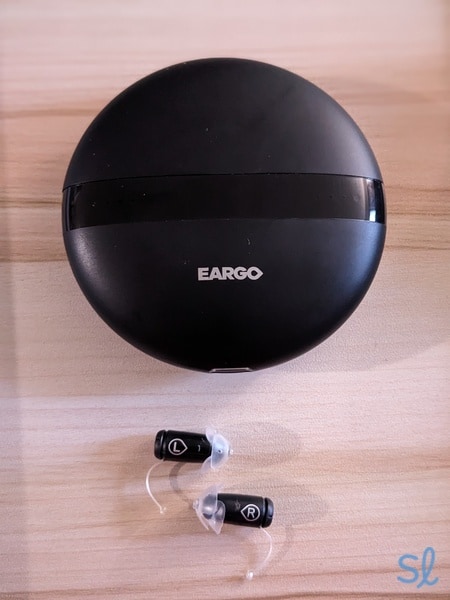
Eargo's hearing aids are nearly invisible, as seen in the photo above.
Dr. Reisman notes that if “Eargo is an option for your hearing loss and discretion is very important to you, their hearing aids are certainly worth a try.” That said, you’ll want to consider providers like Signia for more profound medical hearing loss.
» Our Full Review: Eargo hearing aid review
Pricing
- Eargo 7: $2,699 per pair
- Eargo SE: $1,69 per pair
- LINK by Eargo: $799 per pair
Unlike prescription providers like Signia and Phonak, Eargo is transparent with pricing. You can also spread the cost over monthly payments for 12 or 24 months, depending on your budget. Federal employees may be able to take advantage of the Federal Employees Health Benefits (FEHB) program to receive Eargo at no cost.1
While Eargo is a few thousand dollars less expensive than prescription brands, it is pricier than OTC options. For comparison, MDHearing’s most expensive model is $297 per pair, while Jabra Enhance’s top-of-the-line model costs $2,699 per pair. Still, if discretion is your top priority, Eargo may be worth the price bump.
-
2. Phonak - Best for Extended Wear
See Pricing Links to ZipHearing.comWhat we like most
- Variety of discreet models to choose from
- Rechargeable and battery-powered models
- Suitable for mild to profound hearing loss
PhonakSee Pricing Links to ZipHearing.comOverview:
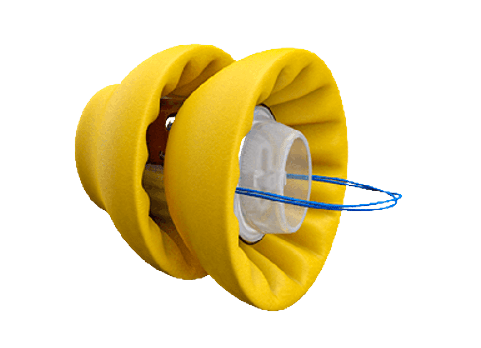
Phonak Lyric Hearing Aid
- Price: $2,000 to $7,500 per pair
- Style: IIC, ITE, Mini BTE
- Type: Prescription
- Battery life: Up to 4 months (Lyric model)
Phonak’s Lyric model is the world’s first invisible extended-wear hearing device that delivers natural sound. Extended wear means you can wear Lyric 24/7 for four months without taking out the devices — even in the shower! Its unique placement in the ear canal allows it to stay completely hidden while users can capture sound from the outside world naturally.
 Expert InsightsFrom Audiologist Dr. Ruth Reisman,Lyric is the only device of its kind. Patients love it because it's not only invisible, but it's hassle-free for 3 to 4 months before it must be replaced. This makes it feel more like natural hearing vs. wearing a hearing aid. Lyric offers the most discretion from any hearing aid, sitting at 4 mm away from the eardrum.
Since Lyric is 100 percent invisible and stays in all the time, wearers can focus on enjoying life. The purchase of a Lyric hearing aid requires an ongoing subscription. The subscription includes replacement devices and technology updates as they become available. If Lyric isn’t the right fit for you, Phonak offers multiple discreet in-canal and BTE solutions.
If Lyric isn’t the right fit for you, Phonak offers a variety of other discreet in-canal and BTE solutions.

Testing out Phonak hearing aids
Pros & Cons:Pros About Phonak
- Completely invisible design
- Extended-wear technology
- Moisture protection
- Exceptional sound quality
- Lyric can be worn all the time, including while sleeping
Cons About Phonak
- Expensive compared to OTC hearing aids
- Can’t be purchased online
- Lyric is not suited for moderately severe to profound hearing loss
Our Hands-on Experience:Our Experience With Phonak
While Phonak Lyric is the best discreet, extended-wear hearing aid on the market, it’s not without its drawbacks. It doesn’t offer some of the more advanced technology available with many other invisible hearing aids. That includes Bluetooth connectivity, such as with LINK by Eargo, and enhanced digital speech recognition, similar to Signia’s Silk X.
» Compare Providers: Phonak vs. Signia
However, this also means you don’t have to connect it to any other device to get it working. The deep placement in the ear canal makes it easier to use the Phonak Lyric with headphones or when making phone calls without any obstruction or physical interference from the device. We also appreciate that you can wear the Phonak Lyric while you sleep, which is ideal for nighttime emergencies (like a fire alarm).
If you prefer Phonak devices and customer support but your hearing loss is more severe or profound, Dr. Reisman recommends the Phonak Naída Lumity BTE hearing aid. This model includes several additional features, like Bluetooth connectivity and SmartSpeech recognition, but it is far less discreet than the Phonak Lyric.
» Our Full Review: Phonak hearing aid reviews
Pricing
The cost of Phonak hearing aids, including their Lyric model, varies by location. With the Lyric, users can choose between subscription plans that range from three months to two years, with extended plans generally costing less over time. To check if this device is within your budget, visit your local hearing provider for more information. Dr. Reisman estimates that Phonak hearing aids range from $1,000 to $3,750 per ear, much like other prescription brands.
While these hearing aids are expensive, remember that they offer superior sound quality and care to OTC hearing aids. Plus, they’re an option for those with severe to profound hearing loss. Working with an audiologist ensures that the devices are tailored to your unique needs, which is even more critical if you have higher levels of hearing loss.

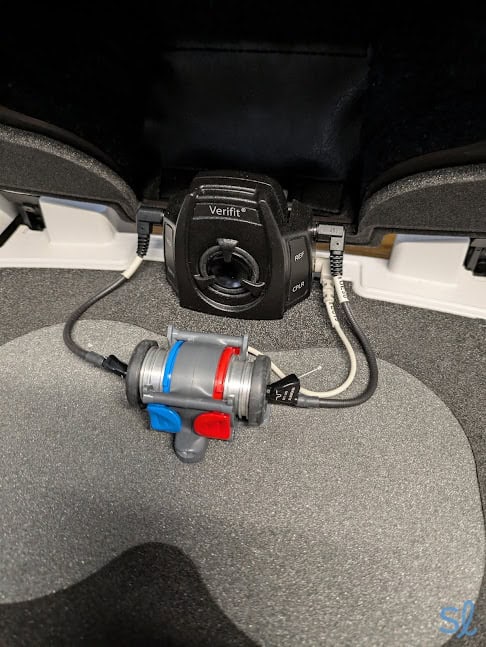
Dr. Reisman testing the sound quality of Sony s CRE-C10 hearing aids
-
3. Signia - Best for an Instant Fit
See Pricing Links to ZipHearing.comWhat we like most
- Optimal discretion with invisible-in-the-canal (IIC) models
- Battery-powered and rechargeable models
- Suitable for mild to profound hearing loss
SigniaSee Pricing Links to ZipHearing.comOverview:
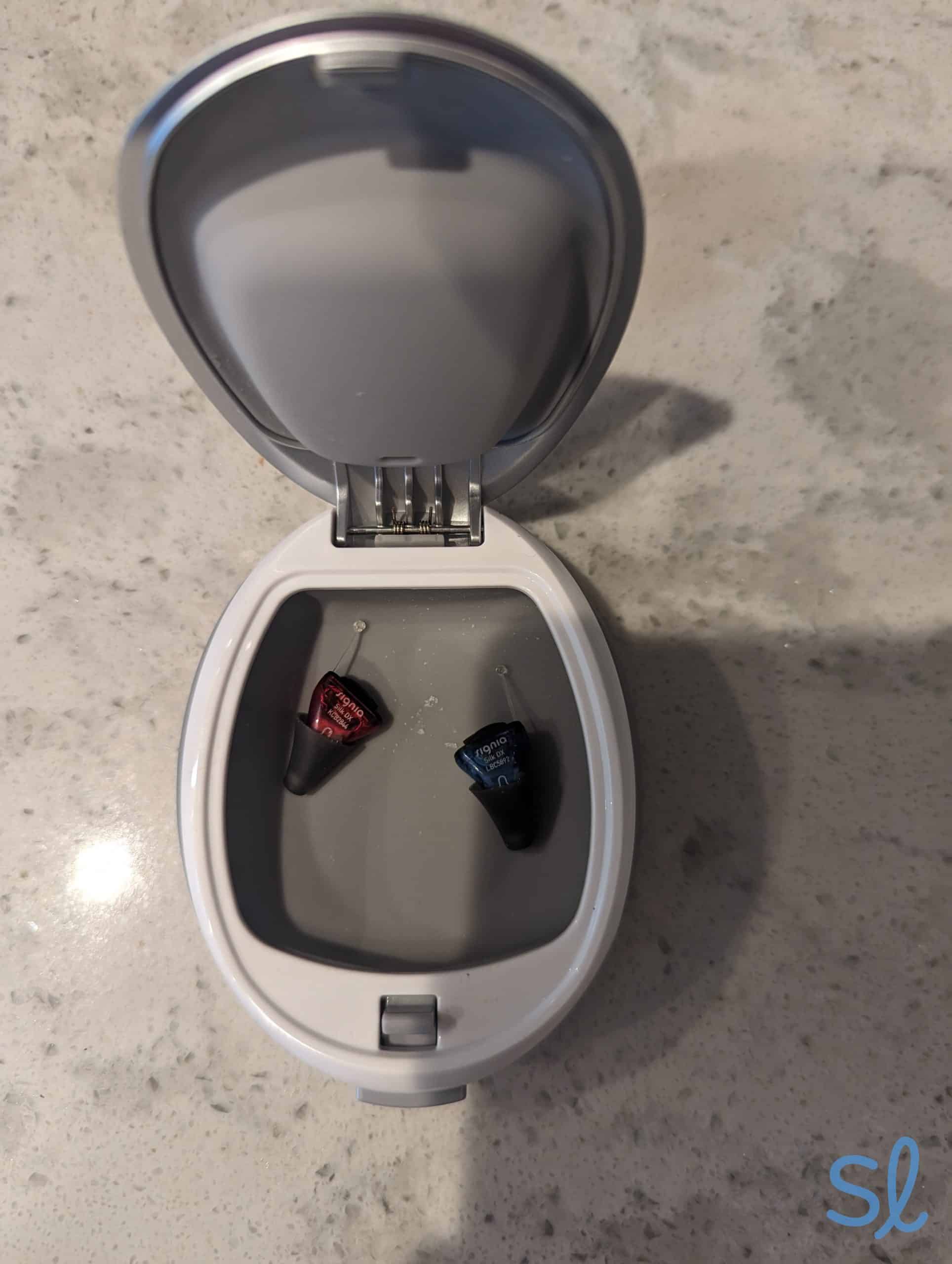
Trying out Signia's Silk hearing aids
- Price: $2,000 to $7,500 per pair
- Style: IIC, CIC, ITC, ITE, Mini BTE
- Type: Prescription
- Battery life: Up to 80 hours
Signia offers prescription hearing aids with phenomenal sound quality, comfort, and ease of use. As far as invisible hearing aids go, Signia offers multiple models, including the Silk Nx and Silk X.
» Our Full Review: Signia hearing aid reviews
For ultimate discretion (but no Bluetooth connectivity), there’s Signia’s Silk Nx CIC, which sits in your ear canal. Signia also offers the Silk X, another ITC hearing aid that’s completely invisible, depending on your ear canal size. We love that this model has an instant fit. You can walk in for your hearing test and leave with hearing aids perfectly fitted to your ears. That is thanks to their flexible Click Sleeve design.
Expert InsightsFrom Audiologist Dr. Ruth Reisman,Signia Silk hearing aids are the most commonly requested device in my office due to their small size and flexibility.Pros & Cons:Pros About Signia
- Options for severe hearing loss
- Instant fit CIC with the Silk X
- Can use with over-the-ear headphones
- Mobile app for remote adjustments
Cons About Signia
- Silk X may not be compatible with all ear canals
- Silk Nx CIC lacks Bluetooth connectivity
Our Hands-on Experience:Our Experience With Signia
Signia is continually integrating new technology into their hearing aids. It can often be challenging for someone with moderate to severe hearing loss to find a reliable invisible hearing aid, but Signia considers all hearing loss levels. The company website has additional information, which is welcome news if you prefer not to call customer service.
» Related Reading: Best hearing aids for severe hearing loss
While Signia does offer some rechargeable models, the Silk X and Silk Nx require regular battery replacements. That might not be a good fit for those with dexterity issues or those who want rechargeable hearing aids. That said, Dr. Reisman is a big fan of Signia’s offerings. Her patients often report very positive feedback on the device’s cosmetic appeal, discreet designs, and tinnitus relief features.
Pricing
Signia’s pricing varies greatly depending on where you shop and purchase their hearing aids, as well as the specific features and designs you choose. To discover if these Signia models fit your budget, visit your local hearing aid center to learn more. According to Dr. Reisman, you can generally expect Signia’s costs to range between $1,000 and $3,750 per ear. That makes them far more expensive than OTC options like Eargo or MDHearing. However, it’s on par with other prescription hearing aids from brands like Phonak.
» Skip the Appointment: Best over-the-counter hearing aids
-
4. Jabra Enhance - Most Discreet BTE Option
 See Pricing Links to Jabra Enhance
What we like most
- 100-day free trial
- 3-year loss and damage coverage
- Designed for mild-to-moderate hearing loss
Jabra EnhanceSee Pricing Links to Jabra EnhanceOverview:
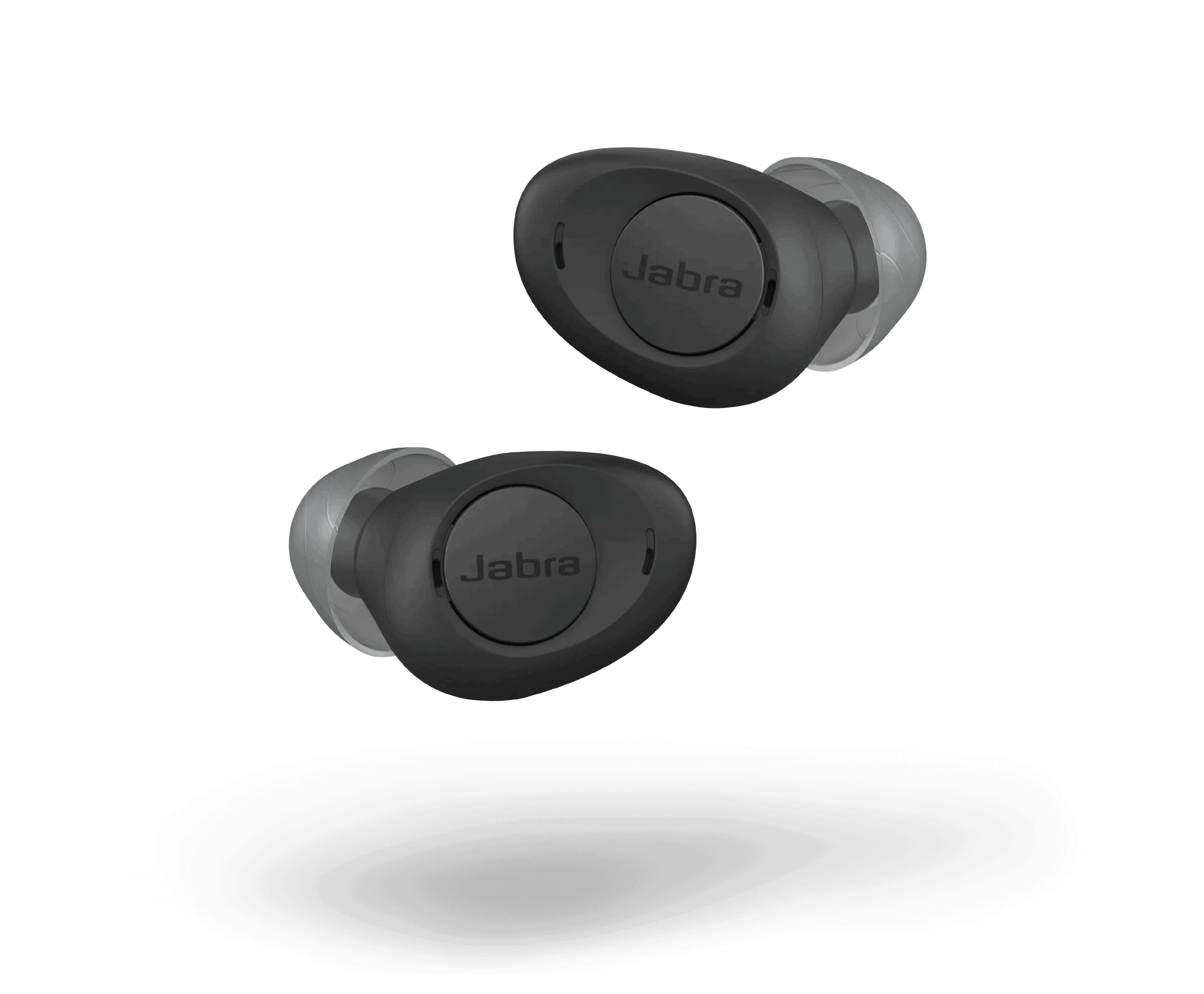
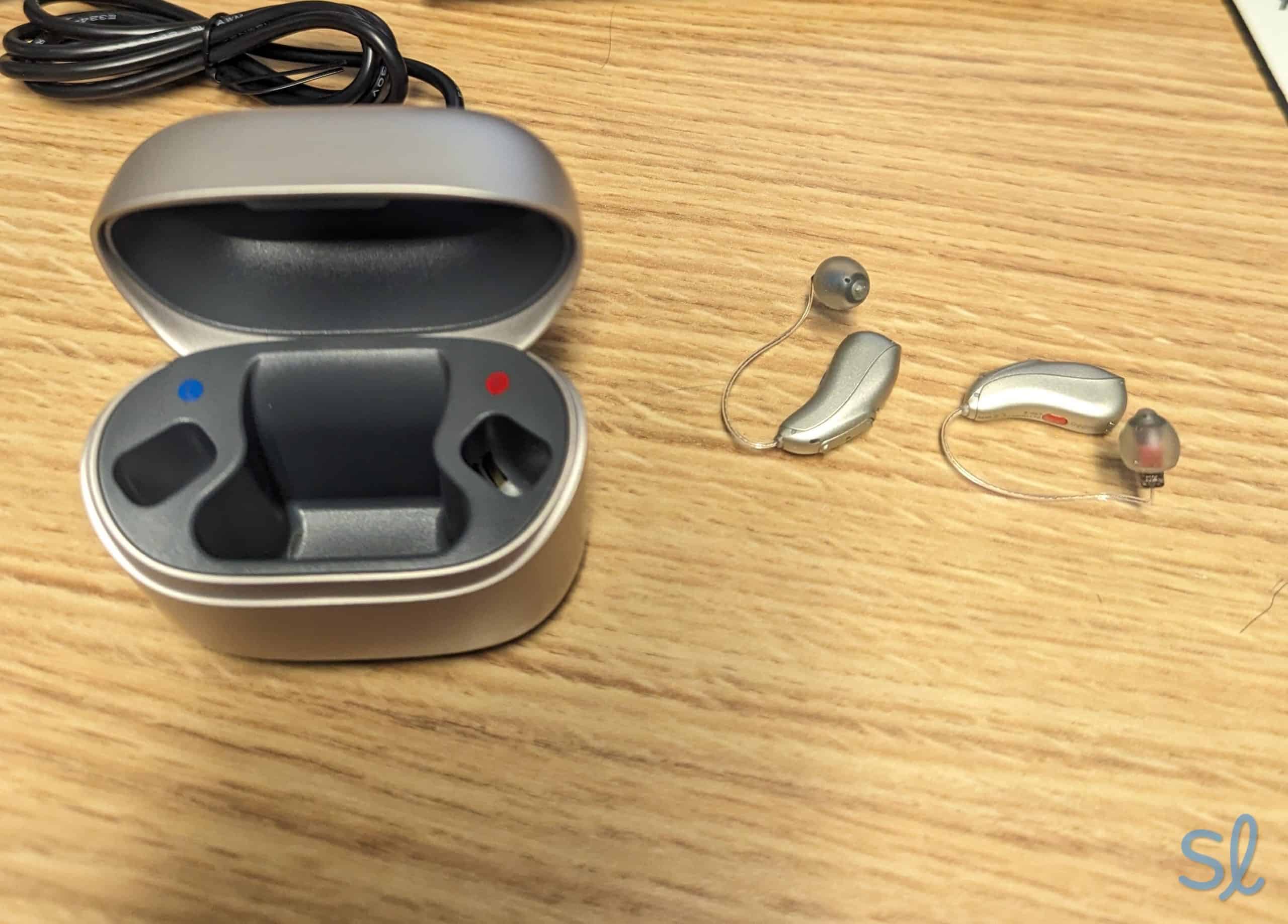
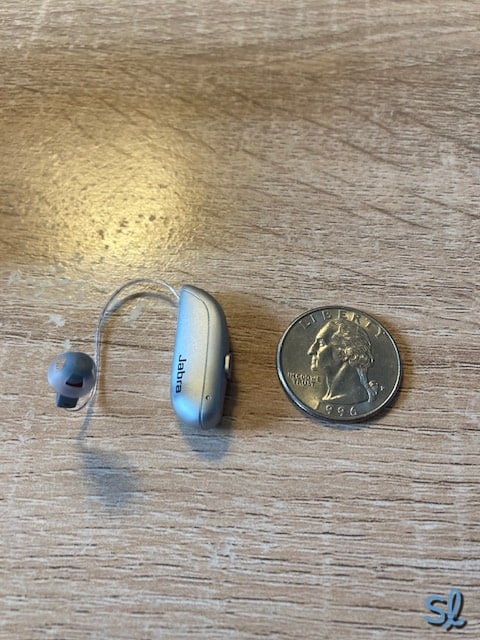
Jabra Enhance Select 300 hearing aids
- Price: $1,195 per pair
- Style: Mini BTE
- Type: OTC
- Battery life: Up to 18 hours
Jabra Enhance offers three BTE hearing aids that are nearly invisible at an affordable price. Traditionally, BTE hearing aids are more noticeable than ITC models since they rest on the outside of the ear. But Jabra Enhance’s FDA-approved devices are less than half an inch wide and come in five colors designed to blend in with hair color, making them even more discreet. If you prefer a different style, check out Signia and Phonak. Both have more than a dozen models of all shapes and sizes.
» A Closer Look: Jabra Enhance Select 300 review
The near-invisible design is one of many benefits Jabra Enhance offers. All models are rechargeable, Bluetooth-enabled, and include a 100-day money-back guarantee. Like Eargo, we could easily purchase our hearing aids online. Plus, they offer three years of virtual professional audiology services with Premium packages. We’re big fans of this follow-up care; an audiologist can ensure the best fit, help you learn the ropes, and address changes in your hearing over time.

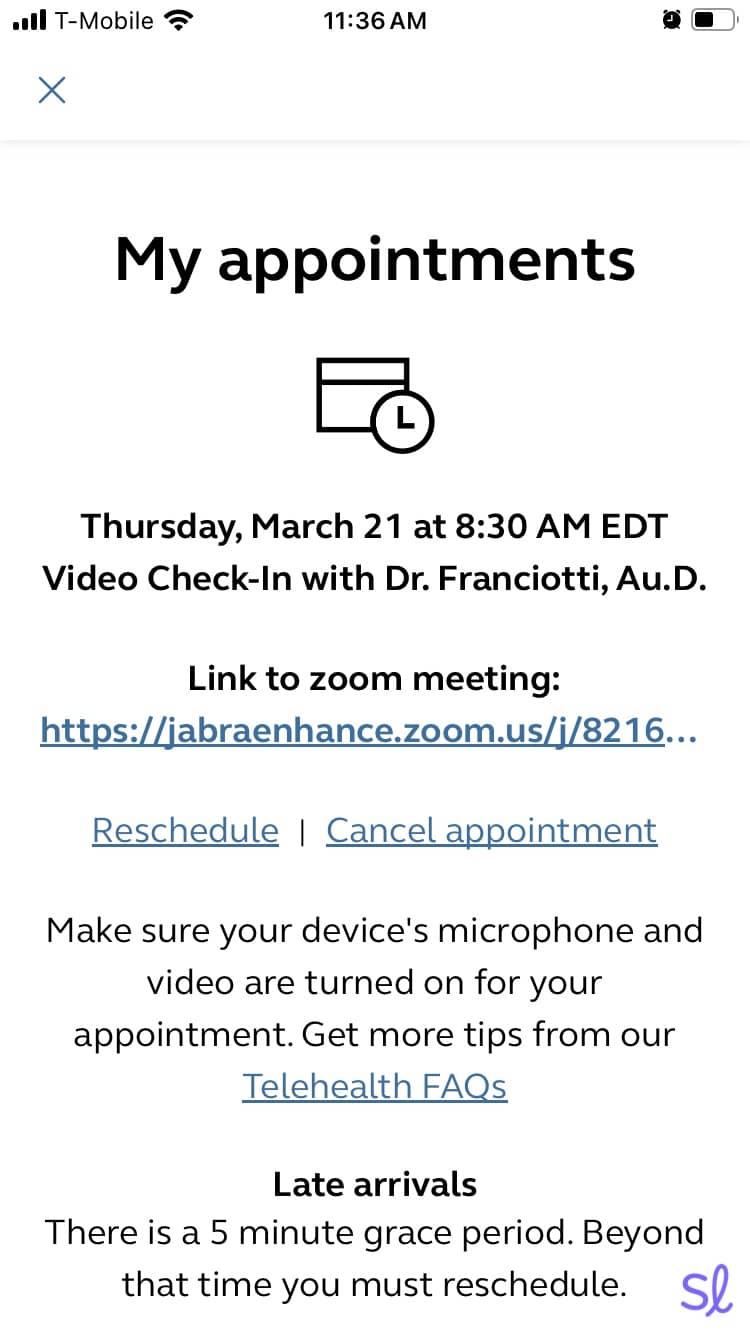
During testing, we could easily schedule an appointment with a Jabra Enhance audiologist through the mobile app.
Pros & Cons:Pros About Jabra Enhance
- Bluetooth-enabled
- Nearly invisible BTE-style
- Three-year warranty and loss and damage protection with Premium packages
- Virtual hearing care from an audiologist with Premium packages
Cons About Jabra Enhance
- Discreet but not completely invisible
- Not suitable for severe to profound hearing loss
- Follow-up care only lasts for three years
Our Hands-on Experience:Our Experience With Jabra Enhance
Though Jabra Enhance lacks a truly “invisible” model, they come close with their BTE devices. The petite design and clever color options allow Jabra Enhance hearing aids to blend in behind the ear.
» Compare Providers: Eargo vs. Jabra Enhance
All three models are Bluetooth-enabled and come with follow-up care from Jabra Enhance’s audiology team as part of their Premium packages. Jabra Enhance is difficult to top for older adults wanting a relatively inexpensive, nearly invisible BTE hearing aid available online.
» Also Check Out: Best hearing aids for single-sided hearing loss
We appreciated that our Enhance Select 300 hearing aids came with clear and concise instructions to walk us through the setup and audio adjustments. Using the mobile app, we could adjust our settings and schedule virtual appointments with a trained audiologist who could answer our questions.
The audiologist we spoke with offered tips to help us get the best possible fit and walked us through how to use the mobile app. Once we had everything set up, we found that the sound quality was superior to other OTC brands, such as MDHearing. It was very crisp, clear, and natural.
Expert InsightsFrom Audiologist Dr. Ruth Reisman,Many patients comment on the cosmetic appeal of Jabra Enhance hearing aids. They sit snuggly behind the ear and can be well hidden.These devices are also one of Dr. Reisman’s top picks for OTC hearing aids. She says,
“With superior sound quality, seamless connectivity, innovative design, advanced noise cancellation, and versatile applications, Jabra Enhance consistently delivers exceptional audio solutions that enhance productivity, entertainment, and communication clarity.”
» Our Full Review: Jabra Enhance hearing aids review 2026
Pricing
- Enhance Select 50R:$1,195 per pair
- Enhance Select 300:$1,695 per pair
- Enhance Select 500:$1,995 per pair
Compared to prescription hearing aids like Signia and Phonak (which can cost well over $7,500 per pair), Jabra Enhance offers a more cost-effective option by selling hearing aids directly to consumers online. Just remember, they’re only an option for those with mild to moderate hearing loss.
» Also Check Out: Best Android-Compatible Hearing Aids
Jabra Enhance hearing aids start $1,995 for the Enhance Select 500 Premium package. That includes free shipping, three years of remote care with an audiologist, the Jabra Enhance Select mobile app, and more. The company also runs online sales throughout the year, which could save you a few hundred dollars on your hearing aids.
-
5. MDHearing - Most Comfortable In-Ear and BTE Options
 See Pricing Links to MDHearing
What we like most
- Competitively-priced hearing aids
- 24/7 live customer support
- Available to purchase individually or as a pair
MDHearingSee Pricing Links to MDHearingOverview:
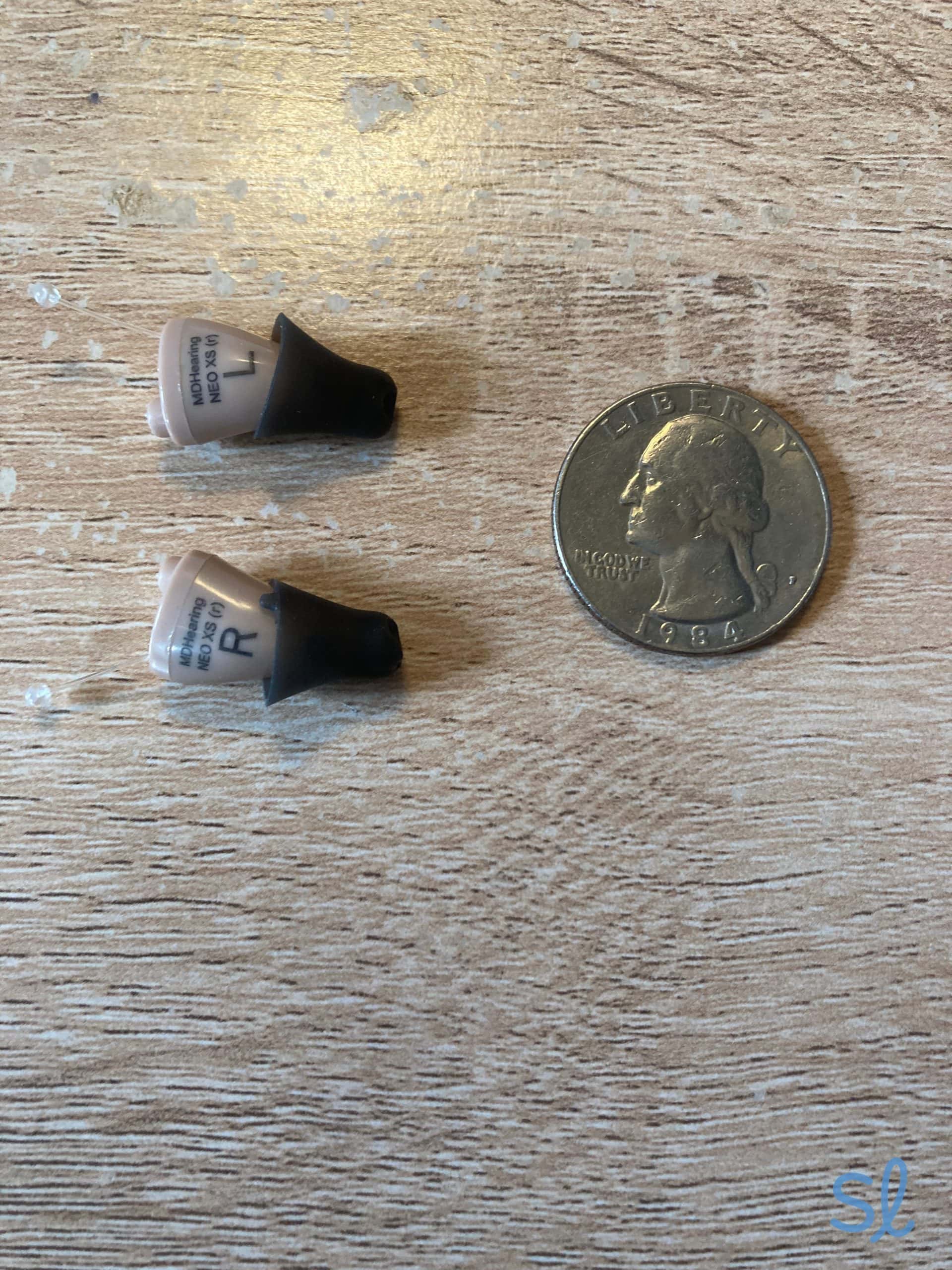
Testing out the Neo XS from MDHearing
- Price: $297 to $597 per pair
- Style: CIC, ITC, Mini BTE
- Type: OTC
- Battery life: Up to 20 hours
MDHearing offers three BTE models and two in-the-ear options. The NEO XS is the smallest and most lightweight of all the models; it’s the closest thing to a nearly invisible hearing aid. It fits in the ear and is about the size of a pill.
Savings Alert: MDHearing offers big sales throughout the year. You could save up to 50 percent on a pair of hearing aids!
At $397 per pair, the NEO XS model is very affordable. MDHearing also made our list for its three BTE models, the AIR, VOLT, and VOLT MAX; they are all comfortable and affordable. They offer high-tech features, like noise reduction and feedback cancellation. They’re bulkier than the NEO XS but have more features and advanced settings for wearers who require extra support. However, Dr. Reisman notes users should be cautious with MDHearing’s BTE models, as they can over-amplify sounds.

Testing out MDHearing's VOLT devices
Pros & Cons:Pros About MDHearing
- Comfortable fit for both in-ear and BTE models
- Low-priced hearing aids
- 45-day risk-free trial
- Friendly support team available 24/7
- Monthly financing options
Cons About MDHearing
- BTE options can over-amplify sounds
- Invisible models lack advanced features and Bluetooth connectivity
- Companion app only works with VOLT MAX model
Our Hands-on Experience:Our Experience With MDHearing
MDHearing offers value and comfort to older adults who want a basic, nearly invisible hearing aid. Remember that if you’re looking for hearing aids that blend in, MDHearing offers beige devices only. That means they may not be the most “invisible” for older adults with lighter or darker skin tones.
» Also Check Out: Best cheap hearing aids for seniors
Our testing yielded great results and decent sound quality, especially considering the low prices. However, Jabra Enhance and Eargo offer more natural sound quality. Remember that the visibility of the NEO XS may vary based on the size of your ear canal.
When we tested the NEO XS, we changed dome sizes to make the hearing aids less visible. That was a slightly arduous process. It might make the NEO XS challenging for seniors with poor dexterity or difficulties with fine motor skills. That said, Dr. Reisman has reported positive feedback from some of her patients who have chosen MDHearing hearing aids, particularly regarding the quick setup.
» Our Full Review: MDHearing reviews
Pricing
- MDHearing AIR: $297 per pair
- MDHearing NEO: $297 per pair
- MDHearing NEO XS: $397 per pair
- MDHearing VOLT: $397 per pair
- MDHearing VOLT MAX: $597 per pair
By offering OTC models with limited features, colors, and technology, MDHearing keeps prices low. MDHearing’s prices range from $297 to $597 per pair, thanks to year-round sales that keep costs down.
» Compare Providers: MDHearing vs. Eargo
If you don’t mind sacrificing some of the discretion and high-tech features you get with prescription providers like Signia and Phonak. You can end up saving thousands with MDHearing. These devices are suitable for mild to moderate hearing loss, so keep that in mind.

Types of Invisible Hearing Aids
If you’re in the market for invisible hearing aids, you have three types to choose from: invisible-in-the-canal (IIC), completely-in-canal (CIC), and mini behind-the-ear (mini BTE). There are also similar styles, like in-the-ear (ITE), in-the-canal (ITC), and earbud-style hearing aids, which offer varying levels of visibility and discretion.
Since IIC and CIC hearing aids are typically suited for mild to moderate hearing loss, we wanted to include some mini-BTE options. Mini BTE hearing aids aren’t “invisible,” but they’re as close as you can get to invisible if you have severe hearing loss.
Did You Know? Among Americans with hearing loss, five percent have severe hearing loss that generally requires prescription hearing aids.
IIC and CIC hearing aids
IIC and CIC hearing aids are for people with mild to moderate hearing loss. They sit deep within your ear canal and out of sight. Many people prefer these hearing aids because they’re small and as discreet as possible.
Plus, they won’t interfere if you wear glasses or a mask. One thing to look out for with these styles is wax buildup. Wax can quickly clog the speaker, making listening more difficult.2 Proper hearing aid maintenance and cleaning are critical for the IIC and CIC styles.
Eargo offers two CIC hearing aid models, including the Eargo SE
Mini BTE hearing aids
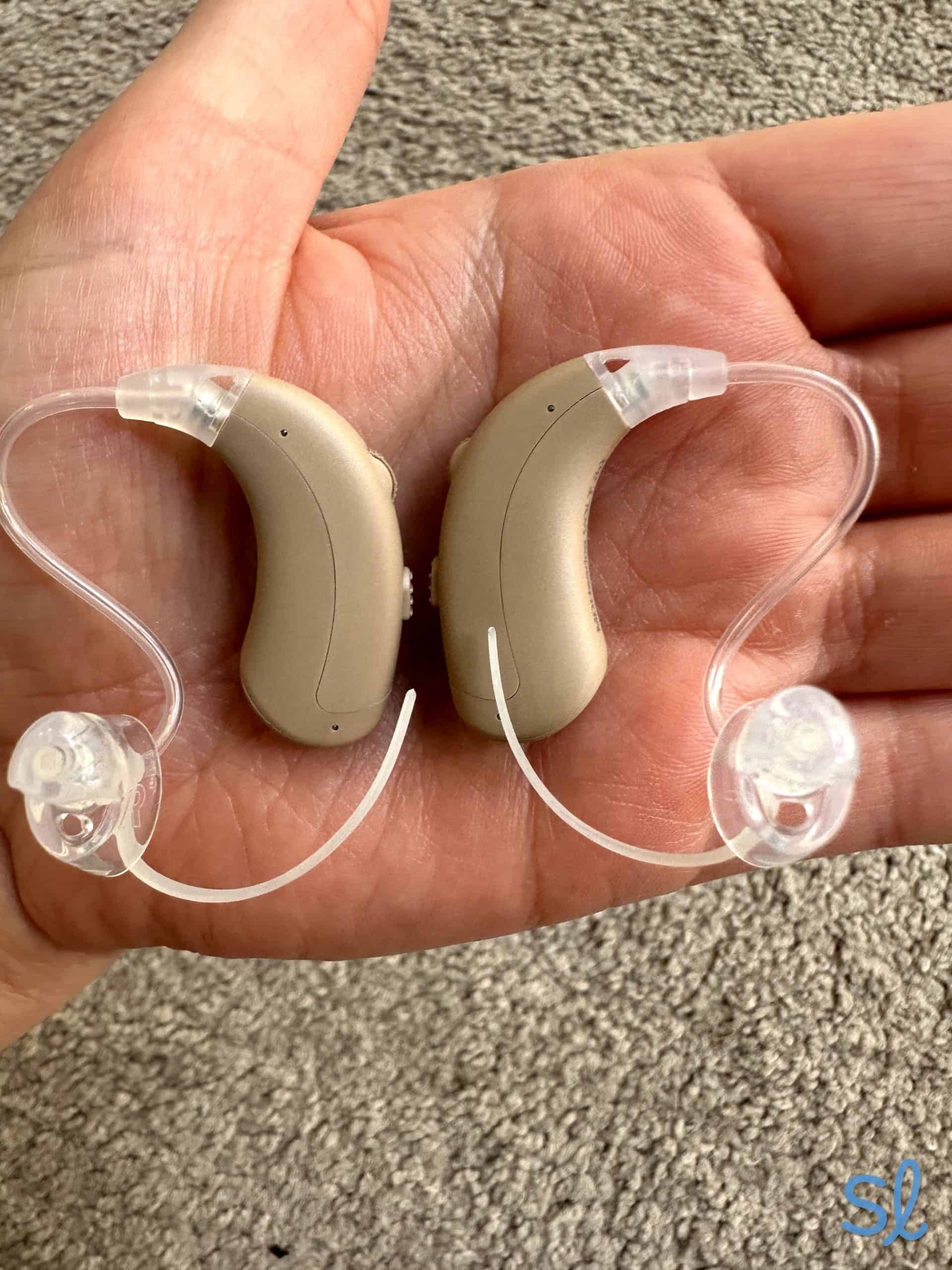
Mini BTE hearing aids are suitable for mild to severe hearing loss. This style isn’t completely invisible, but it comes close, especially if you have hair that goes past your ears. A mini BTE hearing aid consists of an earmold that sits in your ear canal and a receiver sitting behind your ear. A tube, called an ear hook, connects both parts. Providers typically offer the receiver in various hair and skin tone colors for as much discretion as possible.
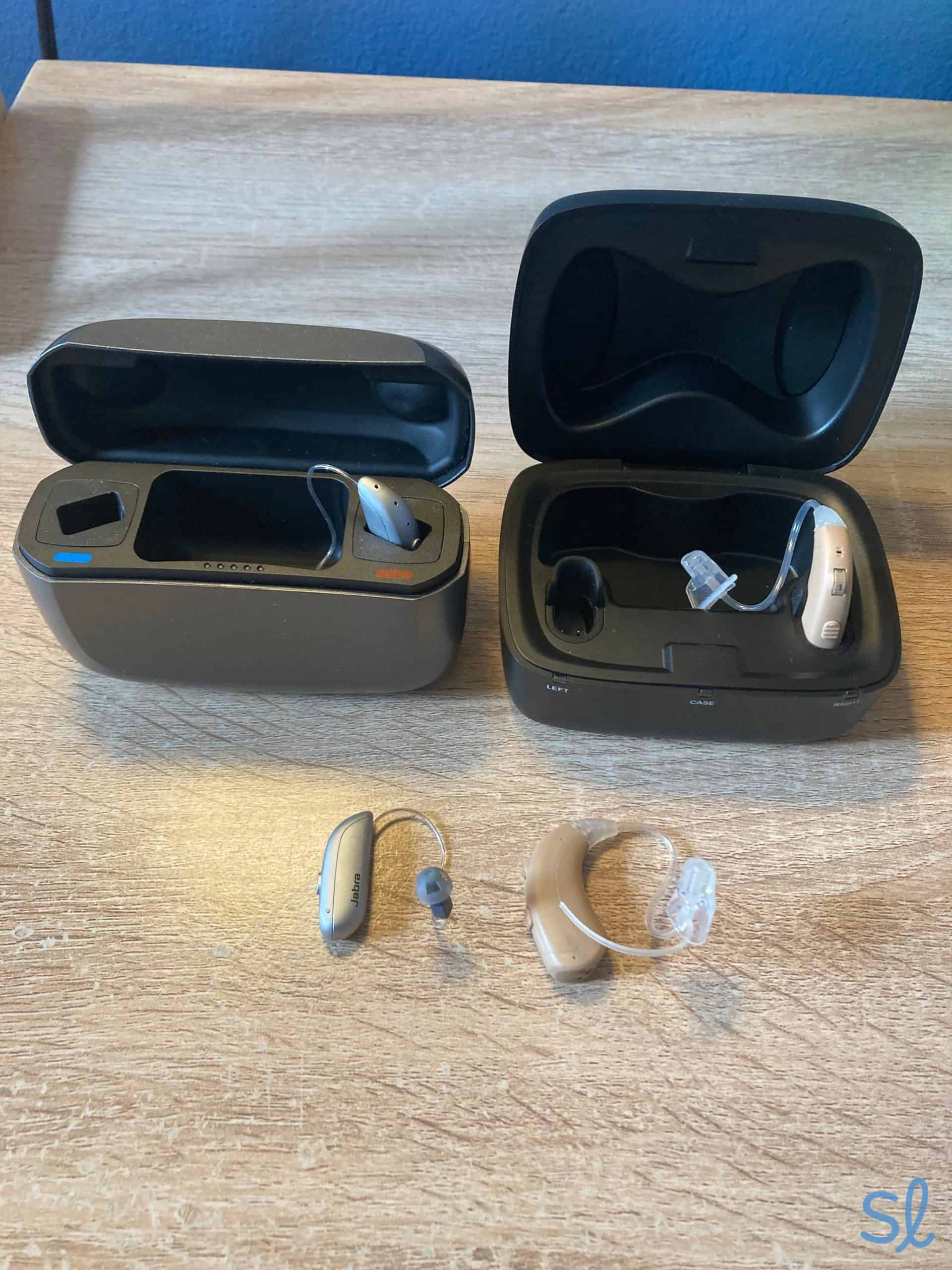
MDHearing and Jabra Enhance both offer BTE hearing aids that are fairly discrete.
Earwax won’t damage mini BTE hearing aids like it could with IIC or CIC hearing aids. If you are prone to earwax buildup, drainage, or moist ears, this style may better suit you. Just note that if you wear glasses, you may need to have them refitted, since your glasses and hearing aid will share space on your ear.
Pro Tip: Are you looking for even more BTE options? Check out our guide to the best behind-the-ear hearing aids.
Pros and Cons of Invisible Hearing Aids
Pros of Invisible Hearing Aids
- Great for seniors who want a more discreet hearing device than standard BTE models
- Ideal for active seniors who want a secure fit
- Natural sound quality due to deeper placement in the ear
- Little to no interference with glasses, masks, or even headphones
- Often comfortable to wear for extended periods
Cons of Invisible Hearing Aids
- Usually lacking in features like Bluetooth or manual volume control
- More likely to get lost due to the small size, particularly for older adults who struggle with memory problems or dementia
- May be difficult to manage for those with dexterity issues
- Smaller models are often not suitable for severe or profound hearing loss
- More prone to moisture damage
- Might be a poor choice for those with excessive earwax
Important Features in an Invisible Hearing Aid
Invisibility is essential to many people who have hearing loss. That is because it’s nice to have hearing aids that enhance hearing without getting in the way, especially if you regularly wear glasses. Of course, that doesn’t mean just any invisible hearing aid will do. Below are some other functions to consider in an invisible hearing aid.
Background noise reduction and speech enhancement
Most hearing aids offer background noise reduction and speech enhancement as standard features. They’re especially crucial when you find yourself in noisy situations attempting to hear the people or sounds you need to hear. Verify with your hearing provider that the model you are interested in comes with these features.
Caveat: Because IIC hearing aids have only one microphone, they will be limited in how well they can separate speech from background noise. If you are interested in an invisible hearing aid, it is advisable to request speech-in-noise testing during your hearing test to determine if a remote microphone is warranted. On the other hand, BTE hearing aids and some CIC hearing aids have dual microphones. So, if you’re OK with slightly visible (but still discreet) hearing aids, they’re worth considering.
Feedback cancellation
No hearing aid will completely eliminate feedback, but the good ones will significantly suppress it to make your hearing more comfortable. It’s essential to ask your hearing provider for hearing aids that have advanced feedback cancellation if you are sensitive to feedback.
Multiple hearing aid channels
Your doctor will ultimately determine whether your level of hearing loss will require multiple hearing channels for the best hearing results, but it’s good to consider this. A multichannel hearing aid isn’t necessarily better, but it helps divide sounds into more frequency sections for separate analysis. Having more channels may be beneficial if you have complex hearing loss.
Phone compatibility
Being able to communicate with others easily by phone is vital. Check whether your potential invisible hearing aid offers Bluetooth streaming or some other simple phone use, such as a specific program in your hearing aid that your provider may set up. Hearing aids and phones do not always work together seamlessly, so ask your hearing provider about the different setup options.
» Learn More: Best Bluetooth hearing aids of 2026
Self-learning
Some invisible hearing aids are “smart” enough to “learn” the wearer. By this, we mean that they can internally record the number of hours the hearing aids are worn, volume preferences, and the nature of the wearer’s usual sound environments, for example. This feature aids users with fine-tuning their hearing experience and provides audiologists with methods to identify and resolve some hearing issues.
Tinnitus masking
If you experience ringing in the ears, you will need an invisible hearing aid with tinnitus masking as a feature. These hearing aids have sound generators that produce various sounds to offset the perceived loudness of tinnitus.
While it’s a relatively new feature, it has proven to be useful. And, if tinnitus is the main reason you’re looking for hearing aids, be sure to review our list of the best hearing aids for tinnitus.
FAQs
-
Do invisible hearing aids work well?
Yes, invisible hearing aids from quality providers can work very well for mild, moderate, and even moderately severe hearing loss. However, most invisible hearing aids are not designed for more severe or profound hearing loss.
-
How do you fit invisible hearing aids?
How you fit invisible hearing aids will depend on the style: IIC, CIC, ITC, ITE, or mini BTE. For prescription hearing aids, the hearing aid specialist will fit them. If you opt for an over-the-counter brand, you’ll need to contact the manufacturer for assistance getting your fit just right.
-
What is the most inconspicuous hearing aid?
The Phonak Lyric is the most inconspicuous invisible hearing aid on the market. It fits deep into the ear canal, doesn’t need to be removed during sleep or showers, and doesn’t even need to be charged. It only needs to be replaced by a specialist once every three or four months.
-
Can anyone wear invisible hearing aids?
While most people can wear a mini BTE hearing aid, select invisible in-ear models are too small for unique ear canal anatomies. As a result, completely invisible hearing aids are not for everyone.
-
Are invisible hearing aids better than behind-the-ear?
Invisible hearing aids are better if you prefer discretion. However, if you have severe or profound hearing loss and you want to enjoy features like Bluetooth streaming and multidirectional microphones, you’ll have far more BTE hearing aids to choose from.
-
NARFE. (2020). Wellness Perks.
-
Johns Hopkins Medicine. (n.d.). Troubleshooting hearing aids.