Best Medical Alert Watches of 2026, Tested and Reviewed
Bay Alarm Medical’s SOS Smartwatch for seniors is our top pick thanks to its sleek design, affordable price, and caregiver mobile app.



How We Tested the Medical Alert Watches
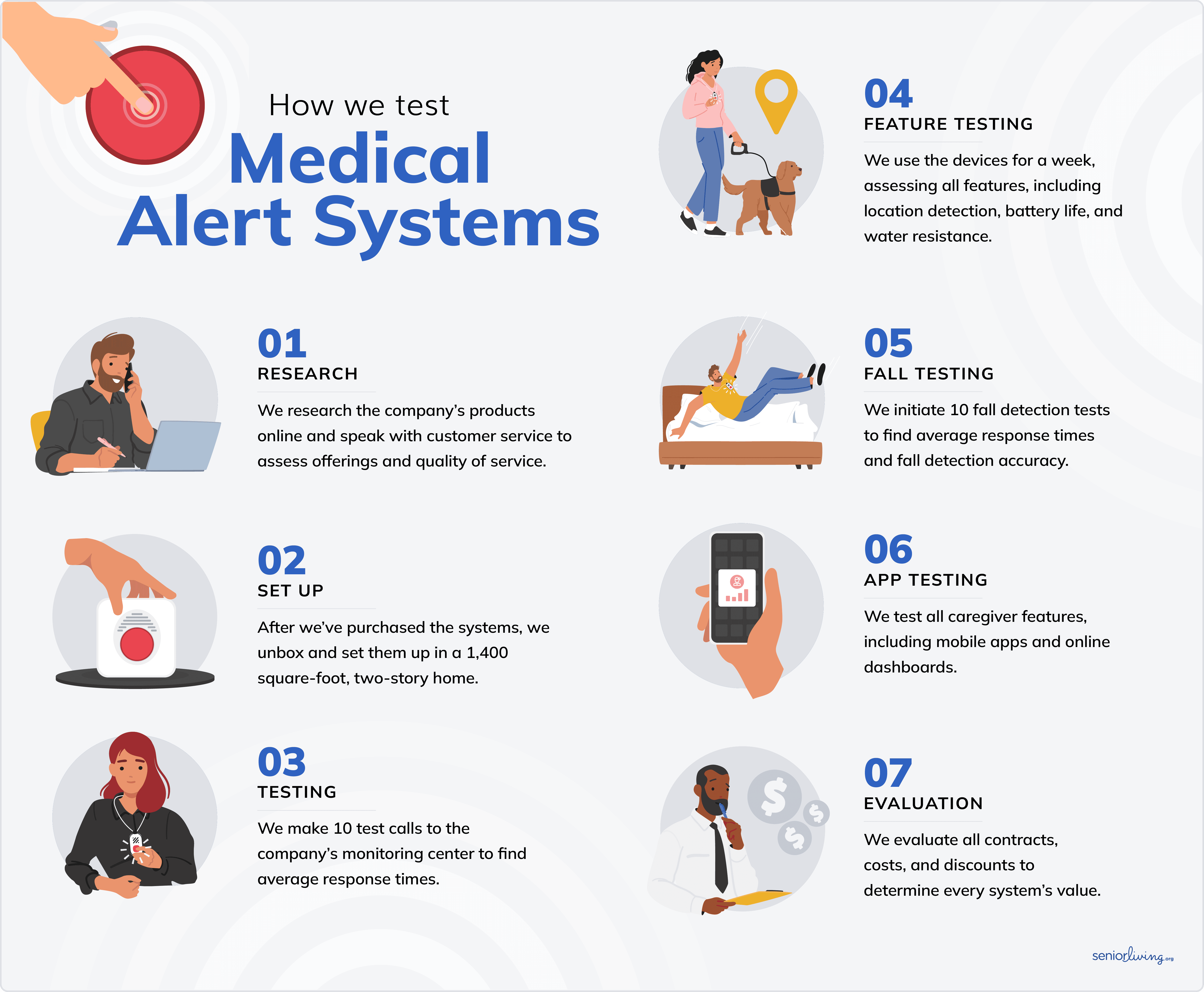
After over 400 hours of research, hands-on product testing, and chats with customer service, our team narrowed down the list to our top medical alert watches. I evaluated each smartwatch for seniors over a weeklong period, taking notes on ease of use, senior-friendly features, price and value, health features, customer service quality, response times, and more.
I also recruited older adults, including my mom and grandma, to test these watches. Using their feedback and my experience, I was able to create a comprehensive picture of each device.
How We Chose the Best Medical Alert Watches
Each medical alert watch on this list had to meet our most important criteria, listed below:
- Medical alert features: The primary purpose of a smartwatch for seniors is to keep you safe and protected at all times. So we made 10 test calls to evaluate each watch’s response times. Every device connected to an agent or emergency contact within 60 seconds or less (on average).
- Price range: Medical alert watches tend to be more expensive than conventional, at-home medical alert systems. That’s why we conducted a careful cost analysis, taking into account monthly and equipment fees and seasonal discounts, to ensure the watches on this list offered solid value for the money.
- Battery life: Every watch on our list had a battery life of at least 18 hours during testing. That means you or your loved one can wear it for a full day without worrying about a dead battery during an emergency.
- Additional features: Since many medical alert watches also function as smartwatches, they often come with useful non-emergency features such as step tracking, reminders, companion apps, and hands-free calling. We factored these features into our evaluation of each device’s overall benefits for older adults.
- Design and comfort: Because many people are accustomed to wearing watches, medical alert watches may feel more comfortable and familiar than pendants or other types of medical alert devices. We tested each watch to see how it felt in various settings, like walking around the neighborhood and taking a shower. We specifically focused on weight, size, and strap design.
- Usability: We tested each device’s features, evaluating the interface and how easy it is to check the time, set reminders, and — most importantly — call for help in an emergency. The devices on our list make it easy to get help when it’s needed, though some are better suited for tech-savvy seniors.
- Customer service: Older adults must receive prompt answers to their questions, so they can troubleshoot issues quickly. So in addition to speaking with agents at emergency response centers, we called or messaged each provider’s customer service representatives. All the providers that made our list offer fast, knowledgeable, and friendly customer service.
» Learn More: How we test medical alert systems
Why Trust Us
Our team of senior tech experts has tested dozens of medical alert systems over the years. We’re always evaluating and researching the newest tech to keep older adults safe.
All of our medical alert content is reviewed by Linda Schlenker, an occupational therapist with three decades of experience advising seniors and their caregivers about how to stay safe in their own homes. She and her patients have extensive experience with medical alert systems, and she provides her insights and expertise to our editors.
SeniorLiving.org is supported by commissions from providers listed on our site. Read our Editorial Guidelines

- Prices starting at $39.95 per month
- Step tracking
- Automatic fall detection available

- Prices starting at $42.95 per month
- Step tracking
- Automatic fall detection available

- Price varies based on mobile carrier and plan
- Heart-rate monitoring and step tracking
- Automatic fall detection available

- Built-in fall detection
- Large, bright touchscreen
- Ample accessibility features
Contents
Smartwatches with medical alert capabilities contain multiple safety functions that protect older adults discreetly. They also have beneficial health and wellness features, like step tracking and heart monitoring. For seniors, wearing a smartwatch can provide peace of mind while preserving privacy.
My team of tech experts and I have tested the industry’s best medical alert systems and narrowed down the list to our top smartwatches for seniors. We evaluated each watch for important factors like price, battery life, design and comfort, usability, and customer service. Our team also consulted with Linda Schlenker, a home health occupational therapist and home safety expert, who contributed her insights to this article.

Best Medical Alert Watch Comparison
|
Bay Alarm Medical SOS Smartwatch
|
Medical Guardian MGMove
|
Apple Watch Series 10
|
Samsung Galaxy Watch7
|
|
|---|---|---|---|---|
| Rating | 4.8 | 4.5 | 4.2 | 3.8 |
| Cost | $199 + $49.95 monthly fee | $199.95 + $42.95 monthly fee | $399 + monthly cellular plan fees (prices vary by provider) | $299.99 + monthly cellular plan fees (prices vary by provider) |
| Max battery Life | Up to 18 hours | 18-24 hours | 16-36 hours | 22 to 40 hours |
| Water-resistant | Yes | Yes | Yes | Yes |
| Fall detection capabilities | Optional add-on | Optional add-on | Yes | Yes |
| Heart rate monitoring | No | No | Yes | Yes |
| SOS contact | Yes | Yes | Yes | Yes |
| Average response times | 10 seconds | 9 seconds | 15 seconds | 60 seconds* |
*Average response time for 911 emergency assistance requests1
-
1. Bay Alarm Medical SOS Smartwatch - Most user-friendly smartwatch
View Packages Links to Bayalarmmedical.comWhat we like most
- Prices starting at $39.95 per month
- Step tracking
- Automatic fall detection available
Bay Alarm Medical SOS SmartwatchView Packages Links to Bayalarmmedical.comOverview:
Testing out Bay Alarm Medical's SOS Smartwatch
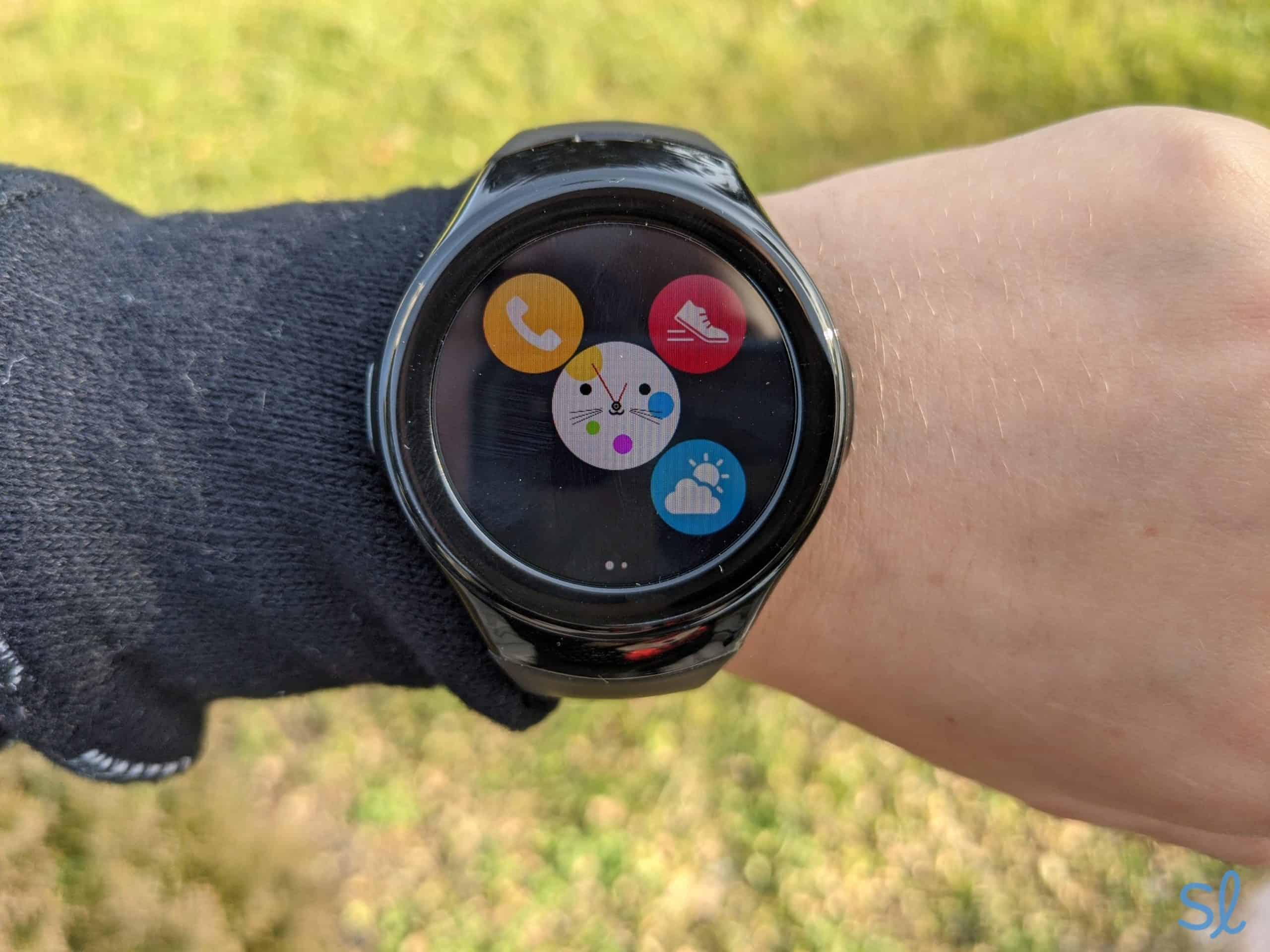
While some seniors might shy away from a smartwatch due to confusing, high-tech features, the SOS Smartwatch is simple and streamlined. I found the watch's design, features, and navigation to be intuitive, plus easy to access and use. They just make sense, even if you've never used a smartwatch.
There are no extra buttons, complex features, or connected mobile apps that could confuse seniors who aren’t tech-savvy. You can navigate the watch with the swipe of a finger, and large icons clearly display what each button does.
» Learn More: Bay Alarm Medical review
Similar to the MGMove, the SOS Smartwatch features step tracking and daily step goals, making it an excellent option for active seniors. The watch also features a built-in speaker, microphone, and GPS tracking. This way, the operator can locate and speak with you quickly during an emergency.
Current Deal: Bay Alarm Medical offers free shipping and one free month of service when you opt for the SOS Smartwatch with an annual subscription plan.
I noticed the SOS Smartwatch and MGMove look nearly identical, and they share similar features. The only notable differences were that the SOS Smartwatch doesn't have a companion mobile app included in the base price, you can't send texts, and it's a bit less expensive. If you're looking for a simple, more affordable watch, I'd recommend the SOS Smartwatch over the MGMove.
Pros & Cons:Pros About Bay Alarm Medical SOS Smartwatch
- Simple interface
- Dedicated SOS button
- LTE connectivity
- No need to pair a smartphone
- Competitive device and plan pricing
- 24/7 US-based monitoring
- Built-in step tracker
- Lightweight, comfortable, and water-resistant design
Cons About Bay Alarm Medical SOS Smartwatch
- Limited advanced features
- No companion mobile app for caregivers
Our Hands-on Experience:Senior-Friendly Features
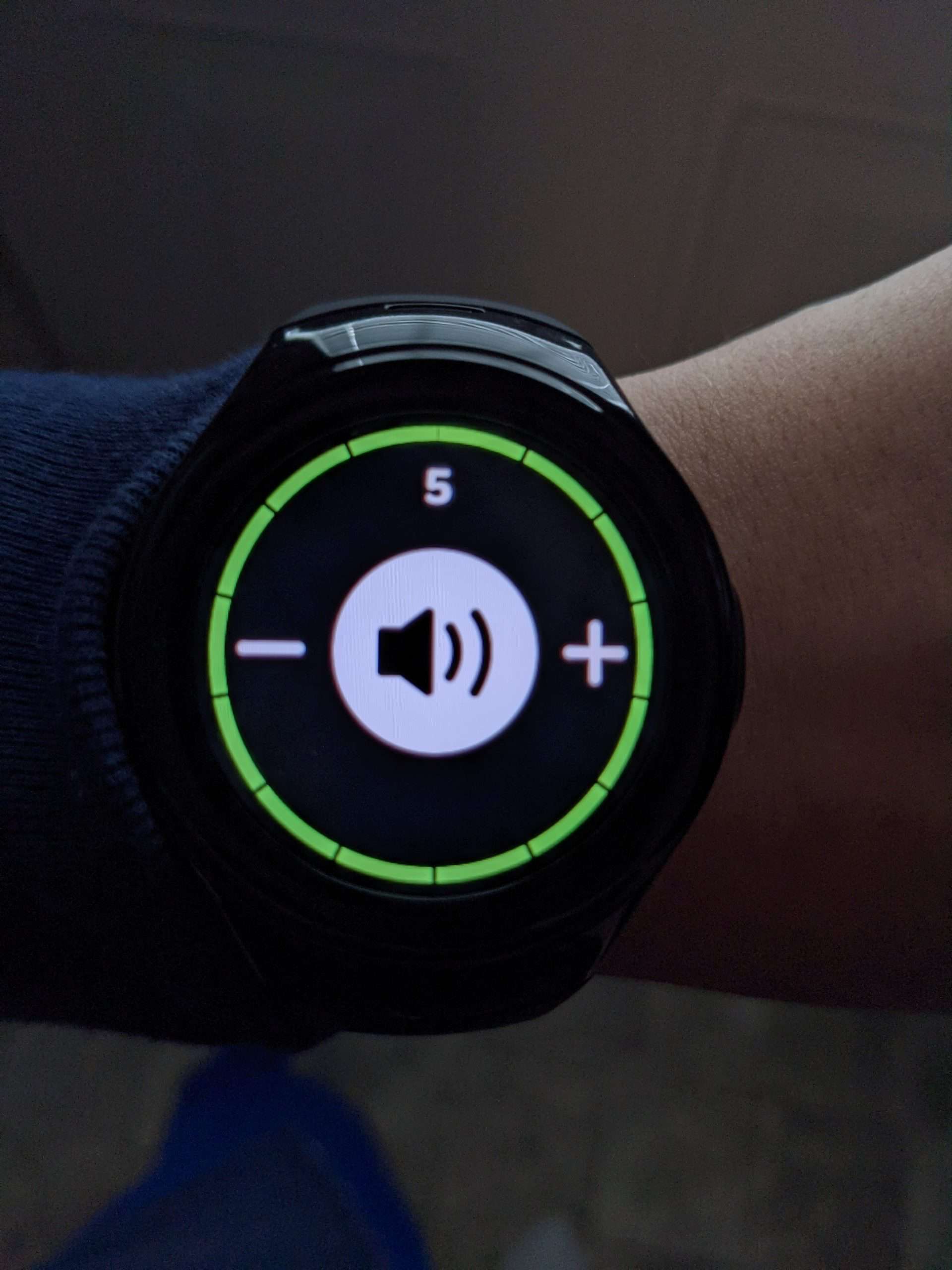
The Bay Medical Alarm’s SOS Smartwatch has a comfortable and lightweight design, weighing just 1.3 ounces. This smartwatch for seniors does not require a smartphone. For comparison, the Apple Watch Series 10 also weighs about 1.3 ounces, and the MGMove weighs 2 ounces. I found the watch has a simple interface and loud microphone/speaker combo, perfect for those with hearing loss.
When I tested this watch, I enjoyed features like step tracking to stay on track with my daily fitness goals. I also used the watch to get up-to-the-minute weather information in my immediate area, and, of course, the time!

Adjusting the volume on Bay Alarm Medical's SOS Smartwatch
That said, when you compare it to more advanced smartwatches like the Samsung Galaxy Watch7, it's a bit short on features like advanced health tracking and sleep apnea detection. It makes it a better choice for those who want a simple device that can tell time and call for help in an emergency. Since you don't need to pair it with a smartphone, you can even go for a hike or a swim with all the emergency alert features you need on your wrist!
» You Might Like: Best Medical Alert Systems for Seniors With Hearing Loss
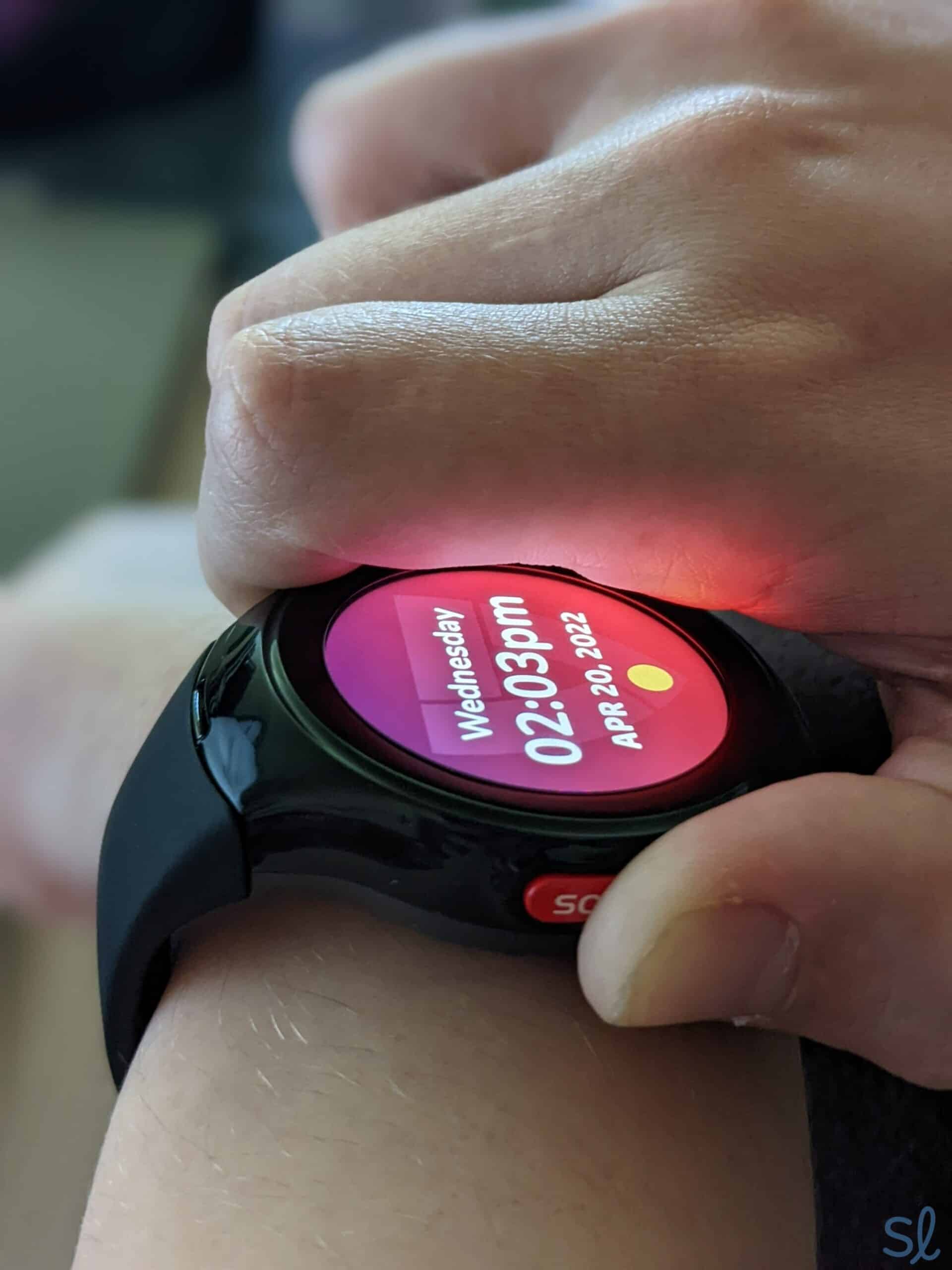
Similar to the MGMove, all I had to do was hold down the red SOS button on the side of the watch for a few seconds. Then, I was connected to a helpful operator in about 10 seconds (just one second slower than Medical Guardian's response time). The built-in speaker and microphone were easy to use, and the sound was loud and clear. I didn’t have to strain to hear the emergency response operator who quickly answered when I pushed the SOS button.
By giving it AI capabilities, Bay Alarm has improved the watch’s ability to detect falls and reject false fall alarms. It does this by learning the wearer’s movements over time, so that it can tell the difference between large arm movements and an actual fall. In our testing, we found that the SOS Smartwatch detected falls accurately eight out of 10 times.
This smartwatch provides caregiver tracking through the Bay Alarm Medical app. It lets your caregiver know your current location in real time, as well as your battery level, and location history.
Check out the video below for a closer look at our hands-on review of the SOS Smartwatch.
Pricing
The SOS Smartwatch has a one-time $199 equipment fee, although it often goes on sale for $159.99 or less. In fact, it’s one of the least expensive medical alert watches on the market. In addition to the one-time equipment fee, Bay Alarm Medical's cost for monitoring is $39.95 per month, which is affordable for a medical alert system with GPS.
» Related Reading: Best GPS Medical Alert Systems
If you want extra features such as fall detection or a bundled in-home system, you can upgrade to the Fall Detection Plan ($49.95 per month) or the 360-Degree Bundle ($64.95 per month). Having three plan options is great for seniors who want more flexibility.
-
2. Medical Guardian MGMove - Best smartwatch for active seniors
View Packages Links to Medicalguardian.comWhat we like most
- Prices starting at $42.95 per month
- Step tracking
- Automatic fall detection available
Medical Guardian MGMoveView Packages Links to Medicalguardian.comOverview:Medical Guardian’s MGMove provides freedom for active seniors. Whether you’re on a run, golfing, or doing yoga, this watch offers medical alert protection. I noticed that it’s smaller than the previous Medical Guardian alert watch I tested, the Freedom Guardian. The older model was a bit bulkier and less discreet, so I appreciate these improvements.
MGMove is water-resistant (standard with medical alert watches), so I could wear it in the shower. I really liked having this protection, as many falls occur in the bathroom. 2
 Expert InsightsFrom Linda Schlenker, M.S., M.A., O.T.R.,It is so important that all these medical alert watches are water-resistant. In my opinion, having fall detection and the ability to wear a medical alert watch in the shower are necessities.
The MGMove even has a “shake to wake” feature. That made it easy to shake my smartwatch into action without pressing any buttons. Another great feature is the texting option, though the messaging features aren’t as advanced as texting with an Apple Watch.
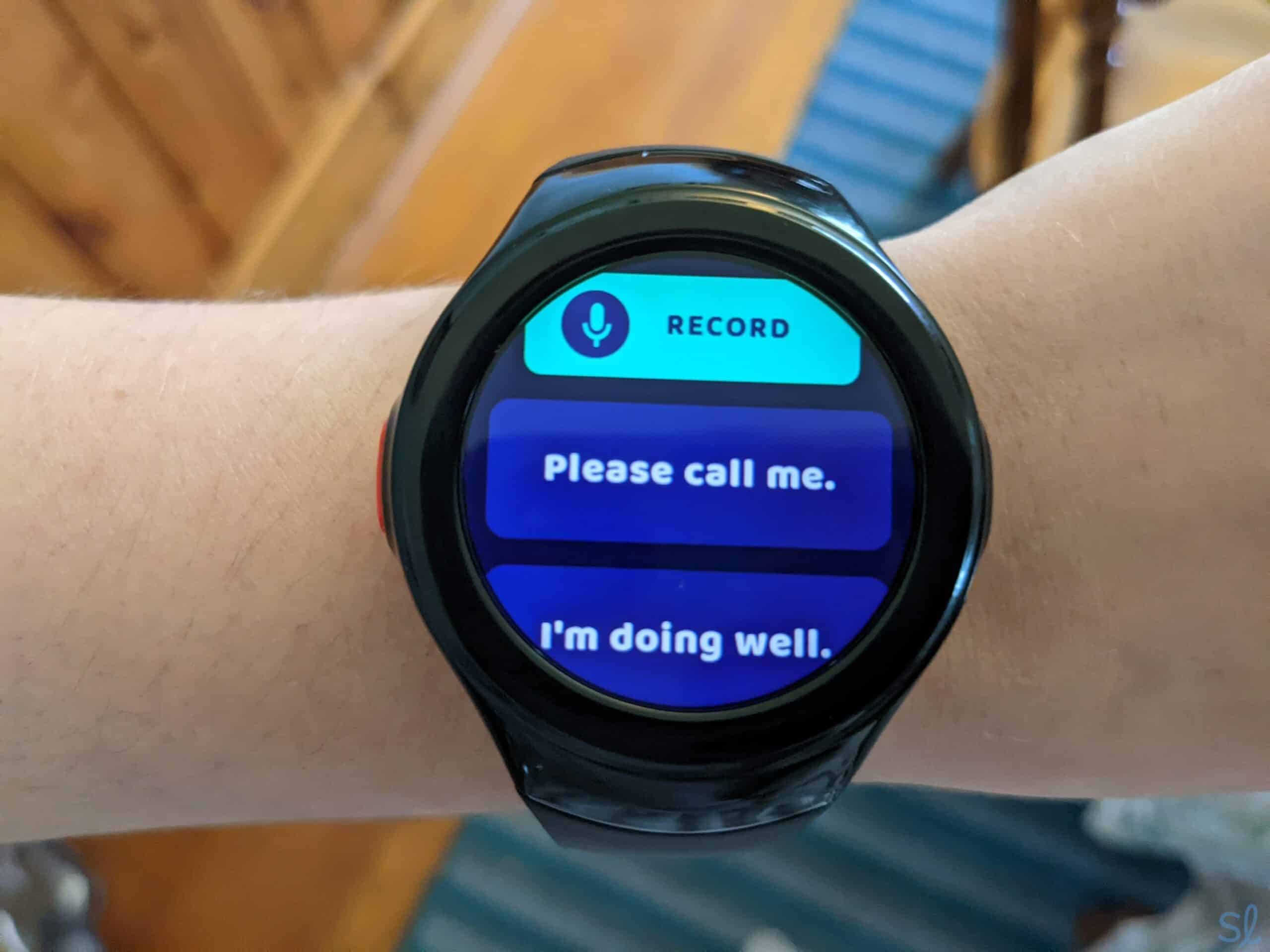
I could only respond to texts on the watch with a few preprogrammed responses or a short audio clip. However, if you’re looking for a quick, basic way to stay in touch without pulling out your cell phone, the MGMove smartwatch is a great option.
Options when you go to send a new message.
Pros & Cons:Pros About Medical Guardian MGMove
- Easy touchscreen navigation
- Advanced location detection that uses GPS, Wi-Fi and LTE
- 24/7 professional monitoring
- Health features for active seniors
- Text-to-speech communication
- MyGuardian companion app for family and caregivers
- Sleek, discrete design
- One-day battery life
Cons About Medical Guardian MGMove
- More expensive than traditional medical alert systems
- Can only text companion mobile app users
- Add-ons like fall detection, on guard alerts for caregivers, and caregiver apps cost extra
- Shipping is also an additional $12.50
Our Hands-on Experience:Senior-Friendly Features
I tested the MGMove with my grandma, and it passed the senior test with flying colors! I tried out everything from setting up and charging the device, to safely simulating falls. I loved that the watch gave a battery status update when I lifted it out of the charger. It also saves battery power automatically when the wearer isn’t active.
Medical Guardian designed the MGMove to be easy to use, even for those who've never used a smartwatch. Thanks to the large display and easily identifiable icons, my grandma could check the weather, count her steps, and send texts without assistance. We both loved the sleek look of this watch. You’d never know it’s actually a medical alert system!
» Also Check Out: The best smartwatches for seniors
I tested the emergency response feature together by pressing the red SOS button on the side of the watch. There’s also an SOS button on the touchscreen. I appreciated the various options to call for help.
I was connected to a friendly agent in just nine seconds. The average response times for medical alert systems are anywhere from 15 to 45 seconds, so I was definitely impressed. I also tested out the automatic fall detection feature by simulating falls onto the couch. In our testing, the watch correctly detected falls nine out of 10 times.
Current Deal: You can save 16 percent on your monitoring plan by paying annually. Choosing an annual subscription will also get you shipping, one month of service, and a lockbox — all free of charge.
Pressing in the red SOS button on the side of the MGMove
My grandma really liked the text-to-voice feature, which is called Support Circle Apps. It’s helpful for seniors who have challenges reading small text. The only downside is that you pay $5 more per month just to send texts. Even then, you can only send basic responses or voice messages to those who have the MyGuardian app.
You can learn more about our experience testing the MGMove watch in the video below.
Pricing
The Medical Guardian system is pricey compared to traditional medical alert systems. It costs $199.95, plus $42.95 for monthly monitoring. For comparison, in-home medical alert systems start at around $20 per month, and they typically don't have equipment fees. Still, this is less expensive than Medical Guardian's former smartwatch model, the Freedom Guardian, which cost $249.95. And if you pay quarterly, service costs only $40.95 a month, and paying annually brings the monthly rates down to $38.95.
You’ll pay an additional monthly fee if you want premium features such as OnGuard Alerts. This feature automatically alerts selected contacts in the event of an emergency.
Still, if you prefer a medical alert watch that caters to the needs of seniors, the MGMove may be right for you. When you compare its equipment fee ($199.95) to other smartwatches, such as the Apple Watch Series 10 ($399.99), it’s fairly inexpensive!
» Related Reading: Workouts and exercises for seniors
-
3. Apple Watch Series 10 - Best smartwatch for seniors with high-tech features
What we like most
- Price varies based on mobile carrier and plan
- Heart-rate monitoring and step tracking
- Automatic fall detection available
Overview:
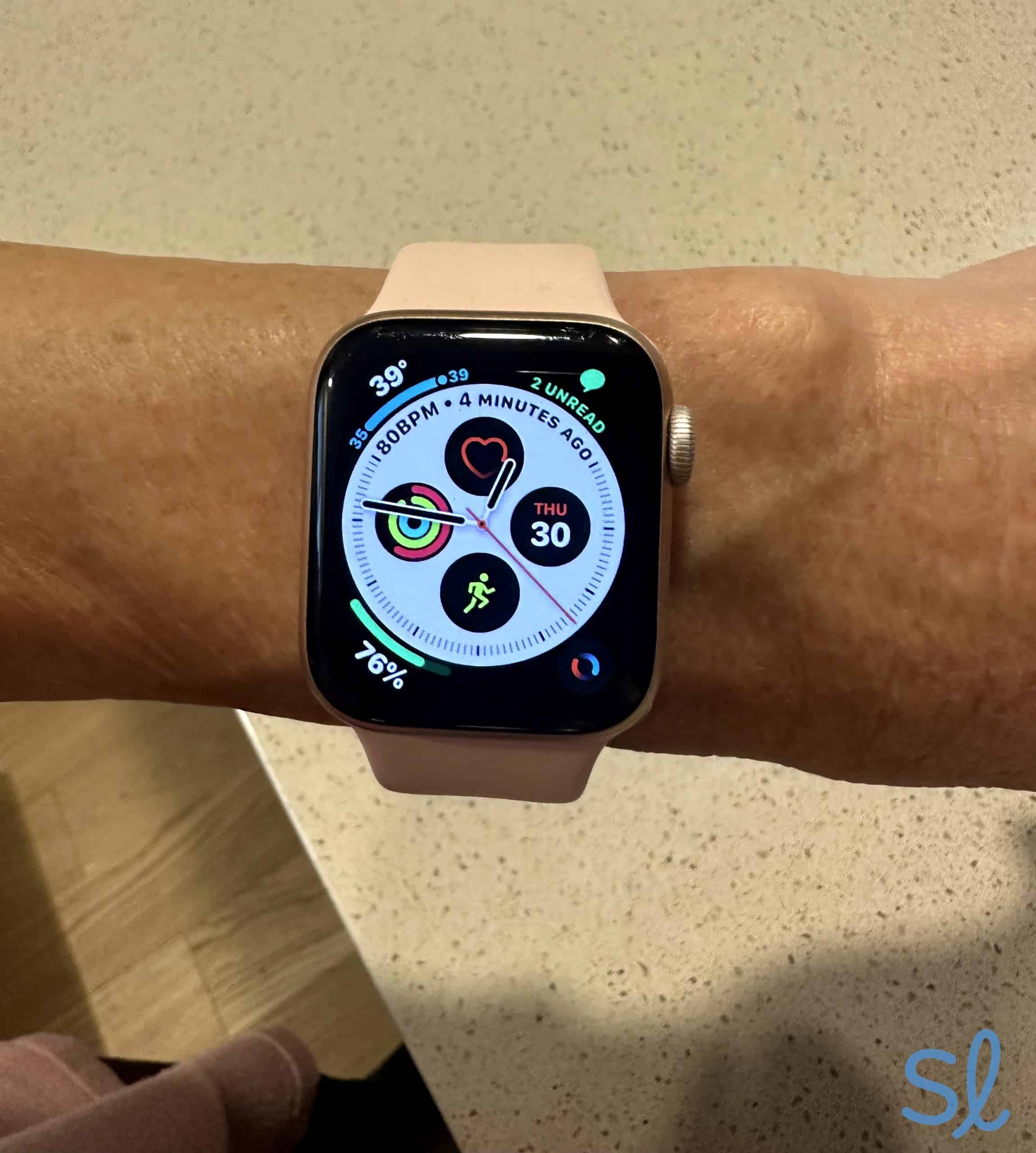
My mom using her Apple Watch
The Apple Watch is the most famous smartwatch on the market, hands down. In fact, it’s a staple in my family. My mom, grandma, aunt, sister, and cousins all own an Apple Watch!
Despite not billing itself as a medical alert device, the Apple Watch has built-in fall detection at no extra cost. That is pretty rare, as traditional medical alert watches charge an additional monthly fee for fall detection.
Fall detection automatically switches on for wearers over 55 years old (which the watch learns when you enter your birth date during signup). You can also turn the feature on or off in the watch's settings. I found that automatic fall detection reduced the watch’s battery life, but for seniors or anyone prone to falls, the tradeoff is worth it! Apple Watch is known for its high accuracy fall detection rate.
FYI: The Apple Watch can last up to 36 hours when in low-power mode. Just keep in mind that some features may not work or could take longer with this feature enabled.
The Apple Watch even connects you to international emergency responders. That's worth noting — it's a rare feature. Most other U.S.-based medical alert watches don't offer international emergency response. That makes it an excellent option for seniors who love to travel. Plus, the Apple Watch has a health category that lets me monitor my heart rate, activity levels, and sleep patterns. That makes it the most advanced watch on our list!
Expert InsightsFrom Linda Schlenker, M.S., M.A., O.T.R.,Many seniors I work with already had an Apple Watch and upgraded to an improved Apple Watch for the additional safety and health features.Pros & Cons:Pros About Apple Watch Series 10
- Larger, brighter screen than previous models
- Built-in fall detection at no extra charge
- High-tech, advanced features like sleep apnea detection
- Variety of health and lifestyle features
- Talk and text capabilities
- Pairs easily with iPhones
- Can be used at home and on the go
Cons About Apple Watch Series 10
- Might be too complicated for seniors who struggle with technology
- No professional monitoring center
- Expensive equipment fee
- No improvement in battery life compared to previous models
- No longer has Blood Oxygen app (in U.S. models)
Our Hands-on Experience:Senior-Friendly Features
The Apple Watch Series 10 is lighter and thinner than previous models and comes in a new titanium option for the case. It has the fastest processor, a new speaker, a larger display, the latest sensors, and is also quick charging.
I found that the microphone with voice isolation made communication easier to hear in noisy settings. This can make all the difference in the event of an emergency or fall, especially if you become disoriented.
The Series 10 is packed with health features like EKGs, irregular heartbeat alerts, fall detection, new breathing disturbance tracking for sleep apnea, walking steadiness, and emergency calling. It's the perfect smartwatch for everyday health management. The apple watch can even detect if you're in a car accident and will automatically call emergency services after initiating a 10-second countdown.
» Learn About: The best iPhones for seniors
My grandma has been an iPhone and Apple Watch user for years, so she has no problem navigating the Apple Watch. She also loves the added protection of automatic fall detection. However, seniors who aren’t Apple users may feel a bit overwhelmed by all of the apps and features. For instance, when my mom first got her watch, she was worried about clicking the wrong thing. She often didn’t know how to access features like heart rate without assistance.
A friend of my mom’s who does water aerobics regularly was gifted an Apple Watch 10 by her sister, because it is water resistant up to 50 meters. This type of protection is valuable for active seniors who love to swim.
Pricing
There are several Apple Watch models to choose from, and you can often find older or refurbished models on sale. The Apple Watch Series 10 currently costs $399. Some models, such as the “gold Milanese loop” with a titanium case, currently go for $749. You’ll also pay a monthly fee for a cellular plan if you don’t have an iPhone. These plans can vary in price by cellular provider, but they typically cost $10 per month.
With the Apple Watch’s multitude of features, this is a very affordable monthly price. While you’ll be paying a few hundred dollars more upfront compared to other smartwatches, the monthly fees are lower than those of traditional medical alert systems.
-
4. Samsung Galaxy Watch7 - Best for people with vision loss
 View on Amazon Links To Amazon
What we like most
- Built-in fall detection
- Large, bright touchscreen
- Ample accessibility features
Samsung Galaxy Watch7View on Amazon Links To AmazonOverview:
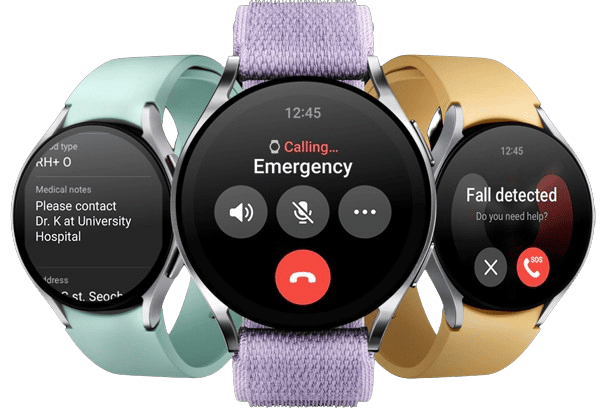
Samsung Galaxy Watch 7. Source: Samsung
An estimated 6 million Americans have vision loss.3 So, when using a medical alert watch, poor eyesight could potentially exclude many older adults. That is where the Samsung Galaxy Watch7's updated Super AMOLED screen really shines; it's incredibly bright, so it's perfect for those with vision loss, or low night vision. In testing, I found that I could also easily access accessibility features for vision, hearing, and text-to-speech functionality.
» You Might Like: Best Samsung phones for seniors
I could use the built-in voice assistant to read aloud the current time, notifications, text messages, and on-screen menu items. This feature is essential for individuals who have difficulty seeing small icons or text on a smartwatch. This watch even has a setting to tell you the time via vibrations!
» Learn More: Smartphone apps and resources for people with vision loss
Like the Apple Watch Series 10, the Samsung Galaxy Watch7 has built-in fall detection. This watch doesn’t contact emergency services by default. Instead, it will automatically text your preselected emergency contacts if it detects a hard fall and you don’t respond for 60 seconds.
Upon detecting a hard fall, or receiving five home button presses, the watch will initiate a countdown period that includes vibration and an alarm sound. This will give you lots of time to cancel a false alarm, should it occur. During testing, the Galaxy Watch7 correctly detected our simulated falls eight out of 10 times.
I set up multiple emergency contacts and had the Galaxy Watch7 automatically share my location and send a text asking for help. Even if you don't fall, you can still contact emergency services manually by swiping right on the SOS icon.
Pros & Cons:Pros About Samsung Galaxy Watch7
- Built-in fall detection
- Emergency service SOS feature
- Large, bright touchscreen
- Voice assistant
- Heart rate tracking
- Simple design
- Talk and text capabilities
- Long battery life
Cons About Samsung Galaxy Watch7
- No dedicated emergency response center
- Fall detection depends on emergency contacts
- Vision accessibility features have a learning curve
Our Hands-on Experience:Senior-Friendly Features
During testing, I found the Samsung Galaxy Watch7 slightly more complex to use than the Apple Watch Series 10. I did, however, love the step count tracker on the watch face, which let me keep track of my own activity level without having to push any buttons. Tech-savvy seniors will enjoy this watch’s special features, like the user’s daily energy score, earned fitness badges, and suggested text replies, despite the additional complexity.
The watch features a powerful new 3nm processor and a BioActive Sensor that tracks heart rate and sleep patterns with improved accuracy over previous models. I had very few issues choosing different apps, checking out the health monitoring features, or sending and receiving texts.
However, getting used to the vision accessibility features was a bit more complicated. Once they were enabled, I struggled to get the swiping right. I sometimes couldn’t understand the voice assistant’s speech, as it can read through menu items very quickly. The Galaxy Watch7 is still pretty easy to use for an advanced smartwatch, just know that some hearing and vision loss features come with a learning curve.
Pricing
While the Samsung Galaxy Watch7 is an advanced smartwatch like the Apple Watch Series 10, it’s a lot cheaper at $299.99. It’s still more expensive than traditional medical alert watches, though.
The Samsung Galaxy Watch7 can operate on its own if you purchase a standalone mobile plan through a carrier like T-Mobile. Alternatively, you can connect it via Bluetooth to a smartphone and use your existing plan. However, to ensure that you’re safe with or without your phone, I recommend spending a little more to get a data plan just for your Samsung watch.
What Is a Medical Alert Watch?
In the last few decades, watches have evolved from simple timepieces to multi-use gadgets. Along with telling time, they can provide invaluable information about your health and help you stay protected during a medical emergency.
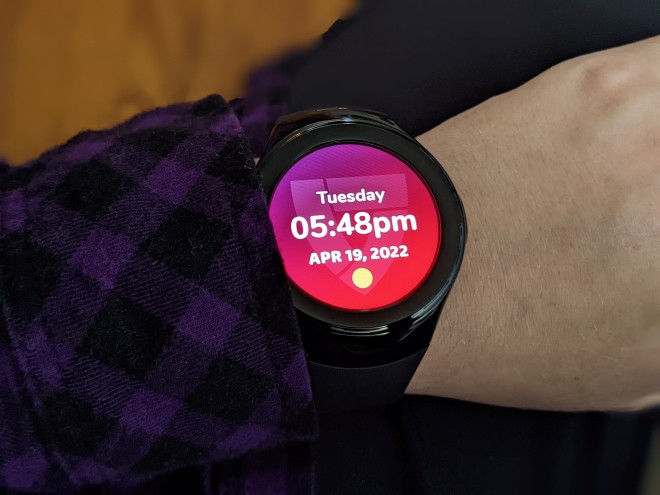
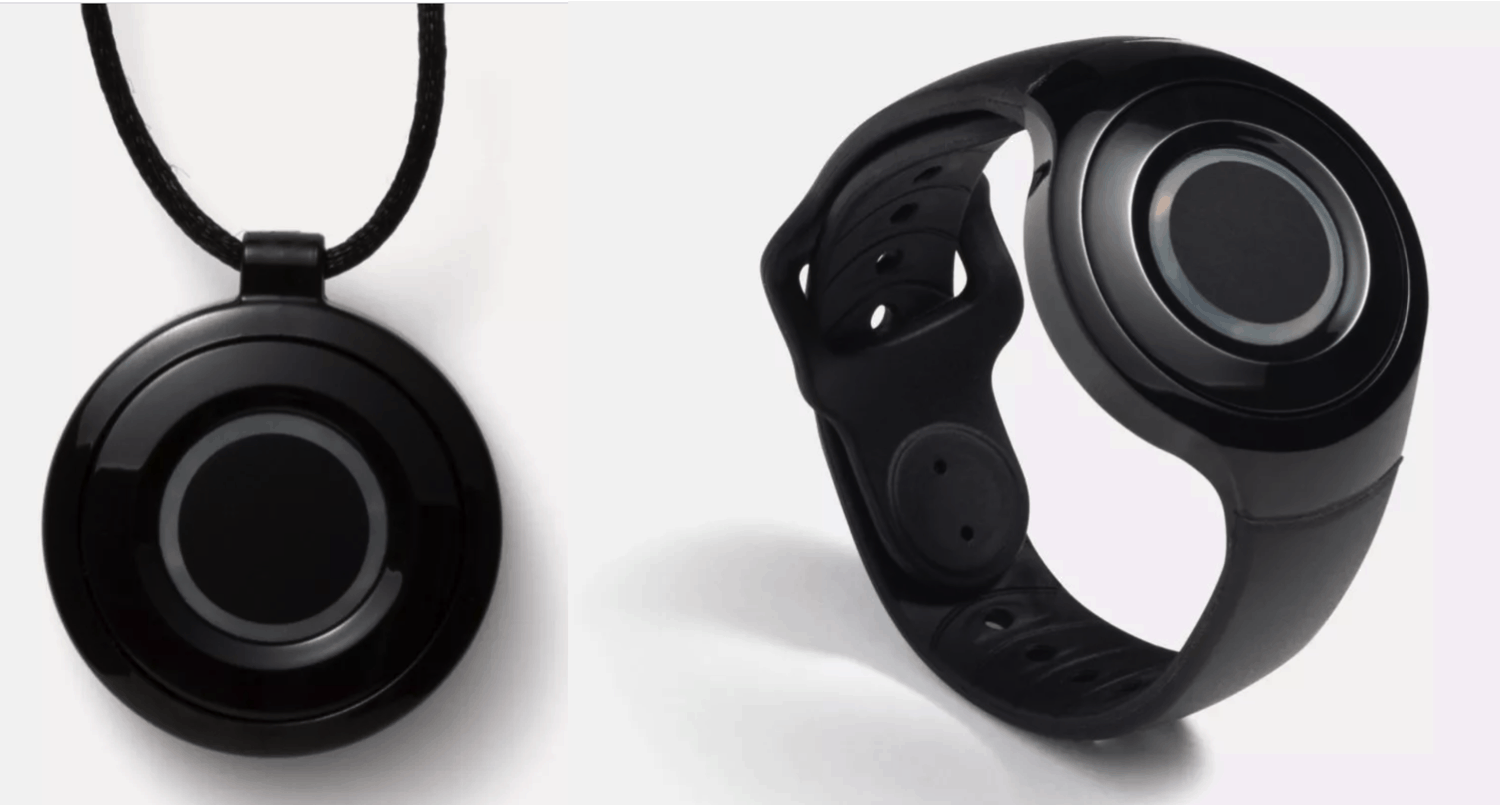
Medical alert watches come in many styles, but they're all designed to look like a regular watch with enhanced medical alert features
Many top medical alert companies have branded these devices as “medical alert watches.” Medical alert watch features vary from model to model. Some of the most common features include GPS technology, emergency help buttons, step or vitals tracking, fall detection, and the ability to communicate with others through the watch.
Some watches, such as the Apple Watch Series 10 or Samsung Galaxy Watch7, also double as handy communication tools. You can even sync them with your smartphone. Despite all the fancy features, a medical alert watch’s primary goal is ensuring your safety and well-being.
If you’re currently debating whether your loved one needs a medical alert watch or a different kind of medical alert system altogether, here are a few pros and cons of medical alert watches to consider:
Pros About Medical Alert Watches
- Discreet and designed for comfort
- GPS location tracking
- Can make it easier to communicate with caregivers
- More advanced tech than conventional medical alert systems
- Ideal for active seniors
- Water-resistant designs
- Often features built-in fall detection
- May come with heart monitoring, step tracking, and other health features
- Can range from basic watches to advanced smartwatches
- Never requires a landline
Cons About Medical Alert Watches
- Typically more expensive than conventional medical alert systems
- Some watches are not connected to 24/7 monitoring centers.
- Fall detection tends to be less accurate than devices worn around the neck.
- May come with a learning curve for seniors who aren’t tech-savvy
- Needs to be charged every day
A Buyer’s Guide to Purchasing a Medical Alert Watch
Along with medical alert features, here are a few of the best things to look for when buying a medical alert watch:
Automatic Fall Detection
Every year, there are millions of falls that result in hospitalizations among older adults, according to the Centers for Disease Control.4 So, it’s important that your chosen watch can detect a fall, especially if you’re prone to them. The watch should link to a specific contact, 911, or an emergency monitoring center.
Keep in mind that not all medical alert watches come with automatic fall detection. If you’re more prone to falls due to chronic health conditions, mobility issues, or even just the layout of your house, we’d recommend a watch with built-in fall detection.
GPS and Cellular Technology
For your watch to work properly at home and on the go, it needs built-in GPS and cellular technology. During an emergency, you’ll be able to call for help no matter your location. Even if you don’t know where you are, help can be sent straight to you.
Pro Tip: Do you want a medical alert system that doesn’t require a landline? Check out our guide to the best cellular medical alert systems.
It’s also a beneficial feature for family members and caregivers who want to check in and see where you are. That is particularly important for active seniors who exercise and take trips away from their homes.
Battery Life
The one downside of a digital watch compared to a traditional one is battery life; it will be far shorter. Look for a watch that’s easy to charge and has a solid battery life. Or consider a watch that allows you to remove unnecessary features to conserve battery life.
FYI: If your loved one is struggling with memory loss, it could be harder for them to use certain devices. Check out our guide to find the best medical alert systems for dementia.
The last thing you want is to be walking around with a dead watch. I’d recommend a watch that holds a charge for at least a full day (18 to 24 hours). That way, you can charge your watch every night before bed. Getting into a daily charging routine will make it easier to remember.
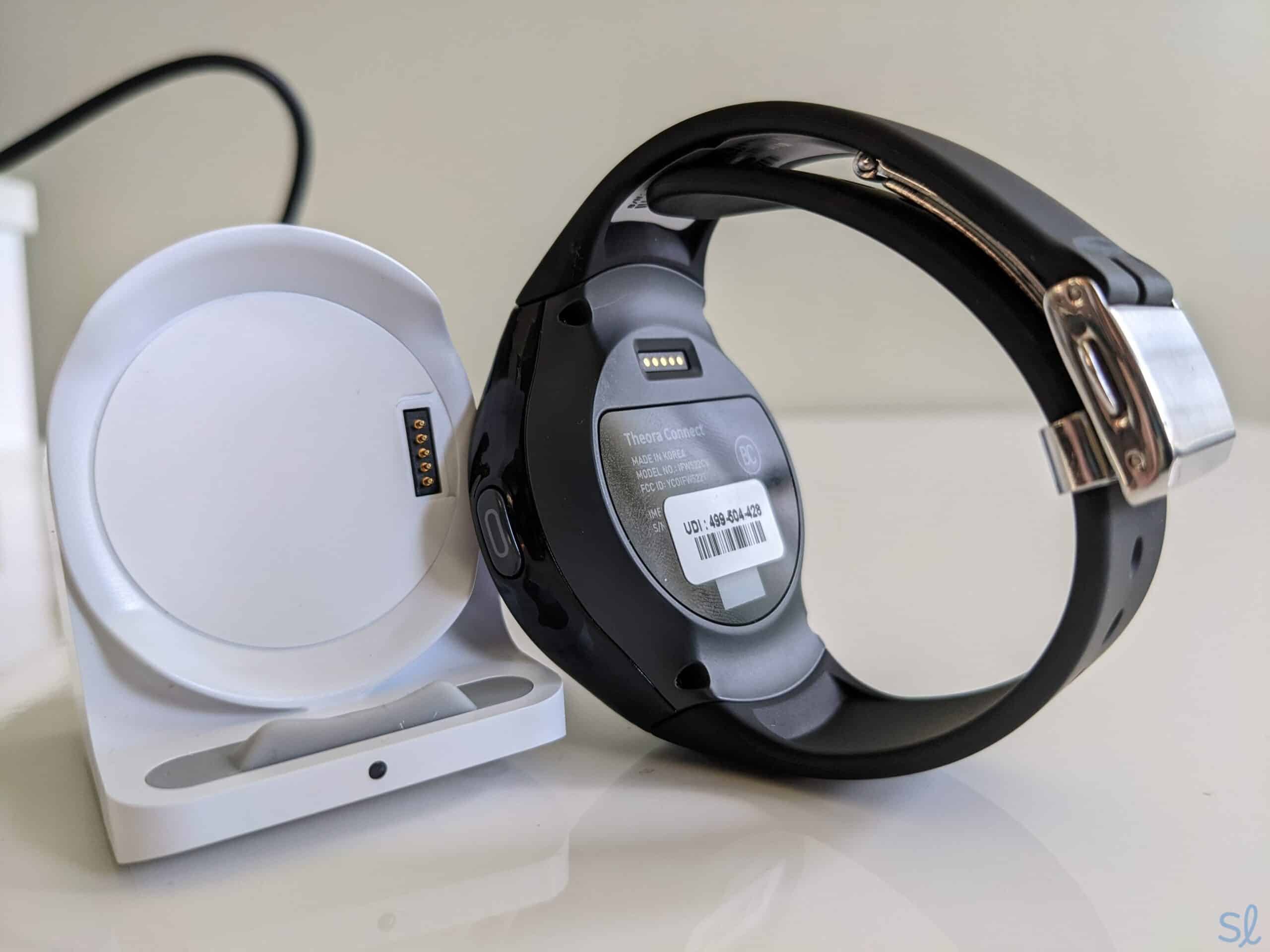
Testing out Medical Guardian's MGMove and its charger
Water-Resistant Design
Medical alert watches are usually waterproof or water-resistant, which offers peace of mind while showering, as bathrooms pose a slipping hazard for seniors. This is also great for active seniors who swim or those who spend a lot of time outside in rainy areas.
Frequently Asked Questions About Medical Alert Watches
-
Are medical alert watches complicated to use?
Depending on your technical ability, everyone will have a different definition of what’s complicated. However, if the complexity is something you are concerned about, opt for a simplistic model such as the Bay Alarm Medical SOS Smartwatch. Additionally, most medical alert watches will have video tutorials and a helpline if you run into a problem.
-
I’m worried about my elderly parents. Should I buy them a medical alert watch?
Absolutely, and the good thing about a medical alert watch is that they come in so many different styles. While a medical alert watch can’t prevent a fall or medical emergency, it will ensure help arrives promptly. So, if you are worried about your parents or any other elderly family member, it’s worth getting them one.
-
Is it better to wear a medical alert watch or a lanyard?
It depends on how you intend to use it. A watch is worn on the wrist so it looks a lot sleeker, but it might not be as practical to wear in the shower as a lanyard would be. If you are stuck trying to decide, the Lively Wearable2 offers the best of both worlds with both a lanyard and wristwatch option.
-
Who will be alerted if I have a fall?
Every medical alert watch operates differently. However, the majority are linked to a 24/7 monitoring center or 911. Sometimes medical alert watches are also linked to caregivers, family members, or specific helplines. For example, Lively offers many different services over the phone that can even help you with a flat tire, in addition to medical emergencies.
-
Will Medicare pay for a medical alert watch?
Medicare does not cover the cost of any type of medical alert system, including medical alert watches. If you have a Medicare Advantage plan, your plan may cover some of the cost, but you’ll need to check to make sure. If you have a health savings account (HSA) or a flexible spending account (FSA) it may cover the cost of medical alert watches from some brands.
-
National Fire Protection Association. (2023). How Long Does It Take for your 911 Call to Be Answered?
-
UCLA Health. (2025). How to prevent falls in the bathroom.
-
Centers for Disease Control. (2024). Fast Facts of Common Eye Disorders.
-
Centers for Disease Control and Prevention. (2024). Facts About Falls.