Key Takeaways
- Walk-in tubs usually cost between $2,000 to $20,000, depending on your chosen brand and features.
- Installing a walk-in tub can help prevent falls, especially since getting into a tub is one of the leading causes of falls for older adults.
- Medicare doesn't cover walk-in tubs, but Medicaid may pay for them if a doctor considers them a medical necessity.
Walk-in tubs can help older adults age in place safely and avoid falls, which often occur in the bathroom.
As we get older, things that used to be simple, like climbing into the shower, can become difficult. Whether it’s due to an injury, illness, or just aging, the process of taking a bath can quickly become a tedious, painful, or dangerous experience. If you or a loved one is experiencing decreased mobility and can no longer use a standard shower or tub, you may want to consider investing in a walk-in tub. This is a great option for those who wish to live independently and age in place. Below we’ll cover everything you need to know before purchasing a walk-in tub, cover the best walk-in tub brands, and provide additional resources to help your research!
What Is a Walk-in Tub?
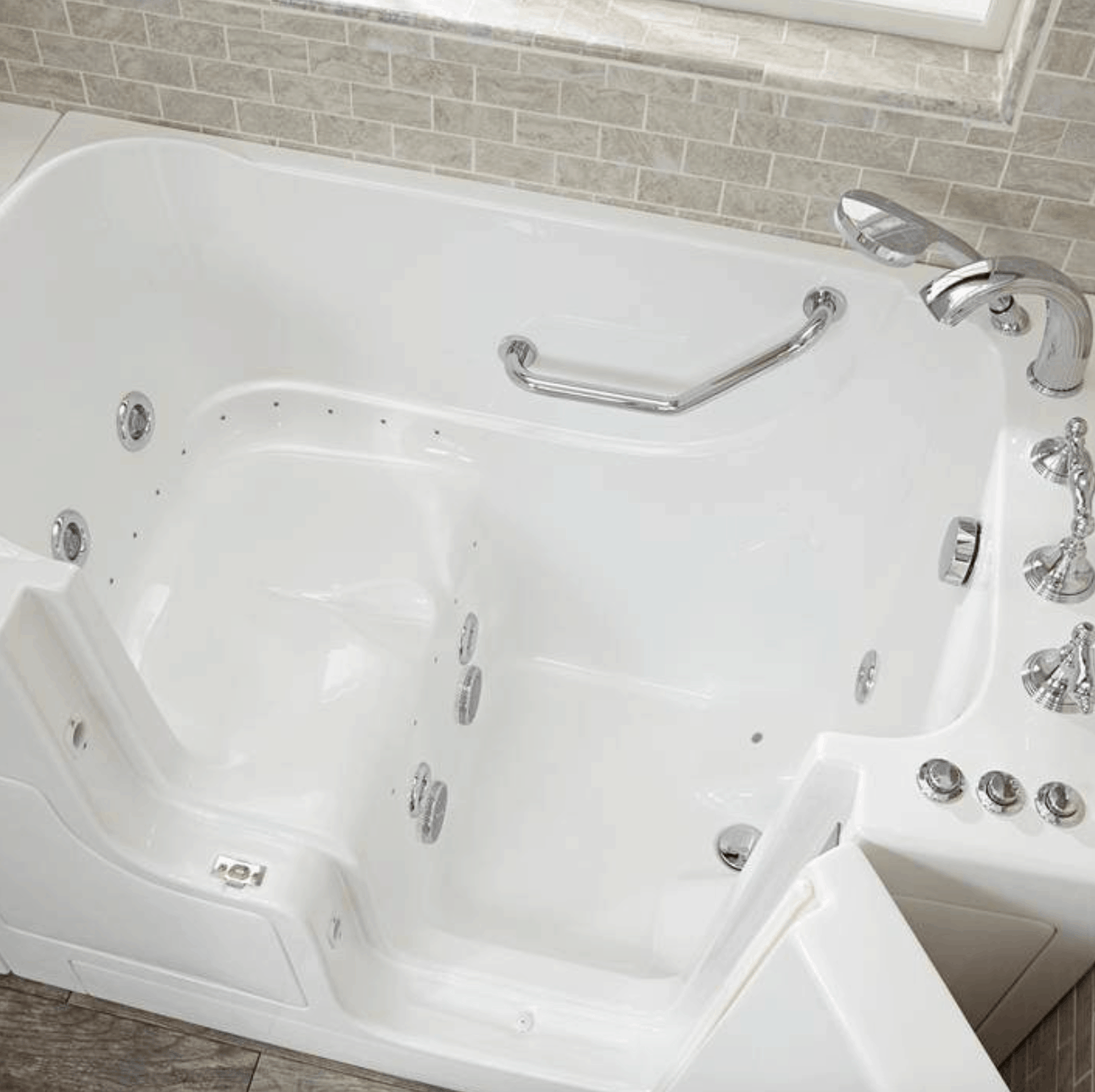
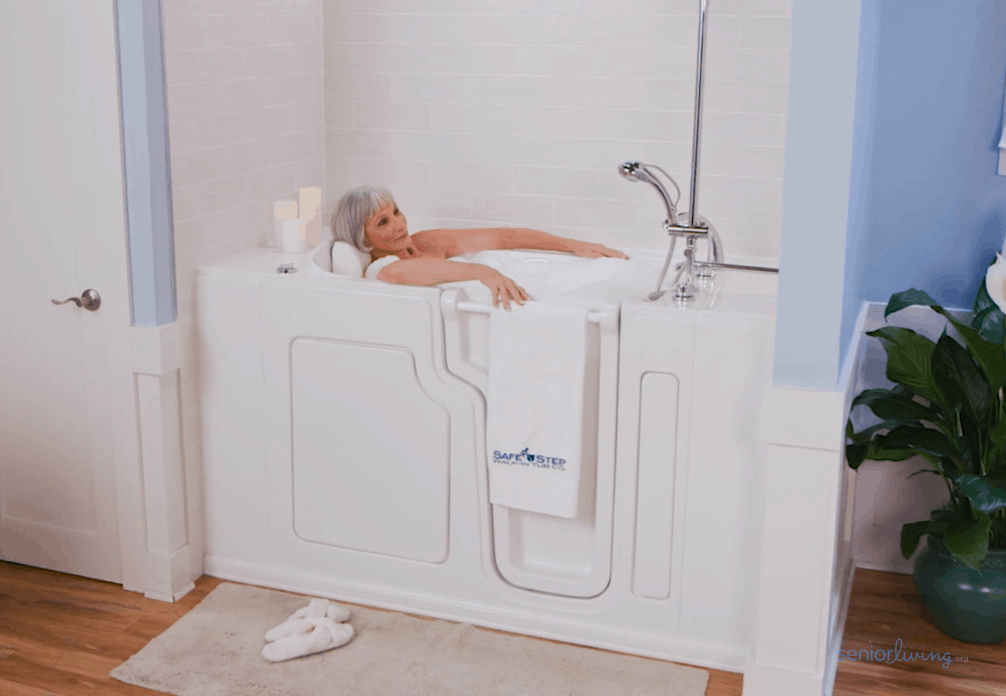
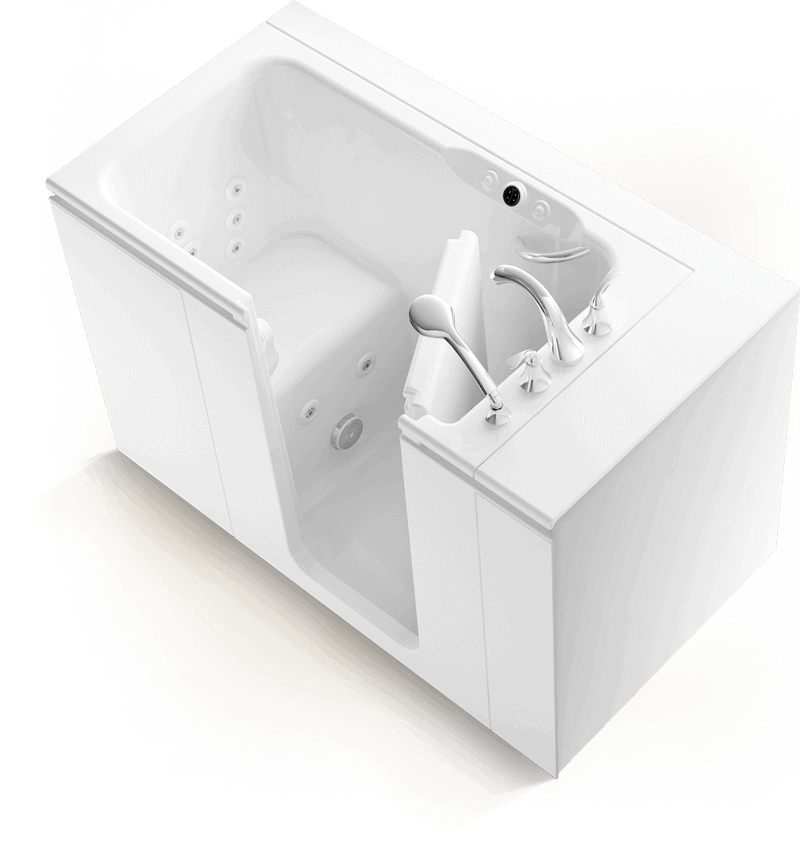
A walk-in tub is a bathtub with a watertight door on the side that easily opens and closes for a person to walk into the tub.
Walk-in tubs are usually equipped with a chair-height seat as well as handlebars so that a person can sit and move about the tub safely. They also feature non-skid flooring and are usually deeper than your typical bathtub.
If you want to be able to shower as well as bathe, many walk-in tubs come with an extendable showerhead feature. This option allows people to sit down on the seat in the tub and use the showerhead. Walk-in tubs usually require professional installation, which is another cost to consider, which we’ll get into later!
Walk-in Tub Reviews

6 Resources
- American Standard Walk-in Tub Review December 11, 2025
- Kohler Walk-in Tub Review November 11, 2025
- Safe Step Walk-in Tub Review February 27, 2026
- Best Walk-in Tubs for Seniors May 27, 2026
- Safe Step vs. Kohler November 17, 2025
- Safe Step vs. American Standard January 30, 2026
Check out our hands-on reviews of the industry’s leading walk-in tub companies. We’ve ranked these providers on our best walk-in tubs page so you can easily compare providers.
Choosing the Right Walk-in Tub for You
You might think that one walk-in tub is the same as the next, but there are lots of details and nuances that can make all the difference in the world. For example, how high do you want the step-in threshold? Do you think you will need a built-in chair now or in the future? Answering these questions will help you pick the perfect walk-in tub for you. If you’re currently in the market for one, be sure to check out the top providers we have reviewed.


Popular Features of Walk-in Tubs in 2026
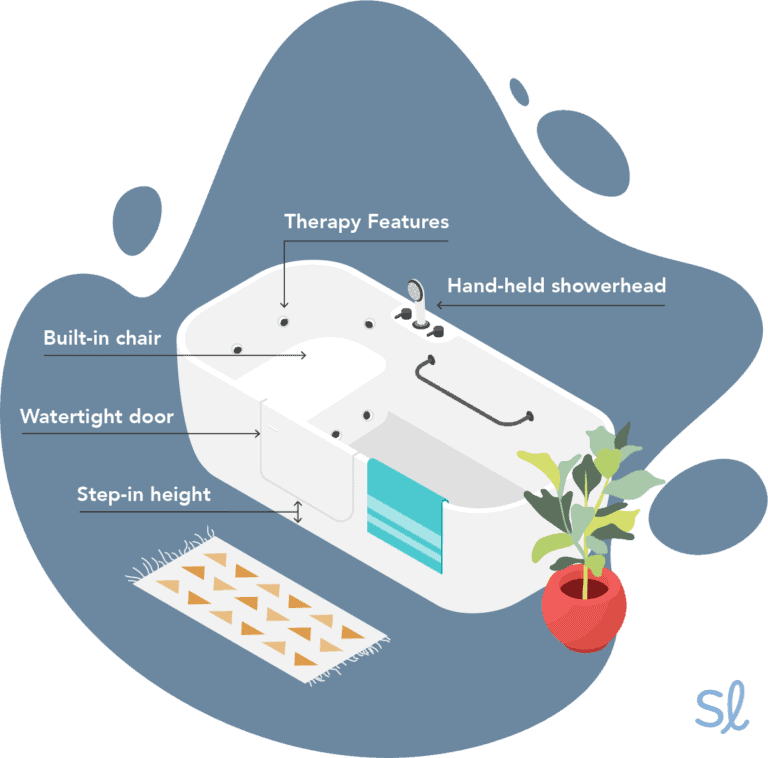
Walk-in tubs have a range of features that help make bathing a more comfortable and safer experience. Below is a breakdown of some of the most common elements of these tubs.
Popular features
- Step-in height: This refers to the height of the threshold you’ll need to step over to get inside the tub. A standard bathtub can have thresholds of 15 inches. For walk-in tubs, the average stepover is between 3 and 7 inches. That means there’s no need for high leg lifting or balancing. Some wheelchair-accessible tubs are even lower. Opting for the lowest height possible is best if you want safer access to your tub.
- Watertight door: Walk-in tubs are sealed with watertight doors, which allows bathers to step into the tub safely. This standard feature will either swing inward or outward, depending on the tub and your preference. Although these doors have tight seals, opening and closing them requires minimal arm strength.
- Hand-held showerhead: A hand-held showerhead is one of the best ways to take a shower while sitting down. This allows even those with limited mobility to easily bathe without straining themselves. Many shower heads also come with adjustable force and spray, which is convenient if you prefer less water pressure.
- Built-in chair: Fixed chairs are a common feature of walk-in tubs which allows you to sit comfortably during your bath, while also reducing the risk of falling. These chairs are usually soft and some are even heated. Depending on the tub, the chair can be adjusted to meet your specific height and needs.
- Therapy features: Hydrotherapy, aromatherapy, and heated surfaces are considered more luxurious additions. High-quality whirlpools and air jets help soothe and massage seniors with aching muscles and joint pain.
Quick Tip: When it comes to the jets in your walk-in tub, less is more. Too many jets can sometimes decrease the overall power of the jet system in the tub.
Different Types of Walk-in Tubs
Just like regular bathtubs, walk-in tubs come in all shapes and sizes. Many are designed to help with specific accessibility or therapy needs. Before selecting a walk-in tub, you may want to compare your options to see which one meets your needs the best. Below are some of the different types of walk-in tubs on the market.
- Soaker: The soaker is a large standard walk-in tub with a watertight door and a fixed seat. This tub makes a good option for those trying to keep their costs down.
- Hydrotherapy: These tubs, often referred to as whirlpool or jacuzzi tubs, are known for their strong jets that help massage sore muscles. Hydrotherapy walk-in tubs are an excellent choice for aiding in arthritis.
- Wheelchair accessible: Roll-in or wheelchair-accessible tubs have wide swinging doors and grab bars, making it easy to move from a wheelchair onto the seat inside.
- Aromatherapy: These tubs provide soothing and relaxing scents while you bathe. They mix in essential oils with the water to give you a truly spa-like experience.
- Bariatric: A bariatric walk-in bathtub has wide doors and is designed to support people who weigh more than 300 pounds.
Why Do I Need a Walk-In Tub?
There are several advantages to adding a walk-in tub to your home aside from making it easier to take a bath or shower. Let's take a look at how a walk-in tub can improve your quality of life and safety.
Hydrotherapy
Jets in a whirlpool or jacuzzi tub can massage sore muscles and help you relax. Hydrotherapy can help seniors cope with injuries like burns, ulcers, and amputations. This feature is also great if you're dealing with conditions like arthritis, as the water and jets can soothe aching joints and inflammation. Even if you decide not to add jets to your walk-in tub, simply soaking in the warm water also offers numerous health benefits. Warm water on its own can alleviate joint and muscle pain, and it encourages the release of endorphins to boost your mood.
Prevent Accidents and Injuries
Getting into a standard tub is one of the leading causes of falls for older adults with mobility issues or a history of falling. According to the CDC, falls among adults 65 and older lead to around $50 billion in medical costs each year.1 For seniors on fixed incomes or a tight budget, this can add stress and financial strain to physical injury. Since walk-in tubs are designed to eliminate the hazards of bathing, your risk of falling will be greatly reduced, which means you can avoid an unpleasant and very pricey visit to the hospital as well.
Pro Tip: Worried about falls? Medical alert systems can offer added protection and help during a fall or other health emergency. Visit our list of the best medical alert systems in 2026 to learn more.
Along with helping seniors avoid falls, walk-in tubs also remove the need for a sliding shower door, which poses another risk to seniors. As we get older, our balance and mobility begin to decline, especially when standing on slippery surfaces, like in a bath or shower. Because shower doors aren't designed to support body weight, they may move or break if too much weight is put on them when trying to balance. Since walk-in tubs get rid of sliding doors and typically feature sturdy handrails, they are much safer.
May Increase Home Value
Installing a walk-in tub could raise your home's value, especially if you live in a retirement community. Since retirement communities are designed for older adults, any added safety features and medical equipment, like a walk-in tub, can make your property more desirable and increase its value, which means a walk-in tub is a long-term investment!

Installing a walk-in tub could raise your home’s value
How Much Do Walk-In Tubs Cost?
The average cost of a walk-in tub with installation ranges from about $2,000 to $20,000 or more in 2026. While the upfront price can seem high, it may still cost less than a fall-related hospital stay. Traditional Medicare rarely covers walk-in tubs, but you may qualify for a tax deduction if you install a tub for a medically necessary safety reason.
Here's what you can expect for the cost of walk-in tubs:
| Category | Price range | What it includes |
|---|---|---|
| Base walk-in tub cost | $2,000 to $10,000 | Standard soaking tubs, basic safety features, and some therapeutic upgrades |
| Installation cost | $1,500 to $5,000 | Plumbing work, electrical wiring, labor, demolition, and bathroom modifications |
| Total installed cost | $2,000 to $20,000 | Combined tub and installation costs, depending on features and home modifications |
The cost of your walk-in tub will also depends on several factors, including:
- Hydrotherapy and air jets: Therapeutic jets increase the cost and may require additional electrical wiring.
- Luxury upgrades: Custom wall surrounds, premium finishes, heated seats, and other upgrades can raise the total price.
- Bathroom modifications: Some bathrooms require plumbing upgrades, wider doorways, reinforced flooring, or a larger water heater.
- Tub customization: Custom sizing or specialty designs for smaller bathrooms typically cost more.
- Installation coverage: Some manufacturers include installation in the purchase price, while others charge separately.
Popular Walk-In Tub Brands
- Safe Step: Best for safety-focused features
- American Standard: Best for a wide range of tub styles
- Kohler: Best lowest step-in height
- Jacuzzi: Best for hydrotherapy
With so many walk-in tub brands on the market today, it can be challenging to choose one. Thankfully, there are a few household brand names like Safe Step and American Standard known for their customer satisfaction and quality tubs. For more details on these brands, make sure to check out our list of the best walk-in tubs.
Safe Step

This brand is one of the top providers of walk-in tubs and showers in the United States. Their bathtubs are equipped with standard features that are often considered upgrades by other brands. Safe Step also offers a lifetime guarantee on their walk-in tubs.
American Standard

American Standard is a trusted and well-known brand that offers various walk-in tub models. They provide free installation estimates and lifetime warranties on their door seals, which certainly comes in handy.
Kohler

Designed and assembled in the United States, Kohler tubs are meant to be quiet and relaxing for the most spa-like experience possible. Their bathtubs are equipped with fast-drain technology for added convenience and time savings.
Jacuzzi

Jacuzzi has brought hydrotherapy tubs into homes since the 1950s. As the original makers of the Jacuzzi hydrotherapy pump, they have demonstrated that their tubs provide the most relaxing bathing experiences.
How to Install a Walk-In Tub
Most bathrooms aren't designed for walk-in tubs, so typically, professional installation is needed. Depending on the size of your bathroom and the new tub, you may also need to do a bit of renovation, but that will vary from home to home. This is an extra cost and step that you'll need to keep in mind before purchasing a walk-in tub.
During the typical installation process, certified installers will remove and dispose of your old bathtub and install your new walk-in tub. The company should also take care of all the plumbing and electrical work necessary to install it. Most often, your existing plumbing and electrical lines work just fine for your new tub, which helps avoid expensive renovations. However, installation can vary depending on your bathroom, the installation's speed, and building permit costs.
All walk-in tubs will require a secondary drain in the door to be certified. Non-certified plumbing fixtures may affect the cost of your insurance, so we'd recommend the second drain. Before getting a tub, you should make sure your chosen model complies with local building and plumbing codes. You can do this by getting a quote from a professional company.
There are a few DIY options for installing a walk-in tub, but it can be expensive, dangerous, and time-consuming if you've never done it before. The best thing to do is to select a well-known and trusted brand to install your new walk-in tub. They should also test your newly installed tub to make sure it works properly and show you how to use it. A good company will work quickly and carefully to make sure you get the best experience possible.
Pros and Cons of Walk-in Tubs
Understanding the advantages and limitations of walk-in tubs can help you decide whether one is the right investment for your needs. Here is a breakdown of the most common pros and cons:
Pros of walk-in tubs
- Reduced fall risk: Walk-in tubs feature low step-in thresholds, built-in grab bars, non-slip flooring, and a built-in seat — all of which make bathing considerably safer than a traditional tub for seniors with limited mobility.
- Greater bathing independence: For older adults who want to age in place, walk-in tubs reduce the need for caregiver assistance during bathing. Wheelchair-accessible models provide even greater ease of entry and day-to-day autonomy.
- Therapeutic benefits: Many walk-in tubs feature hydrotherapy jets, air jet systems, and whirlpool options that can improve circulation and ease joint and muscle discomfort, which is particularly beneficial for seniors managing arthritis or chronic pain.
- Added safety features: Higher-end models often come equipped with anti-scald valves to prevent burns and built-in emergency call buttons, giving both seniors and their families greater peace of mind.
- Easy to clean: Most walk-in tubs are made from acrylic or fiberglass, both of which are durable and easy to wipe down. Some models also include self-sanitizing systems for added hygiene.
Cons of walk-in tubs
- High upfront cost: Walk-in tubs represent a significant financial commitment, with units ranging from $2,000 to $15,000 before factoring in installation. Depending on your bathroom layout, additional plumbing, electrical work, or structural modifications may increase the total cost.
- Long fill-and-drain times: Because the door must be sealed before water can enter, you have to get into the tub before filling it — and remain seated until it fully drains before exiting. This process can add considerable time to what might otherwise be a quick bathing routine.
- High water usage: Walk-in tubs are deeper than standard tubs and typically hold significantly more water, which can increase both your water bill and water-heating costs over time.
- Risk of getting chilled: Sitting in the tub while waiting for it to fill or drain can leave bathers exposed to cool air, particularly in colder months. Models with heated backrests and quick-drain technology can help reduce this discomfort.
- Not covered by Medicare: Walk-in tubs are generally considered a home modification rather than a medical necessity, meaning most buyers will need to cover the full cost of the unit and installation out of pocket.
- Potential resale considerations: Because walk-in tubs are a niche product, they may not appeal to all future homebuyers, which is worth keeping in mind if long-term home resale value is a priority.
Will Medicare Pay for a Walk-In Tub?
No, Medicare does not cover the cost of a walk-in tub because it is not considered durable medical equipment. However, in some rare cases, Medicare may reimburse you for part of the cost, but the tub needs to be purchased and installed first.
Will Medicaid Pay for a Walk-In Tub?
Yes, Medicaid may pay for a walk-in tub. However, rules and regulations for each state vary. If you are looking for reimbursement for a walk-in tub, you need to file a claim with Medicare and get a written prescription from your doctor stating that it is a medical necessity. As with any medical need, you should always consult with your doctor to discuss whether investing in a walk-in tub is right for you.
Other Financial Assistance for Walk-In Tubs
There are various Veterans' benefits plans that may offer financial assistance for some walk-in tubs. As with Medicaid, it's best to check on an individual basis.
Another option to investigate is a grant offered by the U.S. Department of Agriculture that helps seniors make changes to their homes so that they can age in place safely. This is something worth looking into if you think paying for a walk-in tub out-of-pocket is a bit steep.
Frequently Asked Questions About Walk-in Tubs
- What are the benefits of a walk-in tub?
The benefits of a walk-in tub include a safer, more comfortable bathing experience for seniors and those with limited mobility, thanks to features such as low step-in thresholds, built-in grab bars, non-slip flooring, and built-in seating. Many models also include therapeutic features such as hydrotherapy jets and heated backrests that can ease joint pain, improve circulation, and promote relaxation. For older adults who want to age in place, a walk-in tub can significantly reduce the need for caregiver assistance during daily bathing.
- How long does it take to fill a walk-in tub?
Most walk-in tubs take anywhere from 5 to 10 minutes to fill, depending on your home’s water pressure and the tub’s capacity. Note that you must enter the tub before filling it. Draining can take an additional 2 to 15 minutes, depending on whether your model includes a standard or quick-drain system. Some higher-end models feature rapid-fill and quick-drain technology that can significantly cut down on total wait time.
- What is the best walk-in tub for seniors?
The best walk-in tub for a senior depends on their individual mobility needs, bathroom size, and budget. Top-rated brands include Kohler, American Standard, and Safe Step, each of which offers a range of models with varying safety and therapeutic features. A low step-in threshold, a comfortable built-in seat, and a reliable door seal are good starting points when comparing options.
- Are walk-in tubs safe?
Yes, walk-in tubs are generally considered much safer than traditional bathtubs for seniors and those with mobility challenges. Features like anti-slip flooring, grab bars, anti-scald valves, and low entry thresholds work together to minimize the risk of falls and burns during bathing. Some models also include built-in emergency call buttons for added peace of mind.
- Can walk-in tubs be used as showers?
Yes, walk-in tubs can be used as showers if you have a walk-in tub-and-shower combo. Many walk-in tubs come equipped with a handheld showerhead that allows users to shower while seated. This makes them a flexible option for seniors who prefer a quick shower on some days and a longer soak on others. If shower functionality is a priority, look for a model that includes an adjustable showerhead and a door design that minimizes water spillage.
- How long does it take to install a walk-in tub?
A standard walk-in tub installation typically takes between one and two days, depending on the complexity of the job and whether any bathroom modifications are needed. If plumbing upgrades, electrical work, or structural changes are required, the timeline may extend further. Most reputable manufacturers offer professional installation as part of their purchase package, helping streamline the process.
- What size walk-in tub do I need?
The size of the walk-in tub you need will depend on the size of your bathroom and the size of the person using the tub. Walk-in tubs come in a range of sizes, with most standard models measuring between 28 and 32 inches wide and 52 to 60 inches long — similar in footprint to a traditional bathtub. Bariatric models are wider and designed to support users over 300 pounds, while compact models are available for smaller bathrooms. Carefully measuring your existing bathroom space before purchasing is essential to ensure a proper fit.

As SeniorLiving.org’s tech expert and editor, Taylor has years of experience reviewing products and services for seniors. She is passionate about breaking down stigmas related to seniors and technology. She loves finding innovative ways to teach seniors about products and… Learn More About Taylor Shuman

Linda earned her Master’s degree in Occupational Therapy from Tufts University and has assisted 10,000+ seniors throughout her 25-year career. She specializes in home health care and fall prevention for seniors and has nearly three decades of experience recommending medical… Learn More About Linda Schlenker
Citations
-
CDC. (2024). Older Adult Falls.