Does Insurance Pay for Medical Alert Systems?
Some insurance plans may cover medical alert systems, but it will depend on the type of insurance, plan, and carrier.


SeniorLiving.org is supported by commissions from providers listed on our site. Read our Editorial Guidelines
Medical alert systems are life-saving devices for many seniors, especially those at a high risk of falling or managing a chronic illness like diabetes. Technology makes aging in place a lot safer, so it’s no wonder many seniors choose to invest in a medical alert system.
Depending on what features you need or want, a medical alert system is an investment. Features like a caregiving app, GPS technology, a smartwatch, or two-way communication can drive up the cost. With some systems, you need to pay upfront for the device and then pay for a monthly plan, which typically ranges from $20 to $50 per month. With others, the cost of the equipment is built into the monthly plan.
Either way, the expense is one that many seniors hope their insurance provider will cover. However, even though medical alert systems support your well-being, getting coverage for one isn’t always easy. We’ll take a look at your options below.

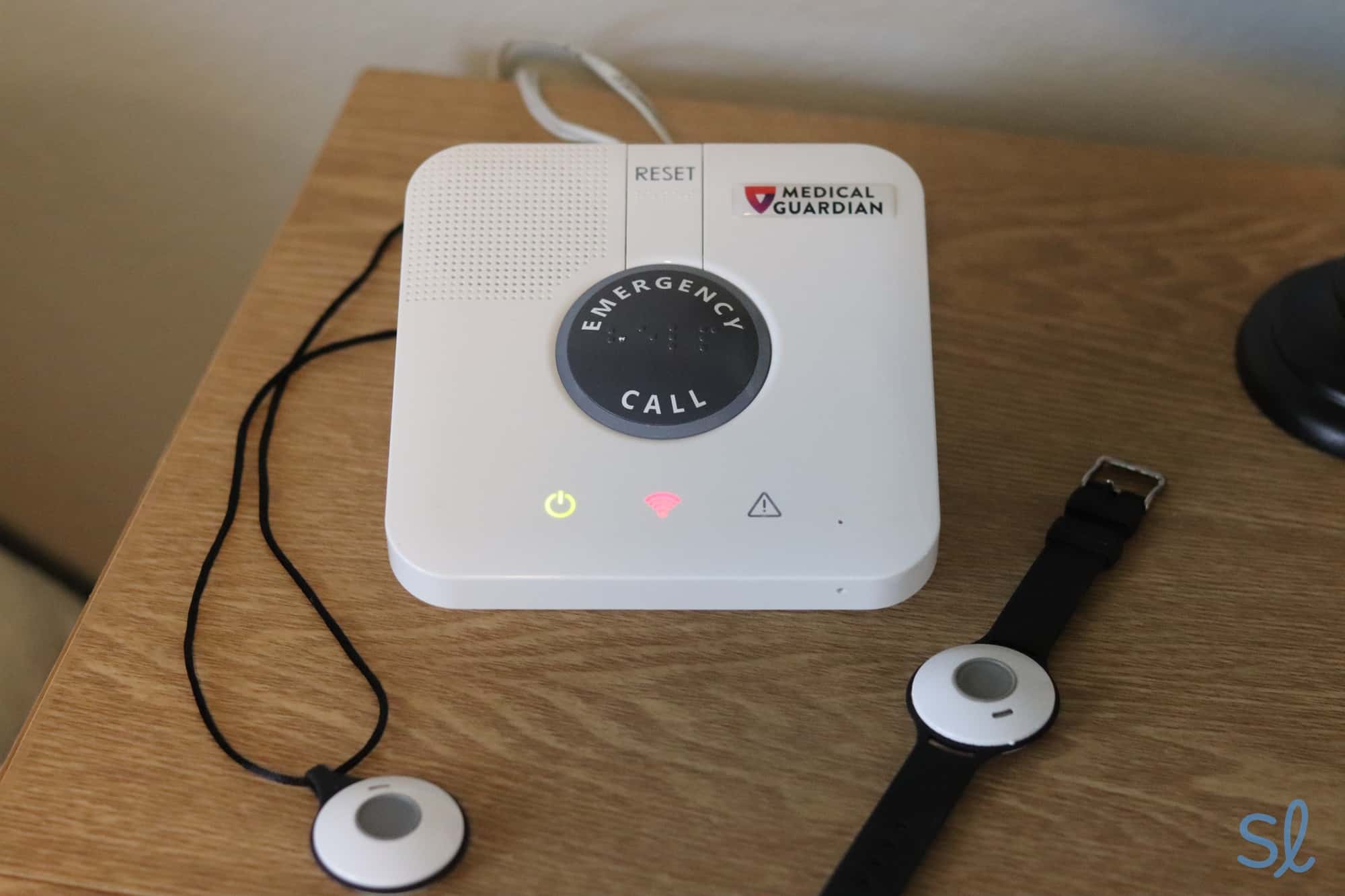
Our Editor Jeff Hoyt testing Mobile Guardian
Does Insurance Pay for Medical Alert Systems?
Insurance coverage for medical alert systems varies. Most health insurance providers don’t cover these devices or services, but some do. Long-term care insurance is more likely to cover medical alert systems, but this varies by provider and plan. To find out if your insurance company offers coverage, you can:
- Visit the plan’s website to review covered services
- Call the number on your insurance card to speak directly to a representative.
Below, we’ll review some common types of insurance that seniors have and their medical alert system coverage.
Does Medicare Insurance Pay for Medical Alert Systems?
Let’s first look at Medicare coverage for medical alert systems.
Medicare Parts A and B Coverage
A medical alert system sounds like it fits into the covered category of durable medical equipment, but Original Medicare disagrees. Medicare Parts A and B do not cover medical alert systems.1
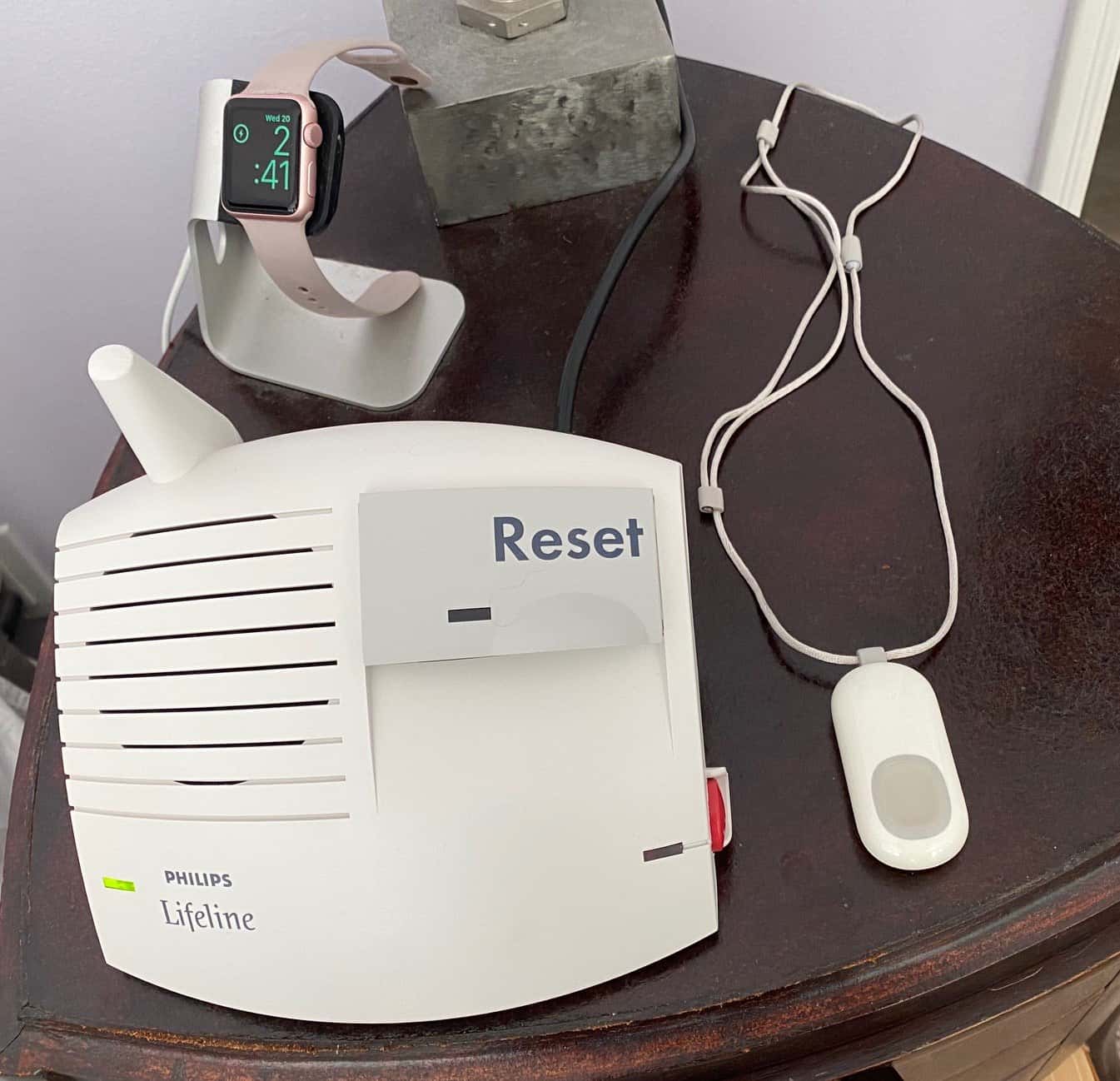
Did You Know? You can save money on a system even if your insurance won’t help out. Some companies we've tested, including Lifeline, one of our top medical alert providers, give an AARP discount.
Medicare Part C (Medicare Advantage) Coverage
Seniors who need a medical alert system for medical reasons might be able to get it covered by a Medicare Advantage Plan.2 Some Medicare Part C plans cover 100 percent of the cost, while others only cover a portion. You’ll need to talk with your insurance carrier to find out how much they cover, for what medical reasons, and for how long.
The types of medical alert systems a plan might cover include:
- Alert bracelets or necklaces
- At-home speakerphone systems
- Cellular medical alert systems with GPS technology
- Activity tracker systems
Does Medigap Pay for Medical Alert Systems?
Medigap, also called Medicare Supplement Insurance, does not cover medical alert devices.3 Your Medigap plan only covers some Original Medicare out-of-pocket costs, such as copayments, coinsurance, or deductibles. Since Original Medicare won't cover medical alert systems, Medigap doesn't either.
Does Long-Term Care Insurance Pay for Medical Alert Systems?
Seniors with long-term care insurance have the best chance at coverage for a medical alert system. Although these plans vary, most will cover all of or at least a portion of the cost of a medical alert system. Why? Because long-term care insurance exists to help you as you age!
Check directly with your long-term care insurance provider for more specifics about reimbursement. Asking these questions can help:
- Is a device and the monthly monitoring fee covered, or just the device?
- Do I need any documentation from my doctor to receive coverage?
- What’s the lifetime reimbursement for a medical alert system?
Does the VA Pay for Medical Alert Systems?
The VA partners with private companies to offer free or low-cost medical alert systems to eligible veterans. These programs provide basic emergency response services at no cost to veterans who qualify.
VA medical alert system programs
Eligible veterans can access free medical alert devices through the VA healthcare system. These devices typically include wearable pendants with emergency call buttons with basic monitoring features. To qualify, veterans generally need to be enrolled in VA healthcare and meet specific medical criteria, such as having a high fall risk or living alone.
The VA-provided systems usually offer:
- Wearable help buttons (pendants or bracelets)
- 24-hour emergency monitoring
- Fall detection technology
- GPS tracking on mobile devices
To request a medical alert system through the VA, veterans can:
- Contact their VA primary care provider during a regular appointment
- Call their local VA medical center and ask about medical alert system eligibility
- Speak with a VA social worker or occupational therapist about home safety equipment
Did You Know? Some medical alert system companies we’ve reviewed like LifeStation offer a veteran’s discount.
Other VA Assistance for Medical Alert Systems
The VA-provided devices include basic features designed for emergency response. Veterans who want or need more advanced features such as a caregiver tracking app, wall-mounted call buttons, spouse coverage, or medication reminders might prefer choosing a commercial provider.
For some, that may mean you need to pay out of pocket. However, if you have TRICARE for Life or VA health benefits, you may be eligible for reimbursement or coverage assistance. Review your specific plan details or contact the VA to learn more about available coverage options.
Want to learn more about the different types of medical alert systems before making a purchase or talking to your insurance provider? Watch the video below. Jeff Hoyt, our editor-in-chief, will walk you through the details.
-
eHealth. (2023). Does Medicare Cover Medical Alert Systems.
-
CMS.gov. (n.d.). Health Drug Plans.
-
Medicare.gov. (n.d.). What's Medicare Supplement Insurance (Medigap)?