A Senior’s Guide to How Hearing Aids Work (2026)
There’s no cure for age-related hearing loss. The good news is that hearing aids rectify this life-altering condition. If you’re wondering how they work, read on. We explain it all for you here.


SeniorLiving.org is supported by commissions from providers listed on our site. Read our Editorial Guidelines
Hearing aids are smaller and more discreet than ever before. You may not realize how many seniors are actually sporting these effective technological miracles.
Another thing you may not realize is your own decline in hearing. Age-related hearing loss is gradual, and tends to creep up without you noticing. This is common in seniors, even though one in three between the ages of 65 and 74 have hearing loss.1
Around 28.8 million Americans might benefit from hearing aids, but less than one in five purchase and use them.2 Maybe your loved ones bring your declining hearing to your attention, or, you realize you’re straining to hear conversations, or the TV. Once that realization hits, you’re likely to wonder if hearing aids will help, and if so, how they work.
In this article, we’ll demystify the technology behind hearing aids, and explain their efficacy for seniors.
>>Related Reading: Best Hearing Aids, Tested and Reviewed by Audiologists in 2026

Table of Contents
Why Hearing Loss Happens
There are several different types of hearing loss. The most common types are:3
- Sensorineural – caused by damage to the auditory nerve or inner ear. Presbycusis (age related hearing loss) is this type. Other causes of sensorineural hearing loss include health conditions, loud noise exposure, and certain medications
- Conductive – Caused by blocked sound waves. Earwax, and fluid buildup, are common causes
- Mixed – A combination of sensorineural and conductive hearing loss
- Central – Central auditory system dysfunction, caused by tumors, stroke, or neurological issues
Sensorineural hearing loss is the type of hearing loss that plagues most seniors. Unlike conductive hearing loss, which may be temporary, sensorineural hearing loss is always permanent.4
Sensorineural hearing loss severs the all-important connection between your ears and brain:
- The cochlea, located within the inner ear, is the sensory organ of hearing. It is tasked with changing the sounds around you into electrical signals.
- The auditory nerve then sends these electrical signals to the brain.
- If you have sensorineural hearing loss, the cochlea or auditory nerve have been damaged.
- Your brain doesn’t receive the electrical signals, and hearing loss results.
Did You Know? Untreated hearing loss speeds up cognitive decline and is a risk factor for dementia. Hearing aids help reduce this risk.5
Hearing Aid Components
Hearing aids can be over-the-counter, or prescription. OTC hearing aids typically cost thousands less than prescription hearing aids do. Every hearing aid, from a $300 OTC device to an $8,000 prescription model, has the same basic parts:6
Microphone
The microphone picks up sound from the world around you and sends it to the amplifier. Many hearing aids have two microphones, one that picks up sound from every direction, and one that focuses straight ahead. That forward-facing microphone is what helps you lock onto a conversation in a noisy room.
Sound Processor/Amplifier
The amplifier analyzes the sounds picked up by the microphone, and turns them into electrical signals that the brain can recognize. Based on the type of hearing loss you have, it determines which sounds to amplify, like human voices, and which to tone down, like background noise.
Speaker (Receiver)
The speaker delivers the customized sound directly into your ear canal. The result is tailored specifically for your type and severity of hearing loss.
Power Source (Battery or Charging Contacts)
Every hearing aid needs power. Seniors can choose between rechargeable batteries, and disposable batteries.
Other Hearing Aid Components
Hearing aids can have additional parts, such as:
- Domes that fit over the wire that goes into your ear
- Microchip
- Hearing aid shell
- Switches or buttons
- Left/right indicator
>>Related Reading: OTC vs. Prescription Hearing Aids: Which Is Right For You?
To Recap: How Sound Reaches the Brain When You’re Wearing Hearing Aids
- Sound enters the hearing aid through the microphone.
- The microphone turns that sound into an electrical signal.
- The processor analyzes the electrical signal to determine: What's speech? What's background noise? What frequencies do you need boosted?
- It makes targeted adjustments based on your specific hearing profile.
- The amplifier increases the strength of the refined signal.
- The speaker delivers the signal into your ear canal.
- The cilia (sensory hair cells in the cochlea) detect it and send the signal to your brain, where you hear it.
This whole sequence takes milliseconds. It happens continuously, all day long, thousands of times a second. You never notice the processing— you just notice you can hear better.
>>Related Reading: How to Choose a Hearing Aid: Tips From An Audiologist
How Hearing Aids With AI Work
Several hearing aid brands utilize artificial intelligence (AI) to reduce noise and enhance speech. AI may also be used to translate languages, and to track health metrics, like steps. Hearing aids have certainly come a long way!
Unlike hearing aids that rely on pre-set programs, AI hearing aids are trained on millions of real-world sounds. This enhances their ability to adapt to sound input, by automatically making adjustments in real time. This not only improves your overall hearing experience, it also alleviates hearing strain. Since these adjustments occur rapidly, the wearer can more easily follow conversations in challenging or changing environments, such as noisy rooms. and windy outdoor areas.7
For seniors, AI hearing aids offer multiple benefits, including:
- Clearer conversations in noisy places, like restaurants, family dinners, airports, and waiting rooms
- Less mental exhaustion
- Hands-free adjustment
- Personalized sound therapy for tinnitus relief
An example of this is Elehear's AI system (VOCCLEAR®). VOCCLEAR analyzes your surroundings continuously, locks onto voices, and reduces background noise. In independent lab testing by HearAdvisor, the Elehear Beyond Pro scored 2.47 points above the OTC category average for speech in noise.8
Which Hearing Aid Style Is Best for You?
There are many hearing aid styles that seniors can choose from. The type which is best for you will be determined by multiple factors, including:
- Hearing loss level
- Personal preference
- Hand dexterity
- Visual ability
- Desire for a discreet style
- Battery type preference
- Cost
Popular styles include:9
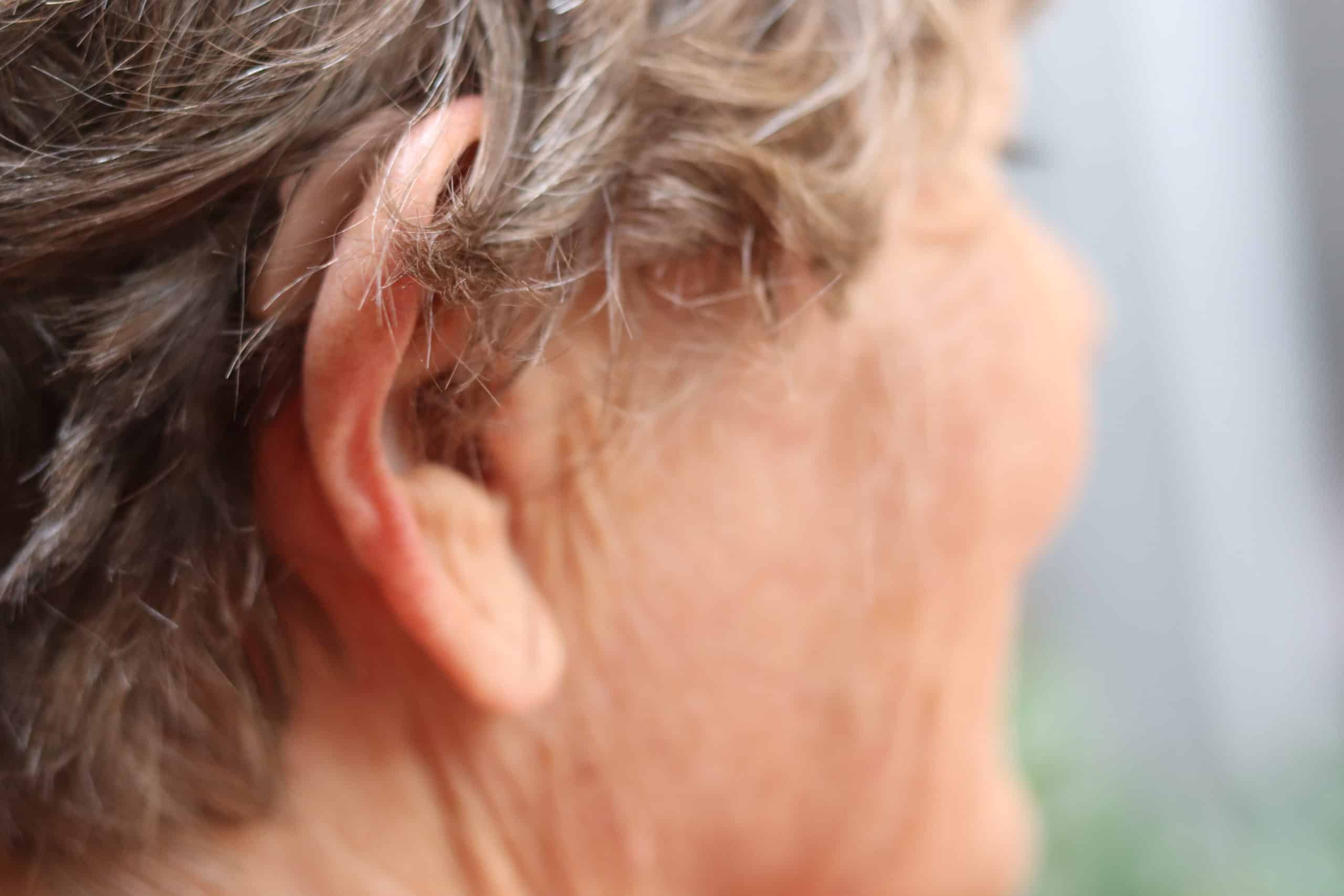
- Behind-the-ear (BTE) – BTE hearing aids can be used for any type of hearing loss. If you have severe hearing loss this style will be best for you, since it can house the largest receiver. BTE hearing aids are often available in mini-sizes as well as standard-sized.
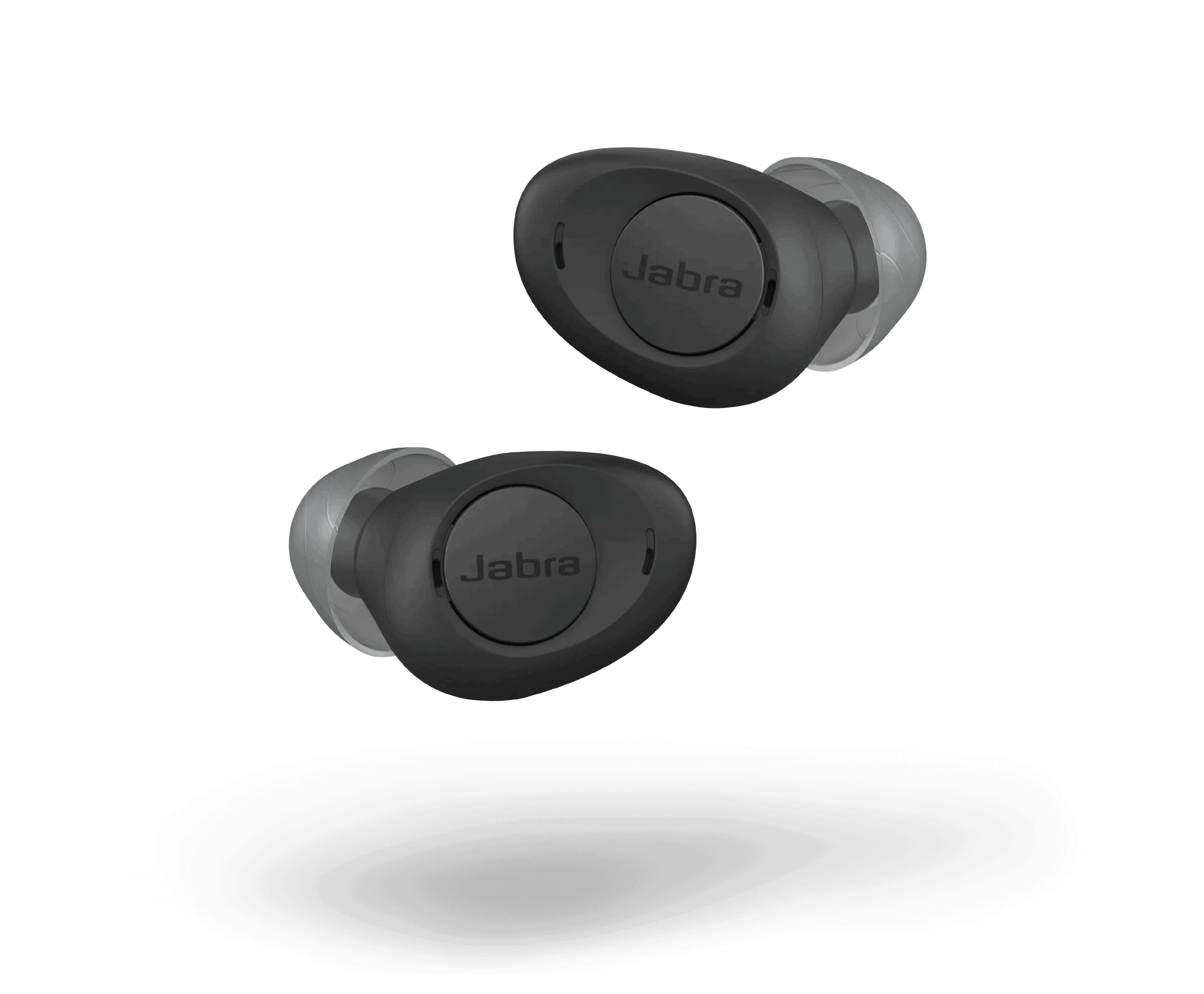
- Receiver-in-canal (RIC) and Receiver-in-ear (RIE) – These slimmed-down hearing aids look similarly to BTE models, but unlike BTE hearing aids, the receiver sits in the ear canal. This makes RIC and RIE hearing aids more discreet.
- In-the-ear (ITE) – ITE hearing aids can have different sized shells that sit in the bowl-shaped portion of the outer ear. They eliminate the need for the over-the-ear wires that BTE and RIE hearing aids require.
- In-the-canal (ITC) and Completely-in-canal (CIC) – These hearing aid styles sit within the ear, and are the most discreet.
Did You Know? Hearing aid disposable batteries can be challenging to handle for seniors with hand dexterity issues, or vision loss. Rechargeable batteries may be a better option for seniors with low vision, hand arthritis, or Parkinson’s disease.
Hearing Aid Types: Side-by-Side Comparison
| Receiver-in-Canal and Behind-the-Ear (RIC / BTE) |
In-the-Ear and In-the-Canal (ITE / ITC) |
Completely-in-Canal (CIC) |
|
|---|---|---|---|
| Style | A hard plastic case that houses the microphone and battery sits behind the ear. A thin wire reaches into the ear canal to deliver sound | Entire hearing aid sits inside the ear’s outer bowl, or in the ear canal | Nearly invisible hearing aids are situated deep inside the ear canal |
| Visibility | Ranges from discreet, slim styles to more visible types | Can be seen, but less visible than years ago | Unnoticeable |
| Ease of Handling | Easy to handle, but may contain disposable batteries which are challenging to work with | Can be challenging to insert, but sound controls are easy to tap | Can be challenging to use for people with hand dexterity issues |
| Hearing Loss It Suits | Mild to profound | ITE: Mild to severe ITC: Mild to moderate |
Mild to moderate |
| Battery Life (Ranges by usage, manufacturer, and battery type. Ranges are estimates only) | Rechargeable: 18-30 hrs. Disposable: 4-10 days |
Rechargeable: 24-30 hrs. Disposable: 3-14 days |
Rechargeable: 20-38 hrs. Disposable: 3-7 days |
| Average Price Range Per Pair* | OTC: $200-$2,000 Prescription: $1,000-$8,000+ |
OTC: $300-$1,500 Prescription: $2,000-$8,000+ |
OTC: $200-$1,500 Prescription: $2,000-$8,000+ |
| Best For | First time users, and seniors with severe hearing loss or profound deafness. Also best for one-sided hearing loss | Seniors looking for discreet options | Seniors with mild hearing loss who want nearly invisible or invisible hearing aids |
*Estimates derived from manufacturer’s websites and audiologist input. Prices vary by provider and geographic location.
Elehear Is One We Recommend
If you have mild to moderate hearing loss, Elehear OTC hearing aids may be a good fit for you. When we tested several models, we found their sound quality sharp, with no strain. They were also discreet in size, charged quickly, and felt comfortable in the ear.
The Elehear Beyond Pro runs on VOCCLEAR® 2.0 proprietary AI, and offers these attributes:
- Recharges overnight
- Four automatic listening modes
- Tinnitus masking library
- Remote audiological support
Your First Few Weeks With Hearing Aids: What to Expect
It takes time to adjust to hearing aids. At first, you may notice ambient sounds that are uncomfortable. You may also have challenges adjusting to how hearing aids feel in your ears.
If you have hearing loss, it’s important to give your new devices time to feel natural.
Your brain may not have heard everyday sounds clearly for a long time. When hearing aids amplify the sounds around you, they may seem loud or uncomfortable.
It can take several weeks or even longer before your brain adjusts to your new hearing level. Stick with it. The benefits are well worth the effort.10
Keeping Your Hearing Aids in Good Shape
Hearing aids are tougher than they look, but earwax, moisture, and rough handling can take their toll. The average lifespan of hearing aids is three-to-seven years. A few simple daily habits keep them working well:
- Many hearing aids come with cleaning tools, including those that remove ear wax. Use these according to directions.
- Don’t immerse your hearing aids in water, unless they’re waterproof. Water-resistant hearing aids can not be worn in a shower, bath, sauna, steamroom, or pool.
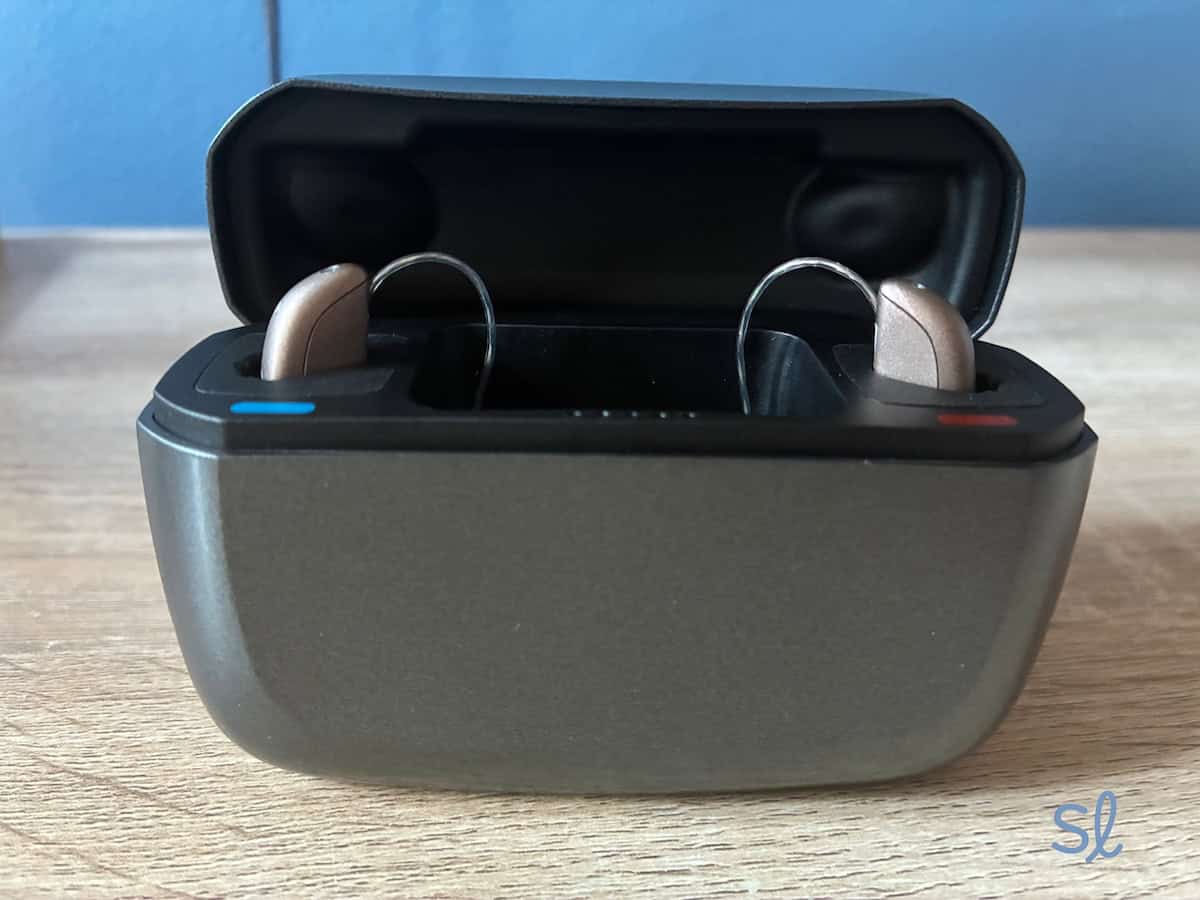
- Store your hearing aids in the charging case overnight, not on a steamy bathroom counter
The Bottom Line
A hearing aid does something beautifully simple: it picks up sound, tailors it to your hearing loss, and delivers it clearly into your ear. What's changed in the last few years is how intelligently it does that.
The best AI-powered devices today — like the Elehear Beyond Pro — don't just turn up the volume. They identify speech, cut through background noise, and adapt to wherever you are. The result feels less like a medical device and more like having your hearing back.
If you've been putting it off, here's the thing: the technology is better, more affordable, and more accessible than it's ever been. The hardest part is just deciding to start.
Frequently Asked Questions
-
How do hearing aids make sound clearer — not just louder?
They boost the specific frequencies you struggle with (usually higher pitches). AI models go further, identifying speech in real time and separating it from background noise so voices genuinely sound clearer.
-
Will hearing aids give me my hearing back?
Hearing aids don’t cure hearing loss. Rather, they correct it while they’re being worn.
-
How long until hearing aids feel normal?
Most people need two to four weeks, but some need longer – up to six weeks or more.
-
Can hearing aids help with tinnitus (ringing in the ears)?
Hearing aids can come with a variety of tinnitus tools. These include masking sounds that make tinnitus less noticeable over time.
-
Do I need a doctor's prescription to get hearing aids?
No. If you have mild to moderate hearing loss, you may benefit from OTC hearing aids which don’t require a prescription.
-
Johns Hopkins Medicine. (2026). Age-related hearing loss (presbycusis).
https://www.hopkinsmedicine.org/health/conditions-and-diseases/presbycusis -
Hearing Loss Association of America. (2026). Hearing loss by the numbers.
https://www.hearingloss.org/understanding-hearing-loss/hearing-loss-101/hearing-loss-by-the-numbers/ -
Hearing Loss Association of America. (2026). Hearing loss types, causes and treatments.
https://www.hearingloss.org/understanding-hearing-loss/types-causes-and-treatments/ -
Stanford Medicine. (2026). Sensorineural hearing loss.
https://stanfordhealthcare.org/medical-conditions/ear-nose-and-throat/sensorineural-hearing-loss.html -
Go Hearing. (2025). A breakdown of hearing aid parts.
https://gohearing.com/blog/a-breakdown-of-hearing-aid-parts -
American Academy of Audiology. (2026). Dementia and hearing loss.
https://www.audiology.org/consumers-and-patients/hearing-and-balance/dementia-and-hearing-loss/ -
Sygrove, C. (2025). 6 hearing aids with artificial intelligence (AI) reviewed.
https://www.hearingtracker.com/resources/ai-in-hearing-aids-a-review-of-brands-and-models -
HearAdvisor. (2026). Elehear Beyond Pro Expert Review.
https://www.hearadvisor.com/products/elehear-beyond-pro -
Mayo Clinic. (2025). Hearing aid styles: how to choose the right one. https://www.mayoclinic.org/hearing-aids/art-20044116
-
Coastal Hearing Clinic. (2026). How long does it take to adjust to hearing aids?
https://coastalhearingclinic.com/how-long-does-it-take-to-adjust-to-new-hearing-aids/