A Guide to Conductive Hearing Loss
If you’re having trouble hearing softer sounds, you might have conductive hearing loss. Here’s what to look for and how to treat it.


SeniorLiving.org is supported by commissions from providers listed on our site. Read our Editorial Guidelines
Find Senior Living Near You
Join 1,019,247 Seniors Who've Searched for Housing Communities on SeniorLiving.org.
Or Call: (844) 623-7964The ear is a sophisticated sound delivery system. When it’s running smoothly, sound waves travel through your outer ear, vibrate your eardrum, and move through tiny bones in your middle ear before reaching your inner ear.
An obstruction that blocks or disrupts the sound’s journey, however, can cause “conductive” hearing loss. If that happens, softer sounds, such as footsteps or whispering, will be difficult to hear, and louder sounds will be muffled. This can impact your overall health and well-being, which we’ve seen first-hand with many of our readers.
Conductive hearing loss occurs when sound waves are blocked from getting through the outer and middle ear by earwax infection, fluid, or some sort of damage, such as head trauma.1 Only about 5 to 15 percent of all hearing loss is conductive; other types affect the middle and inner ear or nerve pathways.2
Although conductive hearing loss can be permanent, it’s often treatable. Here’s what you should know about what causes conductive hearing loss, signs of this type of hearing loss, and what treatment options can get your hearing humming properly again.

Causes of Conductive Hearing Loss
Earwax acts as a barrier to protect ears from infection. It helps by trapping bacteria, dust, and other contaminants in its sticky web before it reaches the cochlea in the inner ear, which is the organ that helps us hear.
Earwax buildup can be too much of a good thing, however, as it’s the most common cause of conductive hearing loss. Wearing hearing aids, using cotton swabs for cleaning ears, and ear surgeries can cause excessive wax buildup, so it’s important for older adults to keep an eye out to protect their hearing from those common risk factors.
Here are some other causes of conductive hearing loss:
- Swimmer’s ear (external otitis)
- Fluid in the middle ear due to colds or allergies
- Poor Eustachian tube function (The Eustachian tube connects your middle ear and your nose.)
- Benign tumors blocking the outer or middle ear
- A hole in the eardrum
- A malformed outer or middle ear3
Signs of Conductive Hearing Loss
Conductive hearing loss can happen gradually, so it can be easy to miss the signs. With conductive hearing loss, sounds typically seem quieter rather than distorted, like someone turned down the volume on your life.
General signals that you might be experiencing hearing loss can vary, but some typical hearing loss signs include:
- You often think others are mumbling and ask people to repeat themselves.
- Sounds are muffled.
- You’re turning up the volume on the TV louder than usual.
- You might start speaking too softly or too loudly.
- You’re experiencing listening fatigue and might start avoiding social situations.
People experiencing conductive hearing loss might also notice:
- A feeling of fullness or stuffiness in their ears
- Pain or tenderness in ears
- Dizziness4
- Difficulty hearing soft sounds
- Liquid draining from ear
If the cause of conductive hearing loss is related to Eustachian tube malfunction, your own voice might sound louder than usual, which is called “autophony.” This happens because bone conduction of your voice remains normal but air conduction in the ear is impaired.5
Conductive Hearing Loss Diagnosis
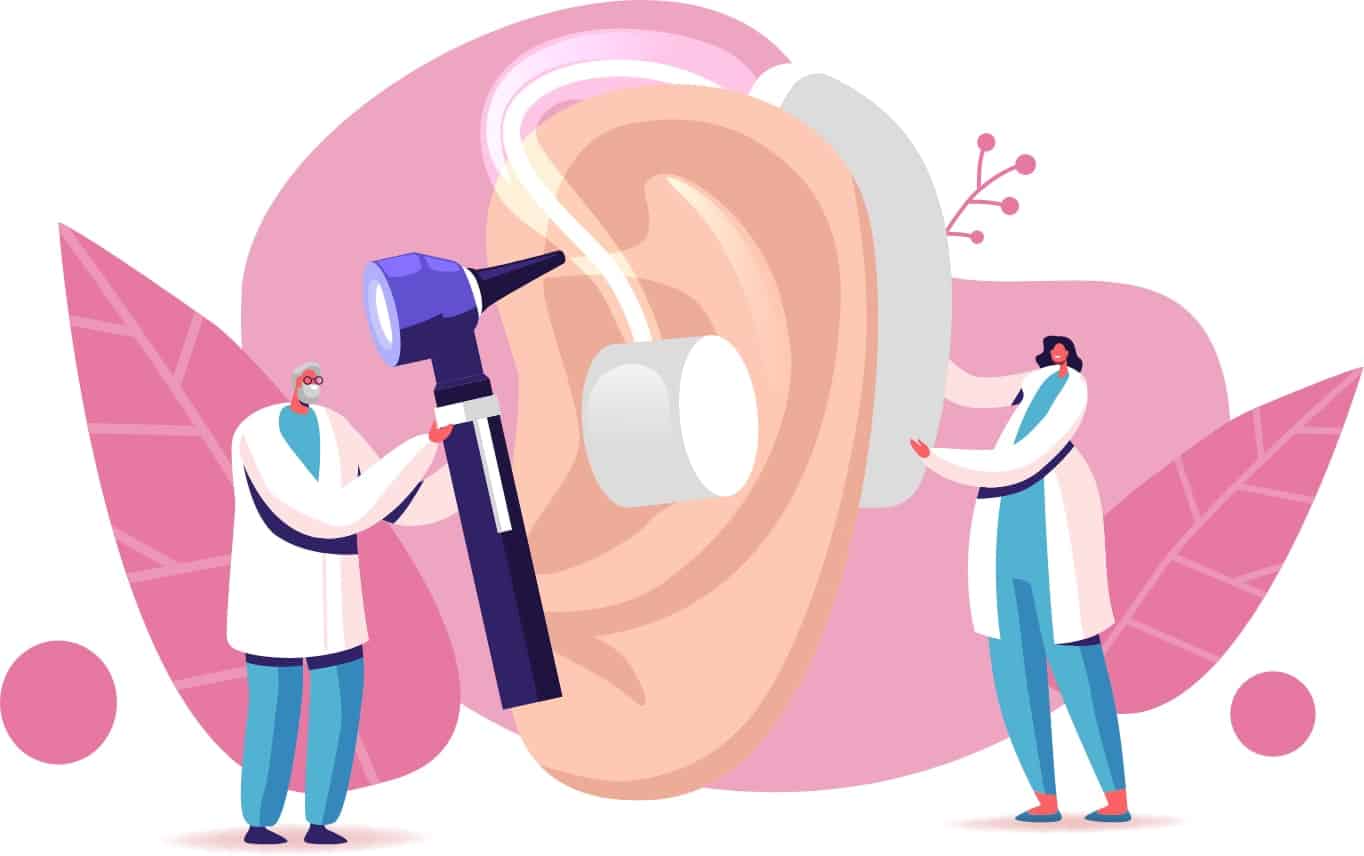
The first step in figuring out what could be causing conductive hearing loss is an examination by your primary care provider. Your doctor might be able to see an obstruction or problem in your outer ear, eardrum, or middle ear.
Pro Tip: Although not a replacement for a medical evaluation by a doctor, our online hearing test can help you better understand the hearing loss you might be experiencing.
They might also refer you to an ear, nose, and throat doctor (an otolaryngologist) or an audiologist for further hearing tests. These tests could include:
- Acoustic reflex test: This looks at your ear’s automatic response to loud sounds.
- Pure tone test: You’ll listen to tones of different pitches and loudness. This air conduction and bone conduction test is considered the gold standard test for conductive hearing loss.6
- Speech and word recognition tests: This tests how well you hear words at different volumes.
- Tuning fork tests: Called Rinne and Weber tests, tuning fork tests help determine which type of hearing loss you have.7 These tests help determine if hearing loss is conductive, indicating a problem with the outer or middle ear, or sensorineural, indicating an inner ear or nerve problem.

Audiologist Dr. Ruth Reisman demonstrates taking a hearing evaluation
Treatments for Conductive Hearing Loss
Treatment will depend on the cause of conductive hearing loss. Excessive earwax — the most common cause — can be helped with wax removal techniques, which might involve suction and irrigation treatments. Medications such as antibiotics might be prescribed if the hearing loss is caused by an infection. And if there’s a hole in your eardrum, for example, that could require surgery to fix.
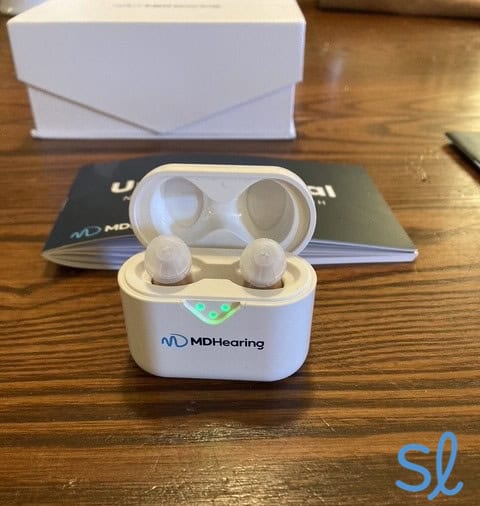
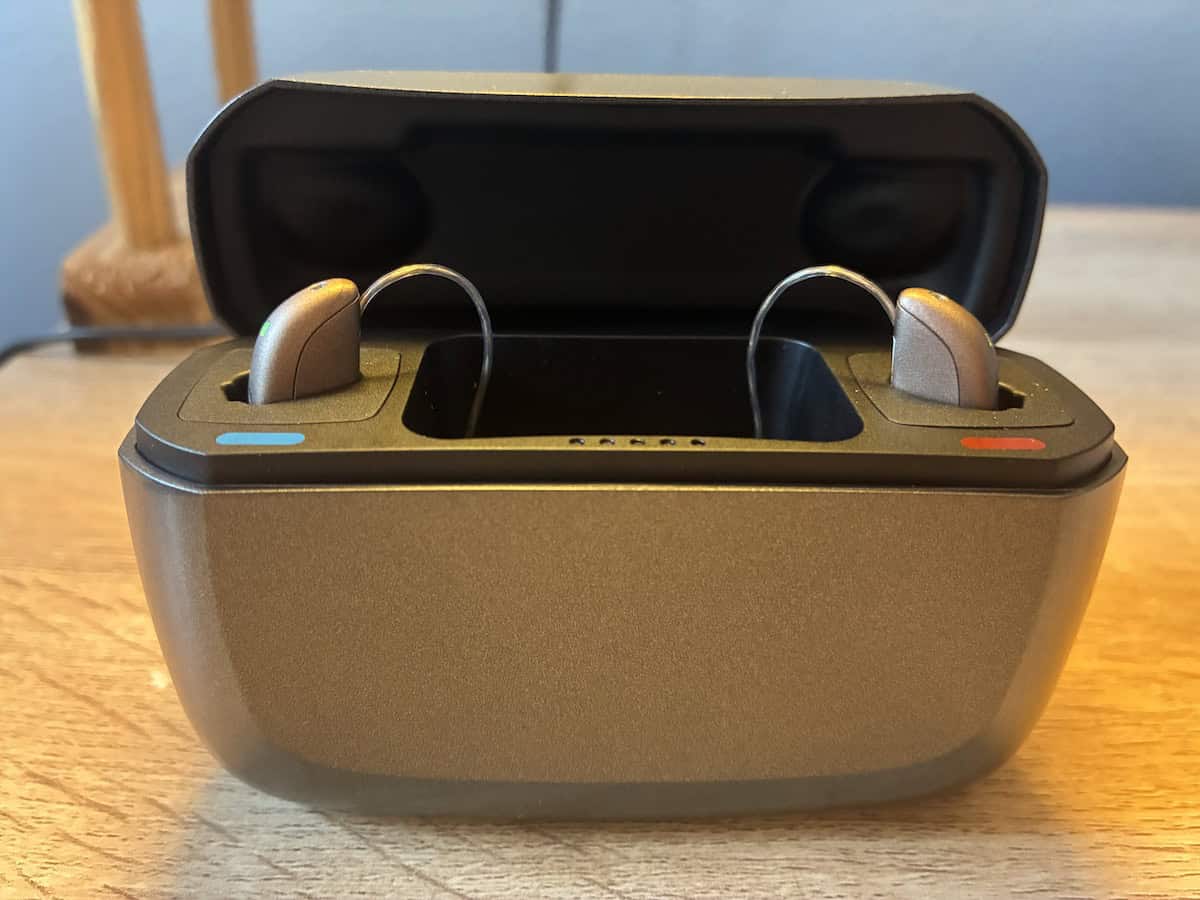
If the hearing loss is persistent, an audiologist might discuss hearing aid options with you. Bone conduction hearing aids work particularly well for conductive hearing loss. We’ve tested many hearing aids that may be suitable with conductive hearing loss. Our resident audiologist, Dr. Ruth Reisman, also has years of experience treating conductive hearing loss. To learn more about hearing aids, check out our guides to the best hearing aids for seniors in 2026 and best cheap hearing aids.
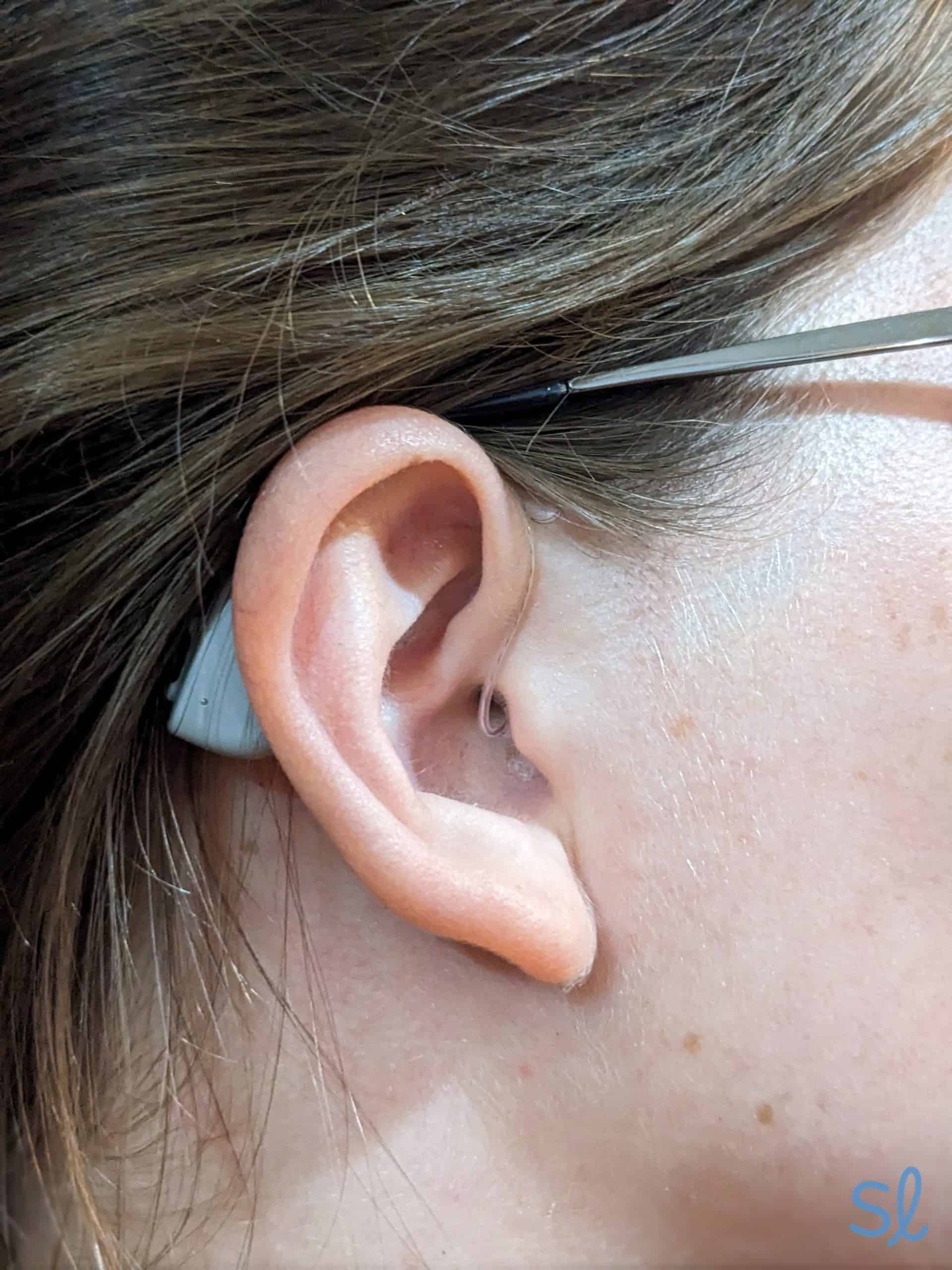
Dr. Reisman wearing Starkey hearing aids, one of the many popular brands available to those with hearing loss.
Preventing Conductive Hearing Loss
Not all conductive hearing loss is preventable, but you can take simple steps to reduce your risk. Protect your ears from water during swimming and bathing, especially if you're prone to infections. Use well-fitted earplugs or a swim cap, and dry your ears after swimming.
FYI: Are you an active older adult experiencing hearing loss? Read our guide to the best hearing aids for active seniors. Our team tested dozens of hearing aids to find the ones that work best for an active lifestyle.
Chronic inflammation can affect eustachian tube function, so see your doctor about persistent colds and allergies that can cause inflammation. Stay up-to-date with vaccinations, particularly flu shots, as upper respiratory infections can lead to ear complications.
And of course, avoid cleaning ears with cotton swabs, which can push wax further in and increase your risk of infections and blockages.
The Bottom Line
Conductive hearing loss is among the most treatable forms of hearing impairment, and early treatment leads to better outcomes. So don’t put off seeking medical attention if you’re noticing changes in your hearing.
Problems with hearing can be frustrating and exhausting, and as a result, people might start isolating themselves. Isolation can erode your overall well-being, relationships, and independence. But paying attention to any changes in your ability to hear will help you maintain not only your hearing health, but strong ties to your loved ones and community as well.
If you’re ready to get tested for hearing loss, watch our video below. Dr. Brad Ingrao explains the importance of hearing evaluations.
Frequently Asked Questions
-
Can conductive hearing loss happen suddenly?
Yes, conductive hearing loss can occur suddenly from earwax impaction, acute ear infection, or eardrum perforation. Most sudden cases are treatable with prompt medical attention.
-
Is conductive hearing loss hereditary?
Some causes like otosclerosis have genetic components, but most conductive hearing loss isn’t inherited.
-
Can flying affect conductive hearing loss?
Air pressure changes during flights can worsen symptoms temporarily, especially with Eustachian tube dysfunction. Using decongestants before flying and yawning during descent helps equalize pressure.
-
Will my hearing return to normal after treatment?
Many cases of conductive hearing loss are completely reversible with appropriate treatment. Success depends on the underlying cause and how quickly treatment begins.
-
Can I still use headphones with conductive hearing loss?
Yes, but use caution with volume levels since you might turn them up high enough to damage hearing. Bone conduction headphones are an excellent alternative for many people.
-
How often should I have my ears professionally cleaned?
Most people never need professional cleaning, but those prone to wax buildup benefit from cleaning every six to 12 months. Your doctor can recommend an appropriate schedule.
-
Hearing Loss Association of America. (2025). Hearing Loss Types, Causes and Treatments.
-
UNC School of Medicine Hearing and Communication Center. (2025). Understanding Hearing Loss.
-
American Speech Language Hearing Association. (2025). Conductive Hearing Loss.
-
American Academy of Otolaryngology. (2019). Conductive Hearing Loss.
-
NIH: National Library of Medicine. (2019). Patulous Eustachian tube (PET), a practical overview.
-
Operative Techniques in Otolaryngology-Head and Neck Surgery. (2024). Audiometric evaluation and diagnosis of conductive hearing loss.
-
Stanford Health Care. (2025). Conductive Hearing Loss.