Hearing Loss Statistics: Understanding the Numbers Behind America's Hidden Health Crisis
Hearing loss affects about one-fifth of people around the world, but hearing aid adoption has yet to catch up.


SeniorLiving.org is supported by commissions from providers listed on our site. Read our Editorial Guidelines
Find Senior Living Near You
Join 1,019,247 Seniors Who've Searched for Housing Communities on SeniorLiving.org.
Or Call: (844) 623-7964Key Takeaways
- More than 50 million Americans have some degree of hearing loss, making it the third most common chronic physical condition in the U.S.
- Hearing aid adoption rates increased to 39.1% in 20257, up from 30.2% in 2015, but millions of people are still without support.
- 3% of people aged 71 and older have hearing loss, yet only 29.2% of Medicare beneficiaries with hearing loss use hearing aids.
- By 2050, nearly 2.5 billion people worldwide are projected to have hearing loss, with over 700 million requiring hearing rehabilitation.
- Men are almost twice as likely as women to have hearing loss among adults aged 20 to 69 years.
- The average person waits nine years after diagnosis before getting their first hearing aid.
If you're reading this because you or a loved one might be experiencing hearing difficulties, you're not alone. Hearing loss affects one in seven Americans, but it remains misunderstood and undertreated.
The numbers tell a compelling story. While hearing loss rates grow with our aging population, advances in hearing aid technology mean that more people are being treated. Understanding these statistics helps you figure out when to get help and what treatment options to expect.
Whether you're noticing the first signs of hearing changes or supporting someone through their hearing health journey, these statistics will help you make informed decisions about hearing care.

The Scope of Hearing Loss in America
More than 50 million Americans live with some degree of hearing loss, representing about one in seven people in the United States. This makes hearing loss the third most common chronic physical condition in America, occurring twice as frequently as diabetes or cancer1.
Key prevalence statistics:
- Approximately 15% of American adults (37.5 million) ages 18 and over report some trouble hearing.
- Among adults ages 20 to 69, 14% (27.7 million) have hearing loss.
- The number of adults with hearing loss is expected to climb to 73.5 million by 20602.
Age and Hearing Loss: The Inevitable Connection
Age remains the strongest predictor of hearing loss. The prevalence increases dramatically with each decade of life:
- Ages 45-54: About 2% have hearing loss
- Ages 55-64: 8.5% have hearing loss
- Ages 65-74: 25% have hearing loss
- Ages 75 and older: 50% have hearing loss3
Among the oldest adults, hearing loss becomes even more prevalent. 65.3% of people aged 71 and older have hearing loss, representing 21.5 million Americans.
FYI: If you're over 60 and haven't had a hearing test recently, schedule one. Early detection allows for better treatment outcomes and can help prevent social isolation and cognitive decline associated with untreated hearing loss.
Demographics and Risk Factors
Hearing loss rates vary depending on gender, race, and other factors. While hearing loss typically increases among older adults, other circumstances, such as the workplace and environment, can have a profound effect on hearing health.
Gender Differences in Hearing Loss
Men face significantly higher rates of hearing loss than women. Among adults aged 20 to 69, men are almost twice as likely as women to experience hearing loss. This gap is most pronounced in middle age—among Americans in their 50s, men are three times more likely than women to experience hearing loss.
Interestingly, the types of hearing loss differ by gender. While age-related hearing loss typically affects higher frequencies, women are more likely to have difficulty hearing at lower frequencies as they age4.
Racial and Ethnic Variations
Hearing loss prevalence varies significantly across racial and ethnic groups. Non-Hispanic White adults are more likely than adults in other racial and ethnic groups to have hearing loss. Meanwhile, non-Hispanic Black adults have the lowest prevalence among adults ages 20 to 69.
Occupational and Environmental Factors
Work environments also play a crucial role in hearing health. Among adults ages 20 to 69 who report five or more years of exposure to very loud noise at work, about 18% have speech-frequency hearing loss in both ears. In contrast, only 5.5% of adults with no occupational noise exposure develop similar hearing loss.
Pro Tip: Even if you’re experiencing challenges at work due to hearing loss, there are tools you can use to help.
Veterans and Hearing Loss
Veterans face particularly high rates of hearing problems. 3.6 million U.S. veterans receive benefits for hearing issues, making it the most common service-connected disability. This includes 2.3 million veterans receiving hearing loss benefits and 1.3 million receiving tinnitus benefits.
Children and Young Adults at Risk
Hearing loss isn't just a concern for older adults. Children and young adults also face potential hearing loss:
- About 2 to 3 out of every 1,000 children in the United States are born with a detectable level of hearing loss.
- More than one in 10 children and teens ages 6 to 19 have some degree of hearing loss.
- Over 1 billion young adults worldwide are at risk of permanent, avoidable hearing loss due to unsafe listening practices.
- About 50% of individuals aged 12 to 35 years are at risk of hearing loss due to prolonged exposure to loud sounds.
Thanks to legislation advocated for in 1999, 98% of newborns now get hearing screenings each year in the U.S. Early detection is crucial to avoid language and education delays.
Worldwide Hearing Loss Trends
The global scope of hearing loss is staggering:
- More than 1.5 billion people worldwide live with hearing loss, which is about nearly 20% of the global population
- 430 million have disabling hearing loss that requires rehabilitation services.
- By 2050, nearly 2.5 billion people are expected to have some degree of hearing loss, with more than 700 million requiring hearing rehabilitation.
Pro Tip: Protect your hearing and your family's hearing by following the 60/60 rule: listen to music at no more than 60% volume for no more than 60 minutes at a time. Use noise-canceling headphones in loud environments instead of turning up the volume.
Barriers to Hearing Aid Adoption
Financial Obstacles
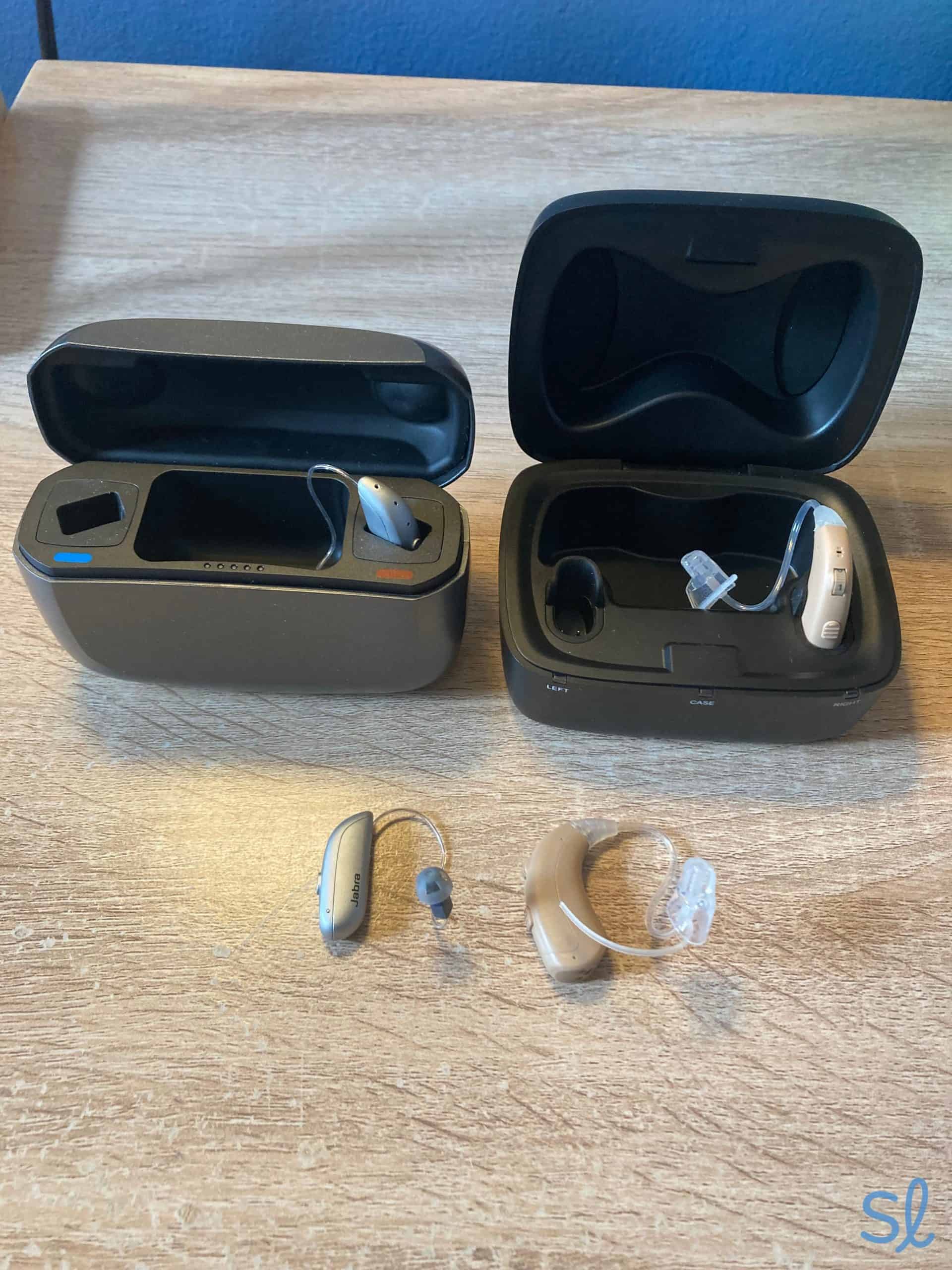
Cost remains the primary barrier to hearing aid adoption. Hearing aids costs can run up to $8,000 per set, and this doesn't include maintenance and replacement costs. About 87% of total hearing aid sales are attributed to device replacement, since hearing aids usually need to be replaced every 3 to 7 years.
Medicare currently does not cover hearing aids, creating a significant barrier for older adults. Even Medicare Advantage plans with hearing aid benefits often require enrollees to pay nearly 80% of total hearing care costs out-of-pocket. If cost is a major concern for you, visit our guide to the best cheap hearing aids.
Research shows that participants with income under the poverty line had 2.9 times the odds of interrupted hearing aid use and 2.7 times the odds of ceasing use entirely5.
Access and Awareness Barriers
Beyond cost, other significant barriers include:
- Uncertainty about who to contact for hearing care
- Inability to get time off work
- Stigma and misperceptions about hearing loss and hearing technology
The Delay Factor
Even when people do seek treatment, the average person waits nine years after diagnosis before getting their first hearing aid. This delay can have serious consequences for communication, social engagement, and cognitive health.
Hearing Aid Usage and Adoption Rates
The Treatment Gap
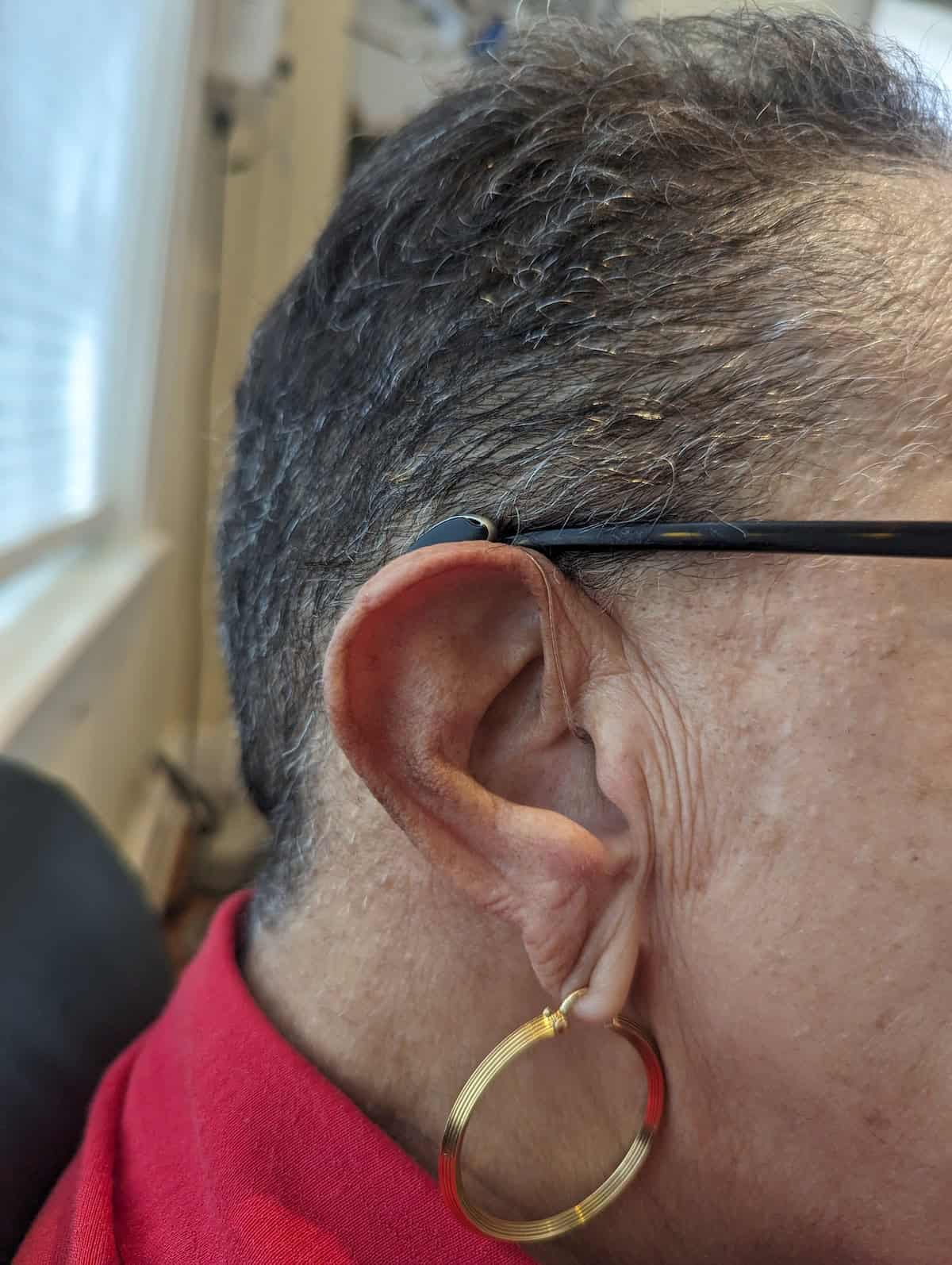
Despite the high prevalence of hearing loss, treatment rates remain disappointingly low. About 28.8 million U.S. adults could benefit from hearing aids, but fewer than 1 in 5 of those use them.
The statistics are particularly stark among specific age groups:
- Only 16% of adults ages 20 to 69 who experience hearing loss have ever worn a hearing aid6.
- Among Medicare beneficiaries aged 71 and older, only 29.2% of those with hearing loss use hearing aids.
FYI: Are you in the market for hearing aids? Our team has worked with audiologists and personally tested dozens of hearing aids. Visit our guide to the best hearing aids to learn about our top picks.
Encouraging Trends in Adoption
However, there's reason for optimism. Hearing aid adoption rates have steadily increased, rising from 30.2% in 2015 to 39.1% in 2025. This improvement includes traditional and over-the-counter hearing aids. Developments in technology, including over-the-counter hearing aids, have helped improve hearing aid adoption by making these devices more accessible and affordable.
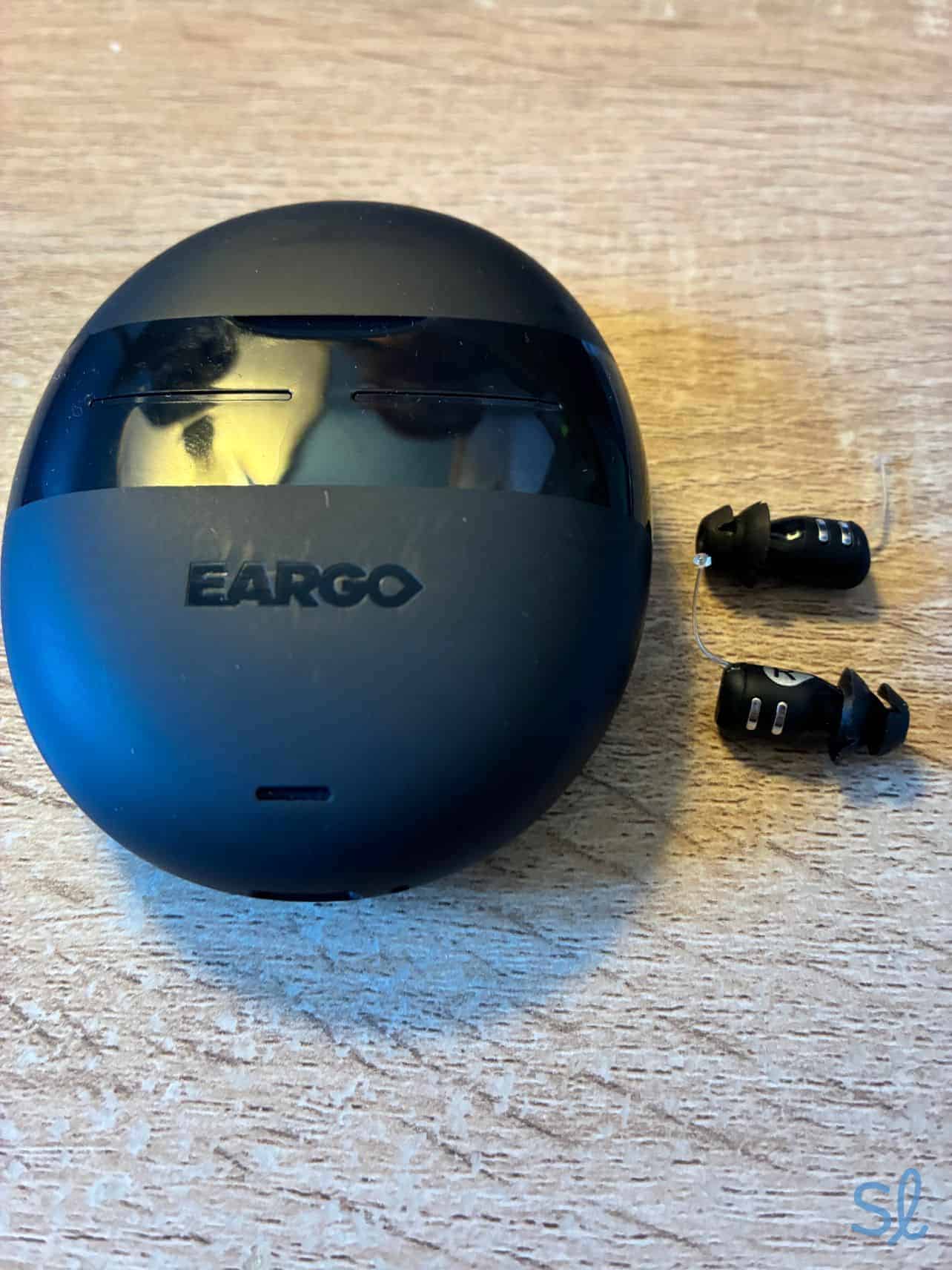
Among adults over 70 years of age, hearing aid use increased by more than 23% between 2011 and 2018. This increase occurred across gender and racial lines, suggesting broader access to hearing health care.
Demographics of Hearing Aid Use
Current usage patterns show interesting demographic variations:
- 1% of Americans aged 45 and older use hearing aids
- Among adults aged 65 and older, 14.4% use hearing aids
- Men are more likely than women to both report hearing difficulties and use hearing aids
Our Methodology
Our analysis draws from authoritative sources including the National Institute on Deafness and Other Communication Disorders (NIDCD), the World Health Organization (WHO), the Hearing Loss Association of America (HLAA), and recent MarkeTrak survey data. Statistics represent the most current available data through 2025, with some figures drawn from large-scale epidemiological studies conducted in recent years.
All economic figures are presented in current U.S. dollars unless otherwise specified, and global projections are based on WHO modeling that accounts for demographic changes and current trends in hearing loss prevalence.
This guide has also been reviewed by audiologist Dr. Ruth Reisman, who has decades of experience prescribing and testing hearing aids. Dr. Reisman's research and methods in the assessment and treatment of hearing disorders in some of the most challenging cases have been awarded and recognized within the field of audiology.
Final Thoughts
The statistics paint a clear picture: hearing loss is far more common than most people realize, affecting one in seven Americans and increasing globally. While the numbers seem overwhelming, there are encouraging trends in both awareness and treatment adoption.
The key takeaway for seniors and caregivers is that you're not alone in facing hearing challenges. Millions of people successfully manage hearing loss with modern hearing aids and support services. The technology has never been better, adoption rates are climbing, and awareness of hearing health is growing.
Most importantly, don't let statistics become barriers. If you or a loved one is experiencing hearing difficulties, seek help sooner for better outcomes. Early intervention not only improves communication and quality of life, but may also provide cognitive and social benefits.
Frequently Asked Questions
-
At what age should I start worrying about hearing loss?
At what age should I start worrying about hearing loss?
Hearing loss can occur at any age, but the risk increases significantly after 60. About 25% of adults aged 65 to 74 have hearing loss, rising to 50% for those 75 and older. -
Are hearing aids worth the cost?
Studies show hearing aids improve the quality of life for 97% of users, and satisfaction rates have reached 82% among current users8. However, cost remains a significant barrier for many people.
-
How long do hearing aids last?
Hearing aids usually need to be replaced every three to seven years, and require regular maintenance. The good news is that technology continues to improve rapidly.
-
Can hearing loss be prevented?
Yes. More than half of hearing loss cases are preventable through public health measures. This includes protecting your ears from loud noise and avoiding unsafe listening practices.
-
Does insurance cover hearing aids?
Medicare currently does not cover hearing aids, though some Medicare Advantage plans offer a limited benefit. Private insurance coverage varies widely by plan.
-
How common is hearing loss in children?
More than one in 10 children and teens ages 6 to 19 have some degree of hearing loss, with about 1 in 500 infants born with or developing hearing loss in early childhood.
-
Hearing Loss Association of America. (2025). Hearing loss by the numbers.
-
NIDCD. (2024). Quick statistics about hearing, balance, & dizziness.
-
Market.us. (2025). Hearing loss statistics and facts (2025).
-
Nagish. (2025, July 24). Hearing loss statistics.
-
Gahlon, G. (2024). Factors associated with longitudinal patterns of hearing aid use among older adults. Innovation in Aging, 8(2), igae011. https://doi.org/10.1093/geroni/igae011
-
Focareta, D. (2025). Hearing aid statistics. C
-
Dobyan, B. (2025, August 11). 20Q: Interpreting the hearing health landscape through MarkeTrak – From insight to impact. AudiologyOnline. https://www.audiologyonline.com/articles/20q-interpreting-hearing-health-landscape-29350
-
EuroTrak UK 2025: Despite Tech Gains, Hearing Aid Adoption Dips Slightly