Hearing Loss Symptoms: Learn What to Look for and How to Protect Your Hearing
Here’s how to recognize and address the warning signs of hearing loss as you age.


SeniorLiving.org is supported by commissions from providers listed on our site. Read our Editorial Guidelines
Find Senior Living Near You
Join 1,019,247 Seniors Who've Searched for Housing Communities on SeniorLiving.org.
Or Call: (844) 623-7964If you've been asking people to repeat themselves more often or turning up the TV volume higher than usual, you're not alone. These are common early signs of hearing loss, which affects 10 percent of adults 55 to 64 years old and 22 percent of people 65 to 741.
Hearing loss often develops gradually, making it easy to dismiss or adapt to without realizing you’re experiencing difficulty hearing. The good news? Recognizing hearing loss symptoms early can make a tremendous difference in maintaining your quality of life and staying connected with the people you love.
Here’s what you need to know about the early signs of hearing loss, the types of hearing loss, and how to address hearing loss symptoms as you age. Our resident audiologist, Dr. Ruth Reisman, has decades of experience evaluating hearing loss and recommending solutions for her patients. This guide includes her insights as well.

Signs of Hearing Loss
The earliest symptoms of hearing loss tend to be subtle, which is why they’re easy to miss and ignore. Many people first notice hearing difficulties in social settings. You might find yourself avoiding group events because following multiple conversations feels exhausting. Perhaps you've started sitting closer to speakers at the movies or choosing quieter restaurants over ones that tend to be noisy. These behavioral adaptations often happen unconsciously as your brain works to fill in the gaps of what you're missing.
From the Experts: Research from Johns Hopkins Medicine suggests that people with mild hearing loss are twice as likely to develop dementia. Researchers suspect this is partly because the brain dedicates more resources to processing sound, leaving fewer cognitive resources for memory and thinking2.
Here are some common early signals that you might be experiencing hearing loss:
- Misunderstanding medication instructions at the pharmacy
- Missing important announcements at airports or train stations
- Struggling to hear a doorbell or ringing phone
- Having difficulty understanding grandchildren's higher-pitched voices
- Turning on captions for television programs you previously enjoyed without them
- Family members commenting that your TV or radio is too loud
Check out our video with Audiologist Dr. Brad Ingrao to learn more about the early signs of hearing loss.
Types of Hearing Loss
As we pointed out, aging is a big risk factor for hearing loss. Exposure to loud noises and earwax buildup are other common contributors.
Understanding the different types of hearing loss can help you communicate what you’re experiencing more effectively with health care providers. There are three main categories of hearing loss:
- Conductive: involving the middle or outer ear
- Sensorineural: involving the inner ear
- Mixed hearing loss: a combination of conductive and sensorineural symptoms
High-Frequency Hearing Loss Symptoms
Age-related hearing loss typically affects high frequencies first, making certain sounds particularly difficult to distinguish. You might notice trouble hearing consonant sounds such as “s,” “f,” “th,” and “sh.”
People with this type of hearing loss might find that women's and children's voices often become harder to understand before men's voices do. Other common sounds that become more difficult to hear with this type of loss are birds chirping, microwave beeps, and smoke detector alarms. This happens because the hair cells in your inner ear that detect high-frequency sounds are more vulnerable to damage from aging and noise exposure.
Low-Frequency and Mixed Symptoms
While less common in aging adults, some people experience difficulty with low-frequency sounds such as thunder, men's voices, or bass notes in music. Mixed hearing loss combines elements of both patterns, creating unique challenges that require professional evaluation to address properly.
FYI: The risk of hearing loss increases as we age — 55 percent of people 75 and older have disabling hearing loss, according to the National Institutes of Health National Institute on Deafness and Other Communication Disorders3.
Levels of Hearing Loss
Sounds are measured in decibels. People with normal hearing do not experience any more than 25 dB of hearing loss. Here’s more info about the four levels of hearing loss and common examples of each.
- Mild hearing loss (26 dB to 40 dB): trouble hearing water running or someone whispering
- Moderate hearing loss (41 dB to 60 dB): trouble hearing rain, phone calls, group conversations, and the TV
- Severe hearing loss (61 dB to 80 dB): trouble hearing doorbells, traffic, vacuum cleaners, and conversation even in quiet environments
- Profound hearing loss (81 dB): At this level, people have trouble hearing motorcycles, lawnmowers, and shouting, indicating functional deafness.
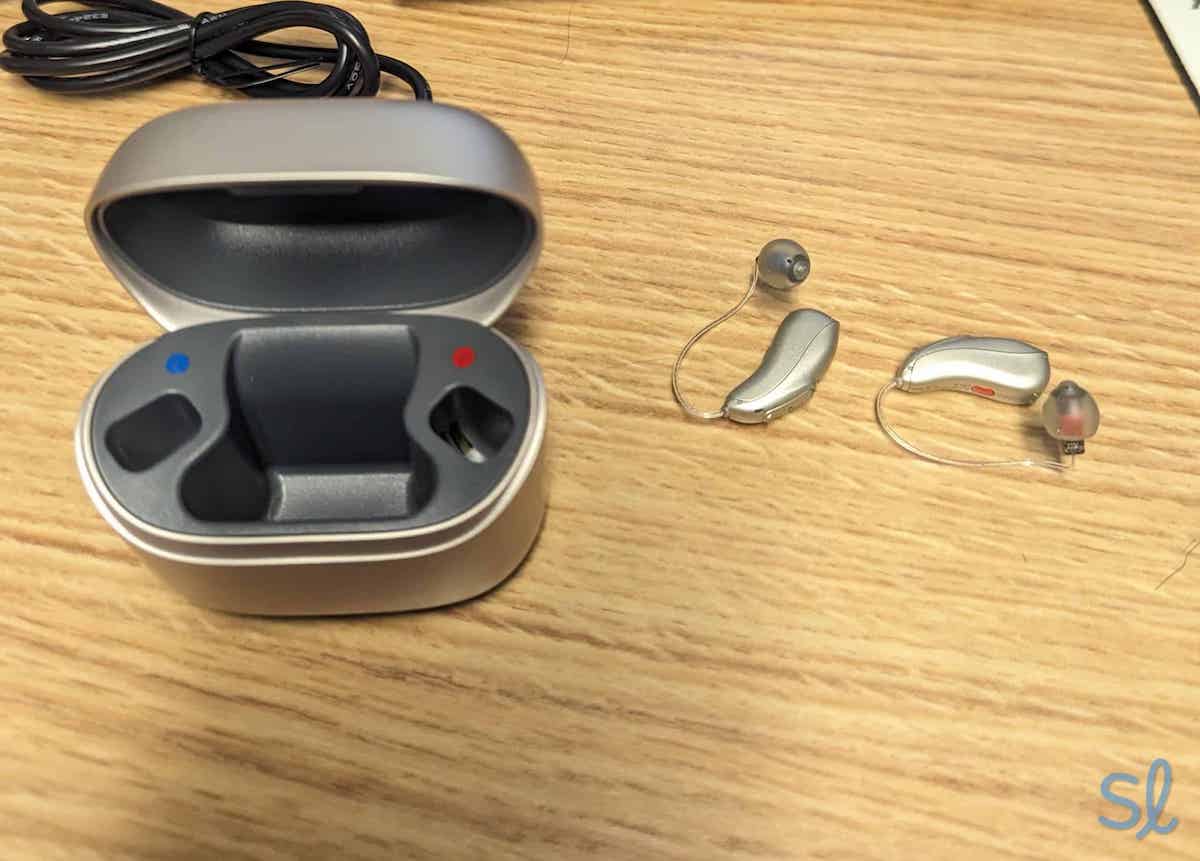
Advanced hearing aids, like the Phonak devices pictured here, can help improve all levels of hearing loss.
When to See a Doctor
If you have sudden hearing loss, especially in only one ear, see a doctor as soon as possible. Also make an appointment with your doctor if you’re experiencing any of these symptoms below; your primary care physician can refer you to an audiologist or ear, nose, and throat specialist if needed.
- Ear pain or pressure
- Ringing or buzzing
- Dizziness
- Drainage4
Hearing health specialists can recommend treatments that can treat a medical condition causing hearing loss or assistive listening devices or communication strategies that can help you hear sounds more clearly.
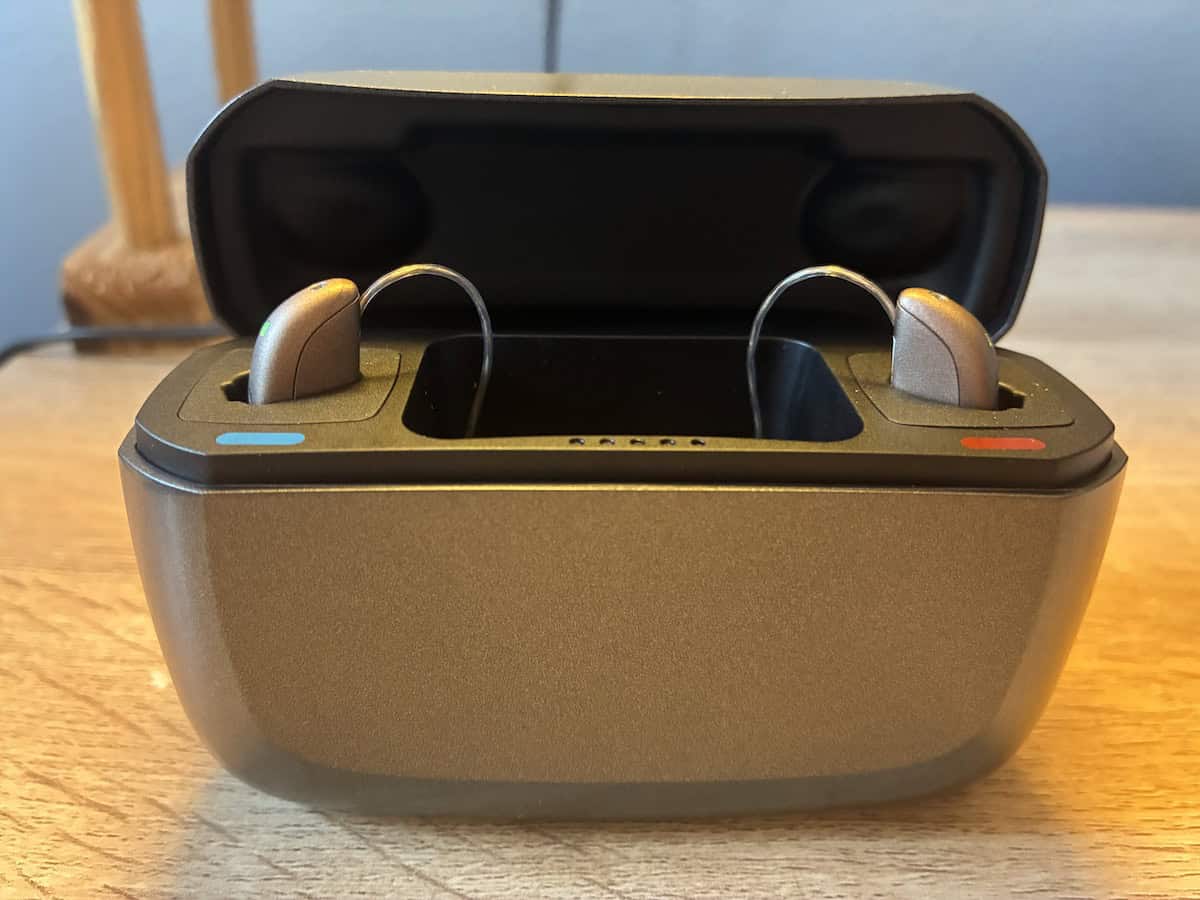
Our tech experts and resident audiologist, Dr. Ruth Reisman, have tested dozens of hearing aid brands, which are an excellent solution for many types of hearing loss.
Learn More: Read our guides to the best hearing aids for seniors in 2026 and tips for choosing a hearing aid, tested and reviewed by audiologists.
Why It’s Important to Address Changes in Your Hearing
Hearing loss can affect more than just your hearing. Hearing difficulty can increase fall risk among older adults and lead to mental health conditions such as depression and social isolation5.
The psychological effects of untreated hearing loss can be profound. In addition to feeling frustrated and embarrassed by hearing loss, some people might withdraw from loved ones once it becomes exhausting trying to follow conversations and not miss important information.
It’s therefore important not to overlook emotional symptoms, such as anxiety or social withdrawal, that might be related to hearing loss. That awareness can help you and your health care providers determine an accurate diagnosis and recommend more effective treatments. Many people report significant improvements in mood and energy levels after addressing their hearing health.
FYI: A hearing evaluation might include the “whisper test.” This is done by having someone stand about 2 feet behind you and whisper words or numbers to test your ability to repeat them accurately, according to UCSF Geriatrics6. You can enlist someone to help you do the whisper test at home then share your results with your health care provider.
Preparing for Your Hearing Evaluation
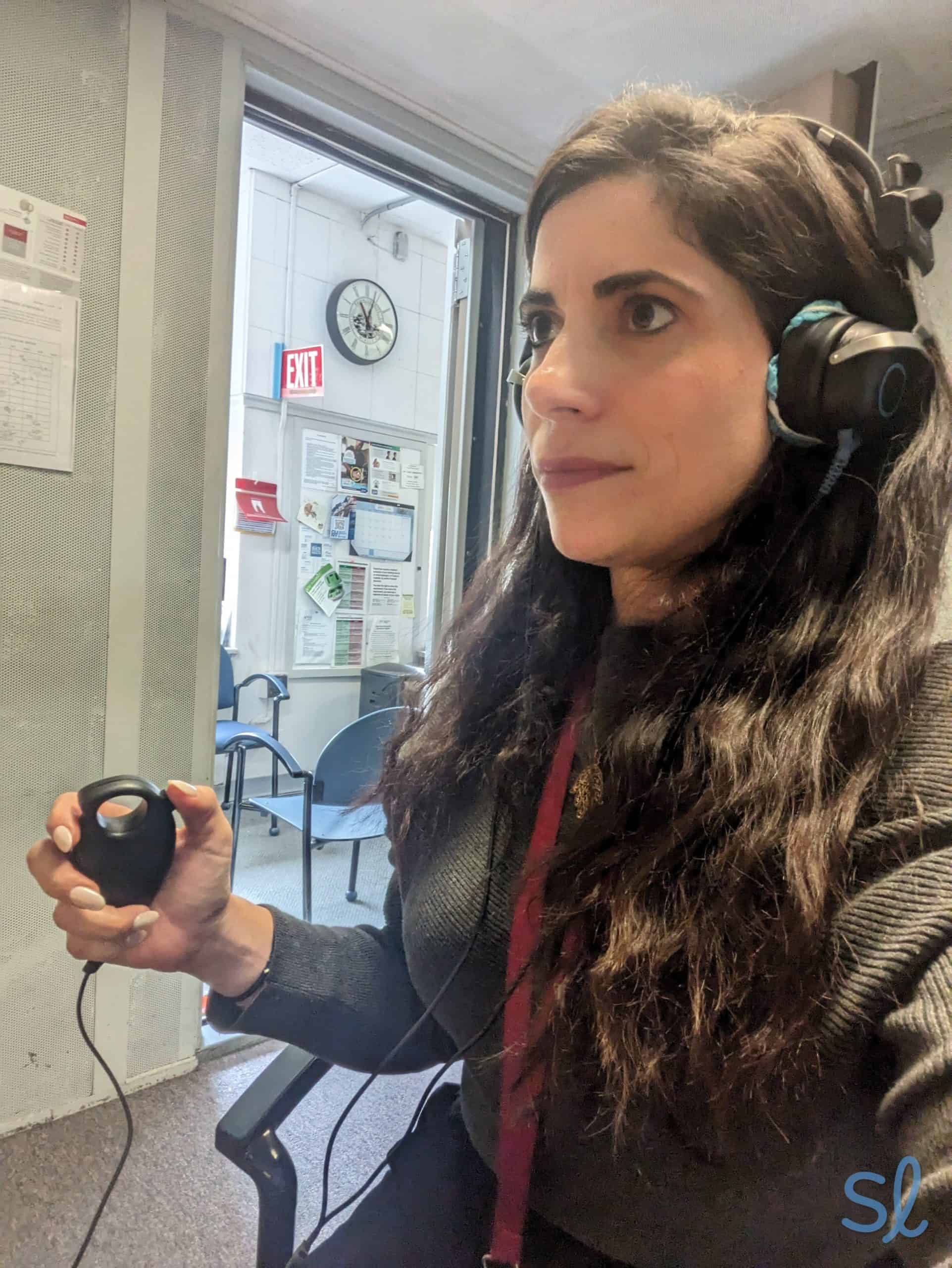
Get the most out of your doctor’s appointment by preparing relevant information beforehand. Document (as best you can) when your symptoms started, describe the situations where you struggle most to hear clearly, and note any medications you take and the dosages. Keep a symptom journal for two weeks to help you identify patterns in your hearing difficulty, and share it with your health care providers. That information will help them diagnose and more effectively treat your hearing loss.
It might also be helpful to bring along a trusted friend or family member who can provide observations about your hearing challenges and help you remember important information discussed during the appointment.
Your comprehensive hearing evaluation will include several painless tests measuring different aspects of your hearing ability. The audiologist will explain results using an audiogram, a visual representation of your hearing thresholds across different frequencies. This becomes your baseline for monitoring changes over time.
Bottom Line
Hearing loss is extremely common as we age. Taking steps to address changes to your hearing can have a huge impact on your health and quality of life by helping you stay connected to family, friends, and your community.
Hearing tests are painless, and treatment options include medication, assistive technology, and advanced hearing aids that are more discreet and comfortable than ever before. We’ve tested many hearing aids that are so small, no one even knew we were wearing them, yet they helped improve our hearing drastically.
By educating yourself about the early signs of hearing loss and having your hearing evaluated regularly, you're taking a powerful step toward maintaining independence, preserving cognitive function, and staying connected with the people and activities that bring joy to your life.
Frequently Asked Questions
-
Can hearing loss symptoms appear suddenly?
Yes, sudden sensorineural hearing loss can occur within 72 hours7 and requires immediate medical attention. Most age-related hearing loss develops gradually over years.
-
Do hearing loss symptoms always affect both ears equally?
No, hearing loss can be asymmetrical, affecting one ear more than the other. This variation is why professional testing evaluates each ear separately.
-
Can medications cause hearing loss symptoms?
Yes, over 200 medications are ototoxic, potentially damaging hearing. Common culprits include certain antibiotics, chemotherapy drugs, and high doses of aspirin8.
-
Is ringing in the ears always a hearing loss symptom?
Tinnitus often accompanies hearing loss but can occur independently. About 90% of people with tinnitus have some degree of hearing loss.
-
Can hearing loss symptoms improve without treatment?
Some temporary causes like earwax buildup or fluid can resolve on their own. Age-related sensorineural hearing loss typically doesn’t improve without intervention.
-
How quickly do hearing loss symptoms typically progress?
Age-related hearing loss usually progresses slowly over decades. However, noise exposure, medical conditions, or medications can accelerate damage to your hearing.
-
NIDCD. (2024). Quick statistics about hearing, balance, & dizziness.
-
Johns Hopkins Medicine. (2025, August 6). The hidden risks of hearing loss.
-
Ibid.
-
Hearing Loss Association of America. (2025). Signs, symptoms and steps.
-
Hearing Loss Association of America. (2025). Hearing Loss 101.
-
UCSF Division of Geriatrics. (2018). The Whisper Test.
-
Weber, P. C. (2025, April 23). Sudden sensorineural hearing loss in adults. UpToDate. https://www.uptodate.com/contents/sudden-sensorineural-hearing-loss-in-adults
-
American Speech-Language-Hearing Association. (2025). Ototoxic medications.