Private Assisted Living Homes
Private assisted living facilities offer more personalized care.


SeniorLiving.org is supported by commissions from providers listed on our site. Read our Editorial Guidelines
Find Private Communities Near You
Join 200,448 Families Who've Found Assisted Living Communities on SeniorLiving.org.
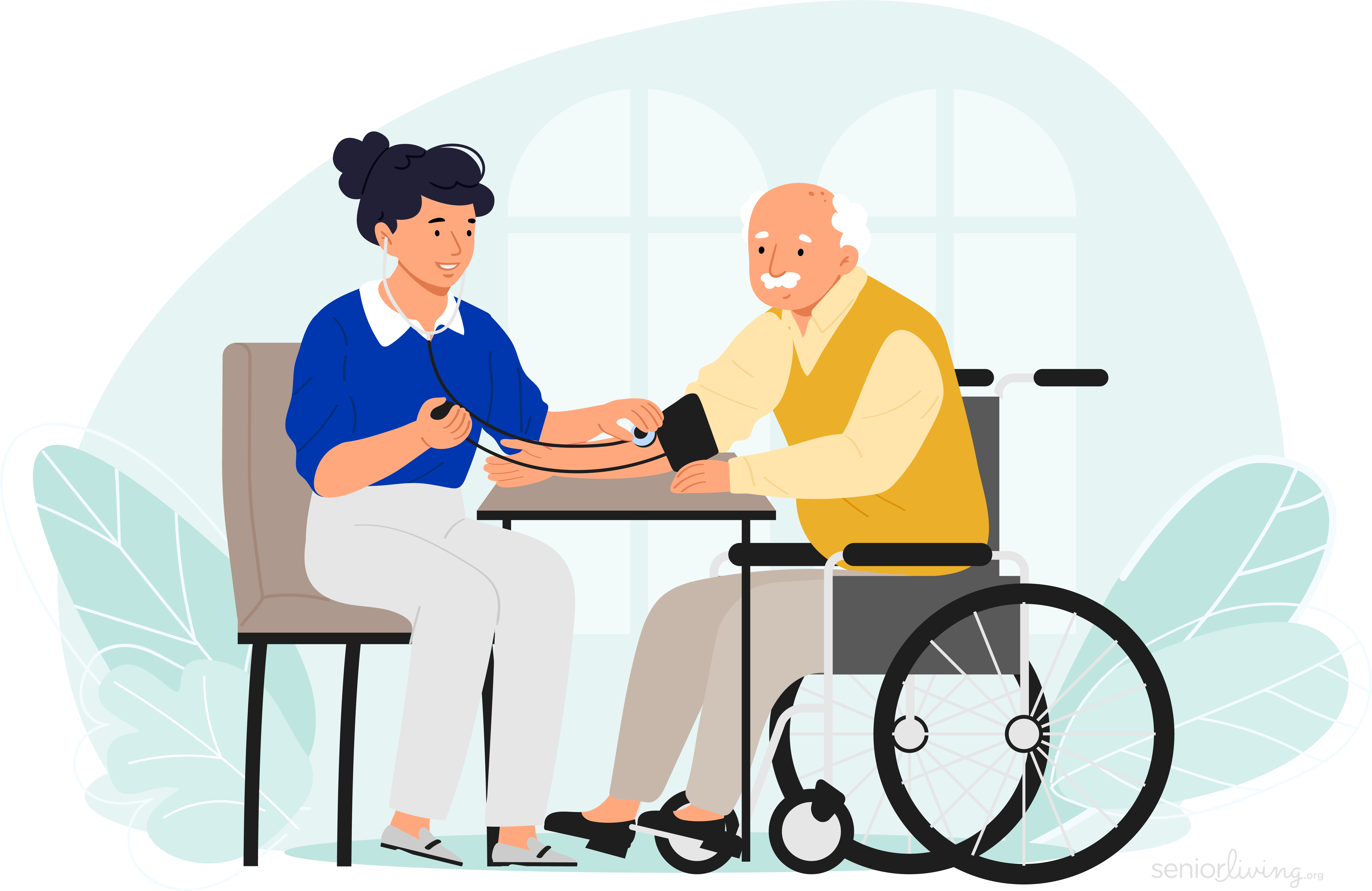
Or Call: (844) 623-7964If you want to live in a small, residential setting, which offers personalized care and support, a private home for assisted living may be a good option. Private assisted living facilities are small and intimate in size. A typical private home for assisted living may be run in a small facility or family-owned house. Others are larger, but maintain an intimate, relaxed atmosphere. Private assisted living facilities are attractive to many seniors, because they allow residents to get support while maintaining their autonomy. Over one million Americans reside in assisted living communities1.
Private homes for assisted living typically offer residents a range of social and recreational activities. This enables older adults to easily engage with others, and live a vibrant life. On their grounds, you’ll commonly find clubhouses for various activities, fitness centers, and libraries, too.
If you’re wondering if assisted living is right for you or your aging loved one, remember that they are ideal for healthy seniors who primarily need help with daily tasks like bathing, dressing, and grooming, and still want to maintain their independence.
They offer a range of services, including housing, meals, personal care assistance, and sometimes memory care or other specialized services.
Table of Contents
What Is Private Assisted Living?
Private assisted living facilities are privately owned rather than affiliated with a hospital or other medical organization. In the case of for-profit institutions, management companies usually run the day-to-day operations of these communities. Over 81 percent of assisted living institutions are for-profit.2
Pro Tip: Private assisted living facilities fall into two categories: for-profit (run like a business) and not-for-profit (reinvest earnings back into care). Both types charge residents for services, but non-profits also receive money from philanthropy.
Many of these sites offer a slew of amenities like fine dining, fitness centers, and pools. Weekly housekeeping services are also available, along with transportation to local attractions and even religious services.
Assisted living homes are geared toward older adults who can’t remain at home safely, but don’t require the level of medical attention offered at a nursing home. Seniors who opt for assisted living communities are still fairly independent and get around on their own.
Years ago, most people thought senior living referred only to nursing homes. Today, older adults can choose from a wide range of living arrangements, from aging in place at home and hiring caregivers, independent living, and our topic here, private assisted living.
To determine which kind of retirement community is best for you, consider what care you need and the extent that is needed. Those who have chronic conditions and ongoing medical needs might not be a fit for assisted living. For those requiring ongoing medical attention, rehabilitation, or specialized care for complex health needs, skilled nursing might fit the bill.
Pro Tip: Unsure if assisted living is the right fit for you? Check out our assisted living vs. independent living comparison guide!

Our free housing and care finder uses your unique needs to curate a list of the best options in your area.
Benefits of Private Assisted Living
These communities make residents feel at home instead of feeling like they are living in an impersonal facility. At a private home for assisted living, seniors feel they’re still running the show, but they can get the assistance they need and don’t have to worry about daily tasks and chores.
Many foster friendships and tight-knit communities. This interaction is beneficial in warding off depression and loneliness, which are common issues among older adults.
You can also find many high-end assisted living facilities that are luxurious, resort-style communities, with beautiful landscaping and gardens.
Here are some benefits of private assisted living facilities:
- Socialization and community: Offers structured activities and common areas that foster social interaction and combat isolation.
- Individualized care coordination: Provides tailored support for daily tasks, medication management, medical appointments, and changing needs.
- Enhanced safety and security: Provides emergency systems, 24/7 staff presence, and secure environments for peace of mind.
- Reduced family stress: Alleviates worry and practical support needed by family members, allowing them to focus on being loved ones.
Pro Tip: Unsure if private assisted living is right for you? Check out our guide to assisted living facilities to learn more about your options!
Paying for Private Assisted Living
Private assisted living costs can range anywhere from $3,000 per month to nearly $7,000 per month. The cost can vary based on the type of facility, the services offered, and the location. In 2025, the median cost of assisted living is $72,924 annually, which is by no means inexpensive.
Unfortunately, Medicare typically does not cover assisted living costs. Most residents with Medicare pay privately.
Many states do offer Medicaid Home and Community-Based Services (HCBS) waivers which can help cover care services, but not room and board expenses. In fact, 41 states cover home care services through Medicaid at assisted living communities across the US.3
About 17 percent of residential care community residents are Medicaid beneficiaries4. Because not all facilities accept Medicaid, be sure you double check with your facility.
If you are a veteran, there may be some benefits available to help cover the cost of assisted living, or at least part of it. Check with your Veterans Affairs office to see what type of help you can get or if you qualify for housing assistance for veterans.
When aid is not an option, many look to long-term care insurance or life insurance policies to cover the cost. If the only option is out-of-pocket payment, many rent or sell their current home or take out a loan to pay for assisted living.
Did You Know? Older adults have a 70 percent chance of needing assisted living or similar long-term care.5
Questions to Ask a Private Assisted Living Home
When looking into private assisted living, you should first tour the facility. This way, you’ll get a firsthand look at the day-to-day operations and see how actual residents feel living there.
While touring, be sure to determine the following
- Is the facility clean, updated, and in good shape?
- Are the residents and staff friendly and happy?
- Can you see yourself fitting in here?
- Does the facility provide the services needed?
If you can answer yes to all of these questions, it’s time to do your homework. Check for violations, complaints, and inspection records. If the facility has passed inspections and has few violations or complaints, it could be a great fit for you. Be sure you consider:
- The staffing and overall level of care provided by the facility.
- The safety and security measures in place within the facility.
- The quality of staff at the assisted living facility.
Next, you’ll want to check the activities and amenities. Here are a few important questions to consider:
- What kinds of activities are offered?
- What transportation is available?
- Does it offer amenities that appeal to you?
If you are satisfied with the activities and amenities, look at the cost:
- Can I afford to live here?
- Do I have any benefits that will cover part of the cost?
- Will I need to make lifestyle changes to pay for it?
While you may have found the “perfect” facility, if you can’t afford it, the stress on your finances is likely not worth the price of admission.
Pro Tip: What many forget when considering for-profit assisted living facilities compared to non-profit options are the increase in possible costs and decrease in focus on individualized care. As for-profit communities are run like a business, pay attention to reduced staffing levels or compromised quality of resident care. Feel free to ask lots of questions.
How Do I Find a Private Assisted Living Home Near Me?
Finding a private assisted living home doesn’t need to be a hassle. To make your search easier, type in your ZIP code and search our extensive database of private assisted living communities in your area. If you need assistance over the phone, call us on our senior helpline.
Check out our video below for more tips on finding the best communities.
-
Statista. (2025). Number of residents in residential care communities in the U.S. from 2016 to 2022
-
Christian Living Communities. (2024). For-Profit vs. Non-Profit Senior Living
-
KFF. (2025). What Services Does Medicaid Cover in Assisted Living Facilities?
-
CDC. (2024). Residential Care Community Resident Characteristics: United States, 2022
-
LongTermCare.gov. (2025). How Much Care Will You Need?