A Guide to Sensorineural Hearing Loss
Learn how to identify and treat this common type of hearing loss that affects many older adults.


SeniorLiving.org is supported by commissions from providers listed on our site. Read our Editorial Guidelines
Find Senior Living Near You
Join 1,019,247 Seniors Who've Searched for Housing Communities on SeniorLiving.org.
Or Call: (844) 623-7964If your hearing ability seems to be waning, you could be experiencing sensorineural hearing loss, a type of hearing impairment that’s common among many older adults. Sensorineural hearing loss results from damage to the inner ear or auditory nerve that often causes permanent hearing loss.1
This type of hearing loss typically comes on gradually, making it difficult to hear soft or high-pitched sounds. For example, our editor’s grandmother first noticed her sensorineural hearing loss when she had difficulty hearing her three-year-old nephew speak.
If you suspect you might be experiencing some hearing loss, don’t dismiss it as just a sign of aging. Failing to address hearing challenges can affect your life negatively in subtle ways: You might have less interest in socializing or volunteering because straining to hear others has become exhausting. Or you might call loved ones less often because it’s too difficult to hear them.
But there is good news! Advances in hearing technology can help you stay connected to the people you care about and maintain your independence and quality of life. In this guide we’ll cover everything you need to know about sensorineural hearing loss, including signs to look for, how it’s diagnosed, and the treatment options available. We also consulted with Dr. Ruth Reisman, our resident audiologist, for her expert insights on this type of hearing loss.

What Is Sensorineural Hearing Loss?
Unlike conductive hearing loss, which happens when sounds are blocked before they reach the cochlea in the inner ear, sensorineural hearing loss relates to problems with the inner ear, cochlea, and/or the auditory nerve.2
Did You Know? Around one in three people in the U.S. between 65 and 74 years old have hearing loss, and nearly half of people 75 and older have difficulty hearing, according to the National Institute on Deafness and Other Communication Disorders.3
Conductive hearing loss is often caused by earwax buildup or fluid in the middle ear; by contrast, sensorineural hearing loss typically involves the delicate hair cells in your inner ear that convert sound waves into electrical signals your brain can understand. When sound energy reaches the cochlea, the damaged hair cells are unable to convert sound waves into neural signals that pass through the auditory nerve to the brain.4
What Causes Sensorineural Hearing Loss?
Aging is the most common cause of sensorineural hearing loss. This loss is typically gradual and, unfortunately, permanent. Think of the tiny hair cells of the cochlea in the inner ear as microphones that pick up different frequencies and volumes. When these “microphones” become damaged or wear out over time, they can't capture sounds as clearly or completely as they once did. And unlike the hair on your head, these microscopic hair cells don't regenerate once they’re damaged.
Other, less common causes include:
- Loud noises, such as gunfire or industrial machinery
- Some medications, such as antidepressants, cancer drugs, antibiotics, and even high doses of aspirin
- Genetics
- Medical conditions such as Meniere’s disease, otosclerosis (abnormal growth in the inner ear),5 high blood pressure, and diabetes
- Multiple sclerosis, a central nervous system disease
- Autoimmune diseases such as lupus, rheumatoid arthritis, and fibromyalgia
- Head trauma or sudden changes in air pressure, which can cause the space that contains inner ear fluid to rupture6
Sensorineural Hearing Loss Symptoms
Signs of hearing loss don’t differ all that much between the different types of hearing loss. Symptoms associated with sensorineural hearing loss typically include:
- Muffled hearing
- Difficulty understanding speech and consonant sounds such as s-, h-, or f-
- Trouble hearing high-pitched voices
- Sudden or steady loss of hearing
- Full or “stuffy” sensation in the ear
- Ringing in the ear
- Dizziness7
See your primary care provider if you’re noticing any signs of hearing loss, such as difficulty hearing people on the phone or you’re turning up the volume on your TV much louder than usual.
It’s important to rule out medical conditions (such as tinnitus, which can cause buzzing or ringing in your ears) that can worsen if left untreated. Ask your doctor about risks to your hearing health with any drugs you’re prescribed, too.
How Sensorineural Hearing Loss Is Diagnosed
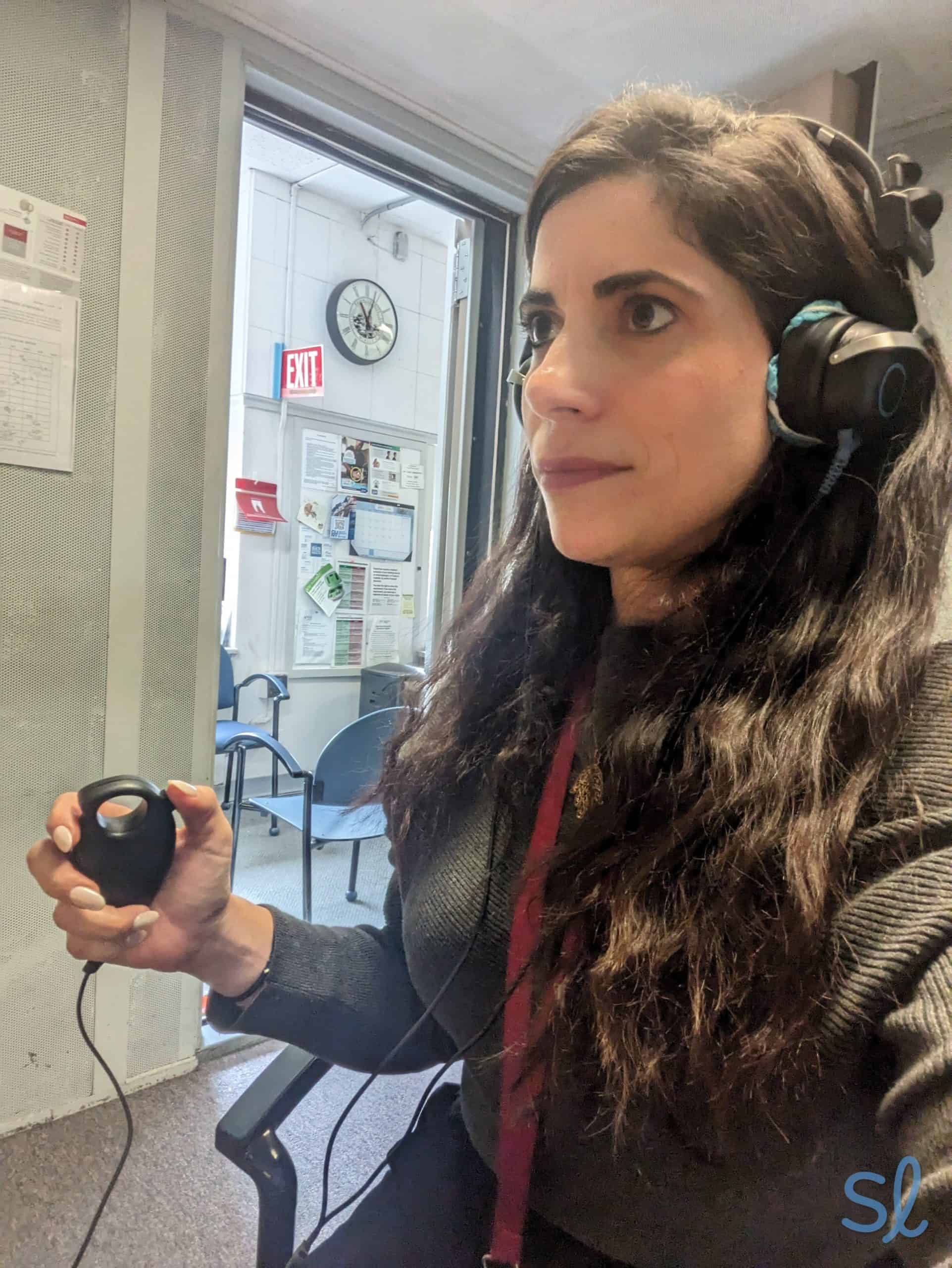
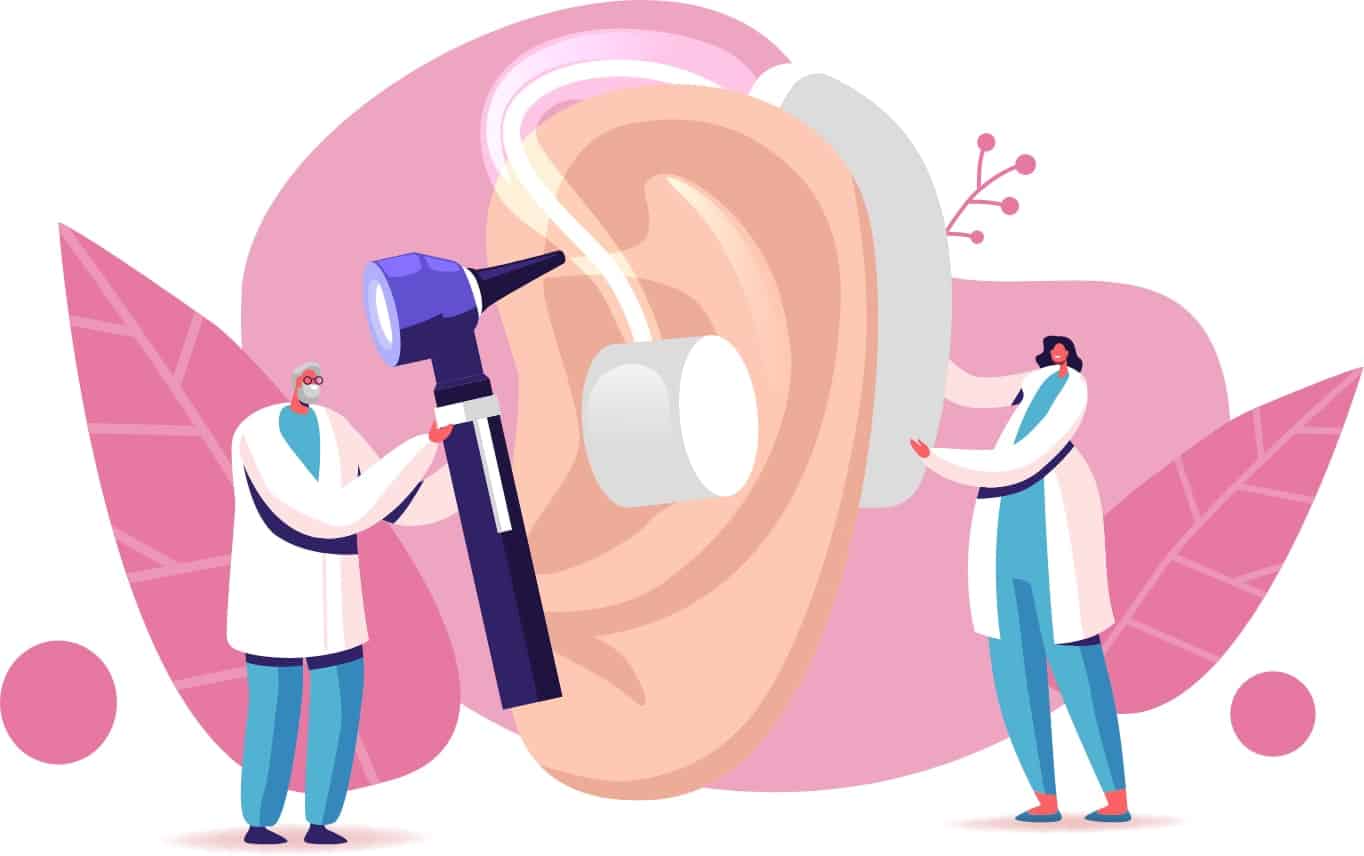
Your primary care provider will examine your ears and then refer you to an otolaryngologist, an ear, nose, and throat doctor (ENT) for further evaluation if necessary. An ENT will diagnose your hearing loss and make a determination about its cause, which informs treatment.
You will also likely be referred to an audiologist who will conduct hearing tests to gauge the severity of your hearing loss and confirm the type (sensorineural, conductive, or a combination of both).
The main test, called pure-tone audiometry, involves wearing headphones and indicating when you hear various tones at different frequencies and volumes. This creates an audiogram, which is essentially a map of your hearing abilities. Speech audiometry tests how well you understand words at different volumes, which often correlates better with real-world hearing challenges than pure-tone results alone.
Working together, an ENT and audiologist can devise a treatment plan that best addresses your hearing challenges.8
>> Related Reading: Best hearing aids for severe hearing loss in 2026
Treatments for Sensorineural Hearing Loss
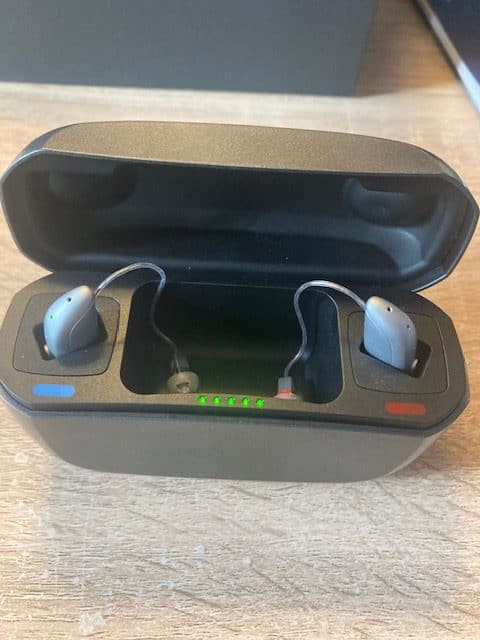
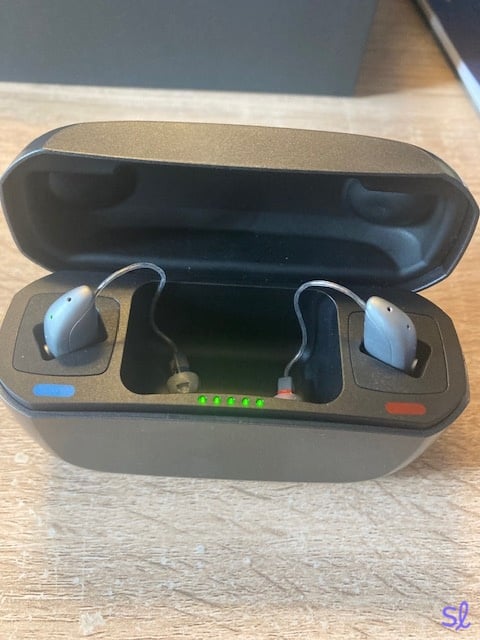
Our team tested all of the hearing aids that made our list, including Jabra Enhance, one top pick.
Your best treatment for sensorineural hearing loss will depend on what’s causing it. For example, corticosteroids (oral or injection through the eardrum) might be prescribed to reduce cochlear hair cell swelling and inflammation after exposure to loud noises, and diuretics may be used to treat hearing loss related to Ménière’s disease.9 Surgery might be appropriate for certain causes, such as a tumor affecting hearing loss.
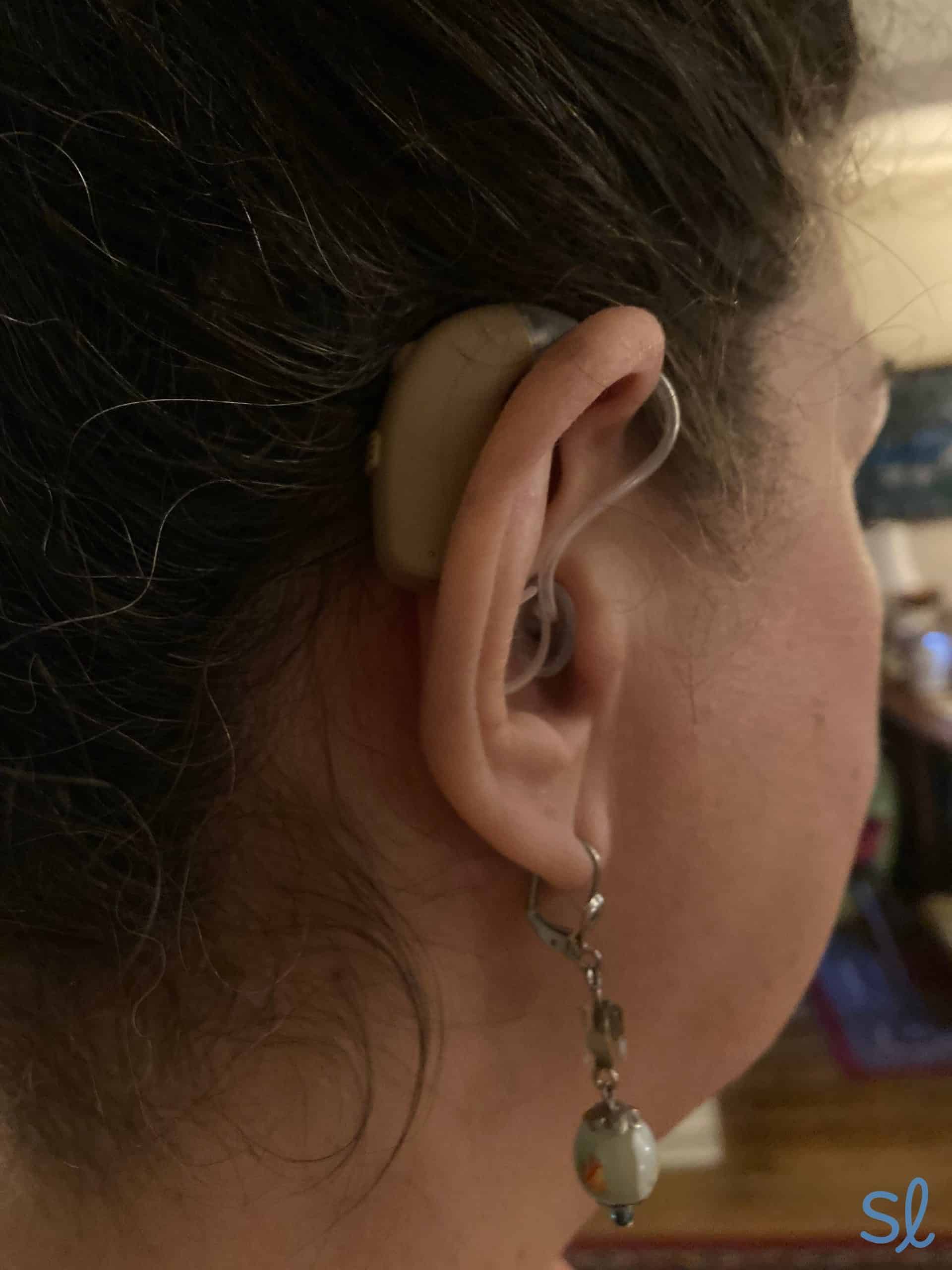
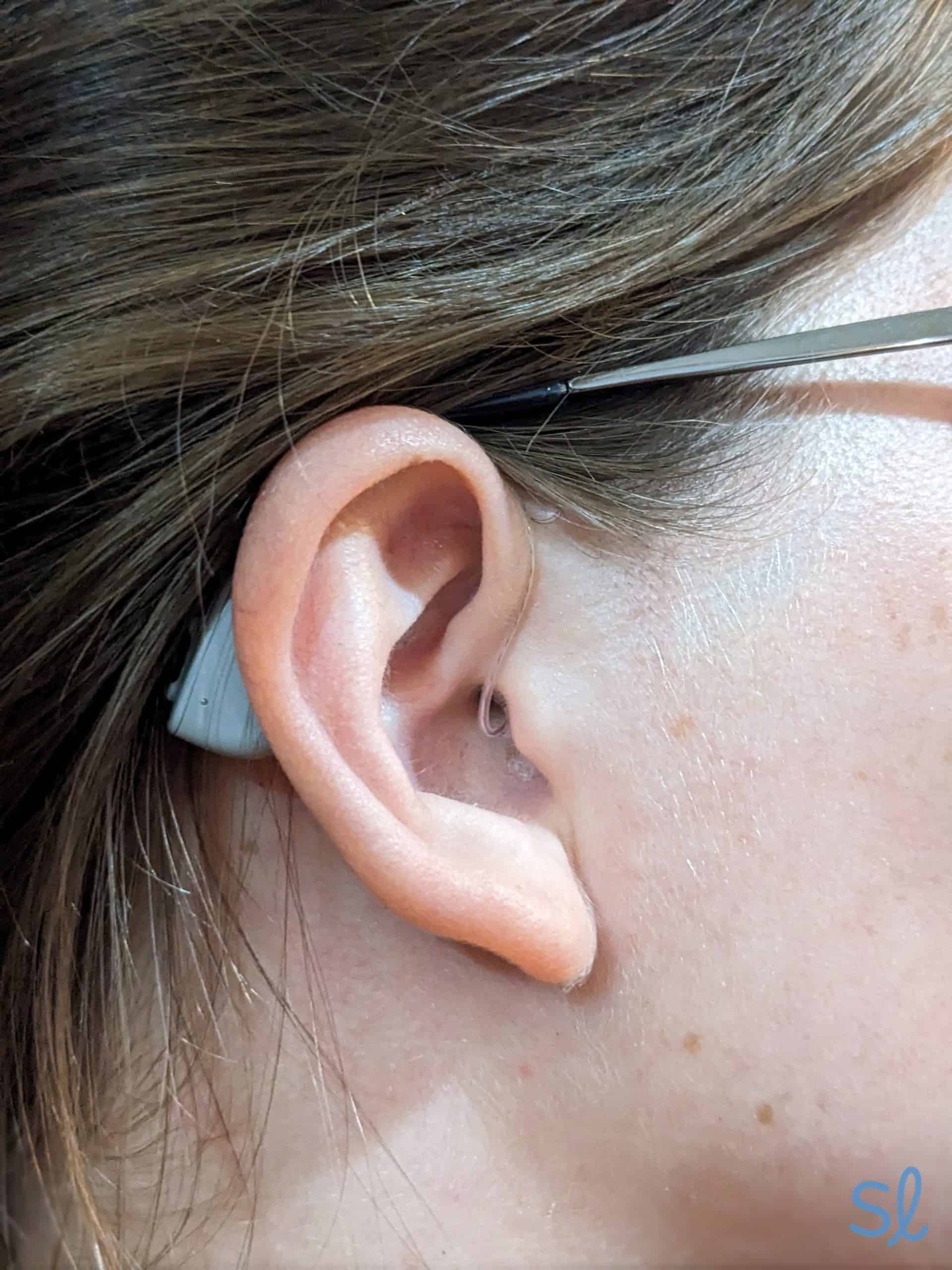
Age-related, permanent sensorineural hearing loss often can be addressed with hearing aids or cochlear implants. Your audiologist will make specific recommendations based on the severity and cause of your hearing loss, along with your personal preferences and budget.
Give yourself time to adjust to hearing aids — your brain needs about 30 days to adapt to processing sounds it hasn't heard clearly in a while.10 Our team found this to be true when testing popular hearing aids, such as Jabra Enhance and Eargo devices. Interested in hearing aids and want to learn more about our experience with them? Read our guide to the best hearing aids in 2026.
Another treatment option is the use of assistive devices, such as amplifying devices for cell phones, apps for tablets, and closed captioning.11
Bottom Line
Although sensorineural hearing loss is often permanent, it doesn't have to limit your life. With today's technology and management strategies, you can maintain your connection with loved ones and keep participating in social activities and living independently.
It’s important to be proactive about hearing challenges, so make an appointment with your doctor when you start noticing a decline in your hearing health. Also consider joining a hearing loss support group, either in-person or online. Sharing experiences with others who understand your challenges can be incredibly validating and provide useful practical tips for navigating hearing loss as well.
If you are looking for hearing aid to address your hearing loss, watch our video below. SeniorLiving.org Editor-in-Chief Jeff Hoyt and Dr. Ruth Reisman discuss how to choose the best hearing aid for your needs.
Frequently Asked Questions
-
Can sensorineural hearing loss be reversed or cured?
Sensorineural hearing loss is usually permanent. But depending on the cause, medication, hearing aids, or other assistive devices can significantly improve your ability to hear and communicate.
-
How quickly does sensorineural hearing loss progress?
Age-related sensorineural hearing loss typically progresses slowly. Sudden sensorineural hearing loss can happen all at once or over several days.
-
Will hearing aids make my hearing loss worse?
No, properly fitted hearing aids won’t damage your hearing. In fact, using hearing aids helps keep your auditory system active and may slow cognitive decline associated with untreated hearing loss.
-
How much do hearing aids typically cost?
Hearing aids range from $1,000 to $8,000 per pair, depending on technology level and features.
-
Can I prevent sensorineural hearing loss from getting worse?
Yes, you can slow progression by protecting your ears from loud noises, managing health conditions like diabetes and hypertension, and avoiding ototoxic medications when possible. Regular hearing checkups help monitor changes in hearing health.
-
Hearing Loss Association of America. (2025). Hearing Loss Types, Causes and Treatments.
-
American Academy of Otolaryngology–Head and Neck Surgery Foundation. (2025). Sensorineural Hearing Loss (SNHL).
-
National Institutes of Health: National Institute on Deafness and Other Communication Disorders. (2023). Age-Related Hearing Loss (Presbycusis).
-
American Academy of Otolaryngology–Head and Neck Surgery Foundation. (2025). Sensorineural Hearing Loss (SNHL).
-
Hearing Loss Association of America. (2025). Hearing Loss Types, Causes and Treatments.
-
American Academy of Otolaryngology–Head and Neck Surgery Foundation. (2025). Sensorineural Hearing Loss (SNHL).
-
Ibid.
-
National Institutes of Health: National Institute on Deafness and Other Communication Disorders.(2023). Age-Related Hearing Loss (Presbycusis).
-
American Academy of Otolaryngology–Head and Neck Surgery Foundation. (2025). Sensorineural Hearing Loss (SNHL).
-
Hearing Health Foundation. (2022). Hearing Aid Use Improves Brain Processing Over Time.
-
American Academy of Otolaryngology–Head and Neck Surgery Foundation. (2025). Sensorineural Hearing Loss (SNHL).