Types of Hearing Loss: A Guide
As we age, hearing loss becomes more common. Here’s what older adults should know about the different types of hearing loss and how they’re treated.

SeniorLiving.org is supported by commissions from providers listed on our site. Read our Editorial Guidelines
Find Senior Living Near You
Join 1,019,247 Seniors Who've Searched for Housing Communities on SeniorLiving.org.
Or Call: (844) 623-7964Much like there are various reasons why your car might not start in the morning, hearing loss can stem from many different factors. Your ears have three parts: the outer ear, middle ear, and inner ear. Hearing difficulty can arise if any of those parts stop functioning normally, resulting in hearing loss that can range from mild to profound.
Why does it matter what type of hearing loss you have? Learning about the different types of hearing loss and their causes can help you help your health care providers make the best diagnosis for your specific hearing challenges. That’s important because delaying care for a hearing problem can worsen certain conditions that could be impairing your hearing.
Keep reading to learn about the four different types of hearing loss and their symptoms, including more about the degrees of hearing loss, causes, and typical treatments for each.

The Types of Hearing Loss
Medical professionals classify hearing loss by determining which part of your ear is affected. Some hearing experts cite three main types of hearing loss, but others say there are four. According to the Centers for Disease Control, the four types of hearing loss are:
- Conductive hearing loss: Involves an obstruction that prevents sounds from getting through the outer or middle ear
- Sensorineural hearing loss: Involves how the inner ear or hearing nerve works
- Mixed hearing loss: Includes both a conductive and a sensorineural hearing loss
- Auditory neuropathy spectrum disorder: Involves a problem with how sound information is transmitted to the brain1
Each type of hearing loss has its own characteristics, causes, and treatment possibilities. Some types respond well to medical treatment or surgery, while others benefit most from hearing aids or other assistive devices.
>> You Might Like: The Best Rechargeable Hearing Aids in [Year]
Conductive Hearing Loss
This type of hearing loss in the outer or middle ear where sound waves are not able to carry all the way through to the inner ear. Sound may be blocked by earwax or a foreign object located in the ear canal. Or the middle ear space might be impacted with fluid, infection, or a bone abnormality; another possible cause is an injury to the eardrum2.
In many cases, conductive hearing loss is treatable by medication or surgery, but it depends on the cause. If a medical condition causing conductive hearing loss isn’t treated, the hearing loss could become permanent.
Symptoms can vary depending on the precise cause of hearing loss, but some common signals include:
- You often think others are mumbling and ask them to repeat themselves.
- Sounds are muffled.
- You’re turning up the volume on the TV louder than usual.
- You might start speaking too softly or too loudly.
- You’re experiencing listening fatigue and might start avoiding social situations.
- A feeling of fullness or stuffiness in their ears
- Pain or tenderness in ears
- Dizziness
- Difficulty hearing soft sounds3
Want to learn more about the different types of hearing loss? Watch our video below with Audiologist Dr. Brad Ingrao.
Treatment for Conductive Hearing Loss
Your health care provider will likely do “active surveillance,” which essentially means keeping an eye on your hearing difficulty and monitor your hearing in subsequent appointments. If your hearing doesn’t improve or worsens, they will likely refer you to hearing health specialists such as an ear, nose, and throat doctor (ENT) and/or an audiologist who can test your hearing with more precision.

They might recommend a hearing aid or medical or surgical interventions for this type of hearing loss as well, including:
- Earwax removal
- Antibiotics for ear infections
- Surgery to repair eardrum perforations or damage to middle ear bones
- Bone-anchored hearing aids for chronic ear problems
Sensorineural Hearing Loss
Sensorineural hearing loss relates to problems with the inner ear, cochlea, and/or the auditory nerve4. This type of hearing loss can happen suddenly or over several days and commonly occurs when some of the hair cells in the cochlea get damaged5.
>> You Might Like: Senior Living Options for those with hearing loss
The job of those hair cells is to convert sound waves into signals your brain can interpret as sounds. When hair cells are damaged, however, they don’t regenerate, which is why sensorineural hearing loss is typically permanent.
Common causes of sensorineural hearing loss include:
- Aging (the most common cause and typically irreversible)
- Prolonged exposure to loud noise such as industrial machinery or gunfire
- Certain medications (ototoxic drugs)
- Genetics
- Head trauma
- Viral infections like measles or mumps
- Autoimmune diseases such as lupus or rheumatoid arthritis6
- Meniere's disease7
If you’re experiencing sensorineural hearing loss, you might hear a ringing or buzzing in your ears, which might be tinnitus. Other signs of sensorineural hearing loss include:
- Difficulty following conversations when two or more people are talking
- Difficulty hearing in noisy areas.
- Higher-pitched voices, such as women's or children’s voices, are harder to hear than men’s voices
- It’s hard to distinguish high-pitched sounds such as “s” or “th”
- Other people's voices sound mumbled or slurred.
- You have problems hearing when there is background noise8.
Did You Know? Hearing aids are the mainstay of treatment, yet only 20 percent of older US adults with hearing aids use them, according to researchers at Johns Hopkins University9. Read our guide to the best hearing aids to learn more.
Treatment for Sensorineural Hearing Loss
In addition to keeping an eye on hearing, which could involve hearing tests and follow-up tests, your doctors or specialists might recommend:
- Corticosteroids (anti-inflammatory medicine given orally or via injection through the eardrum) might be prescribed to reduce cochlear hair cell swelling and inflammation after exposure to loud noises.
- Surgery
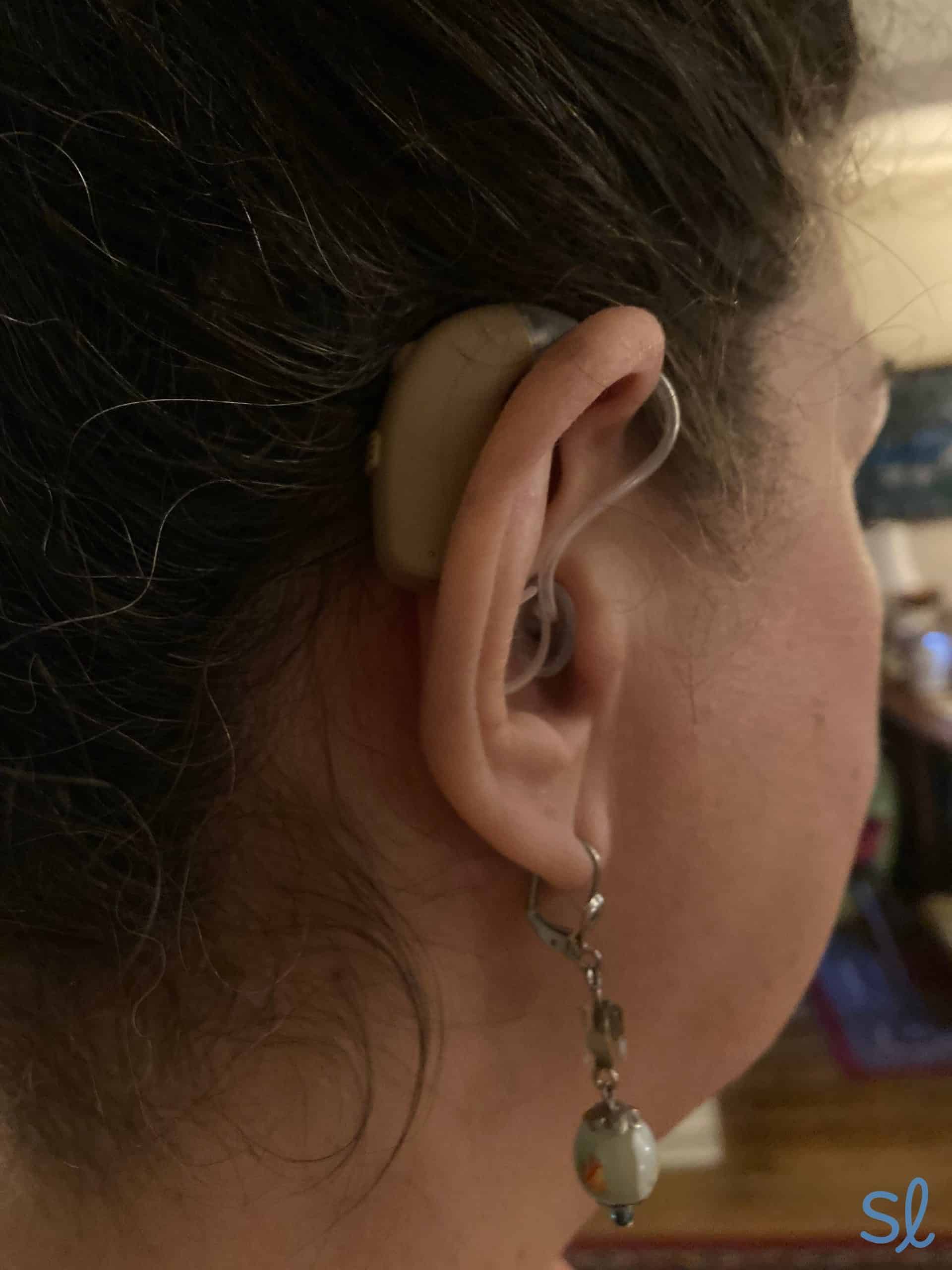
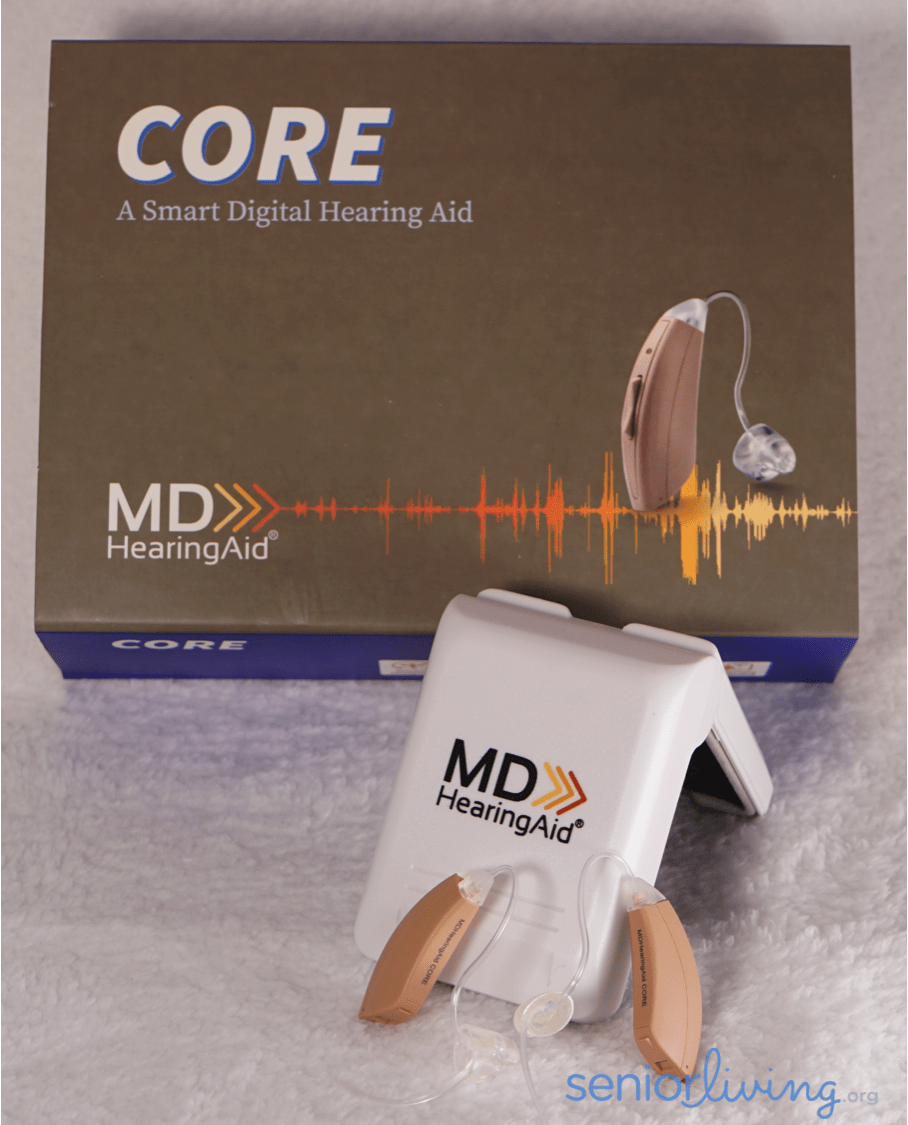
- Hearing devices such as hearing aids or cochlear implants, depending on the cause and severity of your hearing loss
Mixed Hearing Loss
Mixed hearing loss is exactly what it sounds like: a combination of both conductive and sensorineural hearing loss. Someone might have age-related inner ear damage along with a middle ear infection, for example. This can make a specific diagnosis more challenging for health care providers.
Treatment for Mixed Hearing Loss
Treatment might require managing the conductive component first, such as a prescription medication to clear up an infection. Once that's addressed, hearing aids or other devices can help compensate for the sensorineural component of your hearing loss.
>> Discreet Hearing Solutions: The Best Invisible Hearing Aids of 2026
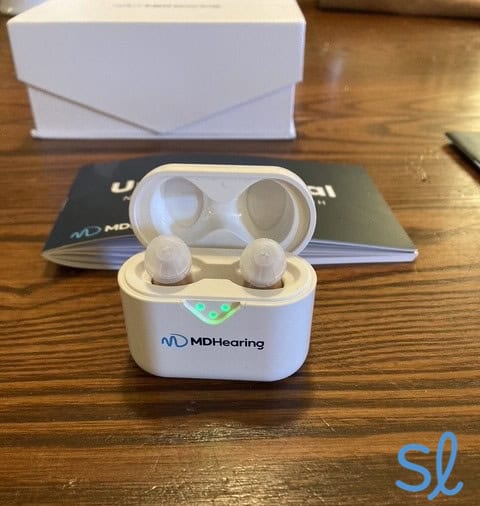
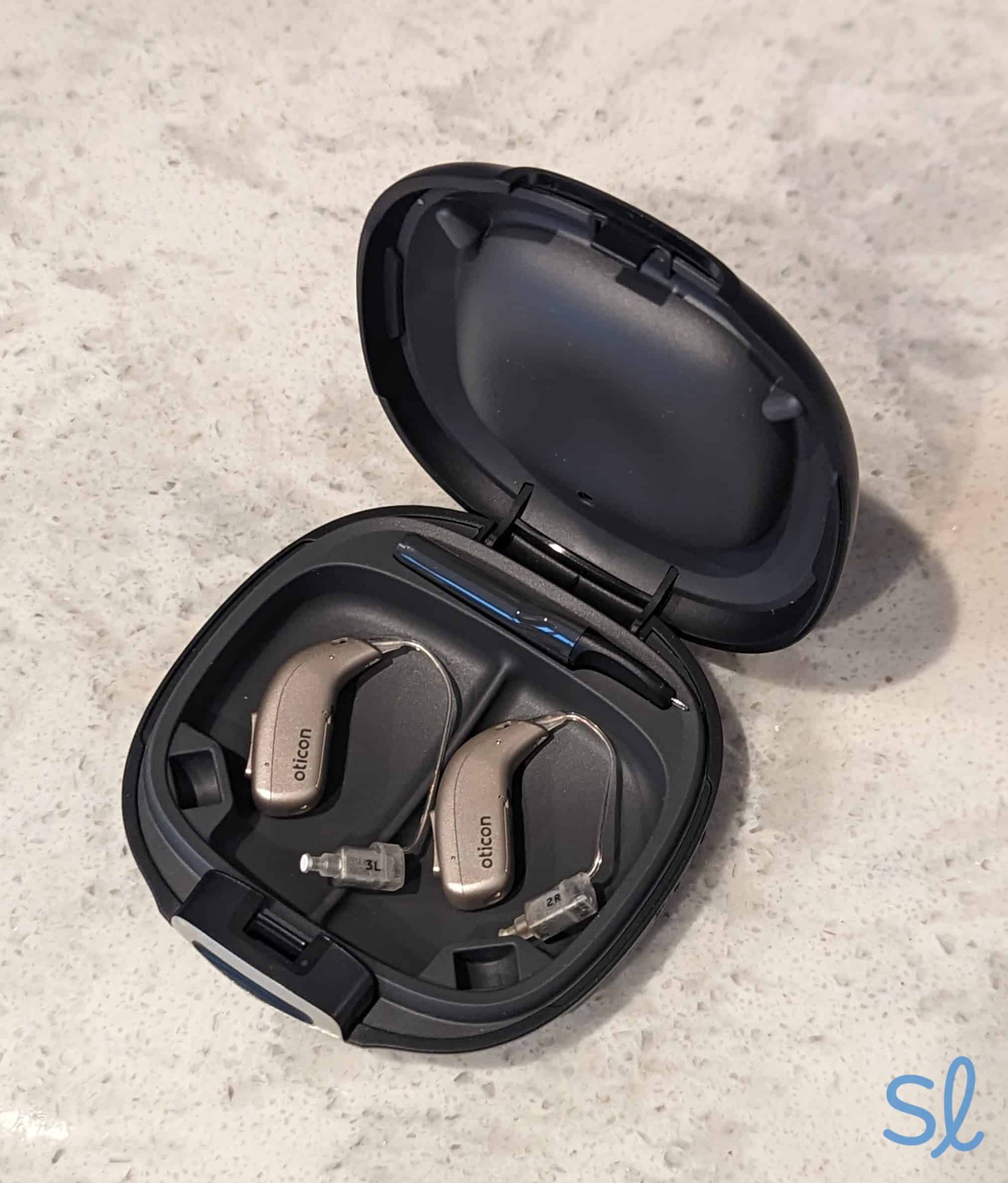
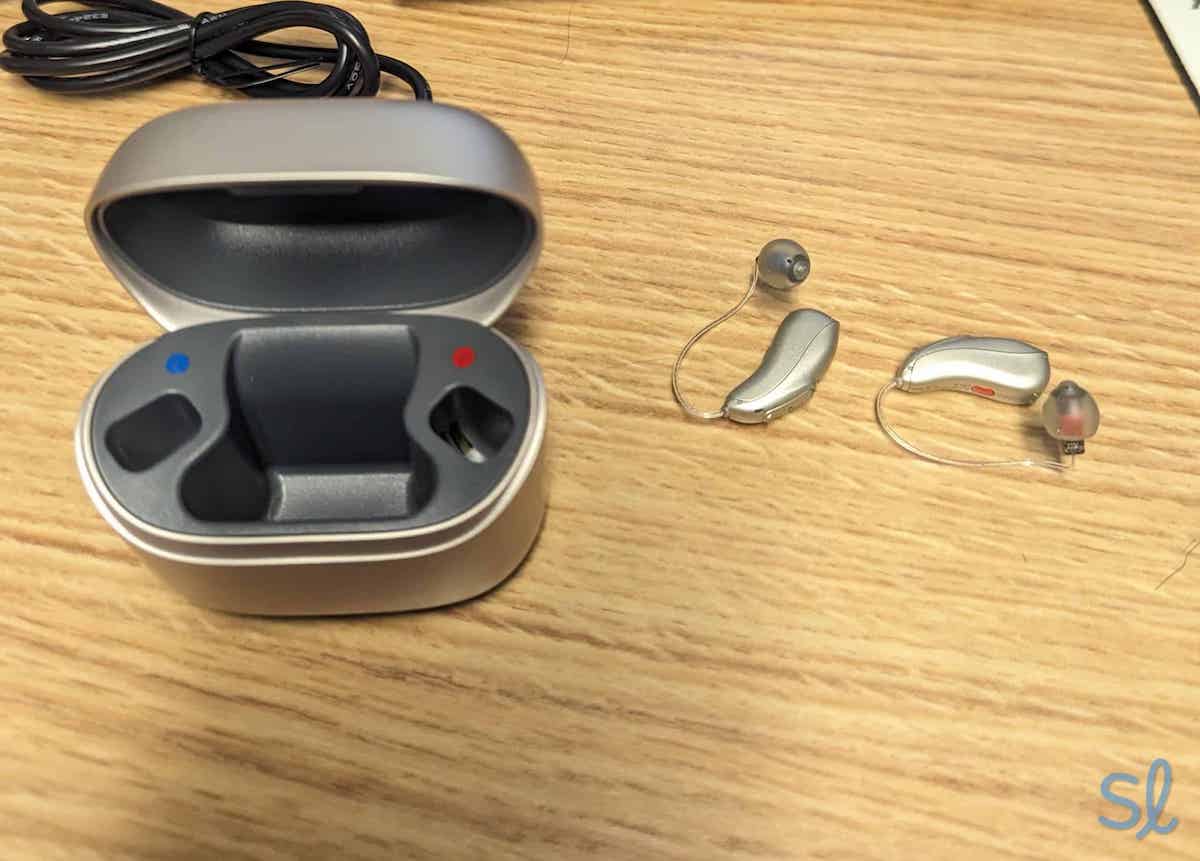
Our tech experts and resident audiologist Dr. Ruth Reisman. has tested many hearing aids that may be suitable for mixed hearing loss, including ReSound and Oticon. Visit your hearing care professional to learn more about which brands may be right for you.
Auditory Neuropathy Spectrum Disorder
This type of hearing loss occurs when sound is able to enter the ear normally, but damage to the inner ear or the hearing nerve prevents sound from being processed in a way the brain can understand10.
Causes of auditory neuropathy spectrum disorder include:
- Damage to the inner hair cells, specialized sensory cells in the inner ear
- Damage to the auditory neurons that transmit sound information from the hair cells to the brain
- Genetic mutations
- Damage to the auditory system, which may result in faulty connections between the inner hair cells and the auditory nerve or damage to the auditory nerve itself11
FYI: Around one in three Americans between 65 and 74 years old have hearing loss, and nearly half of people 75 and older have difficulty hearing, according to the National Institute on Deafness and Other Communication Disorders12.
There’s no treatment specific to auditory neuropathy spectrum disorder, but some people can hear better with the use of hearing aids or cochlear implants. Remote microphone systems can augment hearing aids to help people with this type of hearing loss to hear better13.
Degrees of Hearing Loss
Hearing health providers classify hearing loss in levels from mild to profound. Here’s more info about each level:
- Mild hearing loss: The ability to hear some speech sounds but soft sounds are hard to hear. In practical terms, mild hearing loss is similar to putting your fingers in your ears; it might be hard to hear people with softer voices, such as children.
- Moderate hearing loss: A person can hear almost no speech when someone is talking at a normal level. Someone with moderate hearing loss can sometimes hear but not understand speech unless they’re wearing a hearing aid or aids.
- Severe hearing loss: Someone can hear only loud sounds and is unable to hear speech when a person is talking at a normal level. People with severe hearing loss typically means speech is inaudible unless the person is wearing hearing aids or has a cochlear implant.
- Profound hearing loss: The individual cannot hear any speech sounds and only very loud noises. With profound hearing loss, the person is unable to hear even very loud noises, such as fire alarms, honking horns, and airplane engines14.
Bottom Line
If you’re experiencing hearing loss, it can help to have a holistic approach beyond just medical treatment. Create a hearing-friendly environment at home by adding visual alerts for doorbells and smoke detectors, improving lighting for better lip-reading visibility, and reducing background noise where possible.
Understanding your type of hearing loss empowers you to make informed decisions about your hearing health. Whether you're dealing with conductive, sensorineural, or mixed hearing loss, there are treatment options that can help you maintain your hearing health and quality of life.
Frequently Asked Questions
-
Can hearing loss be reversed?
Conductive hearing loss can often be reversed through medical treatment or surgery. Sensorineural hearing loss is typically permanent but can be effectively managed with hearing aids or cochlear implants.
-
How often should I have my hearing tested?
Adults over 50 should have a baseline hearing test and follow-up evaluations every three years. Those exposed to loud noise or with existing hearing loss may need more frequent testing.
-
Will hearing aids restore my hearing to normal?
Hearing aids amplify sounds to compensate for hearing loss but don’t restore normal hearing. Most users experience significant improvement in communication and quality of life.
-
Can I prevent further hearing loss?
Yes. Protecting your ears from loud noise, managing health conditions like diabetes and high blood pressure, and avoiding ototoxic medications when possible can reduce your risk for hearing loss. Regular hearing checks help monitor changes.
-
Are over-the-counter hearing aids effective?
OTC hearing aids can help adults with mild to moderate hearing loss. However, professional evaluation ensures proper diagnosis and optimal device selection for your specific needs.
-
CDC. (2024, May 15). Types of hearing loss.
-
Johns Hopkins Medicine. (2025). Types of hearing loss.
-
American Academy of Otolaryngology–Head and Neck Surgery Foundation. (2025). Conductive hearing loss.
-
American Academy of Otolaryngology–Head and Neck Surgery Foundation. (2025). Sensorineural hearing loss (SNHL).
-
Johns Hopkins Medicine. (2025). Types of hearing loss.
-
National Institutes of Health: National Library of Medicine. (2023). Sudden-Onset Sensorineural Hearing Loss and Tinnitus in a Patient With Rheumatoid Arthritis: A Case Report and Literature Review.
-
American Academy of Otolaryngology–Head and Neck Surgery Foundation. (2025). Sensorineural hearing loss (SNHL).
-
Mount Sinai. (2025). Sensorineural deafness.
-
JAMA Network. (2024). Hearing aid use trends among older adults by income and metropolitan vs nonmetropolitan residence.
-
CDC. (2024). Types of hearing loss
-
National Institutes of Health: National Institute on Deafness and Other Communication Disorders. (2018). Auditory Neuropathy
-
National Institutes of Health: National Institute on Deafness and Other Communication Disorders. (2023). Age-Related Hearing Loss (Presbycusis)
-
National Institutes of Health: National Institute on Deafness and Other Communication Disorders. (2023). Age-Related Hearing Loss (Presbycusis)
-
Cincinnati Children’s Hospital Medical Center. (2023). What Is Auditory Neuropathy?
-
Hearing Health Foundation. (2025). Degrees of Hearing Loss