Assisted Living for Veterans
There are several senior living options for veterans ranging from in-home care and adult day care to assisted living and nursing homes.


SeniorLiving.org is supported by commissions from providers listed on our site. Read our Editorial Guidelines
Find Senior Housing For Veterans Near You
Join 1,085,046 Seniors Who've Found Housing Communities on SeniorLiving.org.
Or Call: (844) 623-7964Assisted living for veterans isn't one size fits all. The Department of Veterans Affairs is dedicated to supporting its 19.5 million veterans, and that includes helping senior veterans find housing that meets their individual needs. Your selfless act of service is to be commended and supported, so let’s explore senior housing for veterans in more detail. We’ll also cover how to pay for veteran housing, the available grants for disabled veterans, and important VA senior living care options.
Assisted Living for Veterans and Other Housing Options

With a wide range of housing choices, including in-home care, nursing homes, adult family homes, and assisted living facilities, veterans have the power to choose.
Eligibility factors vary. Eligibility for community living centers and community nursing homes, for example, is based on your level of disability, service-connected status, and income. If you’re uncertain about which veteran housing is best for you, complete the Veteran Decision Aid for Care checklist or contact your VA social worker for assistance.
Adult family homes, also known as medical foster homes, are residences where veterans and non-veterans receive 24/7 nursing care from a trained caregiver in a small, private home. The VA does not pay for your rent, but it may cover extra services such as nurse visits to the house. Rent is about $1,500 to $3,000 each month, based on your income and the level of care you need.1
Assisted living for veterans provides the option of shared or private apartments, meals in a shared dining room, and a trained caregiver to assist 24/7. The VA does not cover room and board, but it pays for services under your VA health benefits, such as nursing care, medical care, and physical therapy. It may be possible to use Medicaid, Medicare, or private insurance to pay for services not covered by the VA.
Community living centers, also known as VA nursing homes, provide 24-hour nursing home care to veterans of all ages. The centers are designed to feel like a home away from home, so residents can decorate their rooms and may be permitted to bring pets to live or visit. Community living centers offer plenty of activities to engage residents. Most are on (or close to) the campus of a VA medical center. Searching for VA senior living? There are over 100 VA Community Living Centers across the country.
Community nursing homes are places for veterans to live and receive skilled nursing care 24/7. The VA contracts with nursing homes across the country to care for veterans. Other services include occupational and physical therapy, access to social services, short-term rehab, and Alzheimer’s care.
State veterans homes provide nursing and adult day care. The homes are owned, operated, and managed by state governments in all 50 states and Puerto Rico. Costs vary by state and facility, but they tend to be lower than non-VA-funded nursing homes.
Our free housing and care finder uses your unique needs to curate a list of the best options in your area.
VA Senior Living Care Options

Veterans benefits for seniors don’t stop at housing. Whether you’re aging in place or living in a veterans retirement home, your VA benefits are available when you need them the most. Researching coverage can be time-consuming, so we’ve compiled a summary of veteran care options. Note that you must be enrolled in the VA’s health-care system to receive VA home and community health services. You can also learn more from the VA’s Office of Geriatrics and Extended Care.
Homemakers or home health aides are trained to provide in-home help with daily activities such as eating, getting dressed, and bathing. Care may also include grocery shopping, housekeeping, and medication management. The VA contracts with agencies to provide these services as an alternative to nursing homes.
Quick Tip: For veterans who want to age in place, a medical alert system can provide peace of mind and safety. Visit our list of the best medical alert systems to learn more.
Home-based primary care (HBPC) provides VA physician supervision of a health-care team in your home. HBPC is for individuals who need skilled services, case management, and support for ongoing diseases and illnesses.
Palliative care focuses on comfort care to relieve and manage illness symptoms. This interdisciplinary care aims to improve the physical, emotional, and psychological symptoms that can occur during a serious illness. Palliative care does not require that you have a terminal illness.
Respite care provides short-term skilled care, relieving family caregivers of their routine care duties for some time. There are two types of VA respite care: home respite care and nursing home respite care. Both programs aid veterans with activities of daily living while ensuring caregivers have time to rest and recharge.
Hospice care is comfort-based care for veterans with terminal conditions who have six months or fewer to live. The care is available when you are no longer seeking palliative care. You may receive hospice care at home, in an inpatient setting, or in an outpatient clinic.
Retirement Homes for Veterans
If you’d like to enjoy your golden years in the company of other veterans and their families, consider a military retirement community. The shared experiences offer a special level of camaraderie among residents, whether it’s one combat veteran reminiscing with another or a former spouse recalling their travels and life on base. Veteran senior living may be exclusively for retired military or a mixture of civilian and military retirees. Certain levels of federal employees also qualify for some communities. For more tips, check out our senior housing directory, which includes VA senior living communities near you.
The benefits of a veteran retirement community may include close proximity to a military base and its hospitals, commissary, and PX. During your housing journey, explore the three veteran senior housing options below.
- The Armed Forces Retirement Home (AFRH) is a federal veteran retirement community with locations in Washington, D.C., and Gulfport, Mississippi. The AFRH is open to all military branches, but you must meet certain eligibility requirements to live there. You must, for example, be able to live independently at the time of admission. AFRH also serves as a continuing care retirement facility if advanced care is needed in the future.
- Knollwood, created by the Army Distaff Foundation, is located in Washington, D.C. Knollwood residency is open to high-ranking government service staff (GS-14 and higher), officers of the U.S. Uniformed Services, and their immediate families and in-laws.
- Falcons Landing Life Plan Community welcomes retired or honorably discharged officers from every branch of service and federal employees GS-14 and higher, as well as their spouses and surviving spouses. Located in Potomac Falls, Virginia, Falcons Landing includes the Air Force Retired Officers Community.
How to Find Assisted Living for Veterans Near Me
To find assisted living or other types of senior living for veterans in your area, contact your VA social worker. You can also call the VA’s toll-free hotline Monday through Friday at 877-222-8387, 8:00 a.m. to 8:00 p.m. ET. Our senior living directory is also an excellent resource for finding housing and care in your area. You can narrow down your search by location, budget, and the type of housing you’re looking for.
SeniorLiving.org Is Now Livestreaming
We are hosting live Q&As with senior care and housing experts on our YouTube channel. Check out one of our latest streams below and tune in to upcoming streams @SeniorLiving.Org on YouTube!
Veteran Housing Assistance
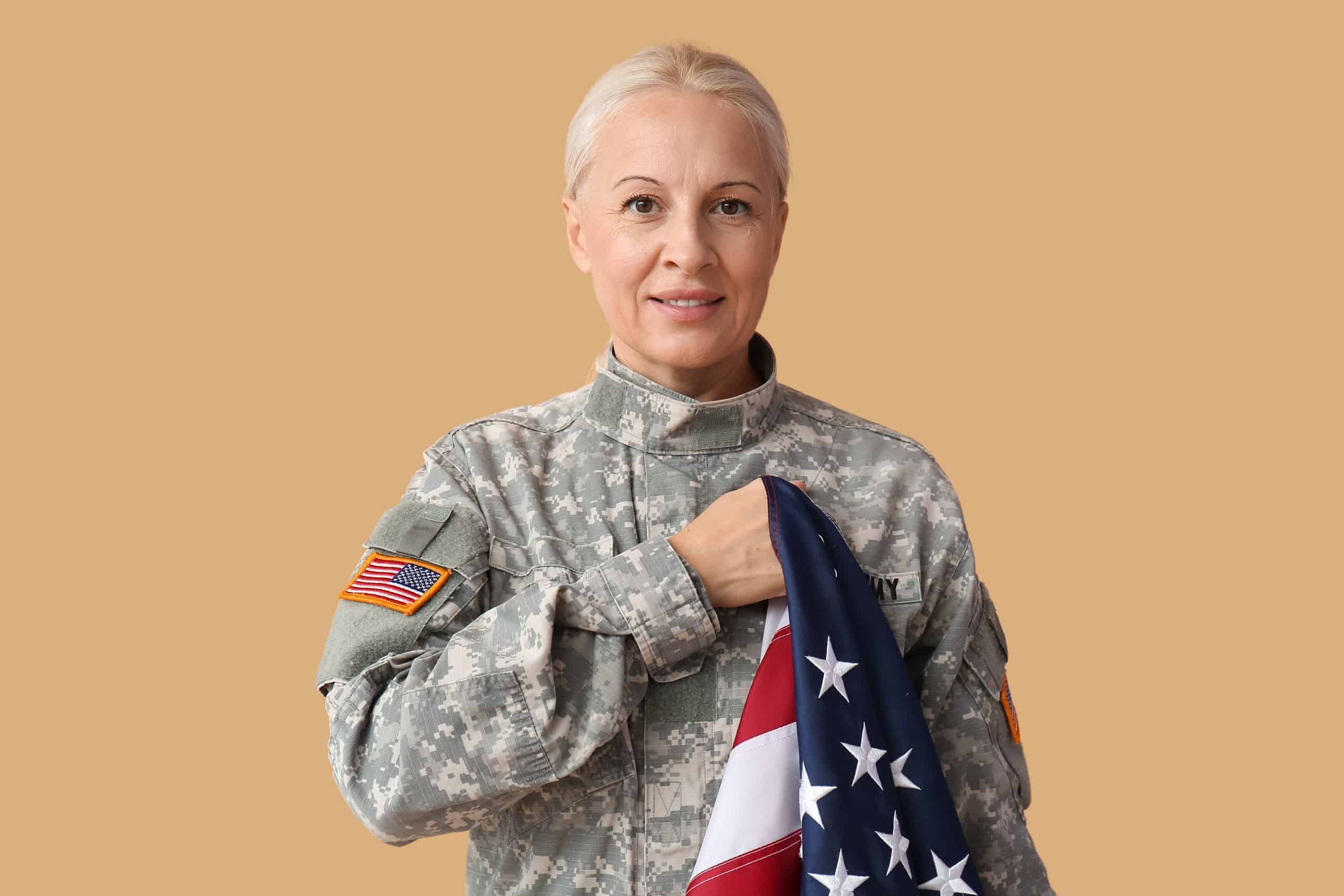
Are you or your loved one leaving valuable VA benefits on the table? Veterans, veteran spouses, and surviving spouses may qualify for money that can help lessen the cost of senior living, such as assisted living, nursing home care, and even in-home care. These key benefits include VA pension, aid and attendance, and housebound benefits. If you qualify, your payment amount is based on the difference between your countable income and the limit set by Congress (known as the maximum annual pension rate).2 We’ll walk through each benefit and its qualifications below.
Pro Tip: Are you a veteran or member of the military? Thank you for your service! You can save on a variety of Memorial Day deals and year-round discounts ranging from online courses to movie theater deals.
VA Pension
The Veterans Pension program is a needs-based benefit paid to wartime veterans to help them and their families cope with financial challenges. The tax-free supplemental income is paid monthly. To qualify for Veterans Pension benefits, you must meet these eligibility requirements:3
- You didn’t receive a dishonorable discharge.
- Your family income and net worth are below the yearly limit.
You must also meet at least one of the following:
- You’re at least 65 years old.
- You have a permanent and total disability.
- You’re a long-term-care patient in a nursing home due to a disability.
- You receive Social Security Disability Insurance or Supplemental Security Income.
In addition to the above requirements, at least one of these must be true about your service:
- You started active duty before September 8, 1980, and served 90 days or more on active duty with at least one day during wartime.
- You began active duty after September 7, 1980, as an enlisted person and served a minimum of 24 months or the full period you were called or ordered to active duty (with a few exceptions) with at least one day during wartime.
- You were an officer and started active duty after October 16, 1981, and you hadn’t formerly served on active duty for at least 24 months.
VA Aid and Attendance
There may come a time when you need extra help. VA aid and attendance benefits are for veterans or their surviving spouses who need support with activities of daily living (ADLs) or are housebound. The monthly benefit is paid in addition to a VA pension and can help offset assisted living costs, nursing home expenses, and other senior living options.
To be considered for aid and attendance, you must have served at least 90 days of active military duty and at least one day of service during wartime. Discharge conditions must be anything other than dishonorable.
You may qualify if they meet at least one of the following:
- Require caregiver assistance with ADLs, such as dressing, bathing, and feeding. If you’re unsure what qualifies as an ADL, head to our activities of daily living page.
- Is bedridden (or spends a large portion of the day in bed) because of illness.
- Is a nursing home patient due to disability-related mental (such as dementia) or physical incapacity.
- Has severely limited vision (even with glasses, you have 5/200 or less in both eyes or concentric contraction of the visual field to five degrees or less).
FYI: Are you weighed down by old debts? Your VA benefits are protected by federal law and cannot be garnished.
VA Housebound Benefit
The VA housebound benefit supports permanently disabled individuals who are confined to their homes. The supplemental monthly payment can help with financing long-term care and other medical costs.
As with aid and attendance, the VA housebound benefit requires that your discharge conditions are anything other than dishonorable. You must have served at least 90 days of active military duty and at least one day of service during wartime. You cannot receive aid and attendance and housebound benefits at the same time.4
You may be eligible for the housebound benefits if you:
- Receive a VA pension.
- Spend most of your time in your home due to a permanent disability.
In the video below, Jeff Hoyt, SeniorLiving.org’s editor-in-chief, speaks with attorney Eric Olsen, executive director of the HELPS Nonprofit Law Firm, about how struggling veterans can take advantage of Veterans Pension and aid and attendance benefits. These monthly payments can make a massive difference in veteran senior living.
How to Apply for Aid and Attendance and Housebound Benefits
Applying for veterans benefits can be an overwhelming process.
Keep in mind that a considerable amount of documentation is required in the application process, including a detailed physician’s assessment, a medical expense report, and a letter from a caregiver or home care agency (if applicable). Before you submit your application for VA aid and attendance or housebound benefits, you’ll need to have all your paperwork in order.
Your first step is to complete the examination for housebound status or permanent need for regular aid and attendance (VA form 21-2680). If you’re a nursing home resident, use VA form 21-0779. Avoid application delays by double-checking your application, and be sure to keep copies of everything.
Once you’ve gathered and completed all your documents, submit your application for VA aid and attendance or housebound benefits in person at your regional VA office or mail the completed VA forms to your pension management center.
Veteran Housing Assistance for Those With Disabilities

Unfortunately, not all assisted living for veterans meets the needs of those who have served our country. Veterans with specific permanent and service-connected disabilities may be entitled to a housing grant from the VA to help build a new, specially adapted house; adapt a home they already own; or buy a house and modify it to meet their disability-related requirements.5 These housing grants help restore mobility and independence to senior veterans.
FYI: The Department of Veterans Affairs’ Guide for specially adapted housing and special housing adaptation projects provides a wealth of information on VA grant requirements, housing adaptations, eligibility, and the review process.
The Department of Veterans Affairs Guide for Specially Adapted Housing and Special Housing Adaptation Projects provides a wealth of information on VA grant requirements, housing adaptations, eligibility, and the review process.
Specially Adapted Housing Grants
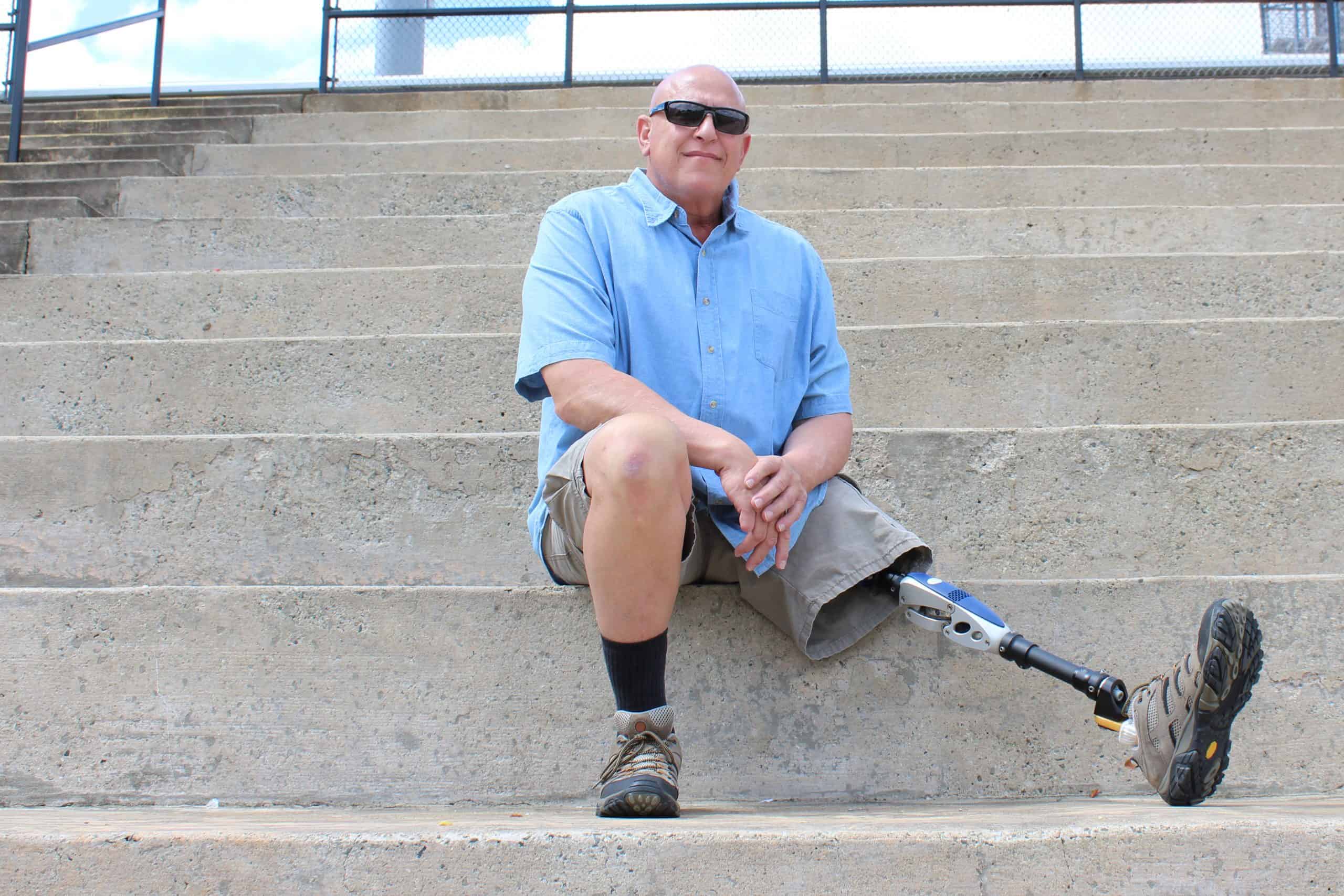
The specially adapted housing (SAH) grant is an essential aid in adapting your living space to create a barrier-free environment. The maximum benefit individuals may receive is $117,014. An SAH grant may be used to:
- Construct specially adapted homes on land to be acquired by the veteran.
- Build a home on land already owned for specially adapted housing.
- Make the home suitable through remodeling to achieve specially adapted housing.
- Apply the grant against an unpaid mortgage balance on property already owned and adapted.
Veterans with the service-connected disabilities listed below may qualify for a VA senior housing SAH grant if they meet one or more of the following conditions:
- Loss, or loss of use, of both legs.
- Loss, or loss of use, of both arms.
- Blindness in both eyes with 20/200 acuity or less.
- Loss, or loss of use, of one leg and residuals of organic disease or injury.
- Certain severe burns.
- Loss, or loss of use, of one or more lower extremities due to service on or after Sept. 11, 2001.
Special Housing Adaptation Grant
Another housing assistance grant for veterans with service-connected disabilities is the Special Housing Adaptation (SHA) grant. An SHA grant enables veterans to modify their homes to meet their accessibility needs. If you qualify for an SHA grant, you may receive up to $22,036 in benefits. SHA grant funds may be used to:
- Purchase a home that has already been adapted with the special features needed by the disabled veteran.
- Purchase and adapt a home.
- Adapt a family member’s home where the veteran will reside.
To be eligible for an SHA grant, veterans may be entitled to compensation for permanent and total service-connected disability due to one of the following:6
- Loss, or loss of use, of both hands.
- Certain severe burn injuries.
- Certain severe respiratory injuries.
Veterans Facts and Statistics

VA Health Care Facilities
Our health care needs change as we age, and it’s vital to prioritize our well-being. Our quality of life depends on it! That includes making time for preventative, specialty, dental, vision, hearing, and mental health care. It’s easy to find the right assistance, since the VA’s Veterans Health Care Administration is the largest integrated health care network in the United States, providing care to over 9 million veterans enrolled in the VA health care program.7
| VHA outpatient clinics | VA medical centers | Veterans Benefits Administration regional offices | VA vet centers | Mobile VA vet centers |
|---|---|---|---|---|
| 1,113 | 171 | 58 | 300 | 83 |
FYI: Find a VA facility or in-network community care provider using the VA’s search tool. Just type in your address and select the facility type. You’ll receive details with location names, addresses, and phone numbers.
Recipients of VA Benefits
A U.S. Census Bureau press release shows that almost half of the veterans receive some sort of military service–related cash or noncash benefit.8 In the table below, we break down the total number of veterans enrolled in or receiving benefits. According to the Census, 46.7 percent (approximately one half of veterans) had received at least one cash or noncash benefit.9
| VA health care | VA disability | VA retirement benefits | VA pension | VA survivor benefits |
|---|---|---|---|---|
| 9 million | 3.9 million | 1.5 million | 600,000 | 450,000 |
Savings Tip: Veteran discounts are abundant! From grocery and retail stores to cell phone and internet providers, don’t forget to ask about a veterans discount for seniors.
The Population of Veterans in the U.S.
As of 2020, there were an estimated 19.5 million U.S. veterans, but the number is on a steady decline. According to the Census, women make up a large number of veterans and that number is estimated to increase to 17% by 2040.10
| Army | Navy | Air Force | Marine Corps | Non-defense | National Guard |
|---|---|---|---|---|---|
| 8.2 million | 3.9 million | 3.2 million | 2.1 million | 205,000 | 1 million |
FYI: Have questions about senior care or housing? We’re hosting livestreams on our YouTube @SeniorLiving.Org with experts who are ready to answer your questions and provide advice based on years of experience. Send your questions to help@seniorliving.org and we’ll answer them during our next livestream!
The Purpose of the VA
The Veterans Administration pledges to deliver the support our veterans and their families deserve. Veterans and their loved ones should explore all the VA has to offer, including the VA’s wide range of housing and medical benefits that help protect and support senior living for veterans.
The Veteran’s Administration is the federal agency responsible for serving the needs of veterans by providing health care, disability compensation and rehabilitation, education assistance, home loans, burial in a national cemetery, and other benefits and services.
-
U.S. Department of Veterans Affairs. (2023). Geriatrics and Extended Care.
-
U.S. Department of Veterans Affairs. (2023). 2023 VA pension rates for Veterans.
-
U.S. Department of Veterans Affairs. (2023). Eligibility for Veterans Pension.
-
U.S. Department of Veterans Affairs. (2023). VA Aid and Attendance benefits and Housebound allowance.
-
U.S. Department of Veterans Affairs. (2021). Federal Benefits for Veterans, Dependents and Survivors.
-
U.S. Department of Veterans Affairs. (2023). Disability housing grants for Veterans.
-
U.S. Department of Veterans Affairs. (2023). About VA.
-
United States Census Bureau. (2021). Census Bureau Releases New Report on Veterans.
-
U.S. Department of Veterans Affairs. Veteran Population Projections 2020-2040.
-
Census.gov. (2021). Benefits Received by Veterans and Their Survivors: 2017 .